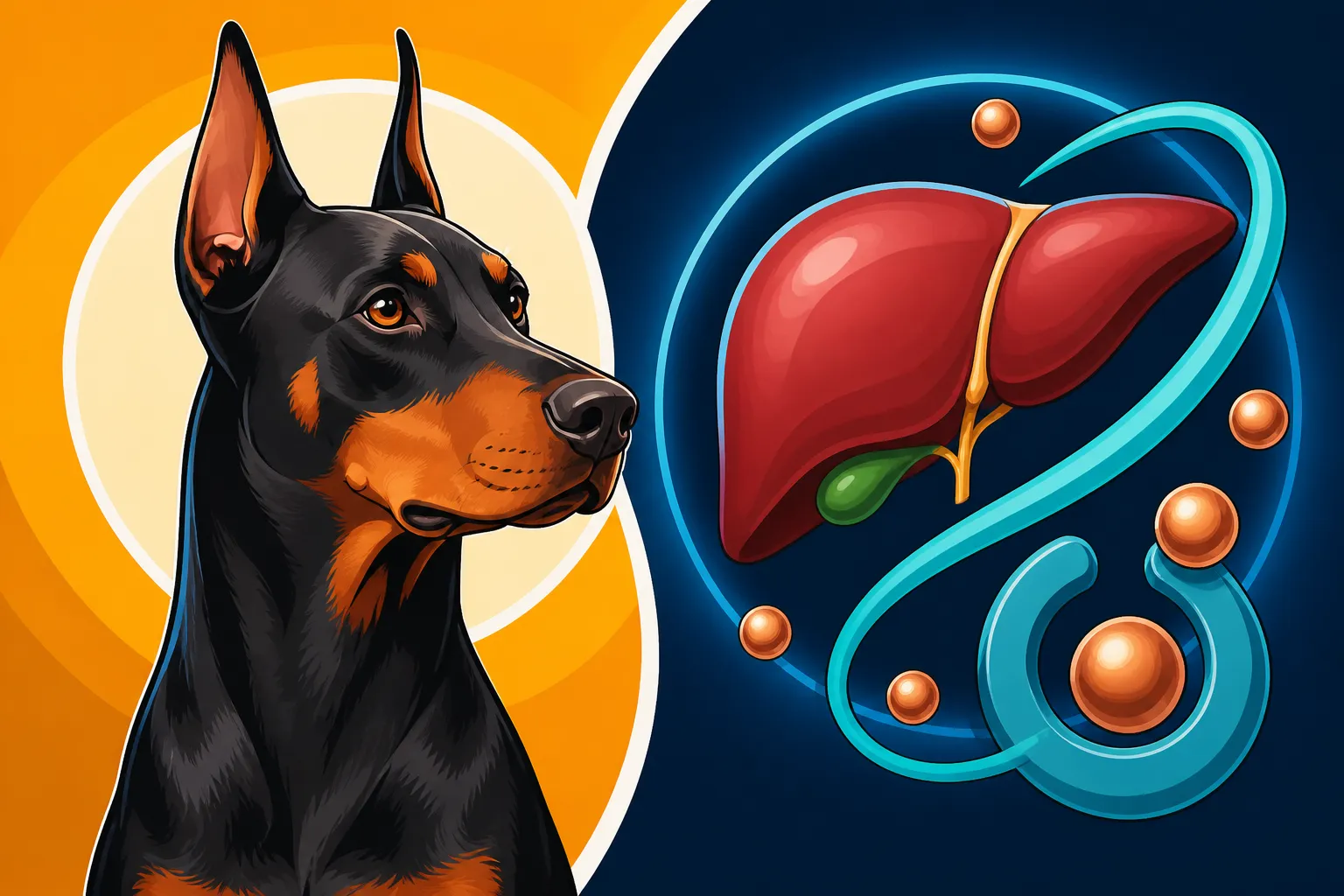
Copper Chelation for a Doberman Liver
It's absolutely heartbreaking to discover your beloved Doberman is silently battling a serious health condition, especially one as insidious as liver disease caused by copper storage. You might have noticed subtle changes – maybe a slight dip in energy, or a picky appetite – but nothing that screamed "emergency." Then, the diagnosis hits, and suddenly you're faced with complex medical terms like "copper chelation" and a daunting treatment plan. It’s a lot to process, and it leaves many Doberman owners feeling overwhelmed and desperate for clear, actionable guidance. This comprehensive guide is designed to walk you through everything you need to know about copper chelation therapy for your Doberman's liver, from understanding the disease itself to managing treatment and supporting your dog's long-term health.
Understanding Copper Storage Disease in Dobermans
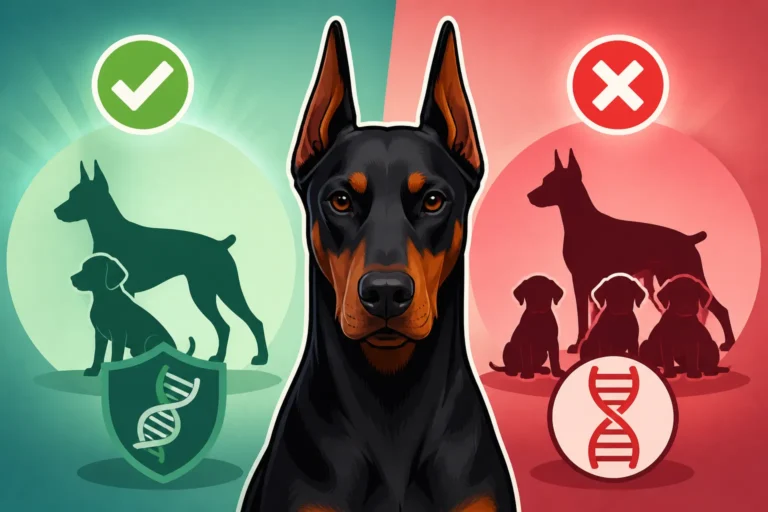
Copper storage disease, or copper-associated hepatopathy, is a real and often devastating issue for Dobermans. Unlike some other breeds where it’s a genetic certainty, in Dobermans, it's a predisposition that means their livers are less efficient at processing and excreting copper. This metal, vital in small amounts, becomes toxic when it accumulates.
Why Doberman Livers Store Copper
Normally, dogs absorb copper from their diet, use what they need for essential bodily functions, and then excrete the excess via bile into their stool. It’s a beautifully balanced system. However, for a Doberman predisposed to copper storage disease, this balance is thrown off. Their liver cells, specifically the hepatocytes, don’t effectively shuttle the excess copper out of the body. Instead, it starts to build up, silently, within the liver tissue. Think of it like a leaky faucet that never gets turned off; eventually, the bucket overflows.
This accumulation doesn't happen overnight. It's a slow, insidious process that can take years. Over time, as the copper concentration within the liver cells rises, it starts to cause oxidative damage. Copper is a pro-oxidant, meaning it generates harmful free radicals that attack cell membranes, proteins, and DNA within the liver. This leads to inflammation, cell death, and ultimately, chronic hepatitis. The liver, an organ with incredible regenerative capabilities, tries its best to repair itself, but the continuous assault from the accumulating copper eventually overwhelms it. This can lead to fibrosis, where normal liver tissue is replaced by scar tissue, impairing its function. In severe cases, it progresses to cirrhosis, a permanent and irreversible scarring that signifies end-stage liver disease. Understanding this underlying mechanism is crucial because it informs why treatments like copper chelation are so vital. It’s not just about removing the copper; it’s about halting that destructive cycle before irreversible damage sets in.
How Many Dobermans Have Silent Liver Disease
This is one of the most frustrating aspects of copper storage disease in Dobermans – it’s often a silent killer. Many Dobermans can harbor significant levels of copper in their livers for years without showing any outward clinical signs. It's truly startling to consider How Many Dobermans Have Silent Liver Disease, as this hidden prevalence can catch owners completely off guard. Routine bloodwork might show slightly elevated liver enzymes, but even that isn't always a reliable indicator in the early stages. Often, the disease isn't discovered until a Doberman is much older, or until a serious crisis occurs.
The true incidence is hard to pinpoint accurately because so many cases go undiagnosed until the disease is advanced. Studies and necropsies have shown a surprising number of Dobermans with substantial copper accumulation, even those who passed away from unrelated causes. This silent progression means that by the time your Doberman starts showing obvious symptoms like jaundice, vomiting, or lethargy, a significant amount of liver damage may have already occurred. This delayed presentation makes routine screening, even for seemingly healthy Dobermans, incredibly important if we want to catch this disease early enough to intervene effectively. Without early testing, it’s a roll of the dice, and that's a gamble no Doberman owner wants to take with their cherished companion.
Whether Doberman Hepatitis Hits Females Harder
There's a growing body of evidence and anecdotal observation suggesting that female Dobermans may be more susceptible to copper-associated liver disease, or that the disease may progress more aggressively in them. While both sexes can certainly be affected, some studies and clinical veterinarians report a higher prevalence or more severe presentation in females. Whether Doberman Hepatitis Hits Females Harder is a question that breeders and owners often ask, and the answer isn't a simple yes or no, but rather a strong indication that sex can play a role.
The reasons for this potential gender disparity aren't fully understood but could involve hormonal influences. Estrogens, for example, have been implicated in copper metabolism in other species, and it's plausible they could affect how copper is handled in the Doberman's liver. Some theories also suggest differences in genetic expression or environmental factors that might disproportionately impact females. Regardless of the exact biological mechanism, this observation highlights the importance of proactive screening for all Dobermans, but perhaps with an even keener eye on our female companions. Knowing this potential predisposition might prompt a veterinarian to recommend earlier or more frequent monitoring of liver health in female Dobermans, especially those from lines with a known history of copper storage disease.
Recognizing the Signs of Liver Trouble
One of the greatest challenges with Doberman liver disease is its stealthy nature. Owners are often left questioning if they missed something, if they could have known earlier. It's not your fault; the signs can be incredibly subtle, easily dismissed as just "getting older" or "a bit off."
Early, Subtle Symptoms
In the initial stages of copper storage disease, your Doberman might not display any obvious, alarming symptoms that scream "liver failure." Instead, what you might notice are vague, non-specific changes that could easily be attributed to a myriad of other minor issues. Perhaps your Doberman, who usually greets you with boundless enthusiasm, seems a little less energetic than usual, taking more naps throughout the day. You might observe a slight decrease in appetite; they might pick at their food or occasionally skip a meal, which is concerning for a breed generally known for their hearty appetites. Some owners report a subtle increase in thirst, leading to more frequent trips to the water bowl and subsequently, more urination.
These signs are so gentle and insidious that they often go unnoticed or are dismissed as a temporary funk. You might think, "Oh, it's just a hot day," or "Maybe they ate something weird." There might be a minor weight loss that you don't really register until a few weeks or months later when you notice their ribs are a bit more prominent than usual. There could even be a very mild dullness to their coat, or just an overall sense that your vibrant Doberman is just not quite themselves. This is why it’s so frustrating for owners; these aren't the dramatic symptoms that send you rushing to the emergency vet. Instead, they are the quiet whispers of a body under stress, whispers that are easily missed unless you know specifically what to look for and actively monitor for even the slightest deviations from your Doberman's normal behavior. If you notice any of these persistent subtle changes, it's always worth a conversation with your vet, especially given the Doberman's predisposition to silent liver issues.
Advanced Clinical Signs
Unfortunately, by the time a Doberman exhibits advanced clinical signs of copper storage disease, the liver damage has often progressed significantly, sometimes even to irreversible cirrhosis. These symptoms are much more overt and concerning, clearly indicating a serious problem. You might start to see jaundice, a yellowish discoloration of the whites of the eyes, gums, or skin, which occurs when the liver can no longer effectively process bilirubin. This is a big red flag.
Another common advanced sign is ascites, a noticeable distension of the abdomen due to fluid accumulation. Your Doberman's belly might look swollen and tight, and they may be uncomfortable, reluctant to lie down, or breathe heavily due to the pressure on their diaphragm. Vomiting and diarrhea become more frequent as the liver's ability to aid digestion deteriorates, leading to significant weight loss and muscle wasting, making your Doberman look emaciated and weak. There can also be neurological symptoms, known as hepatic encephalopathy, which manifest as disorientation, stumbling, circling, behavioral changes (like staring blankly or pressing their head against a wall), or even seizures. This happens when toxins, normally filtered by the liver, build up in the bloodstream and affect brain function. Excessive thirst and urination, pale gums (indicating anemia, another complication of chronic liver disease), and dark urine are also possible. Seeing your Doberman, once so robust and energetic, succumb to these debilitating symptoms is incredibly distressing, underscoring the urgency of diagnosis and intervention at this stage.
Diagnosing Copper Storage Disease
The journey to diagnosing copper storage disease in a Doberman can be a complex one, often starting with general concerns and then narrowing down to the specific liver issue. It’s rarely a straightforward path, and owners often face multiple tests and anxious waits.
Liver Enzyme Results in a Doberman
When you first bring your Doberman to the vet with concerns about their energy or appetite, one of the initial diagnostic steps will likely be a comprehensive blood panel. This often includes evaluating liver enzymes such as Alanine Aminotransferase (ALT), Aspartate Aminotransferase (AST), Alkaline Phosphatase (ALP), and Gamma-Glutamyl Transferase (GGT). Liver Enzyme Results in a Doberman can indeed raise a red flag, as elevated levels of these enzymes often signal liver cell damage or cholestasis (bile flow obstruction). For instance, a significant increase in ALT usually indicates hepatocellular damage, meaning the liver cells themselves are being injured.
However, and this is where the frustration can really set in, elevated liver enzymes are not specific to copper storage disease. They are simply indicators that something is going on with the liver. They could be high due to infections, other toxins, certain medications, inflammatory conditions, or even unrelated issues like pancreatitis impacting the liver secondarily. Conversely, a Doberman could have early or even moderate copper accumulation in their liver, yet their enzyme levels might still be within the normal range or only mildly elevated, misleading both you and your vet. This non-specific nature means that while abnormal liver enzymes warrant further investigation, they don't provide a definitive diagnosis of copper storage. They are a starting point, a clue, but certainly not the whole picture. Owners need to understand that even normal enzymes don't completely rule out silent copper accumulation, emphasizing the need for more targeted diagnostics if suspicion remains high, especially in a predisposed breed.
Liver Biopsy in a Doberman
Given the non-specific nature of blood tests, the definitive diagnosis of copper storage disease in a Doberman almost always requires a liver biopsy. This is often the point where owners feel a significant amount of anxiety, as it's a more invasive procedure. A liver biopsy involves taking a small piece of liver tissue for microscopic examination and quantitative copper analysis. There are a few ways this can be performed.
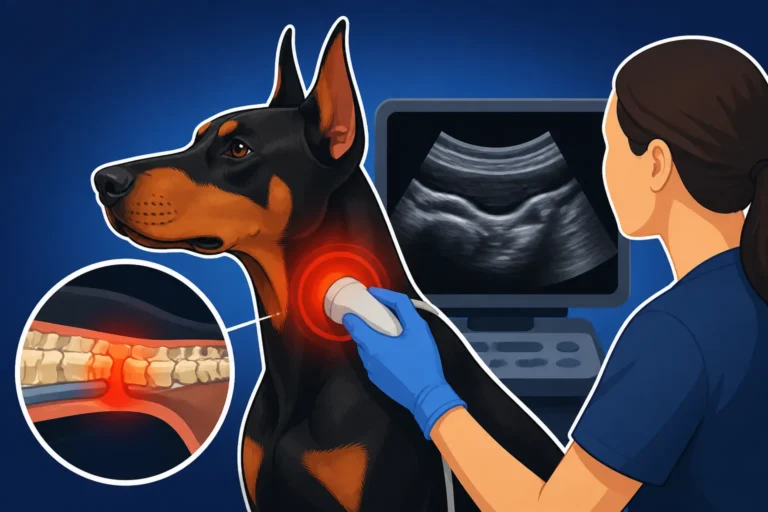
One common method is a needle biopsy, often done under ultrasound guidance to ensure the sample is taken from the correct area and to minimize risks to other organs. This can be less invasive than traditional surgery, sometimes performed with heavy sedation and local anesthesia, though general anesthesia is often preferred for optimal patient cooperation and safety. Another option is a laparoscopic biopsy, which involves small incisions and the use of a camera, allowing for more precise visualization and potentially better sample collection with reduced invasiveness compared to a full open surgical biopsy. The most invasive, but sometimes necessary, approach is an open surgical biopsy, where a surgeon makes an incision to directly visualize the liver and take a larger, wedge-shaped sample. This method allows for better control of bleeding and a more substantial tissue sample, but it also carries higher surgical risks and a longer recovery time. Each method has its pros and cons regarding invasiveness, cost, and the quality of the sample obtained, and your vet will discuss the best approach based on your Doberman's specific condition and the expertise available. Regardless of the technique, the goal is to obtain a representative piece of liver tissue that can then be analyzed by a specialized veterinary pathologist. Liver Biopsy in a Doberman is a critical step, albeit a stressful one, in securing a definitive diagnosis.
What a Biopsy Reveals
Once a liver biopsy sample is obtained, it’s sent to a specialized veterinary pathology laboratory for a thorough analysis. The pathologist will first examine the tissue under a microscope, looking for characteristic changes associated with copper storage disease, such as inflammation (hepatitis), cellular necrosis (cell death), fibrosis (scarring), and the presence of abnormal copper granules within the liver cells. Special stains, like rhodanine or rubeanic acid, are used to highlight copper deposits, making them visible under the microscope. This qualitative assessment helps confirm the presence of copper accumulation.
However, the most crucial part of the biopsy analysis for diagnosing copper storage disease is the quantitative copper analysis. This involves measuring the actual concentration of copper within the liver tissue, typically expressed as micrograms of copper per gram of dry liver tissue (µg/g dry weight). While there can be some variation depending on the lab, generally, liver copper concentrations above 400 µg/g dry weight are considered abnormal and indicative of copper accumulation. Levels above 750 µg/g are often diagnostic of significant copper storage disease, and anything over 1000-2000 µg/g suggests severe disease requiring immediate intervention. This quantitative measure is what truly confirms the diagnosis and gives your veterinarian a clear picture of the severity of the copper overload. It helps differentiate primary copper storage disease from secondary copper accumulation that might occur with other types of liver disease. This definitive information from the biopsy is essential for establishing an appropriate treatment plan and giving you and your vet the confidence to move forward with targeted therapies like copper chelation.
The Role of Copper Chelation Therapy
After receiving a devastating diagnosis of copper storage disease, the next question is always, "What can we do?" For many Doberman owners, copper chelation therapy becomes the cornerstone of their dog's treatment plan.
What Chelation Drugs Do
Chelation therapy is a powerful and targeted treatment designed to actively remove excess copper from your Doberman's body. The term "chelate" comes from the Greek word "chele," meaning claw, which perfectly describes how these drugs work. Chelating agents are compounds that have a high affinity for specific metal ions, in this case, copper. When administered, these drugs circulate through the bloodstream and bind to the free copper ions and even some intracellular copper that has accumulated in the liver and other tissues. Think of them as tiny, molecular "claws" that grab onto the copper.
Once the chelating agent has bound to the copper, it forms a stable, water-soluble complex. This complex is then safely excreted from the body, primarily through the urine, but also to some extent via the feces. The goal of this process is twofold: first, to reduce the overall copper load in the body, particularly in the liver, thereby halting and hopefully reversing the ongoing oxidative damage and inflammation. Second, by continually removing excess copper, chelation therapy helps to prevent further accumulation and progression of the disease. It's an active detoxifying process that is crucial for managing active copper overload and can be a life-saving intervention for Dobermans with this condition. It's a long-term commitment, but it’s what gives many Dobermans a fighting chance.
Common Chelation Medications and Their Side Effects
When it comes to copper chelation for Dobermans, there are primarily two medications commonly used: D-penicillamine and Trientine. Both are chelating agents, but they have different chemical structures and can have varying side effect profiles.
D-penicillamine (brand names like Cuprimine, Depen) has been the traditional go-to for copper chelation in dogs for many years. It works by binding to copper and facilitating its excretion. While effective, it's notorious for its potential gastrointestinal side effects. Many Dobermans experience nausea, vomiting, and a loss of appetite, especially when first starting the medication or if given on an empty stomach. Administering it with a small amount of food or gradually increasing the dose can sometimes mitigate these issues. Another concern is myelosuppression, a rare but serious side effect where the bone marrow's production of blood cells is suppressed, leading to anemia or a lowered white blood cell count. Regular blood monitoring is therefore essential. Less common side effects include skin rashes or kidney issues.
Trientine (brand name Syprine) is often considered a second-line drug, or sometimes used as a first-line option, particularly if a Doberman cannot tolerate D-penicillamine due to its side effects. Trientine also binds to copper, forming a complex that is excreted. It generally has a better gastrointestinal tolerance profile than D-penicillamine, meaning fewer instances of vomiting and appetite loss, which can be a huge relief for owners struggling to administer medication to an already unwell dog. However, it can still cause some gastrointestinal upset. Myelosuppression is less commonly reported with Trientine but is still a possibility, making regular bloodwork crucial here too. Some Dobermans might also experience changes in liver enzymes or mild skin reactions.
Choosing between D-penicillamine and Trientine often comes down to individual patient tolerance, the severity of the disease, and the veterinarian's experience. Both drugs require careful monitoring, and Chelation Drug Costs for a Doberman can be significant, so discussing these options thoroughly with your veterinary specialist is paramount. The goal is to find the most effective and tolerable regimen for your Doberman to ensure compliance and successful copper removal.
Copper Chelation for a Doberman Liver
For a Doberman whose liver is burdened by excessive copper, chelation therapy isn't just an option; it's typically the primary and most aggressive course of action to halt the progression of the disease and reverse existing damage. Once a liver biopsy confirms significant copper accumulation, your veterinary internal medicine specialist or hepatologist will initiate a tailored chelation protocol. The regimen usually involves administering D-penicillamine or Trientine, often two to three times daily. It’s a dedicated, long-term commitment that requires meticulous adherence to the dosing schedule.
The initial phase of therapy, where the goal is to rapidly reduce the copper burden, can last anywhere from six months to two years, depending on the severity of the disease and how well your Doberman responds. During this time, consistent blood monitoring will be crucial to assess the effectiveness of the treatment by tracking liver enzyme levels, overall liver function, and to keep an eye out for any adverse side effects from the medication, such as changes in blood cell counts or kidney function. Once the copper levels in the liver are significantly reduced, and your Doberman's clinical signs improve, the chelating agent dosage may be tapered down, or your vet might transition to a maintenance therapy, potentially involving zinc supplementation or a less aggressive chelator. The purpose of copper chelation for a Doberman liver is not just about survival; it's about improving their quality of life, allowing their liver to recover as much as possible, and giving them the best chance at a longer, healthier existence. It’s an intensive treatment, but the potential benefits for your beloved Doberman are immense.
Managing Doberman Liver Disease Long-Term
Getting a diagnosis and starting chelation therapy is a huge step, but managing Doberman liver disease is a marathon, not a sprint. It requires a multifaceted approach, with diet, supportive medications, and regular monitoring all playing equally critical roles alongside chelation.
Low-Copper Diets for a Doberman
Diet plays an absolutely pivotal role in the long-term management of copper storage disease in Dobermans. While chelating agents work to remove existing copper, a low-copper diet helps prevent further accumulation and reduces the daily burden on an already compromised liver. It's a critical component that works hand-in-hand with medication. For many owners, figuring out what to feed their Doberman can feel like navigating a minefield, as so many commercial foods contain higher copper levels than are ideal for these sensitive dogs.
The first step is often transitioning your Doberman to a prescription hepatic diet specifically formulated to be low in copper. Brands like Hill's Prescription Diet l/d, Royal Canin Veterinary Diet Hepatic, or Purina Pro Plan Veterinary Diets Canine EN Gastroenteric are excellent starting points. These diets are not only low in copper but also often contain controlled protein levels to reduce metabolic waste products (which can exacerbate hepatic encephalopathy) and increased zinc, which helps block copper absorption in the gut. Zinc is a fantastic natural adjunct that can really support the overall strategy. If you prefer to home-cook for your Doberman, you’ll need to work closely with a board-certified veterinary nutritionist. They can formulate a balanced recipe that meets all your Doberman's nutritional needs while strictly controlling copper content. Common high-copper ingredients to avoid include organ meats (especially liver), shellfish, certain legumes (like peas and lentils), mushrooms, and some nuts. Even tap water can contain varying levels of copper, so some owners opt for filtered water. The commitment to a Low-Copper Diets for a Doberman is lifelong, even after initial chelation, as it forms the foundation of preventing relapse. It takes dedication, but ensuring your Doberman consumes as little environmental copper as possible makes a huge difference in their prognosis.
Medication for a Doberman With Hepatitis
Beyond the primary chelating agents, Dobermans with copper-associated hepatitis often benefit from a range of supportive medications designed to reduce inflammation, protect liver cells, and manage symptoms. This cocktail of drugs can feel overwhelming to administer, but each plays a specific role in supporting the struggling liver.
Anti-inflammatory medications, often corticosteroids like prednisone, may be used initially to calm the severe inflammation associated with acute hepatitis. However, their long-term use is typically avoided due to potential side effects. More commonly, your vet might prescribe antioxidants and liver protectants. S-Adenosylmethionine (SAM-e), available under brands like Denamarin or Zylkene, is a popular choice. SAM-e helps to increase the levels of glutathione, the body's master antioxidant, which can protect liver cells from oxidative damage caused by excess copper. Milk thistle (silymarin) is another natural supplement often recommended for its hepatoprotective and anti-inflammatory properties, although scientific evidence for its efficacy in dogs is still somewhat limited. Ursodeoxycholic acid (UDCA), also known as Actigall or Urso, is a synthetic bile acid that helps improve bile flow, protect liver cells, and modulate immune response. This can be particularly helpful if there's any cholestasis. For Dobermans developing hepatic encephalopathy, medications like lactulose are used to reduce ammonia absorption in the gut, thereby lessening neurological signs. Antibiotics might also be prescribed if secondary bacterial infections are suspected or to alter gut flora to reduce toxin production. It's a complex puzzle, and your vet will carefully select the right combination of Medication for a Doberman With Hepatitis to support your Doberman's liver and improve their comfort. Remember to source these from reputable pharmacies, as quality control is paramount.
Monitoring Bloodwork for a Doberman Liver
Diligent and regular monitoring of your Doberman's health is absolutely non-negotiable when managing copper storage disease. This isn't a condition where you can simply give medication and hope for the best; it requires active oversight to ensure the treatment is effective and safe. Owners often feel like they're living at the vet, but this constant vigilance is what truly makes a difference. Monitoring Bloodwork for a Doberman Liver is the cornerstone of this ongoing assessment.
Initially, your Doberman will likely need blood tests every few weeks or months to establish a baseline and evaluate their response to chelation therapy. These tests will include a complete blood count (CBC) to check for anemia or other blood cell abnormalities, which can be side effects of chelation drugs like D-penicillamine or a consequence of severe liver disease. A comprehensive biochemistry panel will track liver enzyme levels (ALT, AST, ALP, GGT) to gauge the ongoing liver cell health and inflammation. While these enzymes aren't diagnostic for copper, their trends can indicate whether the liver is improving or if damage is progressing. Kidney function markers (BUN, creatinine) are also crucial to monitor, as some chelating agents are processed through the kidneys, and advanced liver disease can impact kidney health. Additionally, tests for albumin, globulin, and coagulation factors (PT/aPTT) provide insights into the liver's synthetic function. As your Doberman stabilizes, the frequency of bloodwork might decrease, but it will remain a lifelong requirement, typically every three to six months. Sometimes, your vet may also recommend a re-biopsy to quantify liver copper levels again, though this is less common due to its invasiveness. Insurance providers like Healthy Paws often cover these ongoing diagnostic tests once the condition is diagnosed, which can be a huge relief for owners facing these recurring expenses.
Living with a Doberman on Chelation Therapy
Embracing the reality of a Doberman living with chronic liver disease, especially one requiring intensive chelation therapy, means a significant shift in daily life. It’s a journey of dedication, patience, and a deep love for your companion.
How Long a Doberman Lives With Liver Disease
This is perhaps the most difficult question for any owner facing a Doberman liver disease diagnosis: "What is my Doberman's prognosis? How Long a Doberman Lives With Liver Disease?" The answer, unfortunately, is not simple and depends heavily on several factors: the stage of the disease at diagnosis, the severity of the copper accumulation, the presence of irreversible damage like cirrhosis, and crucially, the owner's commitment to consistent and lifelong treatment.
For Dobermans diagnosed early, before significant fibrosis or cirrhosis has set in, and where owners are diligent about administering chelation therapy, a low-copper diet, and supportive medications, the prognosis can be surprisingly good. Many Dobermans in this category can live for several more years with a good quality of life, effectively managing their condition. They might have a slightly reduced lifespan compared to an unaffected Doberman, but early intervention can prevent the severe, life-threatening complications. On the other hand, if the disease is diagnosed in its advanced stages, with extensive cirrhosis and overt clinical signs like ascites or hepatic encephalopathy, the prognosis is guarded. The liver's regenerative capacity is limited once severe scarring occurs, and treatment becomes more about managing symptoms and providing comfort. Even with aggressive therapy, Dobermans in advanced stages may only have months to a year or two. This wide range in outcomes powerfully underscores why early diagnosis and proactive management are so critical for this breed. While no one can guarantee specific numbers, informed action can significantly alter the trajectory of this disease for your Doberman.
Supporting Your Doberman's Quality of Life
Living with a Doberman on chelation therapy means stepping into the role of a dedicated medical caregiver, but it also means focusing on their overall well-being. Supporting your Doberman's quality of life goes beyond just administering pills; it involves creating a stable, comfortable, and loving environment that minimizes stress and maximizes their joy.
Firstly, consistency is key. Stick to their medication schedule religiously, and ensure their Prescription Diet Costs for a Doberman Liver are maintained, even if they occasionally turn up their nose at it. Work with your vet to find palatable ways to administer drugs, perhaps hidden in a small treat approved for their diet, or compounded into a flavored liquid. Monitor their appetite, energy levels, and urination/defecation patterns daily, as these are crucial indicators of how they're feeling. Any significant change should prompt a call to your vet. Regular, gentle exercise is important for maintaining muscle mass and mental stimulation, but avoid strenuous activity, especially if their liver disease is advanced or they're feeling unwell. Create a comfortable resting spot with soft bedding, as Dobermans are lean and prone to pressure sores.
Equally important is managing your own stress and emotional toll. It's exhausting to manage a chronic illness, and you're allowed to feel overwhelmed. Find support groups for Doberman owners or online forums where you can share experiences and gain insights. Don't underestimate the power of simply spending quality time with your Doberman – gentle petting, quiet cuddles, or short, sniffy walks can do wonders for their mental state, and yours. Insurance plans like Healthy Paws can also alleviate financial stress by covering a significant portion of the ongoing treatment costs, letting you focus more on care and less on crushing bills. Remember, your Doberman senses your emotions, so try to remain calm and reassuring. By managing the medical aspects diligently and providing unwavering emotional support, you can ensure your Doberman continues to experience a rich and loving life, despite the challenges of their condition.
Disclaimer
The information provided in this article is intended for general knowledge and informational purposes only, and does not constitute medical advice. It is essential to consult with a qualified veterinary professional for any health concerns or before making any decisions related to your Doberman's medical care. Every animal is unique, and treatment plans should be tailored to individual circumstances.