Whether Any Doberman Reaches Fifteen
It’s a heartbreaking reality for many Doberman owners that our loyal, loving companions often don't live as long as we desperately wish they would. The dream of spending 15 wonderful years with a Doberman is a sentiment I hear often, mixed with a very real understanding that this breed faces some significant health challenges. This guide aims to tackle that hope head-on, exploring the true Doberman lifespan and what it really means for one to reach such a grand old age.
Understanding the Typical Doberman Lifespan
When you bring a Doberman into your home, you’re not just getting a dog; you’re welcoming a family member who will burrow deep into your heart. Naturally, we all hope for as many years as possible with them. However, for Dobermans, the average lifespan is often shorter than many other large breeds, which can be a difficult pill to swallow.
The Average Doberman Lifespan
Most Doberman Pinschers, both American and European lines, typically live somewhere between 9 and 12 years. This range is a common benchmark cited by veterinarians and breed enthusiasts alike. While a solid 9 years is a good run, and 12 years is fantastic, it's rare to see them consistently push beyond that, especially without significant health interventions in their later years. It’s a sad truth that factors specific to the breed tend to shorten their time with us. You can read more about why this is the case in our detailed article on Doberman Lifespan and Why It Is Short.
This average range reflects a combination of genetics, environmental factors, and the onset of age-related diseases that are unfortunately prevalent in the breed. When a Doberman reaches 9 or 10, they are generally considered to be entering their senior years, and just like humans, these years often come with their own set of physical and cognitive changes. It's during this time that many owners start to notice subtle shifts in energy levels, mobility, and overall zest for life, even if they've been diligent with preventative care.
The Rarity of a Fifteen-Year-Old Doberman
So, can a Doberman live to be 15? The honest answer is: it’s exceptionally rare. While anecdotes of Dobermans living to 14, 15, or even 16 years do surface occasionally, these are truly the outliers, not the norm. For every one Doberman that defies the odds, there are many, many more who succumb to health issues within the typical 9-12 year window. It’s akin to a human living past 100; it happens, but it’s not something you can reasonably expect for every individual.
These long-lived Dobermans often come from lines with exceptional genetic health and have typically benefited from meticulous care, including optimal nutrition, regular exercise, minimal stress, and prompt veterinary attention throughout their lives. They are the fortunate few who seem to escape the genetic predispositions that plague so many of their breed. It’s not just about luck, but a confluence of many positive factors aligning perfectly. This rarity underscores the significant challenges inherent in the breed’s health profile, making that 15-year mark a monumental achievement.
Major Health Concerns Impacting Doberman Longevity
The Doberman's relatively shorter lifespan isn't due to poor overall health in every individual, but rather a strong predisposition to certain devastating genetic conditions. These conditions are often silent for years, making proactive screening and early intervention critical, but even then, they can be relentless.
Dilated Cardiomyopathy DCM
This is, without a doubt, the single biggest threat to a Doberman's lifespan. Dilated Cardiomyopathy (DCM) is a progressive disease of the heart muscle that leads to an enlarged heart and weakened contractions. It’s a silent killer, often showing no outward symptoms until the disease is very advanced, which is why it's sometimes called "the silent killer." You can learn more about The Heart Disease That Reaches Most Dobermans in our comprehensive guide.
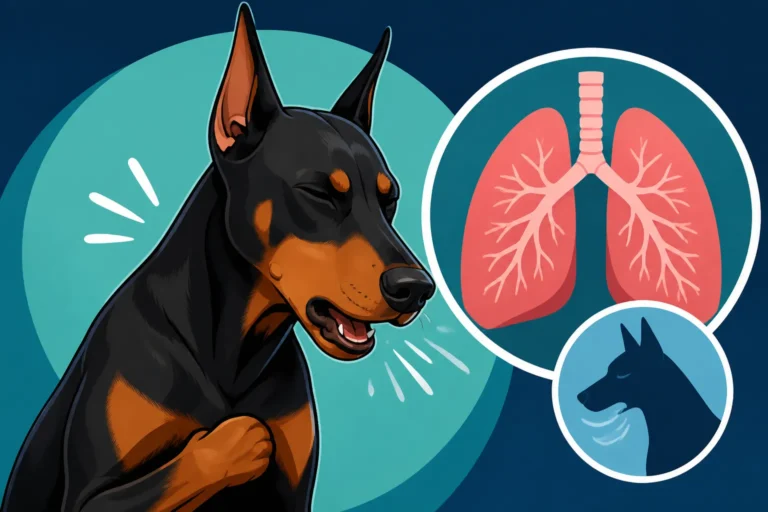
DCM affects a staggering number of Dobermans, with some estimates suggesting that up to 50% or more of the breed may be affected. The disease can progress quickly once symptoms appear, leading to congestive heart failure or sudden cardiac death. Symptoms like coughing, lethargy, or a Doberman that tires faster than it used to are often indicators that the heart is already severely compromised. Regular screening with annual echocardiograms (echo) and 24-hour Holter monitoring is crucial for early detection. Many Dobermans will go through Annual Echo and Holter Screening for a Doberman from a young age to try and catch this beast early. Even with early detection, and medications like Pimobendan for a Doberman in the occult phase, it's a battle against time, and DCM remains a primary reason why few Dobermans reach a very old age.
Wobbler Syndrome
Another significant orthopedic and neurological challenge that can impact a Doberman's quality of life and longevity is Wobbler Syndrome, also known as cervical vertebral instability or cervical spondylomyelopathy. This condition affects the spinal cord in the neck, leading to compression and neurological symptoms. You might notice a Doberman that wobbles on its back legs, walks with its head down, or shows general incoordination.
Wobbler Syndrome can manifest at various ages, but it’s often observed in middle-aged to older Dobermans. The severity can range from mild ataxia to severe paralysis. Managing Wobbler Syndrome can be complex, involving medication, physical therapy, or even surgery. While not always directly fatal, the progressive nature of the condition can severely reduce a Doberman's mobility and comfort, eventually impacting their overall quality of life and leading to difficult decisions for owners. It's a debilitating disease that can significantly impact the later years of a Doberman's life.
Other Health Concerns
Beyond DCM and Wobbler Syndrome, Dobermans are prone to several other health issues that can cumulatively shorten their lives. These include:
- Von Willebrand's Disease (vWD): This is a genetic bleeding disorder, similar to hemophilia in humans. While many Dobermans are carriers, affected dogs can experience excessive bleeding from minor cuts, during surgery, or spontaneously. While generally not a cause of death if managed, severe bleeding events can be dangerous.
- Hypothyroidism: An underactive thyroid gland is common in Dobermans, leading to symptoms like lethargy, weight gain, and coat issues. It's usually manageable with daily medication, but if left untreated, it can affect overall health and immune function.
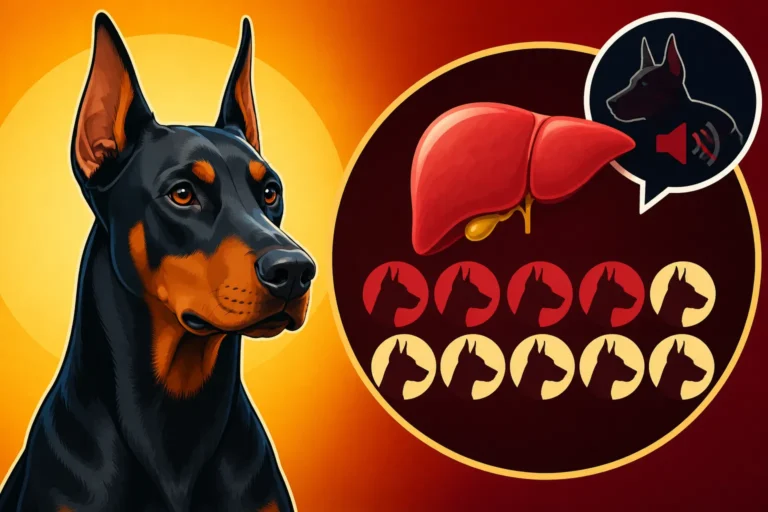
- Cancer: Like many large breeds, Dobermans are susceptible to various forms of cancer, including osteosarcoma (bone cancer), lymphoma, and hemangiosarcoma. These aggressive cancers can strike quickly and are a leading cause of death in senior dogs.
- Bloat (Gastric Dilatation-Volvulus GDV): This is a life-threatening condition where the stomach fills with gas and twists. Dobermans, with their deep, narrow chests, are at higher risk. It requires immediate emergency surgery, and even with prompt intervention, it carries a high mortality rate. Understanding how to recognize a Doberman stomach twist in time can be life-saving.
| Health Issue | Typical Onset Age | Impact on Lifespan | Detection/Prevention |
|---|---|---|---|
| Dilated Cardiomyopathy (DCM) | 4-8 years (occult), 7-10 years (clinical) | Primary cause of early death | Annual Echo & Holter, Genetic testing (DCM1, DCM2) |
| Wobbler Syndrome | 3-9 years | Reduced quality of life, mobility issues, euthanasia | Neurological exam, X-rays, MRI |
| Hypothyroidism | 2-6 years | Manageable, but impacts overall health if untreated | Blood tests (thyroid panel) |
| Cancer | 6+ years | Significant cause of death in seniors | Regular vet checks, lump aspiration, early detection |
| Bloat (GDV) | Any age (esp. adults) | Life-threatening emergency | Immediate veterinary care, prophylactic gastropexy surgery |
These health issues collectively paint a picture of why Dobermans, despite their robust appearance, have a challenging road to extreme longevity. This is why many Doberman owners rely on pet insurance providers like Healthy Paws, knowing that the potential vet bills for these conditions can be astronomical. Having a plan in place for unexpected health challenges can alleviate some financial stress during an already difficult time.
Factors Contributing to a Longer Doberman Life
While Dobermans face significant breed-specific health hurdles, there are definitely proactive steps you can take to maximize your cherished companion's chances of a long and healthy life. It’s about stacking the odds in their favor.
Responsible Breeding and Genetics
The absolute foundation for a long-lived Doberman starts before they are even born. Choosing a reputable breeder who prioritizes health testing and genetic diversity is paramount. A responsible breeder will conduct extensive health screens on both parent dogs for conditions like DCM, vWD, Wobbler Syndrome, and hip/elbow dysplasia. They will readily provide proof of these tests, often with results from organizations like the Orthopedic Foundation for Animals (OFA) or DNA testing labs.
For DCM, specifically, knowing the genetic status of the parents for the known DCM1 and DCM2 genes can help predict risk, though a clear genetic test doesn't guarantee a dog won't get DCM. It simply means they don't carry those specific known variants. However, ethical breeders strive to reduce the incidence of these diseases by carefully selecting breeding pairs and being transparent about their lines' health history. Asking to see a Doberman puppy's test certificates is a crucial step in ensuring you're bringing home the healthiest possible puppy. This upfront investment in a well-bred dog can literally add years to their life and save you immense heartache and vet bills down the road.
Optimal Nutrition and Weight Management
What you feed your Doberman plays a huge role in their overall health and longevity. A high-quality diet appropriate for their age, activity level, and any specific health needs is essential. For an eighty-pound Doberman, this means a balanced diet rich in quality protein, healthy fats, and essential nutrients, without excessive fillers or artificial ingredients. Many owners choose to feed their Doberman in two or even three smaller meals a day to help prevent bloat. Our article on Feeding an Eighty-Pound Doberman Well offers more specific advice.
Maintaining a lean body weight is equally critical. Overweight Dobermans put extra strain on their joints, heart, and other organs, exacerbating conditions like arthritis and potentially worsening heart disease. You should be able to easily feel their ribs without seeing them protruding, and they should have a discernible waist when viewed from above. Regular monitoring of their body condition score, along with controlled portions and appropriate exercise, will keep them in prime physical shape. Even for a breed as active as the Doberman, it's possible for them to become overweight if their caloric intake isn't matched to their energy output.
Regular Veterinary Care and Proactive Screening
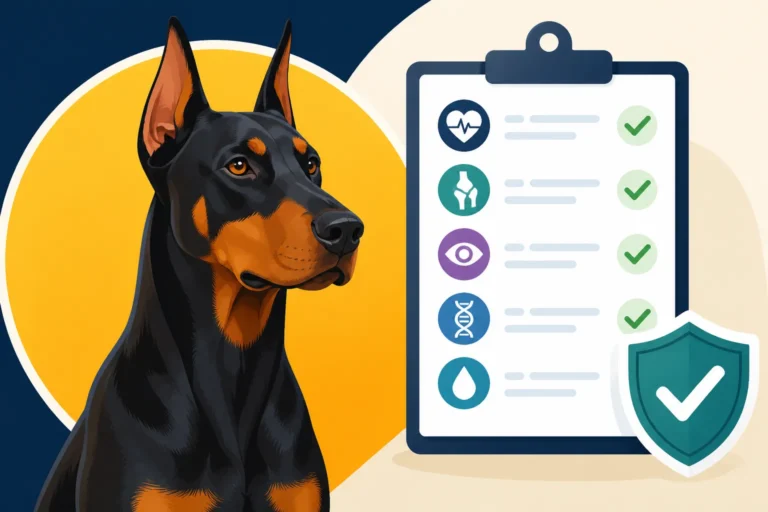
Beyond annual check-ups, Dobermans benefit greatly from a proactive approach to veterinary care, especially as they enter their middle and senior years. This means adhering to recommended screening protocols for breed-specific diseases. For instance, yearly cardiac screening, including echocardiograms and Holter monitors, starting around age 2-3, is highly recommended to catch DCM in its earliest, asymptomatic stages. This early detection can allow for intervention that may slow the disease's progression and extend a Doberman's comfortable life.
Regular blood work, including thyroid panels, is also important for early detection of hypothyroidism and other metabolic issues. As they age, screening an older Doberman more often becomes even more critical. Your vet might recommend more frequent comprehensive exams, specialized blood tests, or even imaging depending on your Doberman’s individual health history and any emerging concerns. Don't hesitate to consult with your vet about a preventative care plan tailored specifically for your Doberman. Insurance providers like Healthy Paws can be a real lifeline when it comes to covering the costs associated with these important, but sometimes expensive, diagnostic tests and treatments.
Exercise, Mental Stimulation, and Stress Reduction
A Doberman is an athletic and intelligent breed, and meeting their needs for physical exercise and mental engagement is vital for their well-being. Regular, appropriate exercise, such as daily walks, runs, or play sessions, helps maintain muscle mass, joint health, and a healthy weight. However, it's also important to avoid over-exertion, especially during hot weather or if your Doberman has underlying health issues. While Dobermans love to move, strenuous activities like long-distance running on pavement may need to be moderated as they age to protect their joints.
Mental stimulation is just as important. These smart dogs thrive on having a "job" to do, whether it's obedience training, puzzle toys, nose work, or even just learning new tricks. A bored Doberman can become destructive or anxious, which can negatively impact their health. Think about whether a Doberman needs more than puppy class; the answer is almost always yes, they need ongoing engagement.
Minimizing stress in their environment also contributes to a longer, healthier life. Dobermans are highly sensitive and bond deeply with their families. A stable, loving home environment where they feel secure and have a consistent routine can reduce anxiety and its associated physiological impacts. This holistic approach to care, combining excellent physical and mental well-being, is key to helping your Doberman live their best, longest life.
The Realities of a Senior Doberman
Even with the best care, a Doberman's body will inevitably age. The later years, typically after the age of 8 or 9, often bring a new set of challenges and require increased vigilance and compassion from owners.
Common Changes in Older Dobermans
As Dobermans age, you'll start to notice changes that are typical for any senior dog, alongside those specific to the breed. These can include:
- Decreased Energy and Stamina: Your Doberman might not be as eager for long walks or play sessions as they once were. They may prefer more naps and shorter, gentler exercise.
- Stiffness and Joint Issues: Arthritis and other orthopedic problems are common. Getting up from a lying position might become slower, and they might show lameness after activity. Providing soft, orthopedic beds becomes essential to cushion their bony frame.
- Vision and Hearing Loss: Their senses may begin to decline. They might bump into objects in unfamiliar environments or seem less responsive to commands.
- Cognitive Decline: Some Dobermans may experience Canine Cognitive Dysfunction (CCD), similar to dementia in humans. This can manifest as disorientation, altered sleep-wake cycles, house-soiling, or changes in interaction with family members. Our article on Cognitive Change in an Old Doberman provides more insight.
- Weight Fluctuations: They might gain weight due to decreased activity or lose weight if they have underlying health issues or decreased appetite.
- Increased Vulnerability to Illness: Their immune systems can weaken, making them more susceptible to infections and other diseases.
These changes are a natural part of aging, but it's important to differentiate between normal aging and symptoms of underlying medical conditions. Any sudden or significant change should always warrant a vet visit.
Supporting an Aging Doberman
Supporting a senior Doberman means adapting their environment and care routine to meet their evolving needs. This often involves:
- Pain Management: If arthritis or other chronic pain issues are present, your vet may prescribe anti-inflammatory medications, joint supplements, or recommend physical therapy. Maintaining their comfort is paramount.
- Environmental Adjustments: Ramps for cars or furniture, non-slip mats on slippery floors, and easily accessible food and water bowls can make a big difference for a Doberman with mobility issues.
- Dietary Changes: Senior-specific dog foods often have different caloric content and nutrient profiles to support aging bodies. Softer foods or those with added moisture can also be beneficial if dental issues arise.
- Mental Engagement: While physical activity may decrease, mental stimulation remains crucial. Puzzle toys, gentle training sessions, and interactive games can keep their minds sharp.
- More Frequent Vet Visits: As mentioned earlier, screening an older Doberman more often allows for earlier detection and management of age-related conditions. These check-ups become even more crucial as underlying issues may progress more rapidly.
- Quality of Life Assessment: As your Doberman nears the end of their life, regularly assessing their quality of life becomes vital. This involves evaluating their comfort, appetite, ability to move, and overall happiness. It’s a painful but necessary part of pet ownership to consider when a Doberman with DCM has had enough.
While a 15-year lifespan for a Doberman is indeed a remarkable feat, it serves as a powerful reminder of the deep love and commitment we have for this incredible breed. By understanding their unique health challenges and committing to proactive, comprehensive care throughout their lives, we give them the very best chance to live every one of their precious years to the fullest, even if that milestone of fifteen remains a rare exception. And let's be honest, every single day with them is a gift.
Disclaimer
The information provided in this article is for general informational purposes only and is not intended as a substitute for professional veterinary advice, diagnosis, or treatment. Always seek the advice of your veterinarian or other qualified health provider with any questions you may have regarding a medical condition.