Coughing and Breathlessness in a Doberman
It’s truly unsettling, and often terrifying, to hear your Doberman develop a cough or, even worse, start struggling to catch their breath. That sudden gasp or persistent hack can send your heart racing, immediately making you wonder if it’s just a minor irritation or something far more serious. This comprehensive guide aims to shed light on why Dobermans might cough or become breathless, helping you understand the potential causes, when to worry, and what steps to take to ensure your beloved companion receives the care they need.
Understanding Coughing in Dobermans: More Than Just a "Kennel Cough"
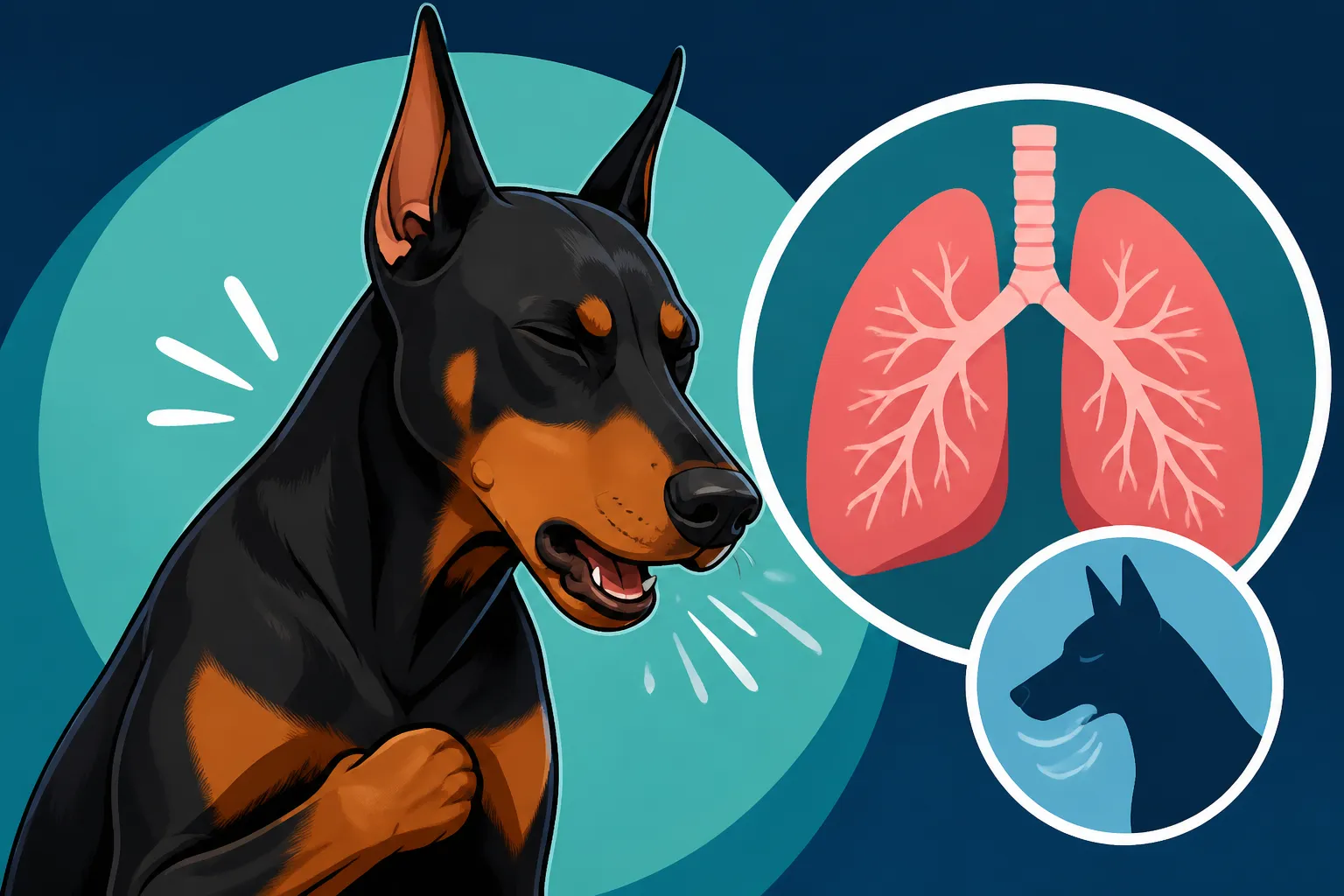
A cough in a Doberman can range from a soft, occasional hack to a deep, wrenching spasm that leaves them gasping. As Doberman owners, we're keenly aware of their unique health predispositions, and a cough is rarely "just a cough" without some consideration of the breed's specific vulnerabilities. It's so easy to dismiss it at first, thinking they swallowed something funny or picked up a mild cold, but with Dobermans, it's always wise to dig a little deeper, especially since it could be an early indicator of something more insidious.
Common Causes of Doberman Coughing
While Dobermans can certainly experience the same common respiratory infections as any other dog, such as canine influenza or tracheobronchitis (often called kennel cough), there are other concerns that jump to the forefront for our breed. For instance, an elongated soft palate, though more common in brachycephalic breeds, can sometimes contribute to a "reverse sneeze" or a chronic throat clearing, which can be confused with a cough. Allergies, too, can manifest as an irritating throat tickle, leading to repetitive coughing, especially if environmental allergens are high. You might notice your Doberman doing a sort of throat-clearing hack after coming in from outside, or when dust levels are high indoors.
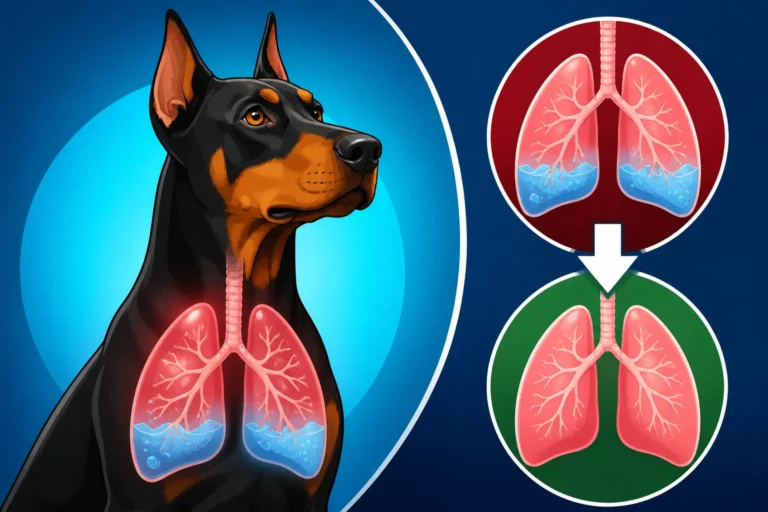
Beyond these everyday issues, we must always consider the cardiovascular system in Dobermans. A cough, particularly a soft, moist cough that often occurs at night or when your dog is lying down, can be a symptom of early heart disease. This is often the first hint that something is amiss internally, long before other more obvious signs appear. Why a Doberman Heart Fails Before Anyone Notices explores these subtle indicators in depth. The cough results from fluid building up in the lungs, pressing on the airways and causing irritation.
Distinguishing Different Cough Sounds
Paying close attention to the sound and timing of your Doberman's cough can offer valuable clues, though it's never a substitute for veterinary diagnosis.
- Dry, Hacking Cough: This often sounds like your Doberman is trying to clear something from their throat. It's frequently associated with upper respiratory infections like kennel cough or irritation from dust or allergens. If it's kennel cough, it might be paroxysmal, meaning intense bouts of coughing followed by gagging or retching.
- Soft, Wet, Productive Cough: A cough that sounds moist or bubbling is often indicative of fluid in the lungs, a strong red flag for cardiac issues, specifically congestive heart failure. This is the cough that most worries Doberman owners, particularly when it happens at rest.
- Gagging or Retching Cough: This could be a severe form of kennel cough, or it might suggest a foreign object stuck in the throat, an enlarged esophagus (megaesophagus), or even gastrointestinal reflux irritating the airway.
It's crucial to observe when the cough happens. Does it occur more after exercise, during excitement, when eating or drinking, or predominantly when resting? Each detail helps your vet narrow down the possibilities. If you have any doubt, don't hesitate to record the sound on your phone – it can be incredibly helpful for your veterinarian.
Environmental Factors and Allergies
Our Dobermans are sensitive souls, and their environment plays a huge role in their overall health, including their respiratory well-being. Just like us, they can react to irritants in the air. Common culprits include:
- Dust and Pollen: Especially during seasonal changes, high pollen counts can trigger allergic reactions manifesting as coughing, sneezing, and itchy skin. Indoor dust mites can be a year-round issue.
- Smoke and Chemical Fumes: Exposure to cigarette smoke, harsh cleaning chemicals, aerosol sprays, or even strong air fresheners can irritate your Doberman's sensitive respiratory passages. Their short, sleek coats don't offer much barrier, and they spend a lot of time low to the ground, where airborne particles settle.
- Mold and Mildew: Hidden mold in damp areas of your home can lead to chronic respiratory irritation and coughing, even in seemingly healthy dogs.
- Dry Air: In colder months, indoor heating can significantly dry out the air, leading to irritated mucous membranes and a dry cough, similar to how it affects humans. Using a humidifier can sometimes offer relief.
Keeping a clean home, using air purifiers, and avoiding strong chemical cleaners can go a long way in preventing these types of irritants from causing discomfort for your Doberman. If you suspect allergies, your vet might recommend antihistamines or further diagnostic testing to pinpoint the specific allergens.
When Breathlessness Becomes an Emergency in Dobermans
There's a distinct difference between a dog panting after a strenuous run and one struggling to breathe even at rest. When your Doberman shows signs of breathlessness, it's not just concerning; it's often a dire emergency that requires immediate veterinary attention. Their stoic nature means they often hide symptoms until they are quite advanced, so recognizing true respiratory distress is critical. You might feel a pang of guilt, wondering if you missed earlier signs, but remember, Dobermans are masters of masking discomfort.
Recognizing the Signs of Respiratory Distress
True breathlessness, or dyspnea, in a Doberman is more than heavy panting. It's a life-threatening situation. Look for these critical signs:
- Increased Respiratory Rate at Rest: Count breaths per minute when your dog is calm and sleeping. A normal resting rate is typically 15-30 breaths per minute. Anything significantly higher is a concern.
- Exaggerated Chest and Abdominal Movements: You'll see their sides heaving more than usual, and their belly might suck in with each breath.
- Open-Mouth Breathing and Flared Nostrils: While panting is normal, open-mouth breathing at rest, especially with lips pulled back and nostrils wide, indicates significant effort.
- Gasping or Labored Breathing: Audible wheezing, crackles, or a distressed pant can be heard.
- Neck Extended and Elbows Out: Your Doberman might adopt a posture where they stretch their neck forward and push their elbows away from their body, trying to open their airway.
- Blue-tinged Gums or Tongue (Cyanosis): This is a severe, late-stage sign of oxygen deprivation and is a definite emergency.
- Restlessness or Anxiety: They might pace, unable to get comfortable, or appear panicked because they can't breathe adequately.
- Fainting or Collapse: If a Doberman faints on a walk or collapses, it's an immediate life-or-death situation. This could be due to severe oxygen deprivation impacting the brain or a sudden cardiac event.
If you observe any of these symptoms, do not wait. Get your Doberman to an emergency vet immediately. Every second can count. It's worth having a plan for Emergency Vet Fees for a Collapsing Doberman, especially with our breed's health challenges.
The Alarming Link Between DCM and Breathing Difficulties
One of the most devastating realities for Doberman owners is the prevalence of Dilated Cardiomyopathy (DCM). This is a heart disease where the heart muscle weakens and enlarges, becoming less efficient at pumping blood. As the heart struggles, fluid can back up into the lungs, leading to pulmonary edema, which directly causes coughing and breathlessness. The Heart Disease That Reaches Most Dobermans is a critical read for any Doberman owner.
You might not see obvious signs of illness for years. This is the "occult" phase, where the disease is present but asymptomatic. However, as the disease progresses into congestive heart failure, fluid on a Doberman's lungs will become apparent. This is often when owners notice the soft, moist cough, especially when their dog is lying down, and then eventually, the breathlessness. This is why regular screening, including annual echo and Holter monitoring for a Doberman, is so vital; it can catch the disease before it escalates to life-threatening respiratory distress. Early detection can mean How Much Longer Early Treatment Buys a Doberman.
Many insurance providers, like Healthy Paws, emphasize early enrollment precisely because conditions like DCM can develop silently, and once diagnosed, it can become a pre-existing condition. Thinking ahead about Insuring a Doberman Before the Heart Turns is a smart move for all Doberman parents.
Other Serious Causes of Sudden Breathlessness
While DCM is a primary concern, other conditions can also cause severe breathing problems in Dobermans, some of which require equally urgent intervention:
- Pneumonia: Bacterial, viral, or fungal infections in the lungs can lead to inflammation and fluid accumulation, severely impairing breathing. This might follow a bout of kennel cough or other illness.
- Trauma: A chest injury, even from a seemingly minor accident, can cause a collapsed lung (pneumothorax) or bleeding into the chest cavity, both of which are critical.
- Pleural Effusion: This is simply the medical term for fluid accumulating around the lungs in the chest cavity, preventing them from expanding properly. It can be caused by heart failure, cancer, infection, or other systemic diseases.
- Tracheal Collapse: While more common in smaller breeds, some larger dogs, including Dobermans, can experience tracheal collapse, where the windpipe flattens, obstructing airflow. This often results in a harsh, goose-like honking cough.
- Laryngeal Paralysis: This condition, where the larynx (voice box) fails to open properly during inhalation, can cause a noisy, gasping breath and severe breathing difficulty, especially with exertion.
- Allergic Reactions/Anaphylaxis: A severe, sudden allergic reaction to an insect sting, food, or medication can cause swelling of the airways, leading to acute respiratory distress.
- Foreign Body Obstruction: If your Doberman inhales a small object – a piece of a chew toy, a stick, or even food – it can lodge in their airway or lungs, causing sudden coughing and breathlessness.
Given the range of serious possibilities, it's clear that breathlessness in a Doberman is never something to take lightly.
Diagnosing Respiratory Issues: What to Expect at the Vet
When your Doberman is coughing or struggling to breathe, the veterinary visit can feel overwhelming. It's a high-stakes situation, and you want answers and solutions quickly. Knowing what to expect during the diagnostic process can help you feel more prepared and advocate effectively for your Doberman's health. Your vet will follow a systematic approach to pinpoint the problem.
Initial Assessment and Diagnostic Tools
Upon arrival, especially in an emergency, your vet's first priority will be to stabilize your Doberman. This might involve administering oxygen, placing an IV catheter, and possibly giving medications to reduce inflammation or fluid. Once stable, or if the situation is less acute, a thorough examination will begin:
- Physical Exam: The vet will listen carefully to your Doberman's heart and lungs (auscultation), check their mucous membrane color, assess their respiratory rate and effort, and palpate their throat and chest. They'll be listening for murmurs, crackles, or unusual lung sounds.
- Bloodwork: A complete blood count (CBC) and biochemistry panel can provide insights into infection, inflammation, organ function, and overall health. A specific blood test, NT-proBNP, can be a valuable indicator of cardiac stress and heart failure, though it's not definitive on its own.
- Radiographs (X-rays): Chest X-rays are incredibly important. They can reveal fluid in the lungs (pulmonary edema), an enlarged heart, signs of pneumonia, masses in the chest, or a collapsed lung. Your vet can get a good idea of the severity and location of the problem from these images.
- Echocardiogram (Cardiac Ultrasound): If heart disease is suspected, an echocardiogram is the gold standard for diagnosing DCM. This non-invasive ultrasound allows a veterinary cardiologist to visualize the heart's size, function, and blood flow, confirming if the coughing and breathlessness are cardiac in origin. What a Doberman Echo Actually Measures explains the details of this crucial test. Many owners find that setting aside money for The Yearly Heart Bill for a Doberman is essential.
- Electrocardiogram (ECG) / Holter Monitor: An ECG assesses the electrical activity of the heart, looking for arrhythmias (irregular heartbeats). For Dobermans, a 24-hour Holter monitor is often recommended to detect intermittent arrhythmias, which are common in early DCM and might not be present during a brief clinic visit. Twenty-Four Hours of Holter on a Doberman can reveal a lot about cardiac rhythm.
Advanced Imaging and Specialist Consultations
Sometimes, initial diagnostics might not provide a clear answer, or the case is complex enough to warrant further investigation with a specialist.
- Bronchoscopy: This procedure involves inserting a tiny camera into the airways to visually inspect them for inflammation, foreign bodies, or structural abnormalities. Samples can also be collected for analysis.
- CT Scan: A computed tomography (CT) scan provides highly detailed cross-sectional images of the chest, offering a more in-depth view of lung tissue, airways, and surrounding structures than standard X-rays. This can be vital for identifying subtle tumors or widespread lung disease.
- Cardiology Specialist: If heart disease is confirmed or strongly suspected, your regular vet will likely refer you to a board-certified veterinary cardiologist. These specialists have advanced training and equipment to manage complex cardiac cases, including optimizing medication protocols and monitoring progression of DCM.
- Internal Medicine Specialist: For non-cardiac respiratory issues, an internal medicine specialist can offer expertise in diagnosing and managing complex lung diseases, chronic bronchitis, or immune-mediated conditions.
It's common for Doberman owners to feel a bit like medical detectives, piecing together information from various tests. Don't hesitate to ask your vet or specialist to explain findings in detail and discuss all available options.
Understanding Treatment Options
Treatment for coughing and breathlessness in Dobermans will depend entirely on the underlying cause.
For Cardiac-Related Coughing/Breathlessness (DCM):
- Diuretics: Medications like Furosemide are critical for removing excess fluid from the lungs, which directly alleviates breathlessness and coughing. Fluid on a Doberman's Lungs and How It Is Cleared discusses this in more detail.
- Pimobendan: This medication improves the heart's pumping ability and dilates blood vessels, easing the workload on a failing heart. It's often started even before symptoms appear in Dobermans with early DCM.
- ACE Inhibitors: Drugs like Enalapril help relax blood vessels and reduce fluid retention.
- Antiarrhythmics: If arrhythmias are present, medications like Sotalol or Mexiletine may be prescribed to stabilize the heart rhythm. Medication for a Doberman in the Occult Phase covers early interventions.
- Oxygen Therapy: In acute respiratory distress, oxygen supplementation is vital.
For Respiratory Tract Infections (e.g., Pneumonia, Kennel Cough):
- Antibiotics: For bacterial pneumonia or severe kennel cough.
- Antivirals: In specific cases of viral infections.
- Cough Suppressants: To provide comfort and reduce irritation, but only if the cough is dry and non-productive, and after ruling out conditions where suppressing a cough could be harmful (like fluid in lungs).
- Nebulization/Humidification: To help loosen secretions in the airways.
For Allergies/Irritants:
- Antihistamines or Steroids: To reduce allergic inflammation.
- Environmental Management: Removing allergens or irritants from the home.
The treatment plan will be tailored to your Doberman's specific diagnosis, severity of illness, and overall health status. Consistent follow-up appointments and medication adherence are key to successful management.
Managing and Preventing Respiratory Problems in Your Doberman
Living with a Doberman experiencing respiratory issues can be stressful, but there's a lot you can do at home, in conjunction with veterinary care, to improve their comfort and quality of life. Prevention, where possible, is always better than cure, especially for a breed with specific health challenges.
Home Care and Comfort Measures
Once your Doberman has a diagnosis and a treatment plan, your role at home becomes paramount.
- Medication Adherence: This sounds obvious, but consistency is critical. Set reminders, use pill organizers, and ensure your Doberman gets every dose exactly as prescribed. Never alter medication doses without consulting your vet.
- Monitor Breathing at Home: Continue to monitor your Doberman’s resting respiratory rate daily. Keep a log. Any sudden increase should prompt a call to your vet. Being able to calmly count their breaths while they’re asleep is a skill every Doberman owner should master.
- Provide a Calm, Comfortable Environment: Minimize stress, as excitement can worsen breathing difficulties. Ensure they have a comfortable, quiet place to rest. Elevated dog beds can sometimes help with positioning.
- Humidification: If dry air is contributing to a cough, a humidifier in the room where your Doberman sleeps can provide relief.
- Dietary Adjustments: For Dobermans with heart disease, your vet might recommend a low-sodium diet to help manage fluid retention. Discuss this thoroughly with your vet before making changes. While the debate around Whether Grain-Free Food Adds to Doberman DCM continues, always prioritize veterinarian-recommended diets for specific conditions.
- Controlled Exercise: Your vet will advise on appropriate exercise levels. For Dobermans with heart failure, strenuous activity will likely need to be severely curtailed or eliminated. Gentle, short walks on a harness are usually preferable to neck collars, to avoid any pressure on the trachea.
Long-Term Management and Lifestyle Adjustments
Managing chronic respiratory conditions, especially those linked to DCM, is a long-term commitment.
- Regular Veterinary Check-ups: These are crucial for monitoring progression and adjusting medications. Your Doberman will likely need routine blood tests to check kidney function (as some cardiac medications can impact kidneys) and electrolyte levels.
- Cardiologist Follow-ups: Regular visits to a veterinary cardiologist for repeat echocardiograms are essential to track heart function and optimize treatment. Screening an Older Doberman More Often becomes incredibly important as they age.
- Weight Management: Keeping your Doberman at a healthy weight is vital. Obesity puts extra strain on the heart and lungs, exacerbating breathing problems.
- Stress Reduction: Dobermans are highly sensitive dogs. Minimizing stressors in their environment can help prevent flare-ups of conditions like laryngeal paralysis or simply reduce anxiety that can worsen breathing.
- Harness Over Collar: For Dobermans prone to tracheal irritation or laryngeal issues, a well-fitting chest harness is always a better choice than a neck collar, which can put pressure on the trachea and neck.
These lifestyle adjustments are about giving your Doberman the best possible quality of life while managing their health challenges.
Preventative Strategies and Regular Check-ups
While some conditions, like inherited DCM, cannot be entirely prevented, early detection and general good health practices are your best defense.
- Choose a Reputable Breeder: This is perhaps the most impactful preventative step. A responsible Doberman breeder will health test their breeding stock for known genetic conditions, including cardiac screenings (echo and Holter), Von Willebrand Disease, and thyroid issues. They should be transparent about their dogs' health history and provide proof of testing. Reading a Doberman puppy's test certificates carefully is crucial.
- Routine Veterinary Care: Don't skip annual check-ups. Your vet can catch subtle changes early on. For Dobermans, annual heart screenings with an echocardiogram and Holter monitor should ideally begin around 2-3 years of age. The Age Doberman Heart Disease Usually Starts highlights the importance of these early screenings.
- Vaccinations: Keep your Doberman up-to-date on vaccinations, including those for canine influenza and kennel cough, to protect against infectious respiratory diseases.
- Parasite Prevention: Regular deworming and year-round heartworm prevention are essential. Heartworm disease, if contracted, can cause severe respiratory and cardiac issues.
- Environmental Control: As discussed, minimizing exposure to airborne irritants, smoke, and allergens can protect their respiratory system.
- Good Nutrition: A balanced, high-quality diet provides the building blocks for a strong immune system and overall health.
By being proactive, observant, and working closely with your veterinarian, you can provide the best possible care for your Doberman, even when faced with the challenges of coughing and breathlessness.
Disclaimer
The information provided in this guide is intended for educational purposes only and should not be considered a substitute for professional veterinary advice, diagnosis, or treatment. Always seek the advice of your qualified veterinarian with any questions you may have regarding a medical condition or the health and welfare of your Doberman.