A Doberman That Faints on a Walk
There are few things more terrifying for a Doberman owner than watching your beloved companion suddenly collapse and lose consciousness during a walk. That heart-stopping moment, seeing your powerful, graceful dog crumple without warning, can leave you reeling with fear and confusion. This guide is here to walk you through what might be happening if your Doberman faints during exercise, the critical steps you need to take, and how to work with your vet to get answers.
Understanding Fainting Syncope in Dobermans
When your Doberman faints, it's not just a momentary lapse; it's a dramatic event known as syncope. This isn't just about feeling dizzy; it's a temporary loss of consciousness and muscle strength, usually due to a sudden, significant decrease in blood flow to the brain. For a Doberman, a breed known for its robust energy and athleticism, such an event is particularly alarming and warrants immediate attention. It’s a clear signal that something isn't right within their system, and often, it points directly to issues with their heart.
The Alarming Nature of Collapsing Spells in Dobermans
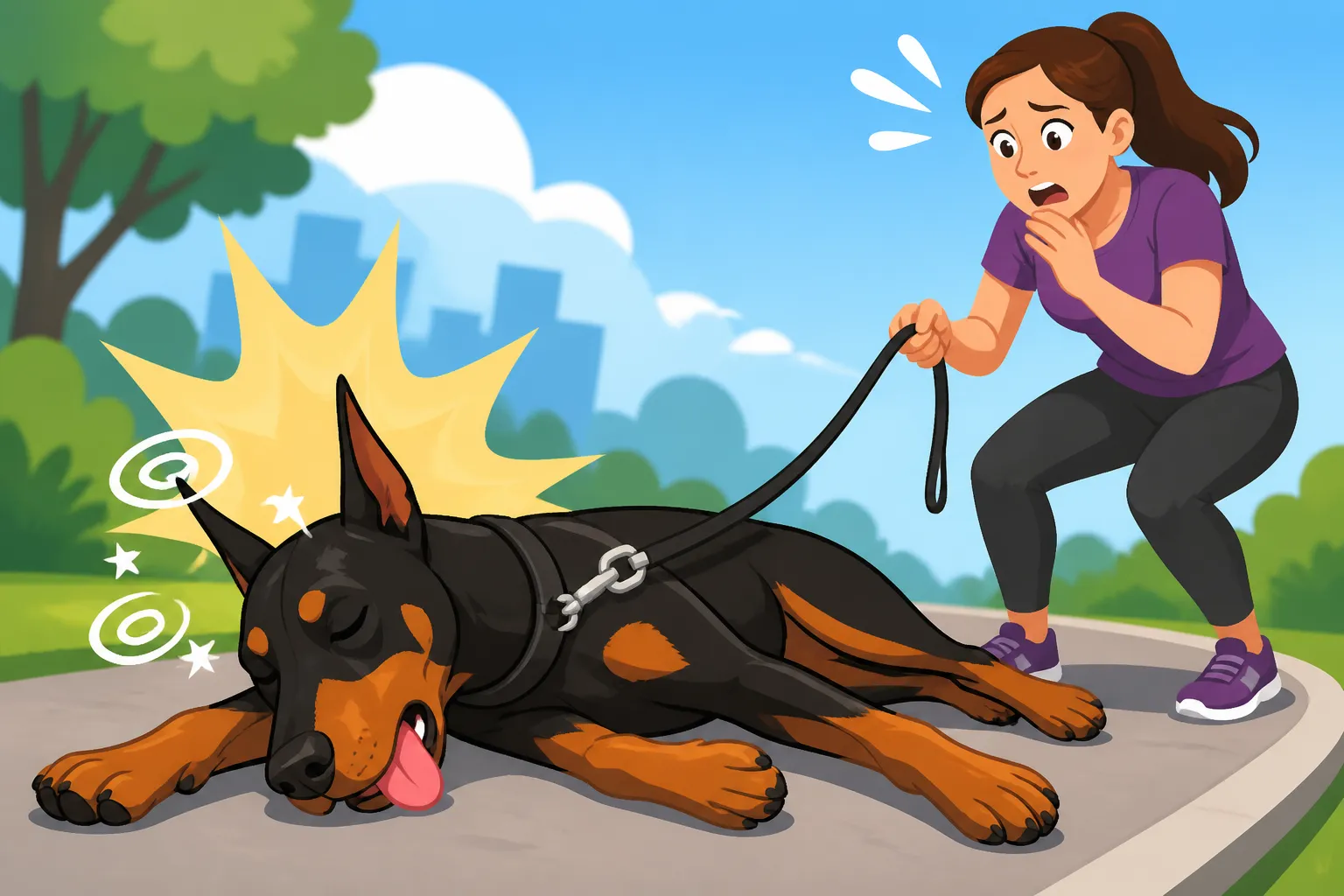
Imagine you're enjoying a brisk walk with your Doberman, perhaps a favorite route through a local park or a quiet neighborhood street. One moment they're trotting happily beside you, ears alert, tail gently swishing. The next, their legs give out from under them, their body goes limp, and they collapse to the ground. Their eyes might roll back, and they could even twitch, leading many owners to initially suspect a seizure. The episode is usually brief, often lasting only a few seconds to a minute, but the impact on a Doberman owner is profound. The sheer helplessness, coupled with the speed and unexpectedness of the event, can create a deep-seated anxiety about future walks and activities.
This isn't a minor issue you can brush off. A Doberman is a large, powerful dog, and a collapse can be dangerous not only for them but also for you if it happens unexpectedly, say, in traffic. Furthermore, the underlying cause is rarely benign. These episodes almost always indicate a serious health concern that needs urgent veterinary investigation.
Common Causes of Fainting Spells
While heart conditions are the most prevalent cause of syncope in Dobermans, it's important to understand the broader spectrum of possibilities. Other factors can also lead to a temporary loss of blood flow to the brain. These might include certain types of low blood sugar, severe anemia, or even extreme pain or excitement that triggers a vasovagal response, where the heart rate and blood pressure drop suddenly. Heatstroke, although typically presenting with other symptoms like heavy panting and disorientation, can also lead to collapse.
However, given the Doberman's genetic predispositions, a cardiac origin remains the top suspect. Conditions like irregular heart rhythms (arrhythmias) or structural heart problems can compromise the heart's ability to pump enough blood to meet the body's demands, especially during physical exertion. This is why even a single fainting episode, particularly during exercise, should immediately raise a red flag for heart health in this breed.
Differentiating Syncope from Seizures
It can be incredibly difficult in the moment to tell if your Doberman is having a seizure or a syncopal episode, as both involve collapse and loss of consciousness. However, there are subtle differences that your veterinarian will want to know about. A key differentiator is the recovery. With syncope, recovery is often very quick and complete; your Doberman might look a bit confused for a moment but is usually back to normal almost immediately, sometimes even trying to stand up and continue the walk as if nothing happened. There's typically no "post-ictal" phase (a period of disorientation, circling, or temporary blindness) that follows a seizure.
Seizures, on the other hand, often involve more pronounced and prolonged involuntary muscle activity, such as paddling legs, rigid spasms, or chomping, and a longer, more confused recovery period. They might vocalize during a seizure and can be disoriented for minutes or even hours afterward. While both are serious, understanding these distinctions helps your vet narrow down the diagnostic path. Documenting what you observe, even with a quick phone video if safe to do so, can provide invaluable information.
The Deep Dive into Doberman Heart Health and Fainting
For Dobermans, the conversation around fainting inevitably turns to their heart. This breed is tragically predisposed to certain cardiac conditions, which often manifest as syncope, especially during physical activity. It’s a cruel irony that a dog so full of life and vigor can harbor a silent threat within its most vital organ. Understanding this genetic vulnerability is crucial for every Doberman owner.
Dilated Cardiomyopathy DCM as a Primary Suspect
The most common and devastating heart disease in Dobermans is Dilated Cardiomyopathy (DCM). This condition causes the heart muscle to thin and weaken, making the heart chambers enlarge and lose their ability to pump blood effectively. It's a progressive disease, often having a long "occult" or hidden phase where there are no outward signs, even though the heart is slowly failing. During this occult phase, the heart develops electrical abnormalities called arrhythmias – irregular heartbeats that can be incredibly dangerous.
When a Doberman with occult DCM exercises, their heart struggles to keep up with the increased demand for blood flow. These arrhythmias can suddenly worsen, causing the heart to beat so inefficiently that not enough blood reaches the brain, leading directly to syncope. It's often the very first outward symptom an owner notices, a terrifying realization that the disease has progressed silently to a critical point. Many Dobermans develop DCM, and understanding the nuances of How Many Dobermans Develop DCM is essential for appreciating the breed's health challenges.
Other Cardiac Issues Leading to Fainting
While DCM is the big one, it's not the only cardiac culprit that can cause fainting in Dobermans. Other structural abnormalities, though less common, can also lead to compromised blood flow. For example, some Dobermans can develop valvular diseases where one of the heart valves doesn't open or close properly, leading to inefficient blood flow. Pericardial effusion, a condition where fluid builds up around the heart, can also restrict its ability to pump effectively, leading to collapse.
Another possibility, though less frequent in Dobermans than DCM, includes other forms of arrhythmias that aren't directly tied to DCM in its occult phase but can still disrupt the heart's rhythm enough to cause a fainting spell. Regardless of the specific cause, any cardiac issue that impedes the heart's ability to supply the brain with sufficient oxygenated blood can trigger syncope, especially when the body is under the stress of exercise.
The Importance of Early and Regular Cardiac Screening
Given the prevalence of DCM and other cardiac issues in Dobermans, proactive screening is not just recommended, it’s absolutely vital. Unfortunately, DCM can remain hidden for years, and The Silent Years Before a Doberman's Heart Shows are often the most deceptive. Regular screening, even in seemingly healthy dogs, can detect early signs before symptoms like fainting appear. This typically involves an annual echocardiogram (an ultrasound of the heart) and a 24-hour Holter monitor, which records the heart's electrical activity over an extended period. Many owners diligently follow a schedule for Annual Echo and Holter Screening for a Doberman.
These tests help a veterinary cardiologist assess heart size, function, and rhythm, allowing for early intervention. For instance, if significant arrhythmias are detected via a Holter, even without outward symptoms, medication may be prescribed. Catching these issues early can potentially extend a Doberman’s life and improve its quality of life by delaying the onset of more severe symptoms like fainting or full-blown heart failure. It’s an investment in your dog’s future and peace of mind.
Immediate Actions When Your Doberman Faints
Witnessing your Doberman collapse can be incredibly frightening, and it's natural to panic. However, your quick, calm response can make a significant difference. Knowing what to do in those critical moments, and what steps to take immediately afterward, is paramount for your dog's safety and your ability to provide vital information to your veterinarian.
First Aid Steps During a Fainting Episode
If your Doberman faints during a walk, your primary goal is to ensure their immediate safety and help them recover.
- Stay Calm and Secure the Area: First, and most importantly, remain calm. Panicking won't help your dog. If you are near a road or other hazards, gently move your Doberman to a safe, quiet spot. If possible, have someone help you direct traffic or keep other dogs away.
- Position Your Dog: Lay your Doberman on their side, with their head slightly lower than their body if possible, to encourage blood flow to the brain. This is often their natural recovery position anyway.
- Check for Breathing: Observe if they are breathing. If they are not breathing or their breathing is very shallow, you may need to administer CPR, but this is rare with syncope as the episodes are typically very brief.
- Cool Them Down (If Applicable): If it's a hot day, and you suspect heat may be a factor, try to cool them down gently. Move them into the shade immediately. You can wet their paws and ears with cool (not ice-cold) water. However, focus on recovery first.
- Observe and Time: Note the exact time the episode started and how long it lasted. Observe any other symptoms: did they twitch, urinate, vocalize? What was their breathing like? Did their gums look pale or bluish? This information is critical for your vet. Many Dobermans also experience A Doberman That Faints on a Walk multiple times, so documentation helps track patterns.
Recovery from a syncopal episode is usually swift. Your Doberman should regain consciousness within seconds to a minute. Do not try to force them to stand or walk immediately.
Post-Episode Care and Observation
Once your Doberman has regained consciousness and seems to be "back to normal," the incident isn't over. Your continued observation is incredibly important.
- Rest is Key: Do not try to continue your walk. Immediately cut the walk short and head home as calmly and directly as possible. If your Doberman is too large or weak to walk, be prepared to carry them or call for help to transport them.
- Monitor at Home: Once home, provide a quiet, comfortable space for them to rest. Avoid excitement or further exertion. Continue to monitor their breathing, heart rate (if you know how to check it), and overall demeanor. Are they still confused, or completely normal? Are they eating and drinking normally?
- Document Everything: Write down everything you observed during and after the episode. This includes the time, duration, symptoms, and anything unusual about their behavior before or after. Take videos if another episode occurs and it's safe to do so. This meticulous detail will be invaluable to your vet.
- Contact Your Vet: Even if your Doberman seems completely fine afterward, you must contact your veterinarian immediately. Do not wait for another episode. This is an urgent matter.
When to Seek Emergency Veterinary Attention
While all fainting spells warrant veterinary attention, some situations call for immediate emergency care rather than waiting for an appointment.
- Prolonged Unconsciousness: If your Doberman remains unconscious for more than a minute or two, or if they are difficult to rouse.
- Difficulty Breathing: If they are struggling to breathe, gasping, or their gums are blue or gray.
- Persistent Weakness or Disorientation: If, after regaining consciousness, they remain profoundly weak, unable to stand, or severely disoriented for an extended period.
- Repeated Episodes: If they have multiple fainting episodes in a short period.
- Other Severe Symptoms: If the fainting is accompanied by severe vomiting, diarrhea, uncontrolled bleeding, or signs of extreme pain.
In these scenarios, don't hesitate. Call your nearest emergency veterinary clinic while you are on your way, so they can be prepared for your arrival. Every second counts when a Doberman collapses due to a potential cardiac crisis.
Navigating Veterinary Care and Diagnosis
Once your Doberman has experienced a fainting spell, the journey into veterinary diagnostics begins. This can be a stressful, confusing, and potentially expensive time, but it's absolutely crucial for understanding the underlying cause and formulating a treatment plan. Being prepared for this process can help you advocate effectively for your Doberman.
Gathering Information for Your Veterinarian
The more information you can provide your vet, the better equipped they will be to make an accurate diagnosis. Before your appointment, take some time to organize your thoughts and observations.
- Detailed Incident Report: As mentioned, write down everything. Times, duration, what happened before, during, and after the fainting episode. Did it happen during intense exercise, or just a casual stroll? Was your dog excited?
- Medical History: Compile your Doberman's full medical history, including vaccination records, any previous illnesses or surgeries, and a list of all current medications and supplements.
- Diet and Exercise Routine: Be prepared to describe their typical daily routine, including diet, exercise intensity and duration, and any recent changes to either.
- Family History: If you know it, share any family history of heart disease, sudden death, or other health issues in your Doberman's lineage. This can be particularly relevant for breeds like Dobermans.
- Previous Screening Results: If your Doberman has had any cardiac screenings (echos, Holters) in the past, bring those results. Even old "normal" results are helpful context.
This detailed information will help your vet piece together the puzzle and decide which diagnostic tests are most appropriate.
Key Diagnostic Tests for Fainting Dobermans
When a Doberman faints, particularly during activity, the diagnostic focus will heavily lean towards cardiac investigation. Here's what you can generally expect:
- Thorough Physical Exam: Your vet will start with a comprehensive physical exam, listening to their heart for murmurs or abnormal rhythms, checking pulse quality, and assessing overall condition.
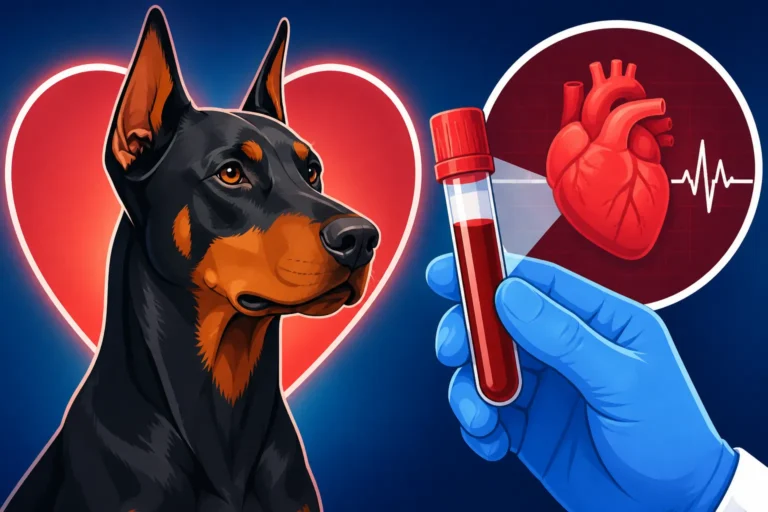
- Bloodwork: This will include a complete blood count (CBC) to check for anemia or infection, and a biochemistry panel to assess organ function, electrolytes, and blood sugar levels. A specific blood test, proBNP, can be particularly useful as The Blood Test That Flags a Doberman Heart, indicating heart stretch or stress.
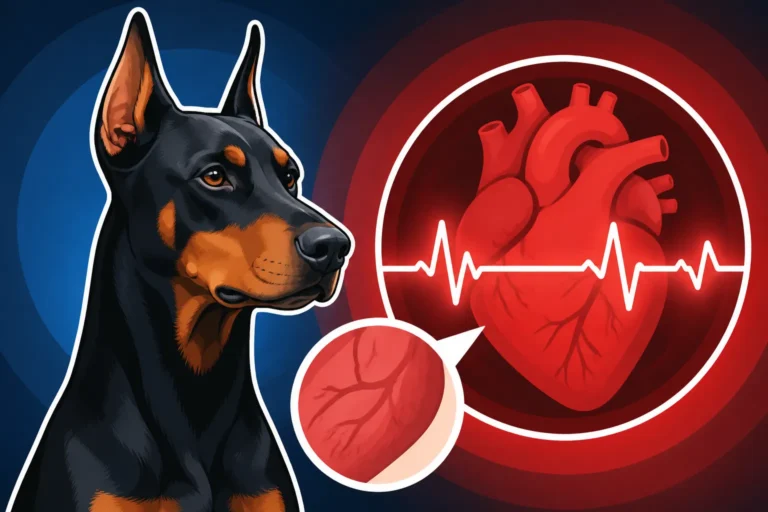
- Electrocardiogram (ECG/EKG): This measures the electrical activity of the heart and can detect arrhythmias. A resting ECG might not catch intermittent arrhythmias, however.
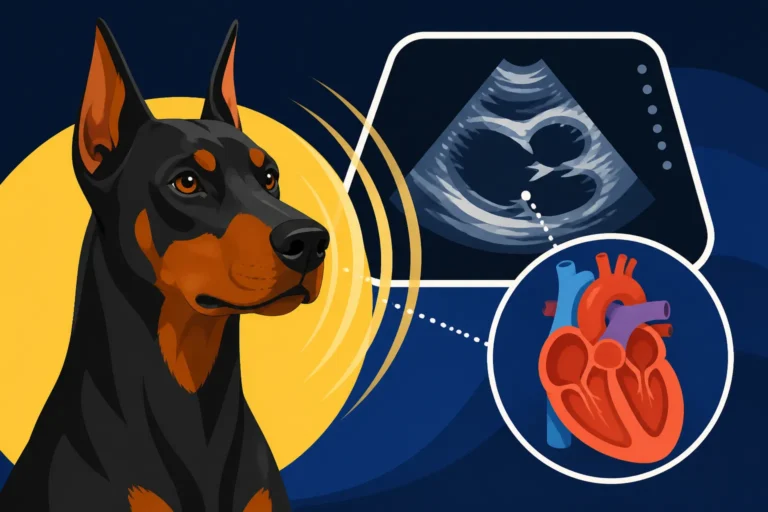
- Echocardiogram: This is a crucial diagnostic tool. It's an ultrasound of the heart that allows the vet to visualize the heart's structure, measure chamber sizes, assess valve function, and evaluate the pumping strength of the heart muscle. This is key for diagnosing DCM or other structural abnormalities.
- Holter Monitor: Often considered the gold standard for detecting intermittent arrhythmias, a Holter monitor is a portable ECG device that your Doberman wears for 24-48 hours at home. This provides a continuous recording of their heart rhythm over normal daily activities, which is much more likely to catch the sporadic, dangerous arrhythmias that cause fainting. Twenty-Four Hours of Holter on a Doberman can reveal critical insights that a short in-clinic ECG might miss.
- Chest X-rays: These can help assess heart size and shape, and check for fluid in the lungs, which can indicate heart failure.
| Diagnostic Test | Purpose | What it Reveals |
|---|---|---|
| Physical Exam | Overall health assessment, initial heart check | Murmurs, abnormal rhythms, general condition |
| Bloodwork (CBC, Chem, proBNP) | Organ function, electrolytes, anemia, blood sugar, heart stress | Underlying systemic issues, heart muscle stretch |
| Electrocardiogram (ECG) | Measures heart's electrical activity | Arrhythmias, heart rate, rhythm irregularities |
| Echocardiogram | Ultrasound of the heart | Heart structure, size, valve function, pumping ability |
| Holter Monitor | 24-48 hour continuous ECG recording | Intermittent arrhythmias, frequency, severity |
| Chest X-rays | Imaging of heart and lungs | Heart enlargement, fluid in lungs (heart failure) |
Managing the Emotional and Financial Impact
Receiving a diagnosis of a serious heart condition like DCM for your Doberman can be emotionally devastating. It's important to allow yourself to feel those emotions and seek support from friends, family, or online Doberman communities. Remember, you're not alone in this; many Doberman owners walk this difficult path.
Financially, the diagnostic process and subsequent long-term treatment can be substantial. Emergency visits, specialist consultations, repeated cardiac screenings, and daily medications can add up quickly. This is where pet insurance can be an absolute lifesaver. Companies like Healthy Paws offer comprehensive coverage that can significantly alleviate the financial burden, especially if your Doberman was enrolled before any signs of illness appeared. Many owners wish they had considered Insuring a Doberman Before the Heart Turns. The yearly heart bill for a Doberman can be considerable, making preventative financial planning crucial. Always review policy details carefully to understand what is covered.
Living with a Doberman Prone to Fainting
A diagnosis of a condition that causes syncope, especially a cardiac one, means a significant shift in how you manage your Doberman's life. It's about proactive management, diligent medication, and often, some challenging lifestyle adjustments. While it can be daunting, many Dobermans can still live fulfilling lives with the right care.
Treatment Options for Underlying Causes
The specific treatment plan for your Doberman will depend entirely on the underlying cause of the fainting. If it's a cardiac issue like DCM, medication will become a cornerstone of their care.
- Antiarrhythmics: If the fainting is due to dangerous arrhythmias, antiarrhythmic drugs are prescribed to stabilize the heart's rhythm. These might include medications like sotalol or mexiletine.
- Pimobendan: This medication, often given even in the occult phase of DCM, helps the heart muscle contract more efficiently and dilates blood vessels, making it easier for the heart to pump. Pimobendan Before a Doberman Shows Signs is a common early intervention.
- ACE Inhibitors: These drugs help to relax blood vessels, reducing the workload on the heart.
- Diuretics: If the heart condition has progressed to heart failure, diuretics like furosemide help remove excess fluid from the body, particularly from the lungs, to ease breathing difficulties. Fluid on a Doberman's Lungs and How It Is Cleared is a crucial step in managing heart failure.
- Supplements: Your vet or cardiologist might recommend certain supplements, such as taurine and L-carnitine, although their efficacy for Doberman DCM is still debated unless a deficiency is specifically identified.
- Managing Other Conditions: If a non-cardiac issue is found (e.g., severe anemia), treatment will target that specific problem.
It's vital to administer all medications exactly as prescribed and to never alter doses without veterinary consultation. Regular follow-up appointments with your cardiologist will be necessary to monitor their condition and adjust medications.
Lifestyle Adjustments and Exercise Considerations
Managing a Doberman with a propensity for fainting means re-evaluating their daily life, especially their exercise routine.
- Controlled Exercise: High-intensity exercise or prolonged exertion, which can trigger syncopal episodes, will likely need to be curtailed. Instead of long, strenuous runs, think shorter, more frequent, gentle walks. Monitoring your dog closely for signs of fatigue or distress is crucial. Your vet or cardiologist will give you specific recommendations on Whether a Doberman With DCM Should Exercise.
- Avoid Over-Excitement: Stress and excitement can also trigger arrhythmias. Try to keep their environment calm and predictable. Minimize situations that lead to extreme emotional responses.
- Weight Management: Keeping your Doberman at a healthy weight is important, as extra weight puts more strain on the heart.
- Dietary Considerations: Follow any dietary recommendations from your vet, especially if heart failure is present, which might require a low-sodium diet. You might also want to explore Whether Grain-Free Food Adds to Doberman DCM with your vet, as there have been discussions around this topic.
- Temperature Regulation: Avoid walks or intense play during the hottest parts of the day, as heat can exacerbate cardiac issues. Ensure they always have access to fresh water.
- Harness Over Collar: If your Doberman is prone to sudden collapses, a chest harness can be safer than a collar, preventing neck injury if they fall.
These adjustments are not about denying your Doberman a happy life but about tailoring their activities to protect their heart and prevent dangerous episodes.
The Reality of Living with a Doberman with a Cardiac Condition
Living with a Doberman diagnosed with a cardiac condition like DCM that causes fainting spells is a challenging reality. There will be good days and bad days. You might find yourself constantly vigilant, watching for any sign of trouble. The reality is that DCM is progressive, and while medications can manage symptoms and improve quality of life, they do not cure the disease.
The prognosis varies widely, and while some Dobermans can live for years after diagnosis, others may decline more rapidly. Discussing How Long a Doberman Lives After a DCM Diagnosis with your cardiologist can help set realistic expectations. It's a journey filled with love, dedication, and often, heartbreak. Focus on providing the best possible quality of life, cherishing every moment, and ensuring they are comfortable and happy. Remember to lean on your veterinary team and any support networks you build; they are there to help you navigate this difficult path.
Disclaimer
This article is intended for informational purposes only and does not constitute medical advice. Always consult with a qualified veterinarian or veterinary cardiologist for any health concerns or before making any decisions about your Doberman's care.