Whether Fawn Dobermans Lose Coat Too
It's incredibly frustrating and disheartening to see your beloved Doberman's beautiful coat thinning, becoming dull, and developing flaky patches, especially when you've done everything right. Many assume this is primarily a problem for blue Dobermans, but fawn Doberman owners often face the exact same challenges. This guide is here to shed light on why fawn Dobermans are indeed susceptible to coat loss, what causes it, and how we can best support our fawn companions through this challenging, often misunderstood condition.
The Genetic Basis of Fawn Doberman Coat Loss
When we talk about Doberman coat loss, especially in dilute colors, we're almost always referring to a condition called Color Dilution Alopecia, or CDA. It sounds like a mouthful, but understanding the genetics behind it is key to accepting and managing the condition in our fawn Dobermans.
Understanding Color Dilution Alopecia (CDA)
Color Dilution Alopecia is a genetically inherited condition that primarily affects dogs with dilute coat colors, which includes both blue and fawn Dobermans. It's not just a superficial issue; it's rooted deep in the very structure of the hair follicle. Essentially, the gene responsible for diluting the dog's coat color (turning black to blue or red to fawn) also causes the pigment granules in the hair shaft to clump abnormally. Instead of being evenly distributed, these melanin clumps create structural weaknesses in the hair. Imagine a perfectly smooth pipe versus one with lumps and bumps inside – the lumpy pipe is far more prone to breaking and malfunctioning.
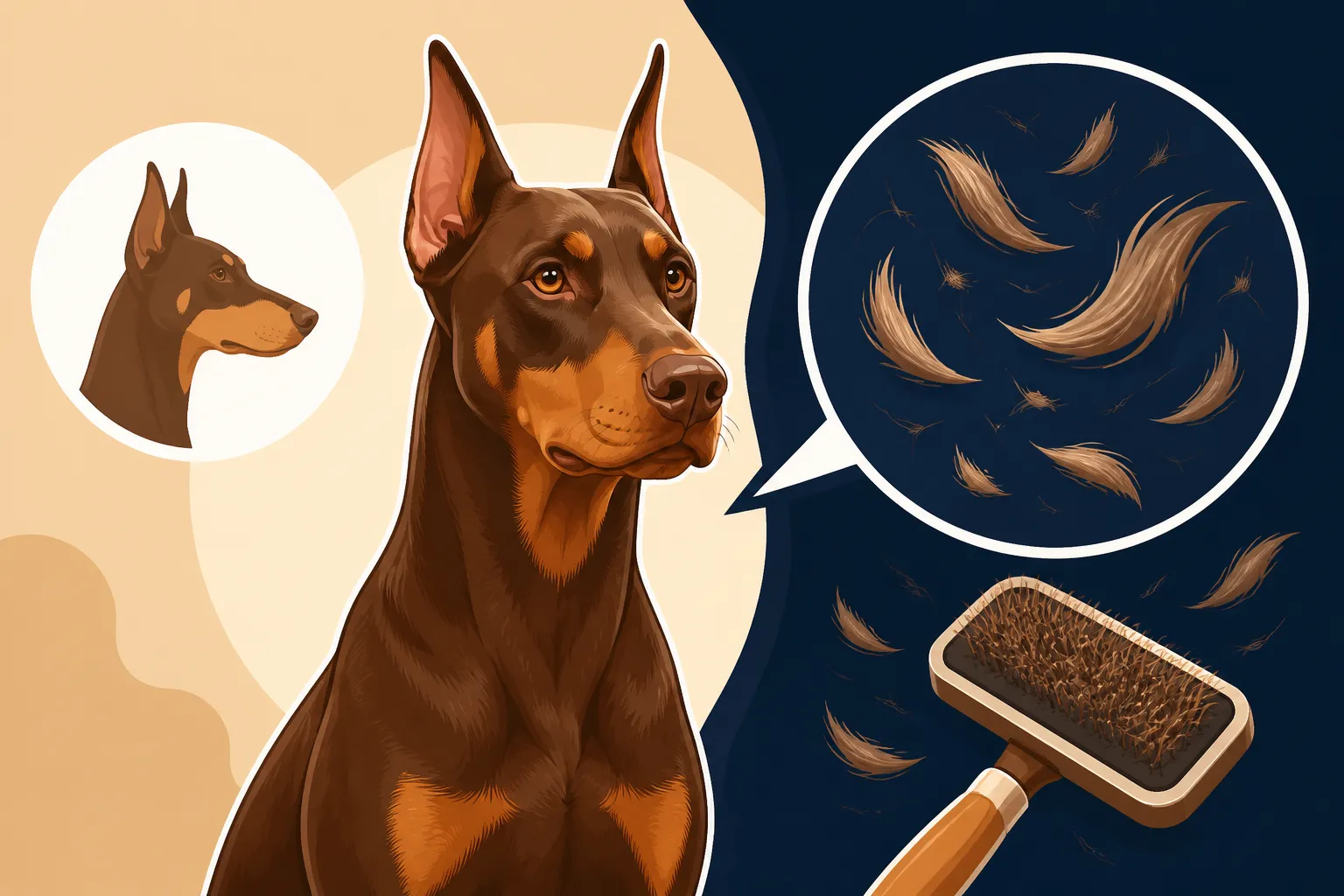
For our Dobermans, this means their hair shafts become fragile and brittle. They break easily, fall out, and often fail to regrow properly. The result is a thinning coat that can progress to complete baldness in affected areas. While it’s often associated with blue Dobermans, leading to discussions about topics like Hair Loss on a Blue Doberman and Thinning Coat on a Blue Doberman Puppy, it’s crucial to understand that fawn Dobermans are equally impacted because they share a similar genetic predisposition to pigment clumping. This isn't just a cosmetic flaw; it's a structural defect in the hair and skin, making the affected areas more vulnerable to secondary issues.
Why Fawn Dobermans Are Equally Vulnerable
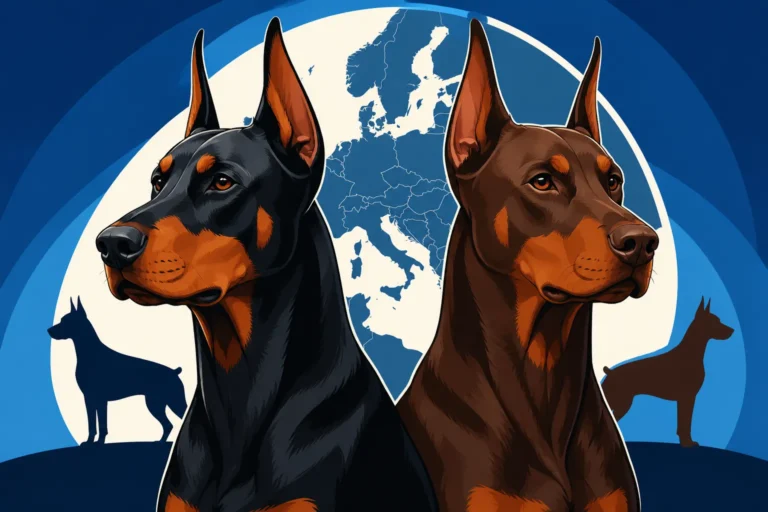
It's a common misconception that only blue Dobermans suffer from significant coat loss. The truth is, fawn Dobermans are just as susceptible to the effects of the dilution gene that causes CDA. Fawn is essentially a diluted red color, just as blue is a diluted black. Both colors occur because the dog carries two copies of the recessive dilution gene (d/d). This gene affects how melanin, the pigment that gives hair its color, is distributed within the hair shaft.
In both blue and fawn Dobermans, this dilution gene leads to the abnormal clumping of pigment granules within the hair. These clumps weaken the hair shaft, making it fragile and prone to breakage. This vulnerability means that fawn Dobermans experience the same issues with fragile fur, poor regrowth, and ultimately, coat loss, just as their blue counterparts do. The mechanism is identical. Therefore, when you see a fawn Doberman with a patchy or thin coat, it's not a different problem from that faced by blue Dobermans; it's the very same underlying genetic condition. In fact, if you're curious about the general prevalence across these dilute colors, you might want to read more about How Common Coat Loss Is in Fawn Dobermans.
Recognizing the Signs and Progression of Coat Loss
Spotting CDA in your fawn Doberman isn't always immediate, as the signs can be subtle at first and then gradually worsen. Understanding what to look for can help you seek veterinary advice sooner and start managing the condition proactively.
Early Indicators in Fawn Doberman Puppies and Young Adults
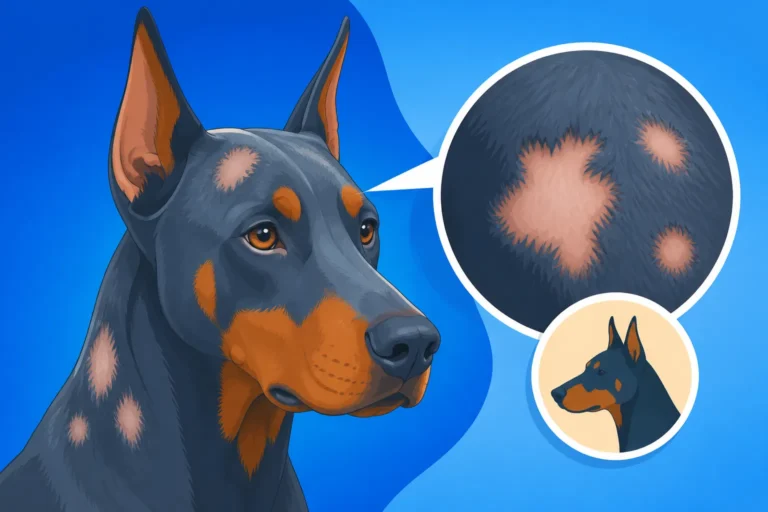
The first signs of CDA in a fawn Doberman can appear anywhere from early puppyhood to a few years of age, though it typically manifests by the time they are one to three years old. You might notice a subtle thinning of the coat, particularly on the back, flanks, and sometimes the neck. The fur might lose its natural luster, appearing dull or "dry." It can look almost like your Doberman has a perpetual bad hair day, with the coat feeling coarse to the touch. Sometimes, owners describe it as a "moth-eaten" appearance because the thinning isn't always uniform, leading to patchy areas.
Beyond the visible coat changes, you might also observe changes in the skin itself. The skin in affected areas can become dry, flaky, and sometimes itchy. This flaking isn't just dandruff; it's a sign of a compromised skin barrier, which is a common precursor to secondary problems. Owners often wonder about the specific timeline for such conditions, and while every dog is different, the progression can be similar to what's discussed in articles like The Age a Blue Doberman Starts Losing Hair. Keeping a close eye on these early indicators is crucial because the sooner you recognize the problem, the sooner you can start supportive care.
Secondary Skin Issues and Complications
The primary issue of fragile hair shafts and coat loss is just the tip of the iceberg for fawn Dobermans with CDA. The exposed, compromised skin that results from thinning hair creates an ideal environment for a host of secondary problems. Without the protective barrier of a full, healthy coat, the skin becomes incredibly vulnerable. We're talking about skin that’s more prone to becoming dry, inflamed, and even developing comedones – those pesky blackheads you might see in human acne.
This weakened skin barrier is an open invitation for opportunistic bacteria and yeast. It’s incredibly common for affected Dobermans to develop bacterial skin infections (pyoderma) or yeast infections. These can manifest as red bumps, pustules, scabs, and areas of intense itching, leading your dog to scratch, lick, and chew themselves, making the problem worse. This constant irritation and inflammation not only cause significant discomfort for your Doberman but also contribute further to hair loss and damage the existing hair follicles. These recurrent infections often require ongoing veterinary treatment, which can be both emotionally and financially draining. Understanding these complications is vital, and you can find more in-depth information on managing such issues in related articles like Skin Infections in a Bald Doberman.
Managing and Living With a Fawn Doberman With CDA
Once your fawn Doberman has been diagnosed with CDA, it's important to understand that there isn't a "cure" in the traditional sense, as it's a genetic condition. However, with consistent and dedicated management, you can significantly improve your dog's comfort and quality of life.
Veterinary Care and Diagnosis
The first step in managing suspected coat loss in your fawn Doberman is a thorough veterinary examination. Your vet will typically start by taking a detailed history and performing a physical exam, looking for characteristic patterns of hair loss and skin changes. While the clinical signs in a fawn Doberman (thinning coat, dry skin, recurrent infections, especially on the back and flanks) are often highly suggestive of CDA, your vet will want to rule out other potential causes of hair loss or skin issues. These might include parasitic infestations like mites, fungal infections like ringworm, allergies, or hormonal imbalances.
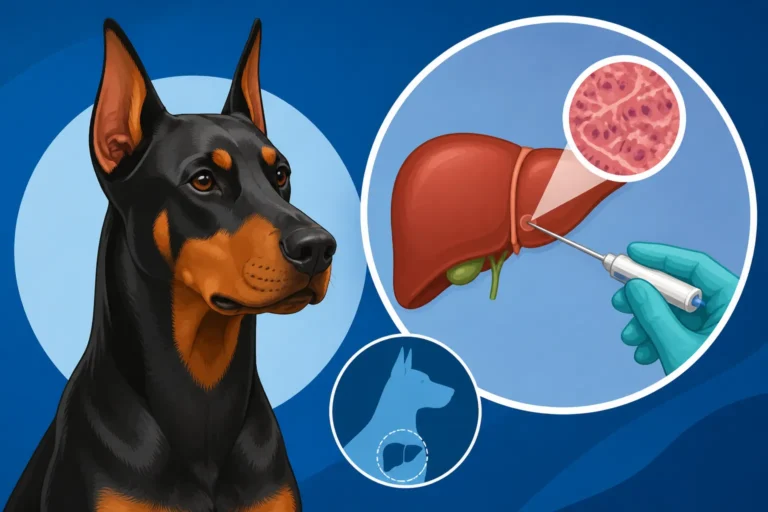
Sometimes, a skin biopsy is performed to confirm the diagnosis, which involves taking a small tissue sample from an affected area for microscopic examination. This can reveal the characteristic clumping of melanin in the hair shafts and follicles that is definitive for CDA. However, many vets familiar with Doberman health may diagnose based on clinical signs alone, especially if other causes have been ruled out. Establishing a strong relationship with a veterinarian who understands Doberman-specific health challenges, particularly those related to dilute colors, is invaluable. They can guide you through the process and help create a personalized management plan.
Long-Term Treatment Strategies and Support
Living with a fawn Doberman with CDA means committing to a lifelong management routine focused on supporting skin health and preventing secondary infections. There are several strategies you can employ:
- Topical Therapies: Regular bathing with specialized medicated shampoos and conditioners is often a cornerstone of treatment. These products can help moisturize dry skin, remove scales, and manage bacterial or yeast overgrowth. Your vet might recommend specific formulations designed for sensitive or compromised skin. Consistent bathing, often weekly or bi-weekly, can make a huge difference, as explored in articles like Shampoo That Helps a Bald Doberman or Medicated Baths for a Doberman With Coat Loss.
- Dietary Support and Supplements: A high-quality diet rich in omega-3 and omega-6 fatty acids can support skin barrier function and reduce inflammation. Supplements containing these fatty acids, such as fish oil, are frequently recommended. Some veterinarians also suggest vitamin A supplementation, as it plays a role in skin health, but this should always be done under veterinary guidance. While some owners look into remedies like melatonin, the effectiveness of Whether Melatonin Helps Doberman Coat Loss varies widely and isn't a guaranteed fix.
- Environmental Management: Protecting your Doberman's sensitive skin from environmental irritants and sun exposure is vital. In colder climates, a soft coat can help prevent skin irritation and keep your Doberman warm, as their thin coat offers little insulation. When outdoors, particularly in sunny weather, applying Sun Protection for a Thin-Coated Doberman can prevent sunburn on exposed skin, which is a real risk for areas with significant hair loss.
- Medication for Secondary Infections: When bacterial or yeast infections flare up, your Doberman will likely need antibiotics or antifungals, either orally or topically. Prompt treatment is crucial to prevent these infections from becoming more severe and causing further discomfort.
- Pet Insurance: Managing a chronic condition like CDA, with its ongoing vet visits, specialized products, and potential need for recurring medications, can certainly add up financially. This is where pet insurance providers like Healthy Paws can be a true lifesaver. Having a policy with Healthy Paws can help ease the burden of these costs, allowing you to focus on giving your Doberman the best possible care without constant worry about your budget. They can cover diagnostics, medications, and specialized treatments, making a huge difference in long-term management.
It's important to have realistic expectations regarding treatment. While supportive care can dramatically improve comfort and minimize secondary issues, it won't typically regrow a full, dense coat once significant loss has occurred. This is why it's wise to consider topics like Whether Coat Loss in a Doberman Can Be Treated with a focus on management rather than a complete reversal.
Ethical Considerations for Breeders and Owners
The presence of CDA in fawn Dobermans raises significant ethical questions for both breeders and prospective owners. For breeders, responsible practices dictate a clear understanding of the genetics involved. Since CDA is an inherited condition, breeders of fawn Dobermans should be transparent about the potential for this condition in their lines. Ideally, breeding pairs should be carefully selected to minimize the risk, though completely eliminating the dilution gene from dilute color lines would mean discontinuing those colors. Reputable breeders will prioritize health and openly discuss the challenges of maintaining coat quality in dilute Dobermans, ensuring they are not breeding affected individuals.
For prospective owners considering a fawn Doberman puppy, it's paramount to educate yourself thoroughly. Understand that while a fawn Doberman is undeniably stunning, there's a higher likelihood of managing CDA at some point in their life compared to black or red Dobermans. Ask breeders about the health history of the parents and any previous litters regarding coat issues. Be prepared for the commitment of time and resources that a dog with CDA might require for ongoing skin and coat care. Accepting this potential challenge upfront means you can provide the loving, informed care your fawn Doberman deserves, regardless of how their coat develops.
The Emotional Toll on Owners
Dealing with a Doberman affected by Color Dilution Alopecia isn't just a matter of managing physical symptoms; it often carries a significant emotional weight for owners. It's a journey filled with unique challenges that can impact both you and your beloved companion.
Dealing with Appearances and Misconceptions
One of the most challenging aspects for owners of fawn Dobermans with CDA is navigating public perception and dealing with their dog's altered appearance. A Doberman is a striking, elegant breed, and when their coat is thinning, patchy, or covered in flakes, it can drastically change how they are perceived. You might encounter well-meaning but ill-informed comments from strangers who might assume your dog is neglected, has fleas, or is suffering from some terrible, contagious disease. This can be incredibly frustrating and upsetting, as you know the immense care and effort you pour into your Doberman's well-being.
Your Doberman might look "scruffy" or less refined than the sleek image many associate with the breed. This can lead to feelings of sadness or even embarrassment, even though it's absolutely not your fault. It's important to remember that your Doberman's worth and your bond are not defined by the perfection of their coat. Focusing on their comfort and health, rather than their outward appearance, is key. Many owners find solace in educating others about CDA, turning what could be a negative interaction into an opportunity for advocacy and awareness.
The Financial and Time Commitment
Beyond the emotional challenges, the practical realities of managing a fawn Doberman with CDA involve a considerable financial and time commitment. This isn't a one-time vet visit; it's an ongoing, chronic condition that requires consistent attention. You'll likely face recurring costs for specialized shampoos, conditioners, moisturizers, and potentially prescription medications for flare-ups of secondary infections. Regular veterinary check-ups to monitor skin health and adjust treatment plans are also essential, and these add up over time.
Consider the time spent on frequent medicated baths, topical treatments, and meticulously applying sun protection to bare areas – this all becomes part of your routine. These tasks can be time-consuming, but they are crucial for keeping your Doberman comfortable and preventing more severe complications. This is precisely why considering pet insurance early in your Doberman's life is so beneficial. A comprehensive policy, such as those offered by Healthy Paws, can significantly alleviate the financial stress associated with chronic conditions like CDA, covering a substantial portion of the veterinary bills for diagnostics, medications, and ongoing treatments. It empowers you to make treatment decisions based on what's best for your Doberman, rather than being solely driven by cost. The dedication you show in managing this condition is a testament to the love you have for your Doberman, proving that even with challenges, they are cherished members of your family.
Disclaimer
The information provided in this article is for educational purposes only and is not intended to be a substitute for professional veterinary advice. Always consult with a qualified veterinarian for any health concerns or before making any decisions related to your Doberman's health and well-being.