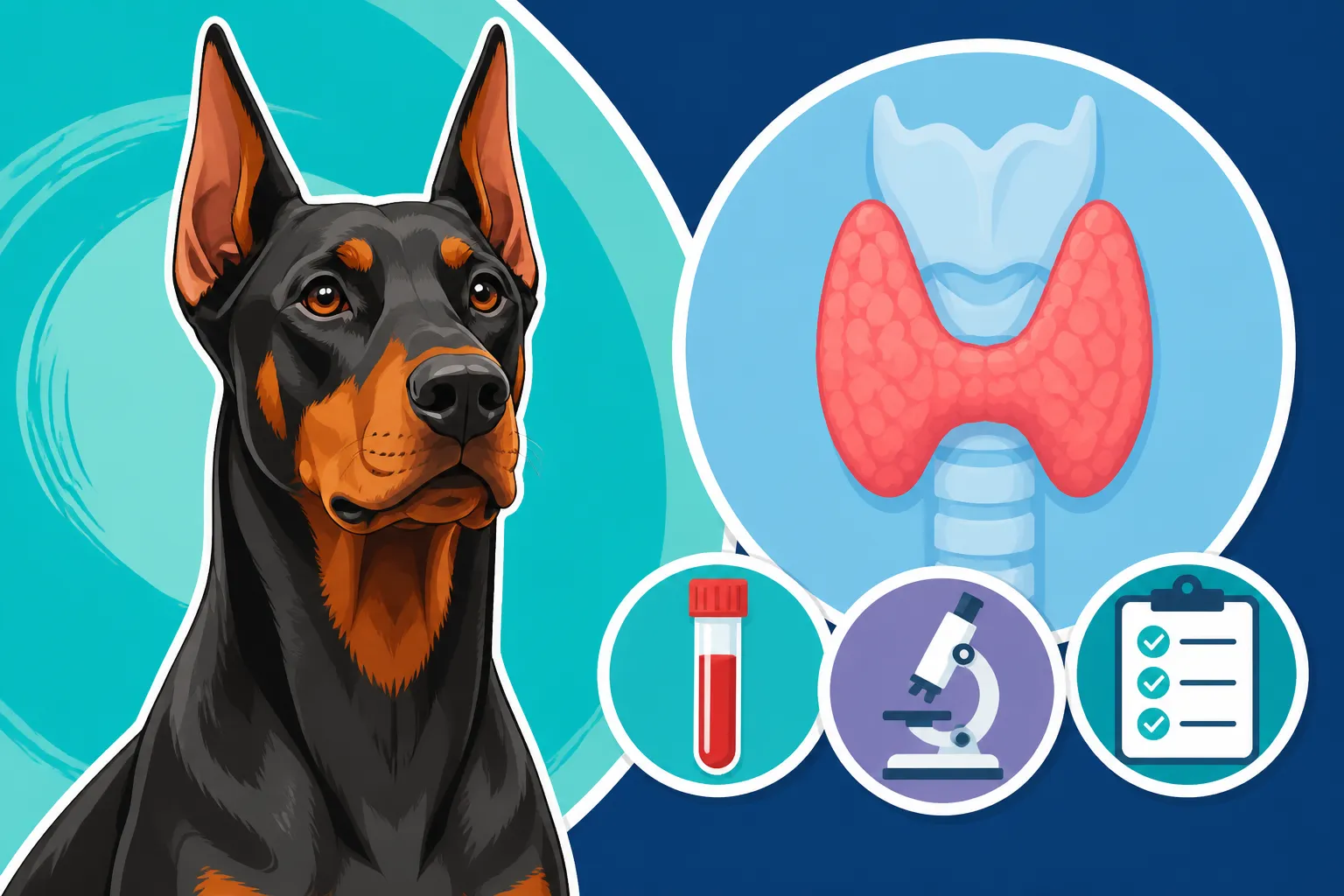
Thyroid Testing a Doberman Properly
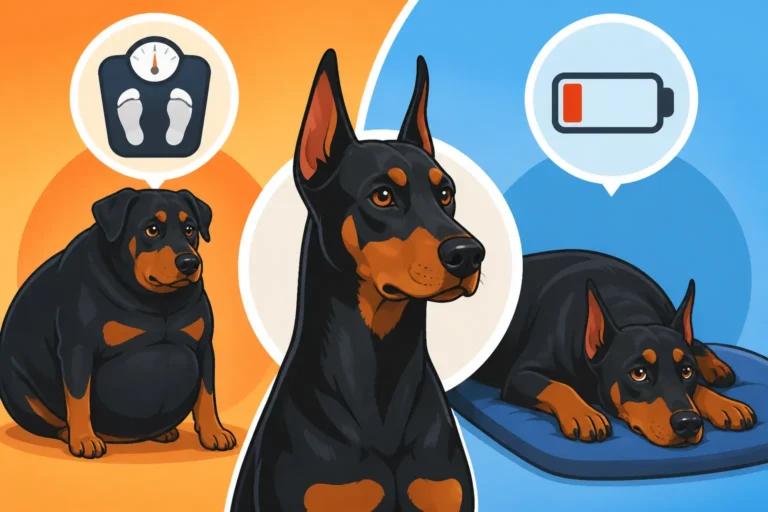
It's incredibly frustrating when you know something isn't quite right with your Doberman. Maybe they're a bit more sluggish, their coat seems duller, or they've put on a few extra pounds despite no change in diet. You take them to the vet, hoping for answers, only for the routine blood work to come back "normal," leaving you wondering if you're imagining things or if there's a piece of the puzzle missing. This guide is here to walk you through why standard thyroid tests often fall short for Dobermans and how to ensure your beloved companion receives the thorough thyroid evaluation they truly need.
Why Standard Thyroid Tests Often Miss the Mark in Dobermans
It’s easy to feel defeated when your Doberman is showing classic signs of low thyroid – lethargy, unexplained weight gain, a dull coat, even a change in temperament – and your veterinarian tells you their blood work is within the normal range. You're not alone in this experience; it's a common story among Doberman owners. The truth is, Dobermans are a unique breed with specific physiological quirks, and what's considered "normal" for a golden retriever might not be normal for your Doberman.
The Nuances of Doberman Thyroid Physiology
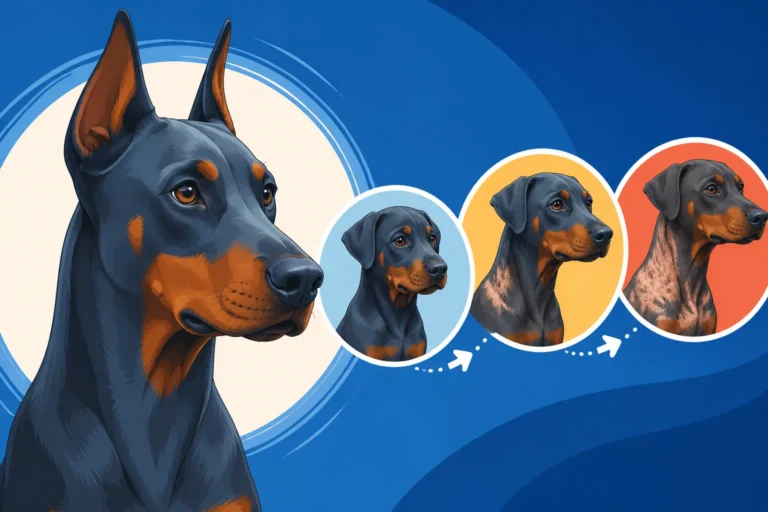
One of the biggest hurdles in properly diagnosing hypothyroidism in Dobermans is their naturally lower baseline thyroid hormone levels compared to many other breeds. This physiological difference means that a Doberman whose thyroid output is actually low for them might still register within the broad "normal" reference range provided by a general veterinary lab. It’s like trying to fit a square peg in a round hole; the standard measurements simply don't account for the Doberman's unique genetic makeup.
Dobermans are genetically predisposed to hypothyroidism, primarily due to autoimmune thyroiditis. This condition means their own immune system mistakenly attacks and gradually destroys the thyroid gland. Because this process is slow and insidious, the initial signs can be subtle and easily overlooked. Think of it like a slow leak in a tire – you don't notice it immediately, but over time, the pressure drops, and the tire goes flat. Similarly, your Doberman might start showing very mild symptoms, which you, as a keen owner, pick up on, but which a general blood panel might not flag as overtly "abnormal" because it's still technically within the wider acceptable window. This is why knowing The Doberman Years When Everything Shows Up is so important, as thyroid issues often become more apparent as they mature.
The Problem with Basic T4 Screens
Most general veterinary practices, when screening for thyroid issues, will start with a total T4 (TT4) test. This measures all the T4 hormone in the blood, both bound to proteins and free. On the surface, it seems logical. However, for a Doberman, a standalone TT4 test is often insufficient and can be misleading.
Imagine your Doberman is feeling under the weather for another reason – perhaps a mild infection, or even just stress from a vet visit. These non-thyroidal illnesses can temporarily suppress TT4 levels, giving a false impression of hypothyroidism when the primary issue is something else. Conversely, a Doberman with early-stage autoimmune thyroiditis might still have enough functional thyroid tissue to produce a TT4 level that looks okay on paper, while clinically, they are very much affected.
The frustration here is palpable. You invest in a vet visit, you get the blood drawn, and the results arrive with a reassuring "normal" stamp, yet your Doberman continues to display classic signs like Weight Gain and Low Energy in a Doberman. It’s a classic example of a screening test not providing the full picture for a breed with such specific health predispositions. Without deeper investigation, you're left chasing symptoms without addressing the root cause, and precious time can be lost in managing a condition that is otherwise very treatable. This is why advocating for your Doberman and understanding the right tests to ask for is so incredibly important.
The Comprehensive Thyroid Panel: What Your Doberman Truly Needs
When it comes to thyroid testing for a Doberman, "good enough" simply isn't good enough. You need to push for a comprehensive approach that delves deeper than a basic T4 screen. This is where the full thyroid panel comes into play – a set of tests designed to give a complete picture of your Doberman's thyroid function, taking into account their unique breed susceptibilities.
Understanding the Full Panel Components
A truly comprehensive thyroid panel for a Doberman should include several key measurements. Each component offers a crucial piece of information, and it's the combination of these results that allows for an accurate diagnosis, especially in a breed notorious for having borderline or tricky results.
First up is Free T4 (fT4). Unlike total T4, which measures all T4 in the blood, fT4 measures only the unbound, biologically active form of the hormone. This is critical because it's the free T4 that actually enters cells and performs its metabolic functions. Since fT4 isn't affected by protein binding or as easily swayed by non-thyroidal illnesses as TT4, it offers a much more accurate reflection of the thyroid hormone available to your Doberman's tissues. If your Doberman's fT4 is on the low side, even if their TT4 seems okay, it's a big red flag.
Then we have Total T3 (TT3) and Free T3 (fT3). While T4 is the primary hormone produced by the thyroid gland, T3 is the more potent, active form of the hormone, much of which is converted from T4 in peripheral tissues. While typically less critical for the initial diagnosis of hypothyroidism compared to T4, these measurements can sometimes provide additional insight, especially if T4 levels are borderline or if your Doberman has a more complex metabolic picture.
Crucially, for Dobermans, you absolutely cannot skip the Thyroglobulin Autoantibodies (TgAA) test. This is often the game-changer. As mentioned, the most common cause of hypothyroidism in Dobermans is autoimmune thyroiditis. The TgAA test looks for antibodies that your Doberman's immune system is producing against its own thyroid gland. A positive TgAA result means the immune system is actively attacking the thyroid. What's particularly significant is that these antibodies can be present and detectable years before your Doberman's actual T4 levels start to drop. This means you could catch the autoimmune process in its very early stages, allowing for proactive monitoring and potentially earlier intervention, or at the very least, knowing what to expect. This can explain Why a Doberman Can Look Fine and Be Ill in the initial phases of the disease.
Finally, the panel should also include TSH (Thyroid Stimulating Hormone). TSH is produced by the pituitary gland in the brain. Its job is to tell the thyroid gland to produce more T4. In cases of primary hypothyroidism, where the thyroid gland itself isn't working properly, the pituitary tries to compensate by pumping out more TSH, so TSH levels will often be high. Conversely, if the thyroid is overactive (hyperthyroidism, which is rare in dogs but good to rule out) or if the problem originates in the pituitary (secondary hypothyroidism, also rare), TSH levels might be low or normal. When combined with the T4 results, TSH provides valuable context, helping to determine if the problem lies with the thyroid gland itself or elsewhere.
Together, these components – fT4, TT4, TSH, and TgAA, with T3s as supporting players – paint a complete and accurate picture of your Doberman's thyroid health, giving you and your vet the best chance at a correct diagnosis.
Why Autoantibody Testing is Non-Negotiable for Dobermans
Let's really hone in on why the Thyroglobulin Autoantibodies (TgAA) test is so vital for Dobermans. As a breed prone to autoimmune conditions, specifically autoimmune thyroiditis, this test provides a window into the future of their thyroid health that other tests simply cannot.
Imagine your Doberman, let's call her Bella, is starting to show very subtle changes. She's not as enthusiastic on walks, she's sleeping more, and maybe her coat has lost some of its sheen. A standard T4 comes back "normal." You're worried, but the vet says everything's fine. Now, if you had run a full panel including TgAA, and Bella tested positive for these autoantibodies, it tells you unequivocally that her immune system is attacking her thyroid. Even if her T4 levels haven't significantly dropped yet, you now know that she is on a path toward clinical hypothyroidism.
This early warning is incredibly powerful. It changes the conversation from "Are you sure she's sick?" to "We know what's happening, and we can monitor it." You can then discuss with your vet a proactive monitoring schedule, perhaps getting Screening an Older Doberman More Often, including repeat full thyroid panels every 6-12 months. This allows you to catch the actual decline in thyroid hormone function the moment it happens, enabling you to start treatment before Bella becomes severely symptomatic. It prevents the frustration of seeing your Doberman feeling unwell but being unable to pinpoint why, and helps avoid the confusion around ambiguous T4 results. For Doberman owners, a positive TgAA result, even with normal T4, indicates a high probability of developing clinical hypothyroidism down the line, making early diagnosis and management a real possibility.
Interpreting Results and Moving Forward
Getting a comprehensive thyroid panel is a huge step, but the next challenge is often interpreting those results, especially when they aren't perfectly clear-cut. For Dobermans, "normal" isn't always normal, and sometimes results exist in a frustrating "gray area."
Navigating "Gray Area" Results
It’s tempting to think that once you get a full thyroid panel, you'll have a definitive yes or no answer. But with Dobermans, it's often more nuanced than that. Because of their breed-specific lower baseline thyroid levels, your Doberman's T4 might technically fall within the low end of the general lab's "normal" reference range. For many breeds, this might be perfectly acceptable, but for a Doberman showing clinical signs, it could be indicative of a problem.
This is where the art and science of veterinary medicine truly come together. Your vet should consider the lab results in conjunction with your Doberman's clinical signs – are they truly lethargic, gaining weight, showing A Doberman That Tires Faster Than It Used To, or exhibiting a poor coat? If the clinical signs align with borderline low thyroid numbers, it's often prudent to proceed with a trial of thyroid medication or, at the very least, retest in a few months.
Sometimes, a Doberman might have positive TgAA (autoantibodies) but still have T4 levels within the low-normal range. This is that "gray area" we discussed. It means the autoimmune process has started, but the gland hasn't been completely destroyed yet. In these cases, it's usually recommended to monitor closely and retest periodically. It's not uncommon to retest at a specialized lab or even repeat the full panel after a few months to track any changes. Don't be afraid to ask for retesting if you're still concerned; your intuition as an owner is a powerful tool.
Working with Your Veterinarian and Specialist Options
Your general practice veterinarian is a wonderful resource, but not all vets are intimately familiar with the unique breed-specific health challenges of Dobermans. If you suspect thyroid issues and are getting ambiguous results or feel your concerns aren't fully addressed, it's absolutely okay – and often highly recommended – to seek a second opinion or consult a specialist.
A veterinary internal medicine specialist has advanced training in diagnosing and treating complex internal diseases, including endocrine disorders like hypothyroidism. They are often more familiar with breed-specific norms and the subtleties of diagnosing conditions in Dobermans. If your Doberman is used for breeding, a veterinary reproductive specialist will also be well-versed in thyroid health, as it profoundly impacts fertility and pregnancy outcomes. These specialists often utilize specific laboratories with more precise reference ranges for Dobermans.
For instance, specialized veterinary diagnostic laboratories, such as Michigan State University's Animal Health Diagnostic Laboratory (MSU VDL) or Cornell University's Animal Health Diagnostic Center, are renowned for their expertise in canine thyroid testing. They have established breed-specific reference ranges and are skilled at interpreting results that might be confusing for a general lab. Sending samples to these labs for a full thyroid panel can truly be a game-changer for an accurate diagnosis. They look at all the components we discussed, giving you a holistic view.
The costs associated with these specialized tests, consultations, and potential lifelong medication can add up quickly. This is where a robust pet insurance policy really proves its worth. Companies like Healthy Paws are excellent resources, as they can help cover the costs of these diagnostic tests, specialist visits, and the ongoing prescription medication if your Doberman is indeed diagnosed with hypothyroidism. Having that financial support can alleviate a significant burden, allowing you to focus on your Doberman's health without the added stress of overwhelming bills. You can learn more about What a Doberman Costs Month to Month and The Vet Bills a Doberman Runs Up Outside Screening to understand the financial commitment of owning this breed.
Managing Hypothyroidism in Dobermans
Receiving a diagnosis of hypothyroidism for your Doberman might feel daunting at first, but the good news is that it's a very manageable condition. With the right approach, your Doberman can continue to live a vibrant, fulfilling life.
Medication and Monitoring
The primary treatment for hypothyroidism in Dobermans, and indeed in most dogs, is lifelong synthetic thyroid hormone replacement, typically with a medication called levothyroxine. This medication simply replaces the hormone that your Doberman's thyroid gland is no longer producing sufficiently.
It's not a one-size-fits-all dosage; your veterinarian will start with a dose based on your Doberman's weight and then adjust it based on follow-up blood tests. These follow-up tests are crucial and usually involve checking blood levels a few weeks after starting medication and then periodically (e.g., every 6-12 months) once a stable dose is achieved. The goal is to get their thyroid hormone levels back into a healthy range, which might be a higher "normal" for your Doberman than for other breeds.
Once on the correct dosage, you should start to see a remarkable improvement in your Doberman. Their energy levels often rebound, they become more alert, their coat quality improves dramatically, and they typically start to shed less. Weight management becomes easier, and any temperament changes due to the illness, such as lethargy or even irritability, often resolve. It's truly incredible to see them transform back into their energetic selves.
What to Expect Post-Diagnosis
Living with a Doberman diagnosed with hypothyroidism means committing to consistent medication and regular veterinary check-ups, but it’s a commitment that pays off immensely in their quality of life. Don't think of it as a life sentence; think of it as a solvable health puzzle.
Most Dobermans on appropriate levothyroxine doses experience a full reversal of symptoms. They can participate in all their normal activities – running, playing, and being the loving, vigilant companions they are meant to be. It’s important to understand that the medication isn't a cure, but a replacement for what their body isn't producing. Therefore, missing doses or stopping medication can lead to a return of symptoms.
Financially, the cost of levothyroxine is generally quite reasonable, especially compared to other chronic conditions. However, it is an ongoing expense. This is another area where a comprehensive pet insurance plan from a provider like Healthy Paws can be incredibly helpful. If you enrolled your Doberman before their diagnosis, their policy would likely cover a significant portion of the medication costs, as well as the follow-up blood work needed to monitor their levels. This can make managing a chronic condition much less stressful on your budget. When considering pet insurance, it's always wise to get Insuring a Doberman Before the Heart Turns or other conditions manifest, to ensure full coverage. This also ties into overall vigilance for The Doberman Years When Everything Shows Up regarding health screenings.
Comparing Basic vs. Comprehensive Doberman Thyroid Testing
Here's a quick look at the differences between a basic thyroid screen and the comprehensive panel recommended for Dobermans:
| Test Component | Basic T4 Screen | Comprehensive Doberman Panel | Why It Matters for Dobermans |
|---|---|---|---|
| Total T4 (TT4) | Included (often the only test) | Included | Measures total circulating T4; can be influenced by non-thyroidal illness. |
| Free T4 (fT4) | Not included | Included | Measures active, unbound T4; less affected by illness, more accurate for Dobermans. |
| Total T3 (TT3) / Free T3 (fT3) | Not included (sometimes TT3) | Included (often TT3 and fT3) | Measures active T3 hormones; supportive data, less critical for primary diagnosis. |
| TSH (Thyroid Stimulating Hormone) | Not included | Included | Helps differentiate between primary and secondary hypothyroidism. |
| Thyroglobulin Autoantibodies (TgAA) | Not included | Crucially Included | Detects autoimmune thyroiditis, often before T4 drops, giving early warning in predisposed Dobermans. |
| Interpretation | General "normal" range | Breed-specific normal ranges (at specialized labs) | Dobermans have naturally lower baseline levels, making general ranges misleading. |
| Diagnostic Value | Limited, prone to false negatives/positives | High, provides a complete and accurate picture | Essential for early detection and correct diagnosis in a breed prone to autoimmune thyroiditis. |
Remember, your Doberman relies on you to be their advocate. Understanding these tests empowers you to ensure they receive the best possible care.
Disclaimer
The information provided in this article is for educational and informational purposes only and does not constitute veterinary advice. Always consult with a qualified veterinarian or veterinary specialist for any health concerns or before making any decisions about your Doberman's health and treatment.