Night Vision Loss in an Older Doberman
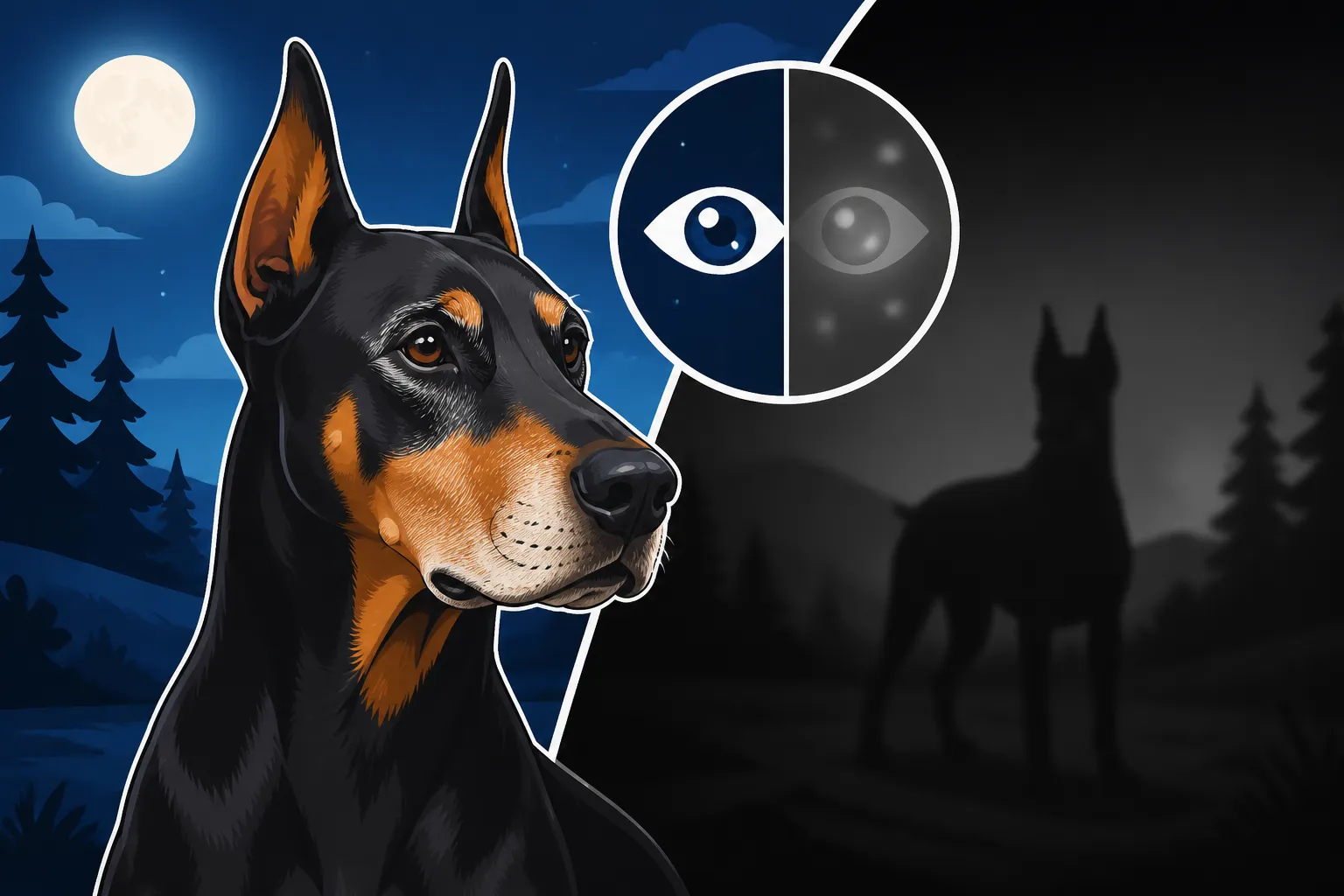
It’s a heartbreaking realization when you start noticing your once vibrant Doberman, who used to navigate the house and yard with such effortless grace, now hesitates in dim light or bumps into furniture after the sun goes down. This isn't just a quirky senior dog behavior; it’s a genuine decline in their ability to see in low-light conditions, often signaling a deeper underlying issue with their vision. This comprehensive guide will walk you through the common causes of night vision loss in older Dobermans, how to spot the subtle signs, and practical ways to support your beloved companion as their world literally darkens.
Understanding What Causes Night Vision Loss in Older Dobermans
When your Doberman starts to struggle in the twilight hours, it’s rarely just "getting old." There are specific medical conditions that can diminish their ability to see in low light, and understanding these is the first step toward getting them the right support. It's truly frustrating to see their world shrink, especially for a breed as active and intelligent as the Doberman.
Progressive Retinal Atrophy PRA
One of the most common culprits behind a Doberman's deteriorating night vision is Progressive Retinal Atrophy, often simply called PRA. This isn't just one disease; it's a group of degenerative eye conditions that affect the retina, the light-sensitive tissue at the back of the eye. Think of the retina like the film in an old camera; if it's damaged, the images captured aren't clear, or eventually, aren't captured at all.
In Dobermans, PRA often starts by affecting the rod photoreceptor cells, which are primarily responsible for vision in dim light. This means the earliest sign you'll notice is a struggle with night vision – your dog might be perfectly fine during the day, but as dusk settles, they become hesitant, bump into things, or seem lost in familiar surroundings. As the disease progresses, it can then affect the cone cells, which are responsible for daytime and color vision, eventually leading to complete blindness. This slow, insidious progression makes it particularly difficult to pinpoint early on, as dogs are masters at compensating. It's why early diagnosis and understanding conditions like Doberman Eye Testing and PRA are so vital. There are different forms of PRA, with some breeds having specific genetic markers, making early screening important for Doberman breeders to try and reduce its prevalence.
Cataracts and Lenticular Sclerosis
While often mistaken for each other, cataracts and lenticular sclerosis are distinct conditions that can both impair a Doberman's vision, especially as they age.
Lenticular Sclerosis (Nuclear Sclerosis): This is a very common, age-related change in the lens of the eye, affecting nearly all older dogs to some degree. You'll notice a bluish-gray haze in the center of their pupils, which can look a lot like cataracts. However, lenticular sclerosis is caused by the hardening and compression of older lens fibers, and while it does cause some mild blurriness and reduces the amount of light reaching the retina, it generally doesn't severely impact vision. Most dogs with lenticular sclerosis can still see quite well, though their ability to focus on close objects might decline slightly, and night vision could be marginally affected due to less light getting through. It's more of an inconvenience than a debilitating condition.
Cataracts: Unlike lenticular sclerosis, cataracts involve a true opacification or clouding of the lens. This clouding blocks light from reaching the retina more severely, leading to significant vision impairment or even blindness. Cataracts can be genetic, caused by diabetes, trauma, or inflammation, or simply develop with age. While some age-related cataracts can progress slowly, they often impact vision much more profoundly than lenticular sclerosis. If your Doberman has cataracts, their night vision will likely be severely compromised because any existing dim light is further obstructed by the clouded lens. It’s like trying to see through a frosted window – much harder in the dark. A vet can easily differentiate between lenticular sclerosis and cataracts during an eye exam, often with an ophthalmoscope.
Glaucoma and Other Eye Conditions
Glaucoma is another serious eye condition that can lead to vision loss, though its primary effect is often pain and rapid vision deterioration rather than just night blindness. It involves increased pressure within the eye, which damages the optic nerve and retina. While it might start with subtle signs, untreated glaucoma can cause severe and irreversible blindness within a short period, and it is incredibly painful. If you notice your Doberman's eye appearing cloudy, red, or swollen, and they are pawing at it or showing signs of discomfort, it's an emergency.
Beyond these, other less common conditions could contribute to night vision problems, such as retinal detachments, optic nerve degeneration, or even certain systemic diseases affecting overall health and subsequently, eye function. It's a reminder that Screening an Older Doberman More Often is not just about heart health; it’s about their whole body, including their precious sight.
Recognizing the Subtle Signs of Deteriorating Night Vision
Dobermans are incredibly resilient and adaptive animals, often masking discomfort or a decline in their abilities until the problem is quite advanced. This makes it incredibly challenging for us as owners to spot the subtle shifts, especially when it comes to something as crucial as their sight. It's not like they can tell us, "Hey, I can't see the ball as well in the dark anymore!" So, it falls to us to be incredibly observant.
Behavioral Changes in Dim Light
The most obvious indicators of night vision loss often manifest as changes in behavior once the lights dim. During the day, your Doberman might still be their usual energetic self, chasing squirrels or fetching toys. But as twilight approaches, you might notice a shift.
Perhaps they start hesitating at the top or bottom of stairs they've navigated a thousand times, needing an extra moment to gauge their footing. They might become more reluctant to go outside into the dimly lit yard for their evening potty break, or seem to walk with a more tentative, high-stepping gait, feeling their way rather than confidently striding. Have you noticed them bumping into familiar furniture or door frames that were never an issue before? They might also become clingier in the evenings, staying unusually close to you, seeking the comfort of your presence when their visual world becomes murky. This clinginess isn't just about affection; it's a coping mechanism, a way for them to rely on their trusted human when their other senses are struggling. These small shifts are often the earliest, most telling signs that their night vision is no longer what it once was.
Increased Reliance on Other Senses
As their vision dims, your Doberman will naturally compensate by leaning more heavily on their other incredible senses: hearing and smell. This adaptive behavior is truly remarkable to witness, but it also means they might be suffering from vision loss long before you notice anything amiss visually.
You might find them tracking your movements more by the sound of your footsteps or the scent you carry rather than by sight. When you call their name, they might orient their ears more acutely, trying to pinpoint your exact location. During walks, they may sniff the ground or air more intensely, gathering information about their surroundings that they used to take in with their eyes. Fetch games, which were once a joy, might become frustrating for them in low light, as they struggle to track a thrown toy. Instead, they might rely on the sound of it landing or your voice commands to locate it. This increased sensory input means they are working harder, and it can sometimes lead to them being more easily startled or appearing more anxious in unfamiliar or dimly lit environments, as they can't quite piece together the full picture of what's happening around them. It's a clear sign that something fundamental has changed in their perception of the world.
Physical Manifestations and Eye Appearance
While behavioral changes are key, sometimes there are also physical signs in and around your Doberman's eyes that can indicate a problem. It’s worth taking a closer look, perhaps with a gentle flashlight in a dim room, to observe their eyes directly.
You might notice a cloudy appearance to their lenses, which could be the lenticular sclerosis mentioned earlier, or true cataracts. Sometimes, with more advanced retinal degeneration, the pupil might appear slightly dilated, even in normal light, as the eye tries to let in more light to compensate for the failing retina. In cases of glaucoma, you might see redness, cloudiness, or even an enlarged appearance of the affected eye, often accompanied by obvious signs of pain. Additionally, observe their reaction to sudden flashes of light; a dog with declining vision might be less reactive or even show no blink response. Regular checks are part of The Yearly Checkup a Doberman Still Needs, and a vet can often spot these changes before they become critical. If you ever suspect any pain or rapid change in the eye's appearance, it warrants immediate veterinary attention.
Managing and Supporting a Doberman with Night Blindness
Discovering your Doberman is losing their night vision can be incredibly upsetting. Our first instinct is often to panic, but there are so many practical and empathetic steps we can take to help them navigate their world safely and confidently. It’s all about adjusting their environment and our routines to their new reality.
Environmental Adjustments and Safety
Making your home a safe and predictable haven is paramount for a Doberman with declining vision. They thrive on routine and familiarity, and these become even more important when their sight is compromised.
Start by consistently leaving furniture in the same places. Even a shifted coffee table can become a painful obstacle for a dog who relies on memory and pattern. Consider using nightlights in hallways, stairwells, and areas where they frequently move, especially near their food and water bowls or their favorite sleeping spots. These subtle lights can make a huge difference in their ability to perceive their surroundings. Placing different textures on the floor at the top and bottom of stairs – like a small rug or a rubber mat – can give them a tactile cue that a change in elevation is coming. Block off dangerous areas like uncovered swimming pools or steep drops in the yard with secure fencing. For outdoor potty breaks, consider installing motion-sensor lights or carrying a strong flashlight to illuminate their path and check for hazards. Remember, your Doberman trusts you to keep them safe, so creating a predictable and well-lit environment is one of the most loving things you can do.
Routine and Sensory Cues
Consistency in routine is incredibly comforting for any dog, and even more so for a Doberman grappling with vision loss. When their sight fails, their other senses become hyper-aware, and predictable patterns help them feel secure.
Try to stick to a consistent feeding schedule, potty times, and walk times. This predictability reduces anxiety and helps them anticipate what’s next without relying on visual cues. Introduce verbal cues for everything: "step up," "step down," "wait," "left," "right." Pair these with physical guiding at first, so they learn what each command means in context. For example, as you approach a step, say "step up" and gently guide them with your hand or leash. When approaching a door, say "door" and then guide them through. You can also use scent markers, like a specific essential oil (diluted and dog-safe, of course) on key objects or near entryways, to help them orient themselves. A Doberman’s nose is incredibly powerful, and utilizing it can be a game-changer. Consistency, patience, and clear communication are your best tools in helping them navigate their day.
Enrichment and Mental Stimulation
Just because your Doberman's vision is declining doesn't mean their sharp mind is. In fact, mental stimulation becomes even more crucial to prevent boredom, frustration, and a potential decline in cognitive function. Cognitive Change in an Old Doberman is a real concern, and keeping them engaged can help.
Invest in puzzle toys that dispense treats and encourage them to use their nose and problem-solving skills. Scent work, where you hide treats or their favorite toys around the house and encourage them to sniff them out, is an excellent activity. This taps into their natural canine abilities and provides immense satisfaction. Interactive chew toys, like Kongs filled with peanut butter or frozen treats, can keep them happily occupied for extended periods. Even simple games of "find it" with high-value treats can be incredibly enriching. Continue with gentle walks, allowing them plenty of time to sniff and explore their environment. The world may look different to them, but it still smells and sounds fascinating. These activities help maintain their quality of life, boost their confidence, and remind them that they are still valued members of the family, even if their eyes aren't what they used to be.
When to Seek Veterinary Attention
It's natural to feel overwhelmed when facing vision changes in your Doberman, but knowing when to consult your veterinarian is crucial for their well-being. Early intervention can sometimes slow progression or manage pain, vastly improving their comfort.
Initial Assessment and Diagnosis
As soon as you notice any signs of vision changes, especially in low light, it's time to schedule an appointment with your veterinarian. Don't wait until your Doberman is bumping into everything. Your vet will perform a thorough physical examination, including a basic ophthalmic exam, checking their pupillary light reflexes, and looking for any obvious abnormalities like cloudiness or inflammation.
They’ll ask you detailed questions about the onset of symptoms, how they've progressed, and any other changes in your Doberman's behavior or overall health. This initial assessment is vital for determining the potential cause. Based on their findings, your regular vet might be able to diagnose common conditions like lenticular sclerosis or early cataracts. However, for more complex or rapidly progressing issues, they will likely recommend a referral to a veterinary ophthalmologist – a specialist in animal eye care. These specialists have advanced equipment and expertise to provide a precise diagnosis, such as identifying specific types of PRA or measuring intraocular pressure to detect glaucoma. Seeking this expert opinion is often the fastest route to understanding what’s happening and formulating a treatment plan.
Treatment Options and Prognosis
The treatment options and prognosis for night vision loss in Dobermans vary greatly depending on the underlying cause.
For conditions like lenticular sclerosis, often no treatment is necessary, as it doesn't significantly impact quality of life. For cataracts, especially those severely impairing vision, surgical removal of the cataracts can be an option to restore sight. However, not all Dobermans are candidates for surgery, and it can be quite costly. With Progressive Retinal Atrophy (PRA), there is currently no cure, but antioxidants and supplements might be recommended to potentially slow the progression in some forms, though scientific evidence for their efficacy can be mixed. For glaucoma, treatment focuses on reducing intraocular pressure, often with eye drops and oral medications, and sometimes surgery, to alleviate pain and preserve any remaining vision. This is a critical situation where prompt treatment is essential to prevent permanent blindness.
Your vet or a veterinary ophthalmologist will discuss all available options, including the potential benefits, risks, and costs involved. They'll also provide an honest assessment of the prognosis, helping you set realistic expectations for your Doberman's future vision. It's a journey, and having pet insurance like Healthy Paws can certainly help offset the significant costs associated with specialized veterinary care, diagnostic testing, and potential medications or surgeries for these conditions.
Long-Term Care and Quality of Life
Living with a Doberman experiencing vision loss requires a commitment to long-term supportive care. The goal is always to maximize their comfort and maintain the best possible quality of life.
This might involve regular follow-up appointments with your vet or ophthalmologist to monitor the progression of the condition and adjust medications as needed. For dogs with irreversible vision loss, emphasis shifts entirely to supportive care and environmental modifications. This includes continuing to use verbal cues, maintaining a consistent home environment, and providing plenty of scent-based and auditory enrichment. Regular walks are still important for physical health and mental stimulation, but you might need to adjust routes to avoid hazards and ensure they are always on a secure leash. For a Doberman, especially one prone to other health issues like those outlined in Doberman Lifespan and Why It Is Short, maintaining their overall health becomes even more critical. You'll need to be extra vigilant about their general health, noting any other changes in appetite, energy levels, or behavior. When the time comes to consider end-of-life decisions, especially if pain or severe disability arises, knowing how to approach Keeping a Failing Doberman Comfortable at Home is paramount. Your vet can provide guidance and resources to help you through every stage of this journey, ensuring your beloved Doberman continues to live a full and happy life, even with limited vision.
| Condition | Primary Impact on Vision | Typical Onset Age | Pain Associated? | Potential Treatment / Management |
|---|---|---|---|---|
| Progressive Retinal Atrophy (PRA) | Initially night blindness, then daytime loss | Variable (often adult/senior) | No | No cure, supportive care, antioxidants (efficacy varies) |
| Lenticular Sclerosis | Mild blurriness, reduced light to retina | Senior (7+ years) | No | Generally none needed, minimal impact on quality of life |
| Cataracts | Clouding of lens, significant vision loss | Variable (can be age-related) | No | Surgical removal to restore sight, eye drops to manage inflammation |
| Glaucoma | Increased eye pressure, rapid vision loss | Variable | Yes, often severe | Eye drops, oral medications, surgery (emergency) |
Disclaimer
The information provided in this article is for educational and informational purposes only and does not constitute veterinary advice. Always consult with a qualified veterinarian for any health concerns or before making any decisions about your Doberman's health care.