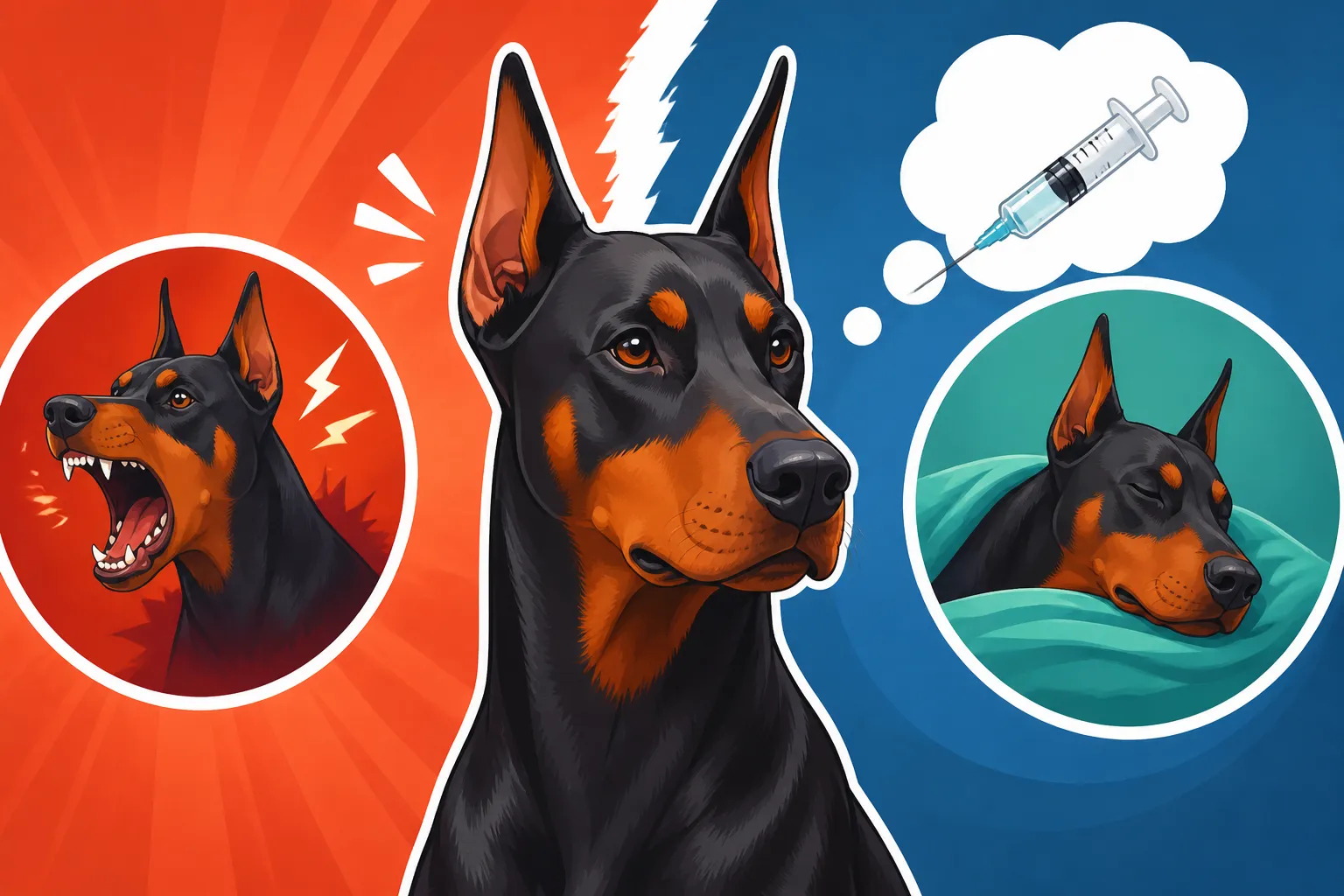
Whether Dobermans React Badly to Sedation
It’s a fear many Doberman owners quietly carry: what if my beloved Doberman has to go under anesthesia? We hear whispers, sometimes outright warnings, about how Dobermans react badly to sedation, especially given their breed-specific health concerns. This isn't just an old wives' tale; there are genuine considerations. This guide aims to thoroughly explore why these concerns exist, what risks are truly present, and most importantly, how you can work with your veterinarian to ensure your Doberman's safety during any necessary procedure requiring sedation.
Why Doberman Owners Worry About Sedation
Historical Perceptions and Anecdotal Evidence
Dobermans have a reputation for being stoic, sometimes to their detriment. Owners might hear stories from other Doberman enthusiasts, or even older vets, about complications during or after anesthesia. This isn't necessarily because Dobermans are uniquely fragile, but perhaps because their underlying health issues, if undiagnosed, can make them higher risk. The breed's powerful presence and athletic build sometimes lead people to believe they're invincible, which can make any adverse reaction feel more shocking and concerning when it does occur.
For instance, I recall a friend whose Doberman, back in the 90s before widespread genetic testing, went in for a routine dental cleaning. She recounted how he developed a serious arrhythmia during recovery. It was a terrifying experience for her, and she always attributed it to the breed being inherently "sensitive" to drugs, rather than an underlying heart condition that simply hadn't been detected yet. These kinds of stories, passed down through the Doberman community, certainly contribute to the apprehension surrounding sedation.
The "Tough Dog" Myth and Overlooking Subtle Signs
Dobermans are incredibly intelligent and often try to please their owners, sometimes even subtly hiding discomfort. This can contribute to the "tough dog" myth, where subtle signs of illness or pain are missed until a major event, like surgery, brings them to light. When a Doberman reacts poorly to sedation, it often feels like a sudden, unexpected crisis, but it might actually be the first obvious sign of an underlying issue that was brewing silently.
Imagine your Doberman, usually so vibrant and full of life, seems just a little quieter than usual for a few days before a scheduled procedure like a growth removal. You might dismiss it as minor fatigue or a slight off-day. However, under the stress of anesthesia and the physiological changes it induces, that slight dip in health could become a significant, life-threatening problem. It’s a harsh reminder that even our most robust-looking companions have vulnerabilities that can be amplified by anesthetic agents.
The Cost and Emotional Toll of Complications
Let's be completely honest, veterinary care isn't cheap, and emergency situations are even less so. The fear of anesthesia complications isn't just about the dog's physical well-being; it's also about the immense financial and emotional burden an unexpected emergency can place on an owner. This worry is entirely valid and deeply felt by many Doberman parents. Knowing that breed-specific issues can increase the risk of complications only amplifies that anxiety.
This is precisely where having comprehensive pet insurance, like a plan from Healthy Paws, can truly alleviate some of the financial stress. It allows owners to focus purely on their dog's recovery and well-being without the added worry of astronomical vet bills if something unexpected occurs during or after sedation. This peace of mind is invaluable, ensuring you can make the best medical decisions for your Doberman without financial constraints being the primary factor.
Specific Risks Dobermans Face with Anesthesia
Cardiovascular Issues: Dilated Cardiomyopathy (DCM)
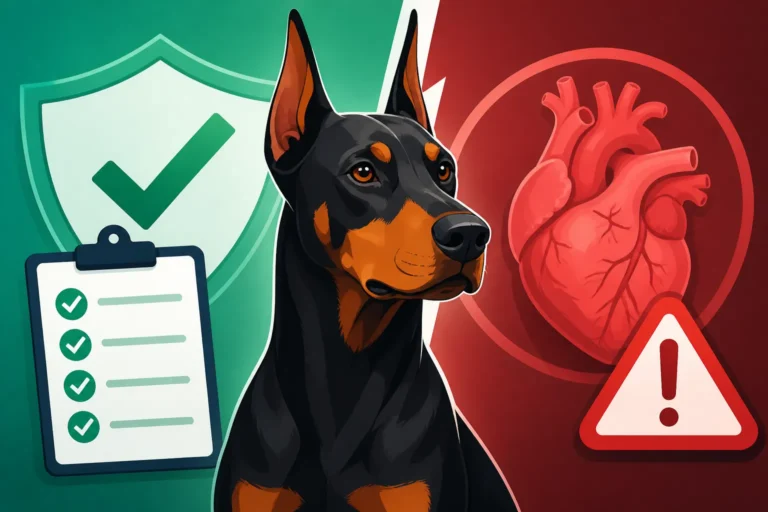
This is often the primary concern that looms large for Doberman owners. Dilated Cardiomyopathy (DCM) is a progressive heart disease remarkably common in the breed, and tragically, it's often silent in its early, "occult" stages. Anesthesia places significant stress on the cardiovascular system. If a Doberman has undiagnosed DCM, even if it's currently asymptomatic, the changes in blood pressure and heart rate induced by anesthetic agents can trigger severe arrhythmias, rapid progression to heart failure, or even sudden collapse. This is why understanding The Heart Disease That Reaches Most Dobermans and ensuring proper cardiac screening is so crucial before any planned sedation.
Consider a scenario where your seemingly active four-year-old Doberman needs a dental cleaning, a routine procedure. You assume he's healthy because he runs and plays vigorously. However, a silent, occult phase DCM could be developing unnoticed. During anesthesia, the drugs affect heart contractility and rhythm, and the heart, already compromised, might struggle to maintain adequate blood flow to the vital organs, potentially leading to a crisis on the operating table. This highlights why knowledge of The Age Doberman Heart Disease Usually Starts is a vital piece of information, prompting owners to initiate screening early in their Doberman's life.
Bleeding Disorders: Von Willebrand's Disease (vWD)
Another significant concern unique to Dobermans is Von Willebrand's Disease (vWD), a common hereditary bleeding disorder. If your Doberman is affected, or even a carrier with insufficient Von Willebrand factor levels, any invasive procedure – from a routine spay/neuter to a more complex surgery like a tumor removal – carries a substantially higher risk of excessive and prolonged bleeding both during and after the procedure. Anesthesia itself does not cause vWD, but any surgical incision made while under sedation will expose this severe bleeding risk if the dog is affected.
A real-life example might involve a Doberman undergoing a seemingly routine growth removal. Without prior vWD testing, this dog could experience significant and prolonged blood loss that is difficult to control. The veterinary team would then have to scramble for emergency measures, including transfusions of fresh frozen plasma or specific clotting agents, adding immense stress, risk, and significant cost to the procedure. This underscores why Testing a Doberman for Von Willebrand Before Surgery is absolutely non-negotiable for responsible Doberman owners, allowing for appropriate prophylactic measures if needed.
Hypothermia and Delayed Recovery
Dobermans have short coats and a characteristically lean body mass, which makes them more prone to hypothermia (low body temperature) when under anesthesia, especially during longer procedures. Anesthetic drugs also suppress the body's natural thermoregulation, making it harder for them to maintain core body temperature. Hypothermia can lead to a slower metabolism of anesthetic drugs, resulting in prolonged recovery times, and can even contribute to other complications, including cardiac arrhythmias and impaired clotting function, which further compounds the concerns for Dobermans with vWD.
After a procedure like a spay or neuter, a Doberman might shiver uncontrollably for hours post-op if not kept adequately warm. This isn't just an issue of comfort; severe hypothermia can delay wound healing, place undue stress on the heart, and prolong the effects of the anesthetic, making the overall recovery period much harder and riskier. Modern veterinary practices actively combat this by using warming blankets, forced-air warming systems (like Bair Huggers), and intravenous fluid warmers to mitigate heat loss and ensure a smoother emergence from anesthesia.
Drug Sensitivities
While not as widely documented for Dobermans as for some other breeds (such as Greyhounds with certain injectable anesthetics that are metabolized slowly), individual drug sensitivities can always exist. The breed's unique metabolic profile, combined with their predisposition to conditions like DCM, means that anesthesiologists must be particularly mindful of drug choices and dosages. Certain drugs might be metabolized differently, or their cardiovascular effects might be amplified in a Doberman with an underlying, even occult, health condition.
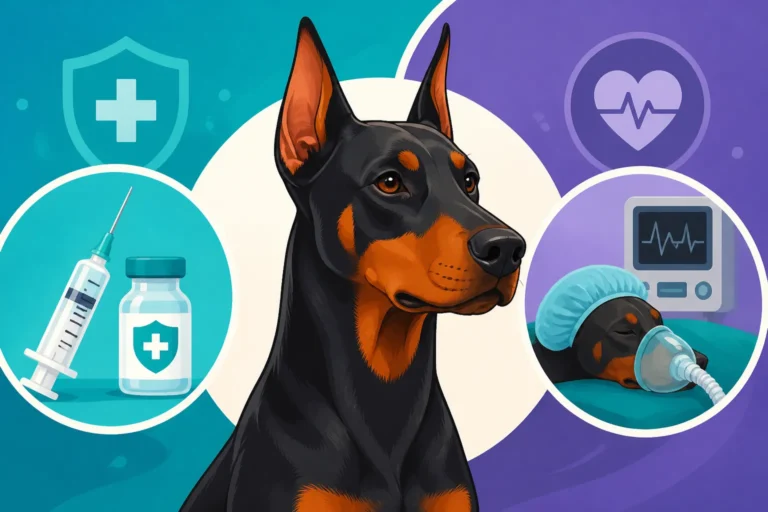
A skilled veterinary team will typically adopt a multi-modal approach to anesthesia, combining different anesthetic agents at lower doses to achieve the desired effect (pain control, muscle relaxation, unconsciousness) while minimizing side effects from any single drug. They'll also diligently monitor vital signs, including heart rate, rhythm, blood pressure, and oxygen saturation, adjusting the protocol in real-time as needed. This meticulous approach is key to ensuring the safest possible outcome for a Doberman.
Preparing Your Doberman for Sedation: What You and Your Vet Can Do
Thorough Pre-Anesthetic Screening and Diagnostics
This is arguably the most critical step you can take as a Doberman owner. Never skip pre-anesthetic blood work, and for a Doberman, this should absolutely include specific tests beyond the standard panel. A full chemistry panel and complete blood count (CBC) are standard to assess overall organ function and blood cell counts. However, for Dobermans, adding a proBNP blood test to screen for early heart disease, and critically, a Von Willebrand Factor (vWF) assay to check for bleeding risk, is paramount. If your Doberman is over the age of two or has any suspicious symptoms, a pre-anesthetic ECG or even an echocardiogram by a veterinary cardiologist can provide invaluable information about their heart health, as detailed in articles like Annual Echo and Holter Screening for a Doberman.
Be proactive! Ask your vet specifically about these breed-specific tests. Do not assume they'll be included in a generic "pre-op panel" without your explicit request. If your primary veterinarian isn't familiar with these breed-specific needs, consider seeking a veterinarian or specialist who is well-versed in Doberman health. This upfront investment in comprehensive diagnostics can quite literally be a lifesaver, identifying potential issues before they become emergencies during a procedure like Sedating a Doberman for a Dental and What It Costs.
Choosing the Right Veterinary Team and Anesthesia Protocol
The experience and expertise of your veterinary team, particularly the individual monitoring anesthesia, makes an enormous difference in your Doberman's safety. Look for practices with dedicated veterinary technicians who are highly trained and experienced in anesthesia monitoring. Discuss the specific anesthetic protocol with your vet. They should be able to clearly explain their choice of drugs, how they plan to monitor your Doberman's vitals (heart rate, respiration, blood pressure, oxygen saturation, temperature, CO2 levels), and what emergency measures are in place should a complication arise.
Don't be afraid to ask key questions: "Who will be exclusively monitoring my Doberman throughout the entire procedure and recovery?" "What specific drugs will you be using, and why do you feel they are the safest choices for a Doberman?" "What warming techniques will be actively employed to prevent hypothermia?" Being an informed advocate for your dog is essential. For major procedures, such as What Bloat Surgery Costs a Doberman Owner or complex orthopedic repairs, sometimes referral to a specialty hospital with board-certified veterinary anesthesiologists is the safest and most prudent option.
Open Communication About Your Doberman's History and Current Health
Provide your veterinarian with a complete, honest, and detailed health history of your Doberman. This should include any past illnesses, current medications, previous reactions to drugs, behavioral quirks (as stress and anxiety can impact vital signs), and even seemingly minor issues you've noticed recently. If your Doberman has any known health conditions, like a heart murmur, a history of fainting (syncope), or has tested positive for the DCM gene, ensure this is clearly communicated and thoroughly documented in their medical record.
Before my Doberman, Duke, underwent his gastropexy during his spay, I compiled a detailed health timeline and prepared a dozen specific questions for my vet. The veterinary team genuinely appreciated the thoroughness, and it allowed us to tailor his anesthesia plan perfectly, addressing all my concerns. It felt incredibly reassuring to know I had done everything I could to ensure his safety. Always remember that open and transparent communication builds trust and leads to better outcomes.
Managing Stress and Fasting Protocols
Anxious dogs can have elevated heart rates and blood pressure even before anesthesia induction, which can complicate the process. Your vet might recommend administering a mild oral sedative at home before bringing your Doberman to the clinic, specifically to help calm them. It's also paramount to follow all fasting instructions meticulously. An empty stomach significantly reduces the risk of aspiration pneumonia (inhaling vomit into the lungs) during anesthesia, which is a severe and potentially fatal complication.
Ask your vet about prescribing an anti-nausea medication like Cerenia to give before your Doberman's procedure. This can help reduce the likelihood of vomiting during both the fasting period and the initial recovery phase. Make sure you understand the exact timeframe for withholding food and water – typically, it's 8-12 hours for food and 2-4 hours for water, but these times can vary based on the specific procedure and your individual Doberman's health status.
After Sedation: Monitoring and Recovery
Immediate Post-Operative Care at the Clinic
After the procedure, your Doberman will be closely monitored in a dedicated recovery area as they gradually wake up from anesthesia. The veterinary team will continue to check vital signs, assess their pain levels, and ensure they are recovering smoothly and comfortably. They should be kept warm, quiet, and in a safe environment. It’s important not to rush to pick them up; allow the clinic ample time to ensure they are fully stable and the immediate effects of the anesthesia have worn off sufficiently.
When you do pick up your Doberman, be prepared for them to still be a bit groggy, disoriented, wobbly, or even unusually vocal (whining or crying) as they emerge from the full effects of the drugs. This is normal. The clinic should provide you with clear, written discharge instructions covering everything from medication schedules and activity restrictions to wound care and a comprehensive list of specific signs to watch for that might indicate a problem.
Home Monitoring for the First 24-48 Hours
The first one to two days at home are absolutely crucial for your Doberman's recovery. They will likely still be feeling the residual effects of the anesthesia and any pain medication. Keep them in a quiet, comfortable, and warm space, ideally in a familiar room away from household commotion. Diligently monitor their breathing patterns, the color of their gums (they should be pink, not pale white or blue), their appetite, thirst, and whether they are urinating and defecating normally. Be vigilant for any signs of excessive lethargy, persistent vomiting, severe diarrhea, difficulty breathing, or any swelling, redness, or discharge from the incision site.
If your Doberman has undergone surgery, it is vital to restrict their activity strictly. This means absolutely no jumping, running, or climbing stairs. Even if they appear to be feeling better and want to play, internal healing takes time and sudden movements can cause complications like incision dehiscence. Keep food and water easily accessible but offer smaller, frequent amounts of food to avoid upsetting their stomach. This careful home monitoring is a continuation of the critical care provided by the veterinary team, crucial for a full recovery.
When to Call the Veterinarian for Concerns
It is always better to be overly cautious and contact your veterinarian than to regret not calling. If you observe any of the following signs or symptoms, you should contact your vet or the nearest emergency clinic immediately:
- Persistent or severe vomiting or diarrhea: More than one or two isolated incidents.
- Extreme lethargy or unresponsiveness: Beyond normal post-anesthesia grogginess.
- Pale white or blue-tinged gums: This is a critical sign that your Doberman is not getting enough oxygen or is in shock.
- Difficulty breathing or excessive, labored panting: Rapid, shallow breaths or obvious effort to breathe.
- Significant swelling, redness, heat, or discharge from the incision site: Signs of infection or other complications.
- Collapse or inability to stand or walk: This is an emergency.
- Any signs of excessive bleeding: Especially critical if your Doberman has a known history of The Von Willebrand DNA Test for Dobermans or if it's unexpected post-op.
Ensure you have your regular vet's emergency contact number readily available, and know the location and contact information for the nearest 24-hour emergency veterinary clinic. It's a good idea to have these numbers prominently displayed, especially for the first few nights post-op. This is yet another area where a comprehensive pet insurance plan from a company like Healthy Paws can provide immense relief; emergency vet visits are notoriously expensive, and having coverage allows you to make decisions based solely on your Doberman's health needs, without the added burden of astronomical costs.
Comparing Doberman Anesthesia Risks and Mitigation
| Risk Factor | Doberman-Specific Concern | Mitigation Strategies |
|---|---|---|
| Cardiovascular Stress | High prevalence of Dilated Cardiomyopathy (DCM), often silent in early stages. | Pre-anesthetic ECG, proBNP blood test, echocardiogram (if indicated). Careful selection of anesthetic agents with minimal cardiovascular depression. Strict monitoring of heart rate, rhythm, and blood pressure throughout. |
| Bleeding Complications | High prevalence of Von Willebrand's Disease (vWD), a common clotting disorder. | Pre-anesthetic Von Willebrand Factor (vWF) assay. Administration of desmopressin (DDAVP) or fresh frozen plasma if vWD positive or suspected. Meticulous surgical technique. Availability of blood products for potential transfusion. |
| Hypothermia | Lean body mass and short coat lead to faster heat loss during prolonged procedures. | Active warming techniques during and after surgery (e.g., forced-air warmers, warmed IV fluids, heated recovery beds). Constant monitoring of body temperature from induction through full recovery. |
| Prolonged Recovery | Slower metabolism of drugs due to hypothermia or compromised organ function. | Careful drug selection and precise dosing tailored to the individual Doberman. Vigilant monitoring in recovery. Ensuring warmth. Early detection of underlying issues through comprehensive pre-anesthetic screening. |
| Anxiety/Stress | Dobermans are sensitive and can become highly stressed in a veterinary environment, impacting vital signs. | Pre-anesthetic calming medications (oral sedatives given at home). Gentle handling and a calm, quiet environment at the clinic. Allowing owners to stay for a few minutes during induction if appropriate and safe. |
This table helps illustrate the proactive steps that can be taken to minimize risks. Remember, no anesthesia is entirely without risk, but by being informed, proactive, and working closely with a knowledgeable veterinary team, you can significantly improve your Doberman's safety. For instance, understanding concepts like Whether a Doberman That Tests Clear and Still Gets DCM can inform your long-term screening strategy, even if they pass their pre-anesthetic checks with flying colors. Also, understanding the role of proper post-operative care, especially in preventing issues like Fluid on a Doberman's Lungs and How It Is Cleared if heart function is compromised, is critical for successful recovery.
It's also worth noting that ongoing preventative care is vital to ensure your Doberman is in the best possible condition should they ever need sedation. This includes regular veterinary check-ups, maintaining a healthy weight through a balanced diet, and appropriate exercise tailored to their age and health. And again, having pet insurance from a reliable provider like Healthy Paws in place provides invaluable peace of mind, knowing that you can afford the best possible care should an unforeseen complication arise. The financial aspect of modern veterinary medicine can be daunting, and insurance acts as a crucial buffer against those unexpected, high-cost scenarios.
Disclaimer
Always consult with a qualified veterinarian for any health concerns or before making any decisions regarding your Doberman's medical care. This information is for educational purposes only and is not a substitute for professional veterinary advice.