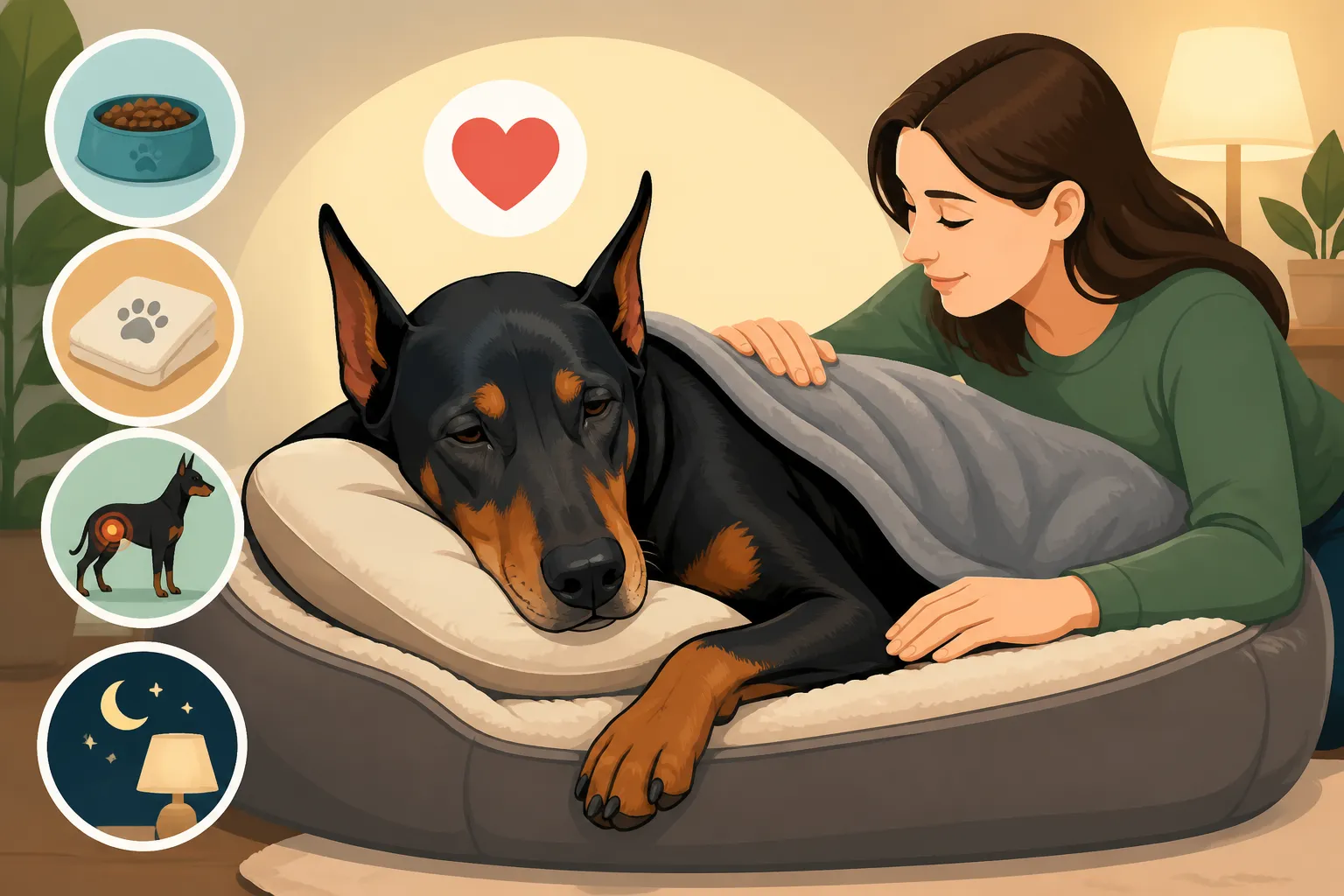
Keeping a Failing Doberman Comfortable at Home
Watching your beloved Doberman decline is one of the hardest parts of sharing your life with them, especially as common breed health issues like Dilated Cardiomyopathy (DCM) or Wobbler Syndrome start to take their toll. It’s heart-wrenching to see their once boundless energy fade, and the worry about their comfort can be overwhelming. This guide is here to walk you through practical, empathetic ways to provide the best possible comfort and care for your Doberman as they near the end of their journey, ensuring their final days are filled with peace and dignity in the home they love.
Understanding Your Doberman's Evolving Needs
When a Doberman is nearing the end of their life, whether due to age, chronic illness, or a sudden downturn, their needs shift dramatically. They rely on us more than ever to interpret their subtle cues and provide the specific care that will maximize their comfort. It's a challenging time, full of emotional ups and downs, but by understanding what to look for, you can make a real difference.
Recognizing the Subtle Signs of Discomfort
Dobermans are incredibly stoic animals, often hiding pain and discomfort until it becomes severe. This makes it particularly tricky to gauge their true state, but there are signs you can learn to recognize.
Firstly, watch for changes in their movement and posture. A Doberman who used to bound up the stairs might now hesitate or struggle, perhaps even refusing them altogether. You might notice a stiffness in their gait, particularly after resting, or a reluctance to lie down in certain positions. They might shift frequently, trying to find a comfortable spot, or constantly get up and down. Some Dobermans might begin to walk with their head down, a common sign of neck pain associated with conditions like Wobbler Syndrome in the Doberman. If they flinch or cry out when touched in a specific area, that's a clear indicator of localized pain. Even subtle changes, like not wanting to jump on the couch anymore or being slow to rise from a nap, can speak volumes about their underlying discomfort. It’s not just about obvious limping; it's about a general decrease in fluid movement and enthusiasm for physical activities they once enjoyed.
Beyond physical pain, Dobermans can also experience anxiety or stress as their bodies fail them. You might see them pacing aimlessly, particularly at night, or panting excessively even when cool and calm. Some become more clingy, following you from room to room like a shadow, while others might seek isolation, retreating to quiet corners. A change in their sleeping patterns, such as increased restlessness or difficulty settling, can also point to discomfort or anxiety. Remember, their world is changing, and they might not understand why they can no longer do the things they used to. This uncertainty can be very distressing for a dog that thrives on routine and competence. Keeping a close eye on their overall demeanor, beyond just physical symptoms, is key to providing holistic comfort.
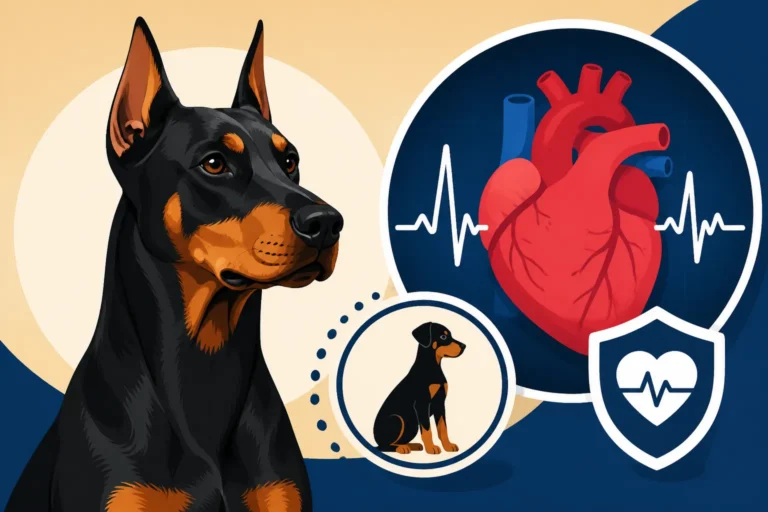
Lastly, general weakness is an undeniable sign of a failing Doberman. They might tire much faster on walks, wanting to turn back sooner than usual. Their once strong stance might appear wobbly, especially in their hindquarters, or they might struggle to maintain balance. A decreased appetite or disinterest in food they once loved is also a significant red flag. This isn't just about pickiness; it often signals a systemic decline. For Dobermans specifically, many endure conditions like The Heart Disease That Reaches Most Dobermans, and weakness can be a primary symptom as their heart function declines. Any sudden or significant drop in their energy levels or ability to perform daily activities warrants immediate attention.
Communicating Effectively with Your Veterinarian
Your veterinarian is your most crucial partner during this challenging time. Open and honest communication is absolutely essential to ensure your Doberman receives the best possible palliative care. Don't hesitate to call them when you notice changes, no matter how minor they might seem.
It's vital to have frank discussions about your Doberman's prognosis and, more importantly, their quality of life. This isn't about rushing to a decision, but about being informed and understanding the trajectory of their condition. Your vet can offer valuable insights into what to expect and what interventions might improve comfort. They can help you assess where your Doberman is on their journey, discussing indicators like appetite, pain levels, ability to move, and engagement with the family. This is especially important for conditions where the progression can be subtle, like The Silent Years Before a Doberman's Heart Shows, before it rapidly advances. Don't be afraid to ask difficult questions about how much longer your Doberman might have or what signs indicate that their quality of life has significantly diminished.
Discussing pain management options is paramount. There are numerous medications available today, from NSAIDs (non-steroidal anti-inflammatory drugs) to nerve pain medications like gabapentin, and even opioids for more severe pain. Your vet can tailor a pain protocol specifically for your Doberman's needs, adjusting dosages and combinations as their condition changes. This might involve oral medications, injectables, or even alternative therapies if appropriate. It's not about making them high; it's about minimizing suffering and allowing them to experience their remaining time without constant agony. For Dobermans with underlying heart conditions, managing pain without exacerbating cardiac issues requires careful consideration, and your vet will know the best options. This comprehensive approach to care can also be a significant financial consideration, which is where having something like Healthy Paws pet insurance in place early on can make a world of difference, helping cover the costs of these critical medications and treatments without added stress.
Finally, knowing when to escalate care or, conversely, when to focus solely on comfort is a conversation you'll have repeatedly with your vet. This might mean deciding whether aggressive treatments are still beneficial or if shifting entirely to palliative care is the most humane path. They can guide you through the difficult decision-making process, helping you recognize the signs that indicate your Doberman is truly suffering and that it might be time to consider humane euthanasia. This is perhaps the hardest conversation an owner faces, but having a trusted vet to lean on for objective guidance, while validating your feelings, is invaluable. They can also connect you with resources for at-home euthanasia, allowing your Doberman to pass peacefully in their familiar environment.
Creating a Sanctuary: Optimizing Your Home Environment
Making your home a haven of comfort for a failing Doberman is incredibly important. Their physical environment can dramatically impact their well-being, especially when they are less mobile and more sensitive to their surroundings. Think of it as creating a personalized spa for your beloved senior or ailing Doberman.
Soft Bedding and Accessible Spaces
As Dobermans age or battle illness, their lean, muscular bodies can become surprisingly bony, making hard surfaces incredibly uncomfortable. They don't have a thick undercoat or a lot of natural padding, so investing in good quality bedding is not a luxury, it's a necessity. Orthopedic beds, often made with memory foam, are fantastic because they conform to your Doberman's shape, relieving pressure points on their joints, hips, and elbows. Brands like Big Barker or even simpler, thick foam mattresses can make a huge difference. You might find your Doberman spends more time resting comfortably on one of these, rather than constantly shifting or seeking out a soft rug. Place several beds in their favorite spots around the house so they don't have to travel far to find comfort. Remember, even if they used to sleep on the hard floor, their needs have changed. You might even consider investing in a heated bed for those cooler days, especially if you have a Doberman with no body fat, as they can get chilled easily.
Accessibility is another huge factor. If your Doberman still enjoys being on the couch or bed with you, but struggles to jump up, consider getting ramps or pet stairs. These can prevent painful jumps and falls, preserving their remaining mobility and allowing them to continue enjoying those cherished moments of closeness. Similarly, if there are stairs in your home that they once navigated with ease but now struggle with, consider creating a comfortable, accessible space for them downstairs. This might mean temporarily moving their bed, food, and water to a single level. Even something as simple as laying down non-slip rugs on slick tile or hardwood floors can provide better traction and prevent painful slips, boosting their confidence to move around their environment. Don't underestimate how much a fear of slipping can restrict a Doberman's movement.
Beyond specific aids, take a moment to look at your home from your Doberman's perspective. Are there obstacles they now have to navigate? Is their path to their food bowl or potty area clear and easy? As their vision or coordination might decline, minimizing clutter and creating clear pathways becomes even more critical. If they have a preferred outdoor spot for potty breaks, make sure the path to it is easily accessible, perhaps even by adding a ramp if there are steps. The goal is to reduce any physical strain or anxiety associated with movement, allowing them to conserve their energy for enjoying life rather than struggling with basic tasks.
Maintaining Temperature and Hygiene
Dobermans, with their short, single coats, are notoriously sensitive to temperature fluctuations. As they age or become ill, their ability to regulate body temperature can diminish further, making them feel the cold more acutely. This is where Winter Coats and Cold-Weather Gear for a Doberman become more than just a fashion statement; they're essential for comfort. Indoors, ensure your home is kept at a comfortable, consistent temperature. Provide plenty of soft blankets for them to burrow into, and consider dog sweaters or even a light blanket if they seem chilly. Many Dobermans adore heated beds or microwaveable warm discs placed under their regular bedding. On the flip side, some medications can cause increased panting or make them more susceptible to overheating. In warmer weather, ensure they have access to cool, shaded areas, plenty of fresh water, and perhaps a cooling mat. A quiet fan can also provide relief.
Hygiene might become more challenging as your Doberman declines, but it's crucial for their comfort and preventing skin issues. Incontinence can be a common problem, whether due to age, medication, or neurological issues. Keep a supply of absorbent puppy pads or washable blankets on hand for their bedding areas. You might also consider doggy diapers or belly bands, which can help keep them clean and dry, especially overnight. Regular, gentle cleaning of their hindquarters with pet-safe wipes can prevent urine scald or irritation. For those who are less mobile, a full bath might be too stressful or physically demanding. Instead, "spot clean" them with a damp cloth and a mild, pet-friendly shampoo. Keeping their nails trimmed, even if they're not walking as much, is also important to prevent them from snagging or growing into their paw pads, which can cause additional pain.
Grooming might also need adjustment. While Dobermans have low-maintenance coats, gentle brushing can still be a comforting ritual. It helps remove loose hair, stimulates circulation, and allows you to check their skin for any sores, lumps, or rashes, especially on bony areas. For a Doberman that is very thin, their skin can become more fragile, leading to easily incurred tears or pressure sores. Ensure their bedding is consistently soft and clean to prevent these. If you have an older Doberman, this regular, gentle attention is not just about cleanliness; it's a quiet moment of connection and affection that can provide immense emotional comfort. Many pet insurance plans, like Healthy Paws, recognize the importance of these preventative measures and care, offering good coverage for unexpected skin issues or other age-related health concerns.
Nutritional and Hydration Support
One of the most concerning changes in a failing Doberman is often a decrease in appetite and thirst. Maintaining adequate nutrition and hydration is fundamental to their comfort and overall well-being in their final stages. It requires patience, creativity, and a close eye on what they are willing to consume.
Tempting a Faltering Appetite
It's truly heartbreaking when your Doberman, who once devoured meals with gusto, turns their nose up at food. This can happen for many reasons: nausea, pain, general malaise, or simply a lack of interest. The key is to make food as appealing and easy to eat as possible.
Firstly, consider switching to highly palatable, soft foods. Canned dog food, cooked chicken (without bones or skin), scrambled eggs, or plain white rice mixed with a little low-sodium broth can be much more enticing and easier to digest than dry kibble. Many Dobermans with conditions like How Long a Doberman Lives After a DCM Diagnosis might find themselves with an upset stomach or generally feeling unwell, making softer foods more digestible. Some dogs respond well to human foods in moderation, such as pureed pumpkin (plain, not pie filling), sweet potato, or even a tiny dollop of peanut butter (xylitol-free, of course). The goal isn't perfect nutritional balance for a long-term diet, but rather getting any calories and nutrients into them to keep them comfortable.
Warming food slightly can significantly increase its aroma, which can be a powerful stimulant for a fading appetite. Just a few seconds in the microwave can make a cold, unappetizing meal smell much more inviting. Instead of offering one large meal, try offering small, frequent meals throughout the day. A Doberman with a declining appetite might only eat a few bites at a time, but multiple small offerings can add up. Don't leave uneaten food out for long, as it can spoil or become less appealing. Offer it, give them a few minutes, then remove it. You can try again a bit later.
Finally, if your Doberman is on a prescription diet for a specific condition (like a low-copper diet for liver disease, or a kidney-friendly formula), and they are refusing it, discuss alternatives with your vet. Sometimes, the stress of not eating any food outweighs the benefit of a highly specific diet. Your vet might suggest supplements or appetite stimulants. For Dobermans that are extremely thin and struggling to maintain weight, getting some kind of calorie intake is paramount. Exploring options to keep Getting Weight Onto a Doberman That Burns It Off becomes crucial, even if it means temporarily deviating from their usual diet.
Ensuring Adequate Hydration
Dehydration can quickly worsen a Doberman's condition and make them feel much worse. Encouraging fluid intake is just as important as encouraging eating, if not more so.
Place multiple bowls of fresh water around the house, especially near their resting spots. Some Dobermans prefer ceramic or stainless steel bowls over plastic. Keep the water sparkling clean and refresh it often. You can also try offering bottled water if your tap water has a strong odor or taste that they might be avoiding.
Adding water or low-sodium, plain chicken or beef broth to their food can be an easy way to sneak in extra fluids. You can also make "pupsicles" from diluted broth or unsweetened fruit juice and freeze them for a refreshing treat, especially if they enjoy licking. Some Dobermans might be intrigued by ice cubes, which also help with fluid intake. These small, consistent efforts can make a big difference in preventing dehydration.
If your Doberman is severely dehydrated or simply refusing all liquids, your veterinarian might suggest subcutaneous fluids (fluids given under the skin). This is a relatively simple procedure that can often be taught to owners to administer at home, providing a significant boost to their hydration and making them feel much better. It’s an effective way to directly address dehydration without the stress of an IV drip at the clinic. This kind of supportive care is precisely why many pet parents choose to enroll in pet insurance like Healthy Paws early in their Doberman's life, as it provides peace of mind knowing that these unexpected, yet critical, treatments are financially manageable.
Emotional Comfort and Routine Management
Beyond physical needs, your Doberman's emotional well-being is incredibly important during their final days. The psychological comfort you provide, coupled with maintaining a sense of normalcy, can profoundly impact their peace and happiness.
The Importance of Routine and Predictability
Dobermans thrive on routine. They are intelligent, sensitive dogs who find comfort in knowing what to expect from their day. As their physical health declines, maintaining as much of their familiar schedule as possible can reduce anxiety and provide a sense of security.
Stick to their usual feeding times, even if they're only eating small amounts. Keep their potty breaks around the same times, adjusting the frequency if they're experiencing incontinence but maintaining the schedule. If they have a particular walk routine, even if it's now a much shorter, slower stroll around the block, try to uphold it. These predictable touchstones in their day reassure them that not everything is changing, even if their body is letting them down. Think about your Doberman's habits: do they usually greet you at the door, settle by your feet during dinner, or have a specific bedtime ritual? Try to keep these small moments consistent.
Consistent, gentle interactions are also crucial. Avoid sudden loud noises, chaotic environments, or drastic changes to their daily life. Maintain a calm household atmosphere. Speak to them in a soft, reassuring voice. Your presence and your familiar rhythms are a powerful source of comfort. If there are other pets or children in the home, help them understand the importance of being calm and gentle around your ailing Doberman. A sense of peace and tranquility in their home environment can be just as therapeutic as any medication.
Managing Pain and Anxiety with Medication and Supplements
Even with the best environmental modifications, medication often becomes necessary to truly keep a failing Doberman comfortable. Working closely with your veterinarian is vital to create an effective pain and anxiety management plan.
For pain, your vet might prescribe a combination of medications. NSAIDs are common for inflammation and pain, but careful monitoring is needed, especially in older dogs or those with kidney or liver issues. Gabapentin is frequently used for neuropathic pain and can also have a mild sedative effect, which can be helpful for anxiety. Tramadol is another option for moderate pain. The key is to find the right balance that controls their pain without making them overly sedated or causing adverse side effects. Sometimes, conditions like The Doberman Years When Everything Shows Up require ongoing medication, and managing these can be complex.
Anxiety can be particularly distressing for Dobermans who are used to being active and in control. Medications like Trazodone or Sileo (dexmedetomidine oromucosal gel) can help manage situational anxiety (like vet visits) or general restlessness. Your vet might also discuss nutraceuticals or supplements for anxiety, such as L-Theanine or specific calming pheromones. While these may not be strong enough for severe anxiety, they can offer mild support. When discussing long-term medication plans, especially for conditions that manifest in a Doberman's later years, it’s beneficial to have a robust pet insurance plan. Companies like Healthy Paws are known for their comprehensive coverage, which can significantly ease the burden of chronic medication costs, allowing you to prioritize your Doberman’s comfort without financial strain.
Supplements, while not a replacement for veterinary care, can play a supportive role. Omega-3 fatty acids are excellent for reducing inflammation, supporting joint health, and improving skin and coat quality. Glucosamine and chondroitin supplements can aid joint mobility, particularly for Dobermans with arthritis or mobility issues. Always discuss any supplements with your vet to ensure they are appropriate and won't interact negatively with prescribed medications or underlying health conditions. Remember that even with the best care, the focus is on maintaining comfort and quality of life.
Quality Time and Mental Stimulation
As your Doberman's physical abilities wane, their need for connection and mental engagement doesn't disappear. It simply changes form. The kind of quality time you spend together will evolve, focusing more on quiet companionship and gentle activities.
Gentle petting, brushing, and quiet conversations can be incredibly soothing. Just sitting next to them, stroking their head, or speaking softly can provide immense comfort. Your presence is often the most important thing. If they enjoy it, a gentle massage can ease sore muscles and improve circulation. Many Dobermans, even when ailing, still love to be brushed, and this routine can offer a calming ritual.
For mental stimulation, choose low-impact activities. Short, slow walks in a familiar, quiet area can still be enjoyable, allowing them to sniff and engage with the world at their own pace. Don't push them if they tire easily; just a few minutes of gentle sniffing can be mentally enriching. Puzzle toys or snuffle mats filled with a few highly prized treats can offer mental engagement without requiring much physical exertion. Even simply letting them watch the world go by from a comfortable window perch can provide stimulation. The goal is to keep their minds gently active and engaged, preventing boredom and depression, without causing physical strain.
Ultimately, your Doberman just wants to be with you. In their final chapter, the greatest gift you can give them is your unwavering presence, your gentle touch, and the assurance that they are loved and safe in their home. This kind of consistent, loving care can truly make all the difference in Deciding When a Doberman With DCM Has Had Enough and how gracefully they transition through this difficult phase.
Here's a quick overview of comfort measures you can implement at home:
| Area of Comfort | Measures to Implement | Why It Helps Your Doberman |
|---|---|---|
| Physical Comfort | Orthopedic Beds: Thick memory foam, multiple beds. | Relieves pressure points, supports aching joints, provides soft surfaces for bony bodies, encourages rest. |
| Ramps/Stairs: For furniture, car access. | Prevents painful jumps and falls, preserves mobility, allows continued access to favorite spots. | |
| Non-slip Surfaces: Rugs on hard floors. | Provides traction, prevents slips and falls, boosts confidence in movement. | |
| Temperature Control: Sweaters, blankets, cooling mats, consistent room temperature. | Dobermans are sensitive to cold; helps regulate body temperature, prevents shivering, provides warmth without overheating. | |
| Hygiene | Incontinence Management: Puppy pads, washable blankets, doggy diapers, gentle cleaning wipes. | Keeps them clean, dry, and comfortable, prevents skin irritation and odors, maintains dignity. |
| Gentle Grooming: Soft brushing, spot cleaning. | Removes loose hair, stimulates circulation, checks for sores, provides a soothing touch, maintains cleanliness. | |
| Nutrition & Hydration | Appetite Stimulation: Soft, warmed, palatable foods; small, frequent meals; broth, human food in moderation. | Easier to chew and digest, increased aroma encourages eating, less overwhelming than large meals, ensures calorie and nutrient intake. |
| Hydration Aids: Multiple water bowls, water in food, ice cubes, broth, subcutaneous fluids (vet-prescribed). | Prevents dehydration, makes drinking more enticing, directly addresses fluid needs when refusing to drink. | |
| Emotional Support | Consistent Routine: Regular feeding, potty breaks, gentle walks. | Reduces anxiety, provides predictability and security, offers a sense of normalcy in changing circumstances. |
| Medication & Supplements: Vet-prescribed pain relief (NSAIDs, Gabapentin), anti-anxiety meds (Trazodone), Omega-3s. | Manages physical pain, reduces stress and restlessness, improves overall well-being, allows for peaceful rest. Healthy Paws pet insurance can help cover these costs. | |
| Quality Time: Gentle petting, quiet companionship, low-impact mental games. | Strengthens bond, provides comfort and reassurance, prevents boredom and depression, shows continued love and attention. |
Disclaimer
The information provided in this article is for educational and informational purposes only and does not constitute veterinary medical advice. Always consult with a qualified veterinarian for any health concerns or before making any decisions about your Doberman's care, especially during their final stages. Every dog's needs are unique, and a professional diagnosis and treatment plan are essential.