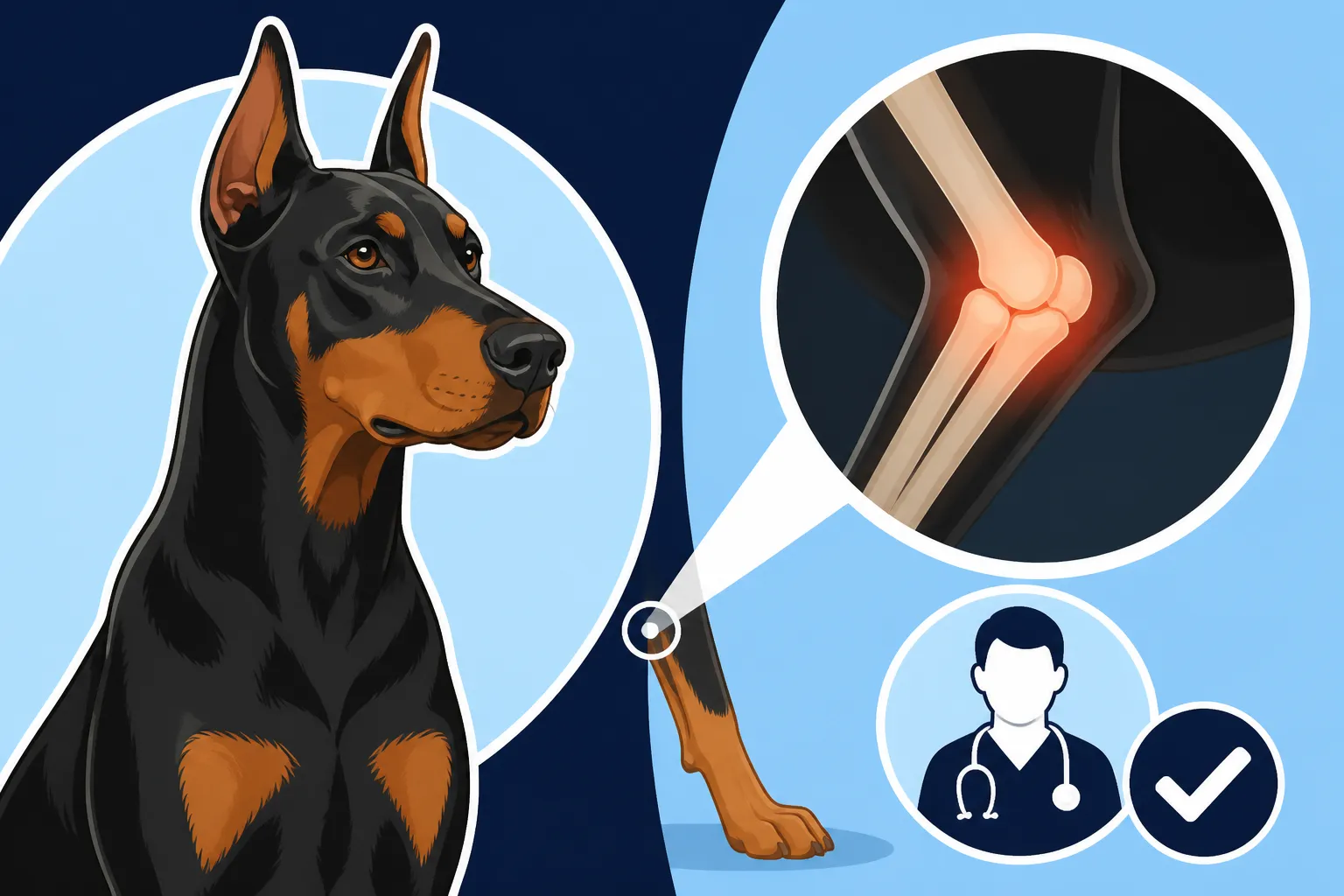
Whether a Doberman Elbow Is Ever Screened
It’s a common worry for Doberman owners: you’ve heard so much about hip dysplasia, heart disease, and those other big, scary health concerns that seem to loom over our beloved breed. But what about everything else? What about those less talked-about joints, like the elbows, that can cause just as much discomfort and heartache? This guide will dive deep into whether Doberman elbows are typically screened, why it matters, and what you, as a loving owner, need to know to ensure your Doberman's lifelong comfort.
Understanding Doberman Joint Health Challenges
When you bring a Doberman into your life, you're signing up for a dog with incredible athleticism, power, and often, a surprising amount of elegance despite their robust build. This combination of size, rapid growth, and active lifestyle makes joint health paramount. While most of the conversation rightly centers around Dilated Cardiomyopathy (DCM) and even hip issues, ignoring other crucial joints can lead to silent struggles for your loyal companion.
Beyond Hips: The Often-Overlooked Elbows
For many large and giant breeds, elbow screening is a cornerstone of responsible breeding and ownership. Think about breeds like German Shepherds, Labradors, or Golden Retrievers – their breeders meticulously screen for elbow dysplasia, and for good reason. Elbow dysplasia is a complex inherited condition affecting the elbow joint, and it can cause chronic pain and lameness, significantly impacting a dog's quality of life. In the Doberman world, however, the spotlight often falls heavily on the heart, leading to other structural concerns potentially being deprioritized. It's not that Dobermans are immune; it's simply that, historically, other issues have been seen as more prevalent or life-threatening. This doesn't mean we can afford to be complacent about their elbows.
Common Elbow Conditions in Large Breeds
Elbow dysplasia isn't a single disease but rather a catch-all term for several developmental abnormalities that can occur in the elbow joint. These typically include:
- Fragmented Coronoid Process (FCP): This is probably the most common component of elbow dysplasia. A small piece of bone or cartilage breaks off the coronoid process (part of the ulna bone in the elbow) and floats within the joint, causing pain and inflammation.
- Osteochondritis Dissecans (OCD): This occurs when cartilage separates from the underlying bone, often due to a disruption in the blood supply to the developing joint. It creates a flap of cartilage that can become dislodged, causing pain and joint instability.
- Ununited Anconeal Process (UAP): The anconeal process is another part of the ulna that normally fuses with the rest of the bone during growth. If it fails to unite, it can become a source of instability and pain.
- Elbow Incongruity: This refers to an abnormal fit between the bones of the elbow joint (radius, ulna, and humerus), which can lead to uneven weight distribution and excessive wear.
Any of these conditions, or a combination thereof, can lead to painful arthritis and degenerative joint disease over time. A Doberman suffering from any of these will often display lameness that might worsen after exercise, stiffness, or an altered gait. Sometimes, the signs can be subtle, especially in a dog known for its stoicism, which makes understanding proper screening all the more vital.
The Reality of Doberman Elbow Screening
You’d think that with a breed prone to so many health issues, every possible screening would be standard practice. However, the reality for Dobermans regarding elbow screening isn't as clear-cut as it is for some other breeds. It’s a point of contention and sometimes a blind spot, even for otherwise diligent breeders.
Official Screening Protocols and the Doberman
When we talk about official screening, the Orthopedic Foundation for Animals (OFA) comes to mind. OFA offers evaluation services for elbow dysplasia, along with hips, patellas, and other conditions. For many large breeds, an OFA elbow certification is considered a basic requirement for breeding stock. However, for Dobermans, while OFA does offer elbow evaluations, it's not universally mandated or even widely adopted by the Doberman Pinscher Club of America (DPCA) as a core recommendation in the same way that cardiac screening (like annual echo and Holter monitoring, discussed in Annual Echo and Holter Screening for a Doberman) or Von Willebrand's factor testing (see The Von Willebrand DNA Test for Dobermans) is.
This doesn't mean Dobermans don't get elbow dysplasia, but it does mean that breeders might not prioritize it as much. You might find breeders who dutifully show you paperwork for hips, eyes, and heart, but perhaps not for elbows. This isn't necessarily a sign of a bad breeder, but rather a reflection of the breed's historical focus and the perceived prevalence of certain health issues. It highlights why asking specific questions and understanding what should be screened, even if not widely practiced, is so important.
Why Elbows Might Be Overlooked in Doberman Breeding Programs
There are a few reasons why Doberman elbow screening might not receive the same attention as other health concerns. Firstly, the sheer number of severe genetic health issues that Dobermans face, particularly the devastating prevalence of The Heart Disease That Reaches Most Dobermans, often means breeders are already stretching their resources to cover the most critical, life-threatening conditions. Ensuring a Doberman is clear of the two known DCM genes (explored in The Two Doberman DCM Gene Tests) and routinely screened via echo and Holter is a significant undertaking, both financially and logistically.
Secondly, the visible incidence of severe, debilitating elbow dysplasia in Dobermans might be perceived as lower compared to some other breeds. While any Doberman can develop it, perhaps the manifestation is often milder or diagnosed later in life, sometimes masked by the dog's high pain tolerance. This isn't to say it doesn't happen or isn't painful, but perhaps it hasn't historically reached the level of a widespread, breed-defining crisis that demanded immediate, universal screening from a breed club perspective.
Lastly, the cost and effort involved in comprehensive health testing can be substantial. Each X-ray, each vet visit, each specialist consultation adds up. When you're already paying for multiple cardiac screens, thyroid panels (like those discussed in The Thyroid Numbers That Slow a Doberman Down), and other breed-specific tests, breeders might make tough decisions about what to prioritize, often focusing on conditions that are considered more common or severe for the breed. This creates a challenging situation for prospective owners who want to do everything right but might not even know to ask about elbow clearances.
When and Why to Consider Doberman Elbow Screening
Even if official screening isn't always the norm for Dobermans, it doesn't mean you should ignore potential elbow issues. Being aware of the signs and understanding when to advocate for screening can make a world of difference in your Doberman's comfort and long-term joint health.
Recognizing Signs of Elbow Discomfort
Dobermans are famously stoic, and they often mask pain until it becomes severe. This makes observing subtle changes in their behavior or movement incredibly important. Keep an eye out for:
- Lameness or limping: This might be intermittent, especially after exercise, or more pronounced after rest. You might notice it more in one front leg, or it could shift between legs.
- Stiffness: Difficulty getting up after lying down, a reluctance to jump, or a stiff, awkward gait, particularly in the mornings or after a long nap.
- Reluctance to exercise or play: A decrease in enthusiasm for walks, running, or fetch, or tiring faster than usual (which can also be a sign of A Doberman That Tires Faster Than It Used To due to heart issues, so always consider all possibilities).
- Abnormal gait: A choppy, short-strided walk with the head held low, or a noticeable shift in weight distribution to avoid putting pressure on a painful elbow.
- Licking or chewing at the elbow joint: Dogs often try to alleviate discomfort by grooming the affected area.
- Swelling or warmth around the joint: Though less common, these can indicate inflammation.
- Change in temperament: Pain can make even the sweetest Doberman irritable or withdrawn.
If you notice any of these signs, it's crucial to schedule a veterinary visit promptly. Don't wait, assuming it will "get better." Early diagnosis can lead to more effective management and better long-term outcomes.
Proactive Screening for Breeding Animals and High-Risk Lines
While Doberman elbow screening isn't universally mandated, many responsible breeders of other breeds wouldn't consider breeding an animal without clear elbow evaluations. For Dobermans, particularly those in active working lines or those with a family history of joint problems, proactive elbow screening should absolutely be considered. If a potential breeding dog shows any signs of lameness or discomfort during its growth, or if a breeder is aiming for the highest standards of genetic health, adding elbow radiographs to the standard health panel is a wise choice.
Some Doberman lines, especially those bred for extreme angulation or size, might inherently carry a higher risk for joint issues, including elbows. Discussing this with your breeder and asking about their commitment to comprehensive joint health, beyond just hips, is critical. Even if not specifically an "elbow breed," incorporating OFA elbow evaluations into a breeding program helps gather data and can gradually improve breed health over generations. This proactive approach benefits not only the individual dog but the entire breed's future.
The Screening Process: What to Expect
When you decide to have your Doberman's elbows screened, typically, this involves a series of X-rays. For official OFA evaluation, the dog must be at least 24 months old to get a final rating, though preliminary evaluations can be done earlier if there are concerns.
Here's what the process generally looks like:
- Veterinary Consultation: Your vet will perform a thorough physical examination, checking for range of motion, pain response, and any abnormalities in the elbow joints.
- Sedation: To get accurate, diagnostic-quality X-rays, your Doberman will usually need to be sedated or anesthetized. This ensures they are perfectly still and relaxed for positioning, preventing blurry images and minimizing stress.
- Radiographs (X-rays): Multiple views of each elbow are taken. These images are then typically submitted to the OFA for evaluation by a panel of veterinary radiologists. They look for signs of arthritis, bone fragments, joint incongruity, and other indicators of elbow dysplasia.
- Grading: OFA will grade the elbows as "Normal," "Grade I Elbow Dysplasia," "Grade II Elbow Dysplasia," or "Grade III Elbow Dysplasia." "Normal" is the desired outcome. Grade I indicates mild changes, while Grade III indicates severe arthritic changes.
- Alternative Imaging: In some cases, if X-rays are inconclusive or symptoms are persistent despite clear X-rays, your vet might recommend advanced imaging techniques like a CT scan or MRI. These can provide a much more detailed view of the bones and soft tissues, helping to identify subtle lesions that X-rays might miss.
Understanding these steps and discussing them with your veterinarian can help ease any concerns you might have. It’s an investment in your dog’s future mobility and comfort.
Managing and Preventing Elbow Issues in Dobermans
Whether your Doberman has been diagnosed with elbow dysplasia or you're simply aiming to keep their joints healthy, a proactive approach to care is essential. It's about supporting their skeletal structure from puppyhood through their golden years.
Nutritional and Exercise Considerations for Joint Health
Proper nutrition is foundational, especially during a Doberman's rapid growth phase. Feeding a high-quality, large-breed puppy food formulated for slow, steady growth is crucial. Overfeeding or feeding puppy foods with too high a caloric density can lead to excessive growth, putting undue stress on developing joints and increasing the risk of conditions like elbow dysplasia. Discuss appropriate Puppy Food Costs Through a Doberman's Growth with your veterinarian. Avoid supplements like calcium that might disrupt the delicate mineral balance needed for proper bone development unless specifically instructed by your vet.
Exercise needs to be carefully managed, particularly for puppies. While Dobermans are energetic, intense, repetitive, or high-impact activities (like long-distance running, jumping off high surfaces, or excessive stair climbing) should be limited during their first 12-18 months. Instead, focus on moderate, controlled exercise on soft surfaces, allowing for natural play and exploring. Once fully grown, they still benefit from a balanced routine that includes both cardiovascular exercise and muscle-building activities, without overstressing their joints. Swimming is often an excellent low-impact option.
Supportive Care and Treatment Options
If your Doberman is diagnosed with elbow dysplasia or another elbow condition, there are various ways to manage it, depending on the severity:
- Weight Management: Keeping your Doberman at a lean, healthy weight is perhaps one of the most impactful things you can do. Every extra pound puts additional stress on already compromised joints. Regularly check Reading Ribs and Hip Points on a Doberman to ensure they're at their ideal weight.
- Joint Supplements: Glucosamine, chondroitin, MSM, and omega-3 fatty acids can help support cartilage health and reduce inflammation. Brands like Dasuquin, Cosequin, or even specific veterinary formulas are often recommended. Discuss these with your vet to find the right regimen for your dog.
- Anti-inflammatory Medications: Non-steroidal anti-inflammatory drugs (NSAIDs) can be prescribed during flare-ups to manage pain and inflammation. Long-term use requires careful monitoring by your vet.
- Physical Therapy/Rehabilitation: A certified canine rehabilitation therapist can develop a tailored exercise program to strengthen muscles supporting the joint, improve range of motion, and reduce pain. This can include hydrotherapy, therapeutic exercises, and modalities like laser therapy.
- Surgery: For more severe cases, or if conservative management fails, surgical options are available. These can include arthroscopy (minimally invasive removal of fragmented cartilage), osteotomy (bone cutting to realign the joint), or even total elbow replacement in very rare, extreme cases. The decision for surgery is complex and depends on the specific condition, its severity, and the dog's age and overall health.
- Environmental Adjustments: Provide soft, orthopedic bedding (especially important for Bedding a Doberman With No Body Fat) and consider ramps for cars or steps to reduce jumping. Keep floors non-slip to prevent falls.
Regarding the cost of these treatments, it’s worth thinking about pet insurance. Companies like Healthy Paws offer comprehensive coverage that can be a lifesaver when dealing with chronic conditions like elbow dysplasia. Enrolling your Doberman before any symptoms appear is key, as conditions diagnosed before coverage begins are often considered pre-existing and may not be covered. Enrolling a Doberman Before Its First Echo applies not just to heart issues but all potential genetic predispositions.
The Role of Responsible Breeding in Improving Breed Health
Ultimately, the best way to reduce the incidence of elbow dysplasia and other genetic conditions in Dobermans is through responsible breeding practices. Breeders who prioritize comprehensive health testing, including optional screenings like elbows, are vital. This means:
- Screening Breeding Stock: All breeding animals should ideally undergo OFA elbow evaluations and only those with "Normal" results should be bred.
- Utilizing Genetic Data: Keeping meticulous records and understanding the pedigrees can help identify lines with higher incidences of elbow issues, allowing breeders to make informed pairing decisions.
- Transparency: Responsible breeders are open and honest about their dogs' health testing results, good or bad. They should be willing to share all certificates and discuss potential risks. A good breeder will have no problem showing you Reading a Doberman Puppy's Test Certificates.
- Educating Buyers: Breeders have a responsibility to educate prospective owners about the health concerns of the breed, including joint issues, and how to best care for a Doberman's growing body.
Supporting these breeders, even if it means a higher initial Doberman Puppy Prices From a Titled Breeder, is an investment in the long-term health and well-being of the Doberman breed. Pet insurance, such as through Healthy Paws, can help mitigate unexpected veterinary expenses that arise from conditions that might still occur despite careful breeding, offering peace of mind to new owners.
Doberman Joint Health Screening Overview
To help you keep track of what to look for and what screening options are available, here's a quick overview of common Doberman joint health concerns and their typical screening methods.
| Joint Concern | Common Symptoms | Primary Screening Method(s) | OFA Doberman Recommendation | Key Management/Treatment |
|---|---|---|---|---|
| Hip Dysplasia | Lameness, "bunny hopping" gait, reluctance to jump/climb, pain on palpation | X-rays (OFA, PennHIP) | Recommended | Weight control, joint supplements, NSAIDs, physical therapy, surgery (FHO, THR) |
| Elbow Dysplasia | Forelimb lameness (often subtle), stiffness after rest, decreased range of motion | X-rays (OFA) | Optional/Less Common | Weight control, joint supplements, NSAIDs, physical therapy, surgery (arthroscopy) |
| Wobbler Syndrome (CVI) | Hindlimb incoordination, scuffed nails, neck pain, abnormal gait (see A Doberman That Wobbles on Its Back Legs) | X-rays, MRI, CT scan | Not applicable (neurological) | Medical management (NSAIDs, steroids, rest), physical therapy, surgery (stabilization) |
| Osteosarcoma | Persistent lameness, swelling of limb, pain (see Osteosarcoma in a Doberman Leg) | X-rays, biopsy | Not applicable (cancer) | Amputation, chemotherapy, radiation therapy, pain management |
| Cruciate Ligament Injury | Sudden lameness in hindlimb, toe-touching, reluctance to bear weight | Physical exam (drawer test), X-rays | Not applicable (injury) | Rest, NSAIDs, physical therapy, surgery (TPLO, TTA, lateral suture) |
It’s important to remember that this table is a general guide. Your veterinarian is the best resource for specific recommendations tailored to your Doberman's individual health history and needs. Having a pet insurance plan from a provider like Healthy Paws can alleviate the financial burden of these potential health issues, allowing you to focus on getting your Doberman the best care possible without worrying about exorbitant vet bills.
Disclaimer
This article is for general informational purposes only and does not constitute professional advice. Laws, prices and regulations vary by location and change over time. Consult a qualified professional for guidance on your specific situation.