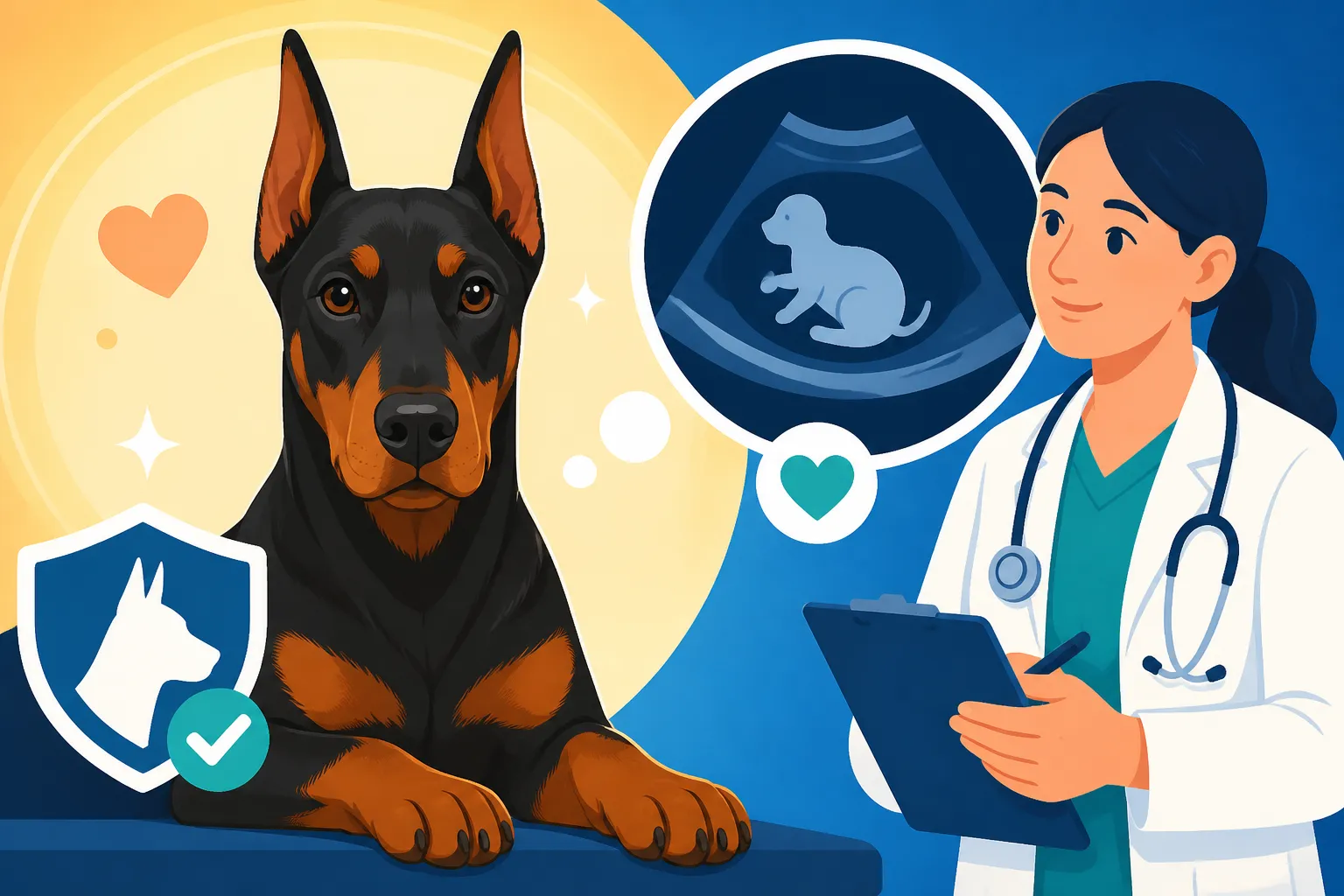
Enrolling a Doberman Before Its First Echo
Bringing a Doberman into your life is an absolute joy, but it also comes with a unique set of worries, especially concerning their health. Many prospective Doberman owners find themselves anxious about the breed's predisposition to certain serious conditions, like Dilated Cardiomyopathy (DCM), and wonder how to best prepare for the potential financial strain. This guide is here to walk you through the crucial steps of enrolling your Doberman in pet insurance before their first cardiac screening, helping you understand why timing is everything and how to secure the most comprehensive coverage for your beloved companion.
The Critical Window for Doberman Insurance Enrollment
The thought of dealing with a major health crisis for your Doberman is enough to keep any owner up at night. Beyond the emotional toll, the financial burden of diagnostics, specialist visits, and lifelong medication can be staggering. This is where pet insurance steps in, but for Dobermans, the timing of enrollment is particularly vital. It's not just about getting insurance; it's about getting the right insurance at the right time.
Why Pre-Echo Enrollment Matters So Much
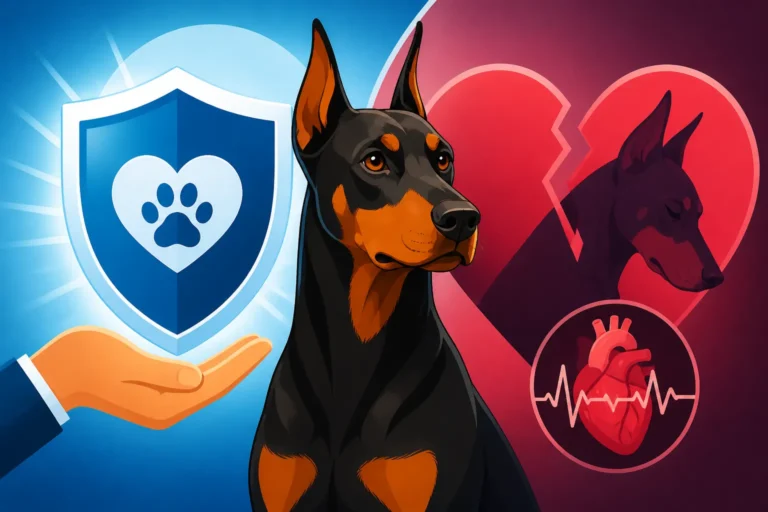
The biggest hurdle with pet insurance, and one that Doberman owners dread, is the concept of a "pre-existing condition." In simple terms, a pre-existing condition is any illness or injury that your pet showed signs of, or was diagnosed with, before your insurance policy's effective date or during its waiting period. For a breed like the Doberman, notoriously prone to heart conditions such as The Heart Disease That Reaches Most Dobermans, this definition becomes incredibly important.
Imagine you've just brought home your Doberman puppy, full of boundless energy and mischief. You're aware of the breed's health risks, but you decide to wait until they're a bit older, perhaps around two or three years old, to get their first cardiac echo and then think about insurance. What if, during that first echo, the cardiologist detects even a very subtle abnormality – a minor murmur, or a few premature ventricular contractions (PVCs) on an accompanying Holter monitor? Even if it's not a full-blown diagnosis of DCM, that finding, now documented in their veterinary records, could be flagged by an insurer as a pre-existing condition related to heart disease. This means that any future, more serious, cardiac issues stemming from that initial observation might be excluded from coverage. You'd be left to shoulder The Yearly Heart Bill for a Doberman entirely on your own, which, as many Doberman owners can attest, can quickly escalate into tens of thousands of dollars over the lifetime of a dog with chronic illness. Enrolling your Doberman as a young puppy, before any heart screenings have been performed or any subtle signs noted, is your best bet for ensuring that potential cardiac issues are considered new conditions under the policy, thus eligible for coverage.
Understanding Waiting Periods and Policy Activation
Pet insurance policies don't kick in the moment you sign up. They all have waiting periods – a specified length of time that must pass after you enroll before coverage for certain conditions begins. This is another crucial detail for Doberman owners. Typically, waiting periods vary:
- Accidents: Often the shortest, sometimes just a few days.
- Illnesses: Usually 14 to 30 days, depending on the provider.
- Orthopedic conditions (like ACL tears): These can have longer waiting periods, sometimes up to six months or even a year, though some insurers may waive them with an orthopedic exam.
For Dobermans, who are at high risk for diseases like DCM, the illness waiting period is the one to pay closest attention to. If you enroll your Doberman and then, during the 14-day waiting period, your dog suddenly collapses or shows signs of extreme fatigue, and a vet discovers a heart issue, that condition would likely be deemed pre-existing because its onset occurred before the waiting period for illness had elapsed.
The key here is to activate your coverage well in advance of any routine health checks, especially the annual echo and Holter screenings that are so vital for Dobermans. If you plan to have your Doberman's first echo and Holter at, say, two years of age, you should aim to enroll them in pet insurance at least a month or two beforehand, ideally even earlier, as soon as you bring them home. This way, any findings on those initial screenings would fall under a policy that has already passed its waiting periods, meaning the conditions detected would be covered, provided they weren't showing symptoms or diagnosed prior to enrollment. This strategy ensures you're proactively safeguarding your Doberman's future health care costs against unexpected, expensive conditions common to the breed.
Navigating Pet Insurance Policies for Dobermans
Choosing a pet insurance policy can feel like wading through a murky swamp of jargon and fine print. For Doberman owners, this task is even more daunting because of the breed's specific health vulnerabilities. It’s not just about finding any policy, but one that genuinely offers robust protection against the very conditions that make Dobermans such a financial risk to insure later in life.
What Doberman Owners Need in a Policy
When you’re looking at policies for your Doberman, you absolutely want a comprehensive accident and illness plan. Accident-only plans are generally cheaper, but they won't cover the long-term, expensive chronic diseases that Dobermans are known for. Wellness plans, while good for routine care like vaccinations and annual check-ups, don't cover unexpected illnesses or emergencies either. For a Doberman, the value lies squarely in robust illness coverage.
Here’s what to prioritize:
- Comprehensive Illness Coverage: This is non-negotiable. It needs to cover a wide range of conditions, especially those prevalent in Dobermans such as Dilated Cardiomyopathy (DCM), Wobbler Syndrome, hypothyroidism, and certain cancers. When reviewing policies, make sure they don't have blanket exclusions for genetic or hereditary conditions, or if they do, understand the specifics. Most reputable insurers, understanding the genetic predispositions of breeds, will cover these conditions as long as they aren't pre-existing before enrollment or during waiting periods.
- Specialist Visits: Your Doberman will likely see a board-certified veterinary cardiologist for their Annual Echo and Holter Screening for a Doberman. These specialist consultations and advanced diagnostics are significantly more expensive than general vet visits. Ensure your policy covers specialist fees generously.
- Diagnostic Tests: This includes echocardiograms (echos), Holter monitoring, blood tests (like the proBNP test for cardiac markers), X-rays, MRIs, and biopsies. For conditions like DCM, frequent echos and Holters are essential for monitoring progression. For Wobbler Syndrome, MRIs can be crucial for diagnosis. A good policy will cover these without excessive limits. You want to be able to get a clear picture of What a Doberman Echo Actually Measures without fearing the bill.
- Medication Coverage: Many Doberman-specific conditions require lifelong medication. For a Doberman diagnosed with DCM, they might be on a cocktail of drugs like pimobendan, furosemide, and enalapril for years. This can run hundreds of dollars monthly. A policy that covers prescription medications is paramount. Check if there are specific limits or exclusions on long-term medications.
- Emergency Care & Hospitalization: Should your Doberman experience a sudden collapse due to a cardiac event or need emergency surgery for bloat (gastric dilation-volvulus), hospitalization and emergency care can cost thousands in a single instance. Confirm your policy includes this.
When looking at providers, check their reputation regarding breed-specific conditions. Some, like Healthy Paws, are often praised for their comprehensive coverage and flexibility with specialists, making them a strong contender for breeds with specific health needs. Always read reviews specific to Doberman owners if possible.
Deductibles, Reimbursement Rates, and Annual Limits
Understanding the financial mechanics of pet insurance is just as important as knowing what it covers. These three terms dictate how much you'll pay out of pocket:
- Deductible: This is the amount you pay first, out of your own pocket, before your insurance company starts reimbursing you. Most policies offer annual deductibles, meaning you pay this amount once per policy year, regardless of how many claims you make. Deductibles can range from $100 to $1,000 or more. A lower deductible means higher monthly premiums, and vice-versa. For a Doberman, given the high likelihood of claims later in life, a reasonable deductible (e.g., $250-$500) might strike a good balance, especially if you anticipate multiple claims in a year.
- Scenario: Let's say your Doberman, insured with a $250 annual deductible, requires emergency hospitalization for an arrhythmia. The bill comes to $3,000. You pay the first $250, and then your reimbursement rate kicks in.
- Reimbursement Rate: This is the percentage of the covered vet bill that the insurance company pays after your deductible has been met. Common rates are 70%, 80%, or 90%. A higher reimbursement rate means less out-of-pocket expense for you but a higher monthly premium. For a Doberman facing expensive, chronic conditions like DCM, a 90% reimbursement rate can make a significant difference over years of treatment.
- Scenario (continued): With a 90% reimbursement rate, after your $250 deductible, the remaining $2,750 of the bill is covered at 90%. The insurer pays $2,475, and you pay $275. Your total out-of-pocket for this incident is $250 (deductible) + $275 (10% co-pay) = $525.
- Annual Limit: This is the maximum amount your insurance company will pay out in a policy year. Some plans have unlimited annual limits, which is incredibly valuable for Dobermans, as treatment for conditions like DCM or Wobbler Syndrome in the Doberman can easily exceed $10,000 per year, especially in advanced stages or if surgery is required. Other plans might cap payouts at $5,000, $10,000, or $20,000. For a breed with such significant health risks, an unlimited annual limit or a very high limit ($20,000+) is highly recommended to avoid hitting a cap in the middle of ongoing treatment.
When comparing policies, think about your financial comfort level. Can you comfortably afford a higher monthly premium for a lower deductible and higher reimbursement rate, knowing it will save you more in the long run if your Doberman does develop a serious condition? Or do you prefer a lower monthly premium and are prepared to pay more at the time of claim? Platforms like Chewy often allow you to easily compare different deductible, reimbursement, and annual limit options from various providers, helping you visualize the impact on both your premiums and potential out-of-pocket costs. Consider what Lifetime Heart Medication for a Doberman might cost, and ensure your annual limit is generous enough to cover it.
The "Pre-Existing Condition" Minefield for Dobermans
The term "pre-existing condition" is perhaps the most anxiety-inducing phrase for any Doberman owner considering pet insurance. It's the primary reason many well-meaning owners end up with policies that offer little to no help when their dog eventually faces a serious health challenge. Understanding exactly how this term is applied, especially to a breed with known genetic predispositions, is paramount to securing effective coverage.
Defining a Pre-Existing Condition in the Context of a Doberman's Health
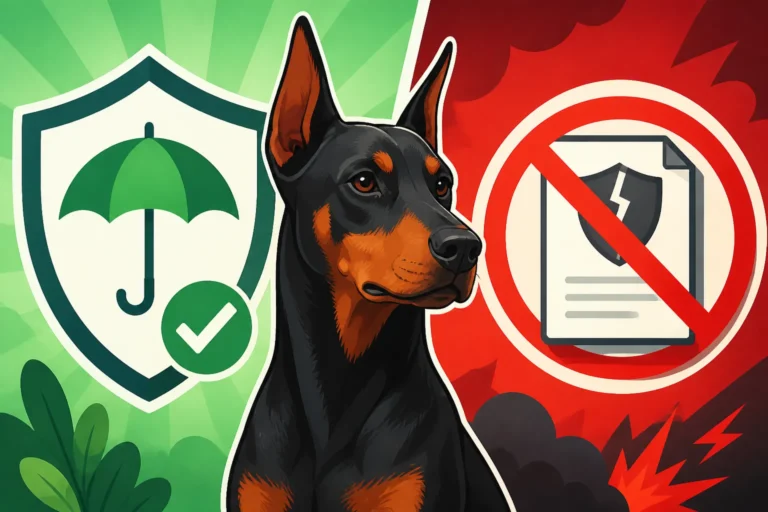
For pet insurance companies, a pre-existing condition isn't just about a formal diagnosis. It can be any illness, injury, or even signs or symptoms of an illness or injury that were observed by you, a veterinarian, or documented in your pet's medical records before the start of your policy or during its waiting periods. This is a critical distinction, particularly for Dobermans.
Let's look at some Doberman-specific examples:
- Cardiac Issues: Your Doberman might seem perfectly healthy, but during a routine puppy check-up, your vet notes a very faint, grade 1 heart murmur. They might say, "It's probably innocent, let's just keep an eye on it." You then enroll your Doberman in insurance. Later, at age three, a cardiologist diagnoses DCM. Because that murmur was noted before enrollment, even if it wasn't diagnosed as DCM at the time, the insurer could deem the DCM a pre-existing condition, as the murmur was a potential sign of underlying cardiac issues. Similarly, if your Doberman has an early Holter monitor done to check for How Many Dobermans Develop DCM and it shows a few PVCs, even if within a "normal" range for a Doberman, that data is now in the medical record. If later, more severe arrhythmias develop, the initial PVCs could be used to deny coverage. This is why enrolling before any heart checks is so important. Many Dobermans can Why a Doberman Can Look Fine and Be Ill for years before symptoms become apparent.
- Orthopedic/Neurological Issues: Imagine your Doberman puppy occasionally "knuckles over" on a front paw or seems a little wobbly on their back legs. You mention it to your vet, who attributes it to clumsy puppyhood. Months later, the symptoms worsen, and they're diagnosed with Wobbler Syndrome. The initial, seemingly innocuous observation could be enough for an insurer to consider it pre-existing.
- Thyroid Issues: If your vet notes your Doberman is slightly lethargic and recommends a thyroid panel, and then you get insurance, any future hypothyroidism diagnosis could be considered pre-existing if the initial symptoms or tests occurred before your policy was active.
The difference between a "curable" and "incurable" pre-existing condition also matters. Some insurers might cover a curable condition after a certain symptom-free period. For instance, if your Doberman had a single ear infection that fully resolved and hasn't recurred for 180 days, some policies might then cover future ear infections. However, for chronic, incurable conditions common in Dobermans like DCM, Wobbler, or hypothyroidism, if they are deemed pre-existing, they are usually permanently excluded from coverage under that policy. This makes early enrollment for your Doberman a non-negotiable strategy.
How Insurance Companies Investigate Doberman Health History
It's natural to think, "If my vet hasn't officially diagnosed anything, how would the insurance company know?" The reality is, they will know. When you submit your first claim, or sometimes even upon enrollment, your pet insurance company will request your Doberman's full veterinary medical records. This typically includes records from every vet clinic your dog has visited since puppyhood.
Here's how the process generally unfolds:
- Record Request: The insurer will contact your veterinarian(s) to obtain a complete history of your Doberman's health. This isn't just about official diagnoses; it includes every note, observation, and test result from every visit, from routine vaccinations to minor scrapes.
- Veterinary Review: A veterinary professional employed by the insurance company will meticulously review these records. They are trained to look for any mention of symptoms, even vague ones, that could relate to a future claim. If a vet note says, "owner reports dog occasionally coughs after exercise," and later your Doberman is diagnosed with DCM (a common symptom of which is coughing due to fluid on the lungs), the insurer might link the two.
- Determination of Pre-Existing Status: Based on this review, the insurer will decide if any condition for which you're claiming is pre-existing. They will then inform you which conditions, if any, are excluded from coverage.
The key takeaway here is absolute transparency. Never withhold information or try to misrepresent your Doberman's health history. Doing so could lead to your policy being voided entirely. The best defense against pre-existing condition exclusions is proactive enrollment when your Doberman is as young and healthy as possible, ideally before any screenings that might reveal breed-specific predispositions. Some modern insurers, like those found through Chewy's pet insurance offerings, aim for more streamlined claims processes, but the underlying principle of scrutinizing vet records remains.
Choosing the Right Time and Plan for Your Doberman
Deciding when and how to insure your Doberman is a significant decision that can impact their healthcare throughout their life. It's about strategic planning to ensure they have the safety net they deserve without leaving you financially vulnerable.
Ideal Age for Doberman Insurance Enrollment
For Doberman owners, the answer is simple: enroll your Doberman in pet insurance as young as possible. Ideally, this means as a puppy, soon after you bring them home. Most insurers will allow enrollment for puppies as young as 6-8 weeks old.
Why is this so crucial for Dobermans?
- Clean Slate: Puppies generally come with a clean bill of health. By enrolling them early, you establish a baseline before any potential health issues related to the breed, like The Age Doberman Heart Disease Usually Starts (which can be as early as 2-3 years old), have a chance to manifest or be noted in vet records. This makes it far less likely that a future serious condition will be labeled pre-existing.
- Lower Premiums: Pet insurance premiums are typically lower for younger, healthier animals. As your Doberman ages, the risk of them developing various conditions increases, and so do the premiums. Locking in coverage early can mean more affordable rates over their lifetime.
- Longer-Term Protection: By insuring them early, you ensure continuous coverage as they enter the "DCM years" (typically 4-8 years of age) and beyond. This consistent coverage is invaluable when considering the breed's Doberman Lifespan and Why It Is Short due to health challenges.
- Peace of Mind: Knowing that your Doberman is covered for potential future health issues from a young age provides immense peace of mind. You won't have to second-guess seeking a specialist opinion or undergoing expensive diagnostics because of cost concerns.
Waiting until your Doberman is older, say two or three years old and approaching their first cardiac screening, is a risky gamble. Even if they appear healthy, subtle, undiagnosed issues could be present, and any findings on those screenings would then be considered pre-existing by a new insurer. Therefore, making pet insurance a priority, alongside quality food and training, for your Doberman puppy is truly the smartest move.
Comparing Providers and Getting Quotes
The pet insurance market offers a variety of providers, and what works best for one Doberman owner might not be ideal for another. It's essential to do your homework and compare options thoroughly.
Here's how to approach comparing providers:
- Start with Reputable Companies: Look for well-established pet insurance companies with a good track record and positive customer reviews, particularly those with experience insuring breeds known for specific health issues. Brands like Healthy Paws, known for their unlimited annual benefits and broad coverage, are often popular among Doberman owners.
- Get Multiple Quotes: Don't settle for the first quote you receive. Get quotes from at least three to five different providers. Many online platforms, like Ollie and Chewy, offer tools that let you compare quotes side-by-side, making the process much easier.
- Review Sample Policies: Ask for a sample policy document or thoroughly read the terms and conditions online. Pay close attention to:
- Exclusions: Are there any blanket exclusions for hereditary or congenital conditions? Are there specific breed exclusions? (Dobermans are rarely breed-excluded, but it's worth checking).
- Waiting Periods: Confirm the waiting periods for accidents, illnesses, and orthopedic conditions.
- Coverage for Diagnostics & Specialists: Reconfirm that essential procedures like echos, Holters, MRIs, and specialist cardiologist fees are covered.
- Medication Coverage: Important for chronic conditions.
- Chronic Condition Coverage: Ensure the policy explicitly states how it handles ongoing, chronic conditions, as this is critical for Dobermans.
- Check Customer Service and Claims Process: How easy is it to file a claim? What is the typical reimbursement time? Read reviews about customer service responsiveness and how claims are handled, especially for large or complex claims. You want an insurer that will support you, not add stress during a difficult time.
Here's a simplified comparison table to help you think through key decision points when getting quotes:
| Feature | Option A (High Premium, High Coverage) | Option B (Mid-Range Premium, Balanced Coverage) | Option C (Lower Premium, Basic Coverage) |
|---|---|---|---|
| Annual Deductible | $100 | $250 | $500 |
| Reimbursement Rate | 90% | 80% | 70% |
| Annual Limit | Unlimited | $15,000 | $10,000 |
| Waiting Period (Illness) | 14 Days | 14 Days | 30 Days |
| Coverage Focus | Comprehensive, including specialists & meds | Good for emergencies & chronic conditions | Best for unexpected accidents & common illnesses |
| Ideal Doberman Use Case | Maximizing financial protection for any severe condition | Good balance for common Doberman issues, some out-of-pocket | Budget-friendly, but potentially insufficient for long-term chronic care |
Remember, the goal is to find a plan that not only fits your budget but also offers robust coverage against the specific health challenges your Doberman might face. Early enrollment and careful selection are your best allies in providing a long, healthy, and financially protected life for your Doberman. The information gleaned from The Health Testing a Doberman Breeder Must Show for the parents can give you an idea of potential risks, but insurance remains a critical safety net.
Beyond the First Echo – Maintaining Coverage
Getting your Doberman enrolled in pet insurance before their first echo is a huge first step, but it’s just the beginning. The real value of that early enrollment comes from maintaining continuous coverage throughout your Doberman’s life. Think of it as a long-term partnership with your insurer, one that truly pays off when those inevitable age-related or breed-specific health issues begin to appear.
Annual Renewals and Policy Changes
Pet insurance policies are typically renewed annually. This process is generally straightforward, but it's crucial to understand a few things:
- Premium Increases: It's common for premiums to increase at renewal. This can be due to a few factors: your Doberman getting older (increased risk profile), inflation in veterinary costs, and potentially even claims you’ve made in the previous year. While it can be frustrating to see your premium go up, remember that the coverage you secured when your Doberman was young and healthy is still in place for conditions that might now be considered chronic.
- The Crucial Aspect of Continuous Coverage: This is where early enrollment truly shines. Once a condition, such as DCM or Wobbler Syndrome, is covered under your existing policy, it will continue to be covered as long as you maintain that policy and pay your premiums. This means diagnostics, medications, and specialist visits for that specific condition will continue to be reimbursed, subject to your policy’s terms. If you were to cancel your policy and try to enroll with a new provider after your Doberman has been diagnosed with a chronic condition, that condition would immediately be considered pre-existing by the new insurer and would almost certainly be excluded from coverage. This is a critical point that many owners overlook until it's too late. You might also want to review How Much Longer Early Treatment Buys a Doberman to underscore the importance of continuous access to care.
- Policy Adjustments: While rare for core accident/illness policies, insurers might occasionally make minor adjustments to terms or coverage. It’s always wise to review your renewal documents carefully each year and contact your provider if anything is unclear or concerning. Sometimes, you might be offered different deductible or reimbursement options at renewal, allowing you to adjust your premium if your financial situation has changed.
In essence, once you have that solid policy in place for your Doberman, especially one covering conditions like DCM before any symptoms or diagnoses appear, holding onto it is paramount. The cost of renewing, even with slight increases, pales in comparison to the potential out-of-pocket expenses for a Doberman with a chronic, uninsured condition.
The Long-Term Value of Early Insurance
Looking at the breed's statistics, Dobermans are prone to several serious health issues, with Dilated Cardiomyopathy (DCM) being particularly devastating. Whether the Heart Takes Most Dobermans is a question that weighs heavily on every Doberman owner's mind, and the answer, unfortunately, is often yes. This isn't a "what if" scenario for many Dobermans; it's often a "when."
The long-term value of early pet insurance enrollment for your Doberman can be quantified in both financial and emotional terms:
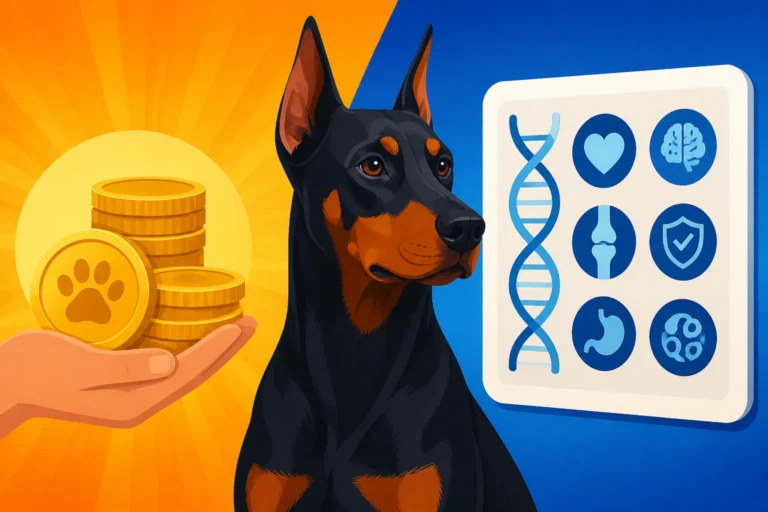
- Financial Security: Imagine your Doberman is diagnosed with DCM at age 5. With early enrollment, your policy covers the regular cardiac check-ups, repeated echos, Holter monitors, blood work, and the lifelong cocktail of medications. These costs can easily run into thousands of dollars annually. Over the typical course of DCM progression, you could easily be looking at $10,000 to $20,000, or even more, in veterinary expenses. A policy with a high reimbursement rate and a strong annual limit (or unlimited) can save you the vast majority of these costs. This allows you to focus on getting your Doberman the best possible care without being forced to make agonizing decisions based solely on your bank account. It fundamentally changes What a Doberman Costs Month to Month when a chronic condition arises.
- Access to Best Care: With insurance in place, you’re empowered to pursue the best veterinary care available, including specialists like cardiologists or neurologists, advanced diagnostics like MRIs, and innovative treatments. You won't feel pressured to opt for less comprehensive, cheaper options due to financial constraints. This truly improves your Doberman’s quality of life and potentially extends it.
- Peace of Mind: Perhaps the most profound benefit is the peace of mind. Knowing that you’ve done everything possible to protect your Doberman, both in terms of preventive care and financial planning, allows you to enjoy their companionship without the constant dread of impending medical bills. When a health crisis hits, and it often does for this beloved breed, you can focus all your energy on supporting your Doberman, rather than scrambling to figure out how to pay for treatment.
In conclusion, enrolling your Doberman in a robust pet insurance policy as a young puppy, well before any health screenings or potential symptoms emerge, is one of the most responsible and loving decisions you can make. It transforms the overwhelming financial burden of managing breed-specific conditions into a manageable monthly premium, ensuring your Doberman receives the best possible care throughout their treasured life.
Disclaimer
This article is for general informational purposes only and does not constitute professional advice. Laws, prices and regulations vary by location and change over time. Consult a qualified professional for guidance on your specific situation.