Leaving a Doberman With Someone Else
Leaving your beloved Doberman with someone else, even for a short trip, can feel like an emotional high-wire act. These dogs aren't just pets; they're deeply ingrained family members, and their intense loyalty often makes separation anxiety a very real concern for both them and their devoted owners. This comprehensive guide aims to ease your worries by detailing everything you need to know, from preparing your Doberman emotionally to selecting the perfect caregiver, ensuring your time away is as stress-free as possible for everyone involved.
Understanding Your Doberman's Unique Attachment and Needs
Dobermans are renowned for their unwavering devotion and tendency to form incredibly strong bonds with their human families. This trait, while endearing, often means that leaving them with unfamiliar people or in new environments can be particularly challenging. It's crucial to understand the roots of this attachment to properly prepare your Doberman for your absence.
The "Velcro" Doberman Phenomenon
If you own a Doberman, you’re probably familiar with the term "Velcro Doberman." It's not just a cute nickname; it’s an accurate description of a breed characteristic that stems from their history as personal protection dogs. They were bred to be constant companions to their owners, always alert and ready to act. This deep-seated instinct translates into a profound need for proximity and reassurance from their chosen people. They often follow you from room to room, lean against your leg, and seem to know your every move, making them feel like an extension of yourself.
This intense connection means that when you're not around, your Doberman can truly feel your absence. They don't just miss you; they can experience a significant disruption to their perceived sense of security and purpose. This isn't a flaw in their character; it's just how they're wired. Trying to fight this inherent need can be counterproductive, leading to frustration for both you and your dog. Instead, understanding and working with this trait is key to helping them cope when you need to be away. For a deeper dive into this phenomenon, you might find our article on Where the Velcro Doberman Nickname Comes From helpful.
Recognizing Signs of Stress and Separation Anxiety
It's vital to differentiate between a Doberman simply missing you and one experiencing genuine separation anxiety. While some mild pining is normal, full-blown anxiety manifests in more destructive or distressing ways. Your Doberman might start exhibiting behaviors they don't usually do, such as incessant barking or howling, destructive chewing, or inappropriate urination or defecation, even if they are perfectly house-trained. They might also try to escape their confinement, often injuring themselves in the process.
Beyond these more obvious signs, look for subtle cues like excessive drooling, panting even when not hot, pacing, or an inability to settle. Some Dobermans become withdrawn and refuse to eat or play. It’s heart-wrenching to witness, and it’s a clear signal that your dog is truly struggling with the separation. These behaviors aren't out of spite; they are panic responses. If you've ever heard a Doberman's distressed vocalizations, you know it's not just a bark—it can be a desperate, soul-piercing cry, as described in A Doberman That Screams the Moment the Door Shuts. Addressing these issues through training, environmental enrichment, and sometimes even medication can be crucial for your Doberman's well-being.
The Importance of a Structured Routine
Dobermans are highly intelligent and thrive on predictability. A consistent daily routine provides a framework of security for them, reducing uncertainty and making them feel safe. This includes consistent meal times, regular potty breaks, predictable exercise schedules, and even dedicated playtime or training sessions. When this routine is abruptly changed, especially in conjunction with your absence, it can amplify any existing anxieties.
Imagine their day: they know when they'll eat, when they'll go for a walk, and when they'll get cuddle time. When you leave, not only is their primary attachment figure gone, but their entire world can feel like it's been turned upside down if their schedule isn't maintained. This is why conveying their exact routine to any caregiver is paramount. Sticking to their schedule as closely as possible, even with a different person, helps bridge the gap and provides a sense of normalcy during a potentially stressful time.
Choosing the Right Care Environment and Caregiver
Once you understand your Doberman's deep needs, the next critical step is finding the perfect temporary home and caregiver. This isn't a decision to be taken lightly, as the wrong environment or person can exacerbate stress and lead to negative experiences for your dog.
In-Home Pet Sitters vs. Boarding Facilities
The choice between an in-home pet sitter and a boarding facility is one many Doberman owners grapple with. Both have their merits and drawbacks, but for a Doberman, the nuances can be particularly significant.
In-Home Pet Sitters: Many Doberman owners find an in-home pet sitter to be the less disruptive option. Your Doberman gets to stay in their familiar environment, surrounded by their own scent, their own bed, and their usual routine. This minimizes the stress of new smells, sounds, and other dogs that a boarding facility might present. A good pet sitter can also maintain your Doberman's feeding schedule, exercise routine, and even continue any training you're working on. For dogs prone to anxiety or those with specific dietary needs, like those on an Ollie customized food plan, an in-home sitter can ensure consistency. They might also offer overnight stays, providing companionship that a Doberman craves. The downside can be cost, especially for extended periods, and the challenge of finding a truly reliable, experienced sitter who understands the Doberman temperament.
Boarding Facilities: On the other hand, a reputable boarding facility offers a controlled, secure environment with staff trained in animal care, often available 24/7. Some facilities even have specialized programs for high-energy breeds or those with social needs. However, for a Doberman, boarding can be a mixed bag. Many Dobermans, especially those with strong guarding instincts, may find the constant presence of other dogs and strangers stressful. Their lean physique also means they feel the cold easily, so adequate heating is crucial. Some facilities, sadly, have breed restrictions, making it hard to find a place that will even accept a Doberman, as discussed in Boarding Kennels That Turn a Doberman Away. If you do opt for boarding, look for facilities that offer individual runs, plenty of outdoor exercise time, and attentive staff who understand Doberman behavior, rather than just basic dog handling. A fantastic facility can be a wonderful, safe place, but a poor one can be a nightmare.
Screening Potential Caregivers: What to Ask
Selecting the right person or place is paramount. You wouldn't trust just anyone with your child, and your Doberman deserves the same level of scrutiny. When interviewing pet sitters or touring boarding kennels, come prepared with a detailed list of questions.
For a pet sitter, you'll want to inquire about their experience specifically with Dobermans or similar large, high-drive breeds. Ask for references and always check them. What is their emergency protocol? Do they have pet first aid certification? How many other dogs will they be caring for at the same time? Are they insured and bonded? It's essential they understand the nuances of a Doberman's guarding tendencies and their need for mental stimulation, not just physical exercise. For example, if your Doberman needs specific medication timings, confirming their ability to administer it reliably is non-negotiable, a topic we cover in Finding a Sitter Who Can Dose a Doberman.
When evaluating a boarding facility, ask about staff-to-dog ratios, daily exercise routines, and where the dogs sleep. Are Dobermans segregated from smaller or less tolerant breeds? How often are dogs let out? What is their policy on playtime, and is it supervised? Critically, ask about their veterinary partnerships and emergency procedures. Observe the cleanliness, the demeanor of the staff, and how the current canine residents appear—are they stressed or relaxed? A facility that welcomes your questions and allows multiple visits is usually a good sign. Don't be afraid to be thorough; your peace of mind and your Doberman's comfort depend on it.
The Benefits of a Trial Run
This step is often overlooked, but it's arguably one of the most crucial, especially for a Doberman. A trial run isn't just a courtesy; it's a vital diagnostic tool. Before you jet off for a week, arrange for your Doberman to spend a shorter period with the chosen caregiver or at the facility. This could be an afternoon, a full day, or even an overnight stay.
This allows your Doberman to get acquainted with the new environment and person while you're still nearby. It gives the caregiver a chance to learn your dog's quirks, habits, and any potential challenges firsthand, under less pressure. You'll be able to observe how your Doberman reacts upon pick-up – are they stressed, relieved, or happy and relaxed? A successful trial run builds confidence for everyone involved, reducing anxiety significantly when the actual, longer separation occurs. It's an investment of time and perhaps a small fee, but the peace of mind it provides is priceless.
Preparing Your Doberman for Your Absence
Even with the perfect caregiver and environment, your Doberman still needs your help to prepare for your absence. Thoughtful preparation can make a world of difference in how well they cope.
Gradual Desensitization and Alone Time Training
One of the most effective ways to mitigate separation anxiety in your Doberman is to gradually accustom them to being alone, long before your departure. This isn't about ignoring them, but rather about teaching them that your absence is not a cause for panic and that you will always return. Start small: leave them alone for five minutes, then ten, then thirty, slowly increasing the duration over weeks or even months. Make these departures and arrivals calm and undramatic. No big goodbyes or overly enthusiastic hellos. The goal is to make alone time a normal, non-eventful part of their routine.
Provide high-value, long-lasting enrichment items, like a Kong filled with frozen peanut butter or a puzzle toy, just before you leave. This distracts them and creates a positive association with your departure. You can also practice "fake departures" where you grab your keys, put on your shoes, and then sit back down, desensitizing them to your pre-departure cues. Consistency is key here. For further guidance on how to systematically build up your dog's ability to cope, explore our article on Building a Doberman's Alone Time From Minutes. Understanding How Long a Doberman Copes Alone is also important for setting realistic expectations.
Creating a Comfort Kit and Detailed Instructions
Once your caregiver is chosen, assembling a comprehensive "comfort kit" and writing out detailed instructions is essential. This kit should include enough of their regular food for the entire stay (plus a little extra, just in case), their favorite treats, any medications clearly labeled with dosage and frequency, and familiar bedding or a favorite blanket that smells like home. Don't forget their beloved toys! Having these familiar items around can provide a sense of security and continuity. For dogs on specialized diets, platforms like Chewy offer convenient auto-ship options, ensuring your sitter has a steady supply of your Doberman's specific food.
The written instructions are equally important. Beyond food and medication, detail your Doberman’s exact daily routine: when they eat, when they go out for potty breaks, how long their walks typically are, their favorite games, and any command words you use. Include details about their temperament – are they shy with strangers? Do they try to chase squirrels? Are they wary of certain sounds? List your veterinarian's contact information, an emergency contact (if you're unreachable), and your own contact details. Consider using a template or creating a simple binder. A table like the one below can be a helpful starting point for organizing information for your caregiver.
| Category | Essential Information to Provide | Notes for Doberman Owners |
|---|---|---|
| Contact Info | Your phone, email, emergency contact (neighbor/friend), Vet's phone, address, and client ID. | Ensure your vet knows your Doberman will be with a sitter/boarder and has your authorization on file for treatment decisions. |
| Dietary Needs | Brand/type of food, amount per meal, feeding times, any supplements, allergies, forbidden foods. | Dobermans can be prone to bloat, so emphasize no exercise before/after meals. If using specialized food like from Ollie, ensure clear instructions on preparation and portioning. |
| Medications | Name of medication, dosage, frequency, administration instructions (e.g., with food). | Double-check that your sitter is comfortable and capable of administering meds, especially if complex. Make sure there's enough supply for the entire stay. |
| Daily Routine | Wake-up time, potty breaks, walk schedule (length/route), playtime, bedtime. | Dobermans thrive on routine; consistency here will greatly reduce stress. Detail specific commands used during walks (e.g., "heel," "leave it"). |
| Behavior/Temperament | Fear triggers (thunder, strangers, etc.), dog reactivity, stranger greetings, guarding tendencies. | Crucial for Dobermans. Explain how they react to visitors, delivery people, or other dogs. Advise on management strategies (e.g., crating when guests arrive, muzzle training if necessary). |
| Exercise Needs | Type (walks, fetch, puzzle toys), duration, intensity, mental stimulation activities (e.g., Kongs). | Dobermans need both physical and mental exercise. Provide puzzle toys or specific games your dog enjoys to keep them engaged. |
| House Rules | Furniture privileges, crating instructions (when, how long), access to certain rooms. | Clear boundaries help your Doberman feel secure and prevent behavioral issues. |
| Emergency Info | What to do in case of illness/injury, fire, escape. | Provide clear steps and contact numbers for each scenario. |
Maintaining Consistency in Routine and Discipline
This cannot be stressed enough: consistency is paramount when you're away. Your Doberman looks to routine and clear boundaries for security. If their usual schedule is thrown off, or if the caregiver's rules conflict with yours, it can create anxiety and confusion. For instance, if your Doberman is used to two long walks a day and only gets one short one, they'll be left with pent-up energy that can lead to destructive behaviors.
Ensure your caregiver is fully briefed on your Doberman's training cues and discipline methods. If you use positive reinforcement, they should too. If certain areas are off-limits, they need to enforce that. Providing a written guide for commands, treats, and rules helps immensely. The goal is for your Doberman's day-to-day life to feel as normal and predictable as possible, even with a different human at the helm. This continuity reinforces good behavior and reduces the likelihood of stress-induced regression.
Managing Medical Needs and Emergencies While Away
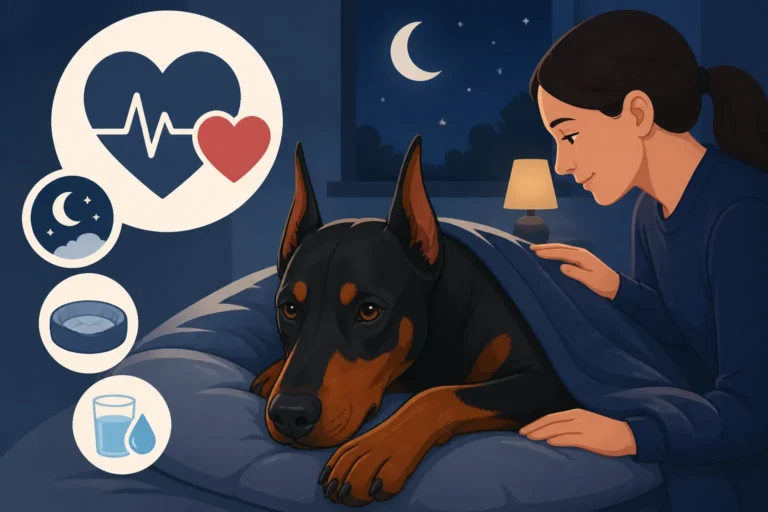
Dobermans, unfortunately, are predisposed to several serious health conditions, particularly cardiac issues like Dilated Cardiomyopathy (DCM). This makes managing their health, especially in your absence, a top priority. Having a clear plan for medical needs and emergencies is not just good practice; it's absolutely essential.
Communicating Health History and Medications
Before you leave, you need to provide your caregiver with a comprehensive overview of your Doberman's health history. This includes any chronic conditions, past injuries, allergies, and the details of their current medication regimen. Write everything down clearly: the name of the medication, the exact dosage, the frequency, and any specific instructions for administration (e.g., "give with food," "must be given exactly 12 hours apart"). It's also wise to pre-portion medications into daily pill organizers to prevent errors.
Crucially, inform your veterinarian that your Doberman will be under the care of someone else and provide them with the caregiver's contact information. Authorize your vet to treat your dog in your absence and discuss payment arrangements. This foresight can save precious time in an emergency situation. For Dobermans on medication for conditions like heart disease or those with specific dietary requirements due to issues like copper liver disease, this level of detail is even more critical. If your Doberman is prone to sudden health changes, like a rapid decline in appetite, information from articles like A Doberman That Suddenly Stops Eating could be invaluable for your sitter to be aware of.
Planning for Veterinary Emergencies
No one wants to think about their Doberman having a medical emergency while they're away, but being prepared can make all the difference. Beyond communicating health history, you need a robust emergency plan. First, ensure you have an emergency fund readily available, or that your credit card limits are sufficient to cover unexpected veterinary costs, which can easily run into thousands for Doberman-specific issues like bloat surgery or cardiac crises. Platforms like Healthy Paws pet insurance can be a lifesaver here, covering a significant portion of unexpected bills, especially given the Doberman's breed-specific health challenges. Make sure your caregiver knows you have insurance and how to contact them.
Provide your caregiver with clear instructions on when to contact you, when to contact the vet, and when to proceed with emergency treatment without your immediate approval if you are unreachable. Identify the closest 24-hour emergency veterinary hospital in addition to your regular vet. Give your caregiver a small amount of cash or a pre-paid debit card for initial emergency expenses, like taxi fare or a deposit at the emergency clinic. Having a clear, actionable plan helps your caregiver act swiftly and confidently during what would undoubtedly be a stressful time. For more information on potential emergency costs, you might want to review our article on Emergency Vet Fees for a Collapsing Doberman.
Special Considerations for Older or Medically Fragile Dobermans
Leaving an older Doberman or one with pre-existing, delicate medical conditions presents an even greater challenge. These dogs often require a more specialized level of care, and their routines may be more rigid. An older Doberman might have arthritis, requiring specific medications and slower, shorter walks. They may have cognitive decline, making changes in environment particularly disorienting. For more information on caring for senior Dobermans, see Screening an Older Doberman More Often.
For these dogs, an in-home sitter is almost always preferable to a boarding facility, as it maintains their familiar surroundings and minimizes stress. Ensure the caregiver is experienced with senior dog care, including assisting with mobility, administering multiple medications, and monitoring for subtle changes in health or behavior. You might even consider having a veterinary technician or someone with a medical background as a caregiver. Create a daily log for the caregiver to fill out, noting food intake, water consumption, potty breaks, and any unusual observations. This meticulous approach helps keep everyone informed and ensures your cherished Doberman receives the tailored care they need during your absence. Understanding how to provide comfort for a Doberman in declining health, as explored in Keeping a Failing Doberman Comfortable at Home, can also inform your caregiver's approach.
The Return Home: Re-establishing Connection and Routine
After your absence, the reunion with your Doberman is bound to be a moment of exuberant joy, but it's important to manage it thoughtfully. The goal is to make the transition back to normalcy as smooth and stress-free as possible for your dog.
The Initial Reunion and Settling Back In
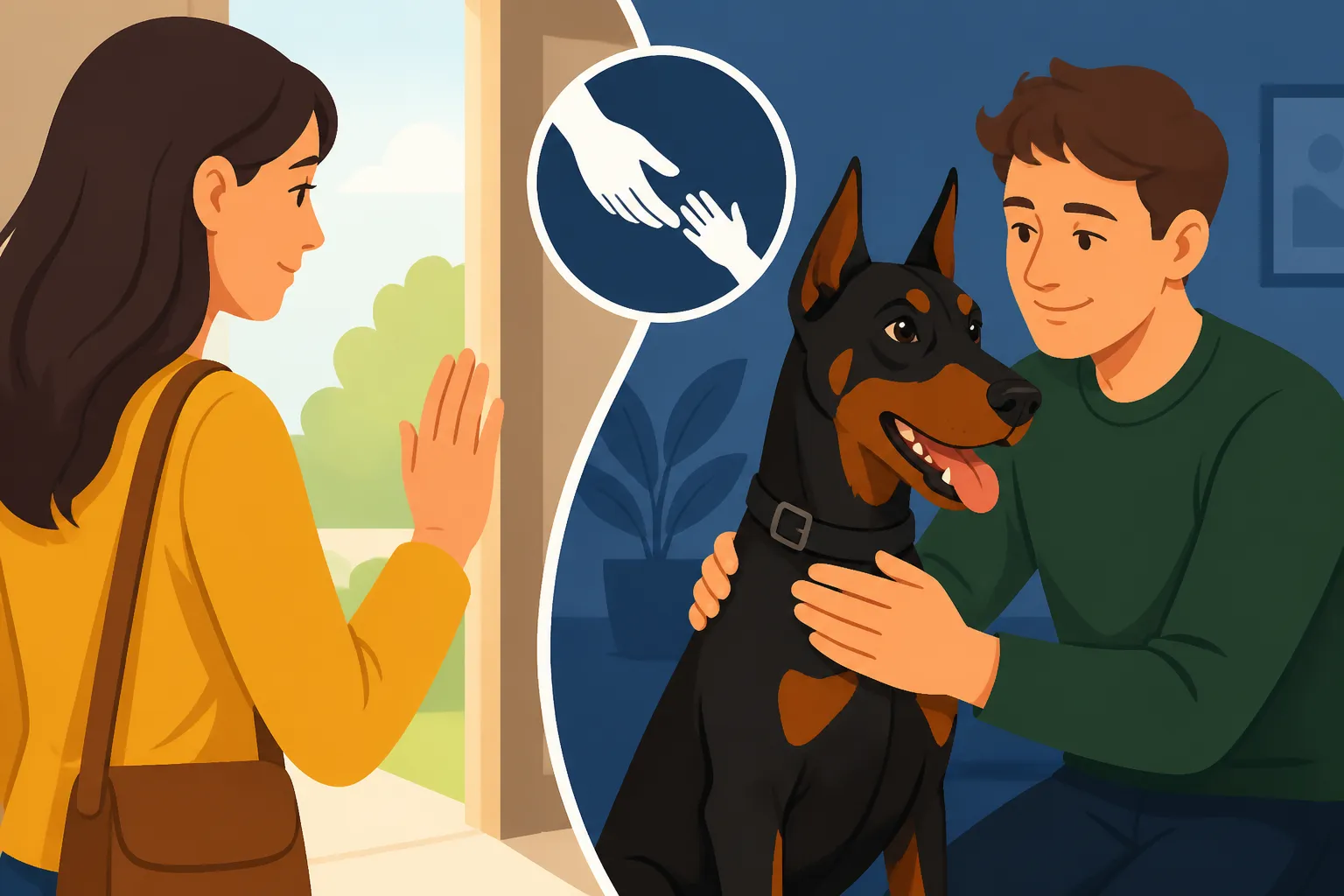
When you first return home, your Doberman will likely be ecstatic. They might jump, whine, bark, and try to cover you in kisses. While it's natural to want to reciprocate this intense affection, it's best to keep the initial reunion calm and low-key. Overly enthusiastic greetings can inadvertently reinforce the idea that your departure was a traumatic event and your return is a huge, dramatic relief. Instead, acknowledge them calmly, say hello, and then maybe ask them to sit or lie down before showering them with affection. This teaches them that your return is a normal, peaceful event.
Once the initial excitement subsides, give your Doberman some quiet time to explore the house, sniff around, and confirm that everything is back to normal. Avoid overwhelming them with immediate demands or changes. Let them settle into their familiar spaces, offering a drink of water and perhaps a quick, calm potty break outside. Reintroducing them to their routine gently is far more beneficial than an over-the-top, adrenaline-fueled welcome home.
Monitoring for Post-Absence Issues
Even with the best preparation and a fantastic caregiver, some Dobermans might experience minor behavioral changes after their owners return. It’s important to be observant for a few days following your return. Look for any changes in appetite or water consumption, altered sleeping patterns, or variations in their bathroom habits. Some dogs might be a little more clingy than usual, or conversely, a bit withdrawn. Others might seem slightly "off" in their training, testing boundaries that were previously well-established.
These temporary shifts are often a result of the disruption to their routine and the emotional impact of your absence. Most Dobermans will readjust quickly, but if you notice any persistent or concerning behaviors – like continued house-soiling, destructive tendencies, or prolonged lethargy – it's worth consulting your veterinarian or a professional dog trainer. This vigilance ensures that any lingering stress or physical issues are caught and addressed promptly.
Gradual Resumption of Normal Activities
Just as you prepared them for your absence gradually, it's beneficial to ease your Doberman back into their full routine. Don't immediately jump back into a super-long hike or an intense training session if they've had a more relaxed schedule with the sitter. Slowly reintroduce their usual exercise levels, mental enrichment activities, and any training protocols over a couple of days. This gentle re-entry helps them physically and mentally adjust to your presence and the resumption of their normal life.
Spend quality, calm time together – a leisurely walk, some quiet cuddle time on the couch, or a gentle grooming session. These activities help re-establish your bond and reinforce that their world is back to its familiar, secure rhythm. Within a few days, most Dobermans will be completely back to their old selves, ready to resume their role as your beloved, ever-present shadow.
Disclaimer
Please remember that the information provided in this guide is for educational purposes only and should not replace professional veterinary advice. Always consult with a qualified veterinarian or certified canine behaviorist for any health concerns or behavioral issues specific to your Doberman.