Whether a Cheap Doberman Puppy Is Ever Safe
It's a familiar scenario for many aspiring Doberman owners: you've fallen in love with the breed's striking appearance, intelligence, and loyal nature, but the price tag from a reputable breeder feels daunting. The temptation to cut corners and search for a "bargain" Doberman puppy can be incredibly strong, leading many down a path riddled with heartache, unexpected expenses, and profound regret. This guide is here to shed light on why a cheap Doberman puppy is rarely safe and often comes with a much higher cost in the long run, both financially and emotionally, and how to find a Doberman responsibly.
The Allure of a Low-Priced Doberman Puppy
There's no denying that acquiring a Doberman from a well-established, health-testing breeder can be a significant investment upfront. When you see puppies advertised for a fraction of that cost, it's easy to think you've stumbled upon a lucky break. Many people dream of owning one of these magnificent dogs, and the initial sticker shock of a properly bred Doberman can make a cheaper option seem like a viable shortcut to that dream.
Why "Bargain" Dobermans Seem Appealing
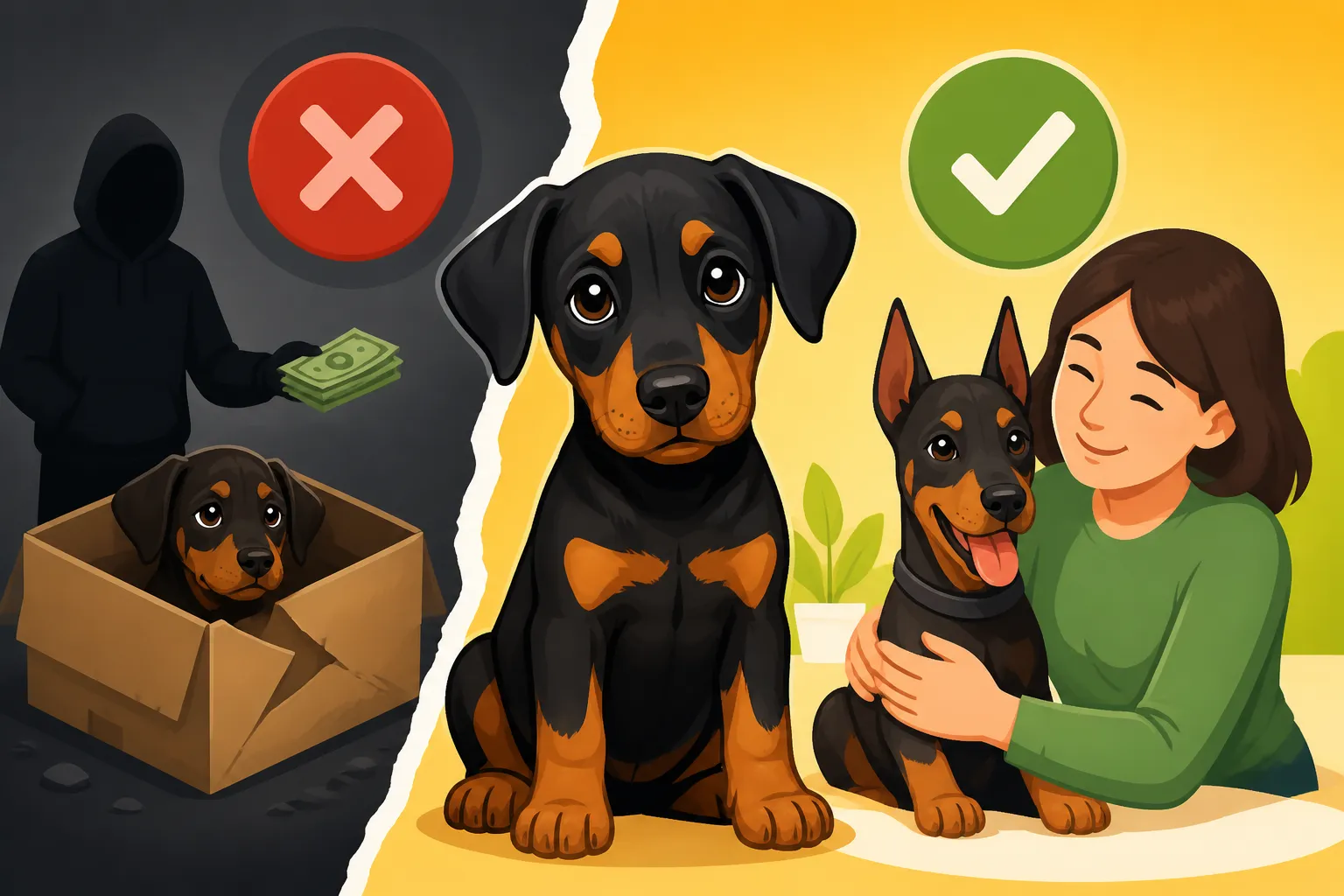
Imagine scrolling through online classifieds or social media groups, and there it is: a beautiful Doberman puppy, seemingly perfect, advertised at a price that makes your heart skip a beat. Perhaps it's half, or even a third, of what you've seen from breeders who showcase extensive health certifications and champion lines. For individuals and families on a budget, this can feel like an incredible opportunity. They might rationalize that all puppies are cute, and perhaps the health concerns are overblown, or that they can "fix" any behavioral issues with enough love. The immediate financial relief is a powerful draw, promising the fulfillment of a long-held desire without the perceived exorbitant initial outlay.
However, this initial savings is almost always a mirage. What people often fail to consider is that the true cost of a Doberman extends far beyond the purchase price. A responsible breeder has invested years, if not decades, into understanding genetics, temperament, and health to produce puppies that have the best possible start in life. They've paid for health screenings for the parents, quality nutrition, veterinary care, and proper socialization, all of which factor into the price. A "bargain" price usually means these crucial investments were skipped, leading to a cascade of potential issues down the line that will invariably cost more than the initial savings.
The Immediate Red Flags of a Too-Low Price
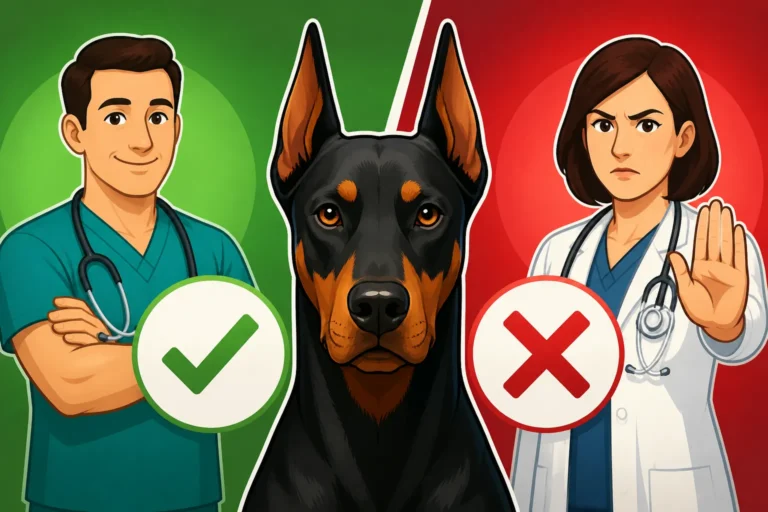
When you encounter a Doberman puppy advertised for significantly less than the typical market rate – and we're talking about prices that might be a quarter or a third of what a reputable breeder charges, perhaps under $1,000 in many areas – consider it a flashing red light, not a green one. Reputable Doberman puppies, especially those with proper health testing and good lineage, often fall in the range of $2,000 to $3,500, and sometimes even more, depending on location and breeding lines. Anything drastically below this should raise immediate suspicion.
These low prices are often a clear indicator that the breeder has cut corners in critical areas. They likely haven't performed any of the recommended health screenings for the parent dogs, such as cardiac evaluations for conditions like dilated cardiomyopathy (DCM), which is notoriously prevalent in the breed. They might not have tested for Von Willebrand's disease, a bleeding disorder, or for hip and elbow dysplasia, thyroid issues, or Wobbler syndrome. Furthermore, the puppies might be raised in unsanitary conditions, lack proper veterinary care, and miss out on vital early socialization, leading to potential health and behavioral problems that will haunt the new owner for years. The lack of proper documentation, unwillingness to let you meet the puppy's parents, or a breeder pushing for an immediate sale are all common red flags associated with these too-low prices.
The Hidden Costs That Emerge from a Cheap Puppy
While the initial cost of a cheap Doberman puppy might seem appealing, the true expenses often don't become apparent until weeks, months, or even years later. These hidden costs can quickly eclipse any perceived upfront savings, leading to emotional distress and financial strain.
Health Issues: A Common Consequence
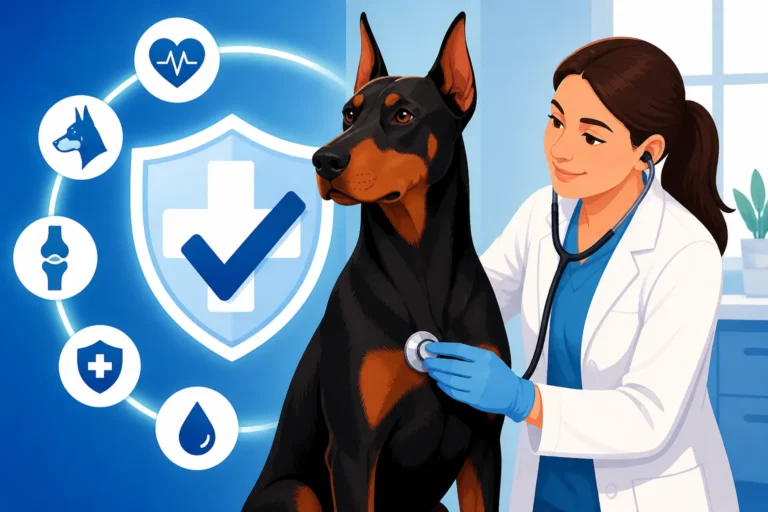
One of the most devastating hidden costs of a cheap Doberman puppy stems from preventable health issues. Responsible breeders invest heavily in health testing their breeding stock to minimize the risk of passing on genetic diseases. When this testing is skipped to cut costs, puppies are far more likely to inherit serious conditions that can require lifelong, expensive veterinary care, or even lead to premature death.
For instance, Dobermans are particularly susceptible to The Heart Disease That Reaches Most Dobermans. Dilated Cardiomyopathy (DCM) is a silent killer, and many Dobermans can appear perfectly healthy for years before symptoms manifest. A cheap breeder almost certainly hasn't invested in annual echocardiograms or Holter monitoring for their breeding dogs. This means you could end up with a puppy predisposed to DCM, leading to heartbreaking decisions and astronomical veterinary bills down the line, including the cost of medication for a Doberman in the occult phase or, eventually, emergency vet fees for a collapsing Doberman. Similarly, conditions like Wobbler Syndrome in the Doberman or The Bleeding Disorder Almost Every Doberman Line Carries can lead to complex and costly treatments, including potential surgeries or lifelong management.
Consider a scenario where your "bargain" Doberman starts coughing or fainting on walks around age four or five. After a visit to the emergency vet, you discover your dog has advanced DCM. The cost of diagnostics, medications, and potential specialist visits can easily run into thousands of dollars annually. If your Doberman then experiences bloat, a life-threatening condition common in deep-chested breeds, the bill for how much bloat surgery costs a Doberman owner can be equally staggering, often reaching $3,000-$7,000 or more for emergency intervention and overnight care. These are the kinds of financial burdens that can completely derail a family budget, and they are far more likely to occur with puppies from breeders who disregard health testing. This is also where pet insurance becomes critical, but remember, if you wait until a diagnosis, it will likely be considered a pre-existing condition, and you won't be covered. Companies like Healthy Paws are excellent, but you need to get your Doberman enrolled early, ideally before any signs of illness appear.
Behavioral and Temperament Challenges
Beyond physical health, a cheap Doberman puppy often comes with significant behavioral and temperament challenges. A responsible breeder places immense importance on early socialization and ensures their puppies are exposed to a variety of sights, sounds, people, and experiences during their critical developmental window. They also carefully select breeding pairs for stable temperaments, aiming to produce confident, well-adjusted dogs.
In contrast, a "backyard breeder" or puppy mill operation, driven by profit, often neglects these crucial aspects. Puppies might be raised in isolation, in cramped conditions, or with minimal human interaction. This lack of proper early socialization can lead to a Doberman who is fearful, anxious, reactive, or even aggressive. Imagine bringing home a Doberman puppy who, as it grows, becomes terrified of strangers, lunges at other dogs on walks, or develops severe separation anxiety. These issues aren't just frustrating; they can be profoundly disruptive to your life and even dangerous.
Dealing with significant behavioral problems requires an immense commitment of time, effort, and money. You might find yourself needing to hire a professional behaviorist, attending specialized training classes, or even exploring medication to manage severe anxiety. Trainer rates for a reactive Doberman can be hundreds, if not thousands, of dollars, and the process can be lengthy and emotionally draining. Furthermore, a Doberman with significant behavioral issues can make everyday life challenging, from simple walks in the park to having guests over, and can severely impact the bond you hoped to share with your dog. The idea that a Doberman "just needs more training" is often an understatement when underlying fear or aggression stems from poor genetics and early environment. And remember, whether a Doberman needs more than puppy class is a definite yes, but with a cheap puppy, you might need remedial, expensive training.
Understanding What a Reputable Doberman Breeder Invests In
When you look at the price of a Doberman puppy from a reputable breeder, it's easy to balk. However, that price reflects a significant investment in the health, temperament, and future well-being of the puppies they produce. They aren't just selling you a dog; they're selling you the culmination of years of dedicated breeding practices and careful stewardship of the breed.
The True Value of Health Testing and Pedigree
The cornerstone of responsible Doberman breeding is comprehensive health testing. A good breeder understands the genetic predispositions of the breed and actively works to mitigate them. This means both parent dogs undergo a battery of expensive, specialized tests before ever being bred. This isn't just a simple vet check-up; it's a commitment to reducing the incidence of devastating diseases.
For instance, cardiac health is paramount for Dobermans. Reputable breeders will ensure their breeding dogs receive annual echocardiograms to screen for DCM and 24-hour Holter monitoring to detect arrhythmias. These are specialized tests often performed by a board-certified veterinary cardiologist, and annual echo costs for a Doberman can range from $300 to $600 or more per dog, per year. They also test for Von Willebrand's disease, checking for the genetic mutation that causes this bleeding disorder. Beyond cardiac and clotting issues, they screen for hip and elbow dysplasia, thyroid disease, and sometimes even liver issues like copper storage disease, especially in females. What a Doberman genetic panel costs can vary, but these tests provide invaluable insight into a dog's genetic health.
Breeders also put immense value on pedigree. They choose breeding pairs not just for beauty, but for proven health, temperament, and working ability demonstrated by titles in conformation, obedience, or protection sports. They spend countless hours researching bloodlines, traveling to breed their dogs to the most suitable partners, and often import semen or bring in dogs from across the country. This meticulous selection process significantly increases the likelihood of producing sound, healthy puppies. When you ask to see reading a Doberman breeder's heart paperwork, you're seeing proof of this dedication, which goes far beyond a casual breeding. This due diligence is the true value you're paying for – a greater peace of mind and a better chance at a long, healthy life for your Doberman.
Early Socialization and Care
Beyond genetics, a reputable breeder's investment extends to the early care and socialization of their puppies. From the moment they are born, these puppies receive meticulous attention. The dam is provided with excellent nutrition and veterinary care throughout pregnancy and lactation. Once the puppies arrive, they are weighed daily, monitored for health, and receive regular veterinary check-ups and age-appropriate vaccinations and deworming.
Crucially, these breeders understand the importance of the critical socialization period from birth to around 16 weeks of age. Puppies are exposed to a variety of appropriate stimuli in a controlled, positive manner. This includes gentle handling by different people, exposure to household noises, different textures and surfaces, and interaction with other vaccinated, stable adult dogs. They learn bite inhibition from their littermates and mother, and they begin basic potty training concepts. This foundation is invaluable in shaping a confident, resilient, and well-adjusted adult Doberman. Imagine a puppy that’s been raised with this kind of thoughtful care compared to one that’s been left mostly to itself in a kennel. The difference in their future adaptability and temperament is profound. When a breeder provides high-quality food, perhaps even from brands like Ollie that focus on fresh, nutritious meals, or ensures they have plenty of enrichment items from places like Chewy, they are investing in the puppy's physical and mental development. This proactive care sets the stage for a Doberman that can handle new situations and integrate smoothly into a family environment, drastically reducing the likelihood of future behavioral issues.
Responsible Alternatives to a "Bargain" Puppy
If the upfront cost of a well-bred Doberman seems prohibitive, don't despair or resort to a cheap, high-risk option. There are responsible ways to bring a Doberman into your life that prioritize the dog's well-being and your long-term happiness. These alternatives offer transparency, support, and a much higher chance of acquiring a healthy, well-adjusted companion.
Finding a Reputable Breeder
Finding a reputable Doberman breeder requires patience, research, and a willingness to ask tough questions. It's not about finding the closest or cheapest option; it's about finding someone who prioritizes the health and temperament of their dogs above all else. Start by looking for breeders who are actively involved in the Doberman Pinscher Club of America (DPCA) or regional Doberman clubs. These breeders are typically committed to upholding breed standards and ethical practices.
When you contact a breeder, expect them to ask you a lot of questions – this is a good sign, as it shows they care about where their puppies are going. Be prepared to ask your own:
- Health Testing: Always ask to see verifiable health certifications for both parents, not just a verbal assurance. You want to see proof of recent cardiac clearances (echocardiograms and Holter reports), Von Willebrand's status, thyroid panels, and hip/elbow evaluations from organizations like the Orthopedic Foundation for Animals (OFA). Don't be shy about asking whether a Doberman breeder should show echo results—they absolutely should.
- Temperament and Socialization: Inquire about the parents' temperaments and how the puppies are socialized. Ideally, puppies are raised in a home environment and exposed to various sights and sounds.
- References and Support: A good breeder will provide references from previous puppy buyers and their veterinarian. They should also offer a comprehensive health guarantee and lifetime support for their puppies, meaning they are there to answer questions and help throughout your dog's life.
- Visit the Facility: If possible, visit the breeder's home or facility to see where the puppies are raised and meet the mother (and father, if he's on-site). This provides invaluable insight into the living conditions and overall care.
- Wait Times: Reputable breeders often have waiting lists, and it's common for how long a tested Doberman litter is booked out to be many months, even over a year. This isn't a sign of unavailability; it's a sign of demand for quality, well-bred puppies. Patience is key.
Considering Doberman Rescue
Another fantastic and often overlooked option is adopting an adult Doberman through a breed-specific rescue organization. There are numerous dedicated Doberman rescues across the country that work tirelessly to rehome Dobermans who, through no fault of their own, find themselves in need of a new home. These dogs come from a variety of situations – owner surrenders, strays, or even those rescued from neglectful circumstances.
Adopting from a rescue offers several significant benefits:
- Known Temperament: With an adult dog, their personality and temperament are usually well-established. Rescue organizations spend time with their dogs, often in foster homes, getting to know their quirks, training levels, and what kind of family environment they would thrive in. This can lead to a much better match for your lifestyle.
- Health Information: Many rescues provide extensive health information on their dogs, often having performed comprehensive veterinary checks, vaccinations, spay/neuter, and even some preliminary health screenings. They will be transparent about any known medical conditions. For instance, why Doberman rescues ask about heart history is because they are acutely aware of the breed's predispositions and want to ensure proper placement and management. It's even possible to find and consider adopting a Doberman with a known heart condition if you are prepared for the commitment.
- Cost-Effective: While there is an adoption fee, what Doberman rescue charges for an adult is significantly less than a puppy from a reputable breeder, and it typically covers all initial vet care, spay/neuter, and often microchipping.
- Saving a Life: You are giving a deserving Doberman a second chance at a loving home, which is an incredibly rewarding experience.
Doberman rescues are a fantastic resource for those who are prepared for the unique needs of an adult Doberman. They often provide continued support and guidance, helping you and your new companion transition smoothly into your life together.
Comparing Doberman Acquisition Paths
To help illustrate the differences between various avenues for acquiring a Doberman, let's look at a comparative table. This should help you visualize the trade-offs and understand why a "cheap" upfront cost often leads to a far greater expense and heartache in the long run.
| Feature / Acquisition Path | Cheap "Backyard Breeder" Puppy | Reputable Breeder Puppy | Doberman Rescue Adult |
|---|---|---|---|
| Initial Cost | Low ($500 – $1,500) | High ($2,000 – $3,500+) | Moderate ($300 – $800) |
| Health Testing of Parents | Rarely, if ever | Extensive (Echos, Holters, vWD, Hips, etc.) | Often done by rescue; history might be unknown |
| Health Guarantee | Unlikely or very limited | Comprehensive (1-2 years typically) | Varies; often covers initial period |
| Temperament Screening | Minimal or none | Rigorous selection of parents, early socialization | Evaluated in foster care; known history |
| Socialization | Poor or absent | Excellent, home-raised | Often good, depends on prior history |
| Veterinary Care (Puppy/Adult) | Minimal, often just first shots | Comprehensive, age-appropriate | Comprehensive initial vet care (spay/neuter, vaccines, microchip) |
| Support & Mentorship | None | Lifetime support and guidance | Ongoing support from rescue group |
| Risk of Costly Health Issues | Very High | Significantly Lower | Moderate (known issues disclosed) |
| Risk of Behavioral Issues | High | Low | Varies (known issues disclosed/managed) |
| Overall Long-Term Cost | Potentially Very High (vet bills, training) | Moderate (preventative care, insurance recommended) | Moderate (ongoing care, potential known issues) |
| Time to Acquire | Immediate | Months to a year+ wait-list | Weeks to months for adoption process |
This table clearly shows that while the initial monetary outlay for a reputable breeder or a rescue might be higher than a "bargain" breeder, the long-term financial, emotional, and time costs are dramatically lower. The perceived savings from a cheap puppy are almost always overshadowed by the real-world expenses and heartbreaks that follow. Investing wisely in the beginning truly paves the way for a more joyful and predictable journey with your Doberman companion.
Disclaimer
The information provided in this article is for general educational purposes only and should not be considered a substitute for professional veterinary advice. Always consult with a qualified veterinarian regarding any health or behavior concerns for your Doberman. Breed-specific health information is subject to ongoing research and individual variations.