Gastropexy Costs Added to a Doberman Spay
The decision to spay your beloved Doberman is a significant one, and for many owners, it's quickly followed by a crucial, often anxiety-inducing question: should I add a prophylactic gastropexy? This isn't just about another line item on a vet bill; it's about potentially saving your Doberman's life from the terrifying reality of bloat. The added cost can feel like a heavy burden on top of an already expensive procedure, leaving many of us wondering if it's truly worth the extra investment and what those additional costs actually entail. This guide aims to demystify the expenses associated with combining a gastropexy with your Doberman's spay, helping you understand the value of this preventive measure.
Understanding Gastropexy and Why It's Crucial for Dobermans
When you bring a Doberman into your life, you're signing up for an incredible companion, but also for the responsibility of understanding their unique health predispositions. One of the most talked-about and feared conditions in our breed is Gastric Dilatation-Volvulus, or "bloat," and this is where a gastropexy comes in.
What is a Gastropexy and How Does It Work?
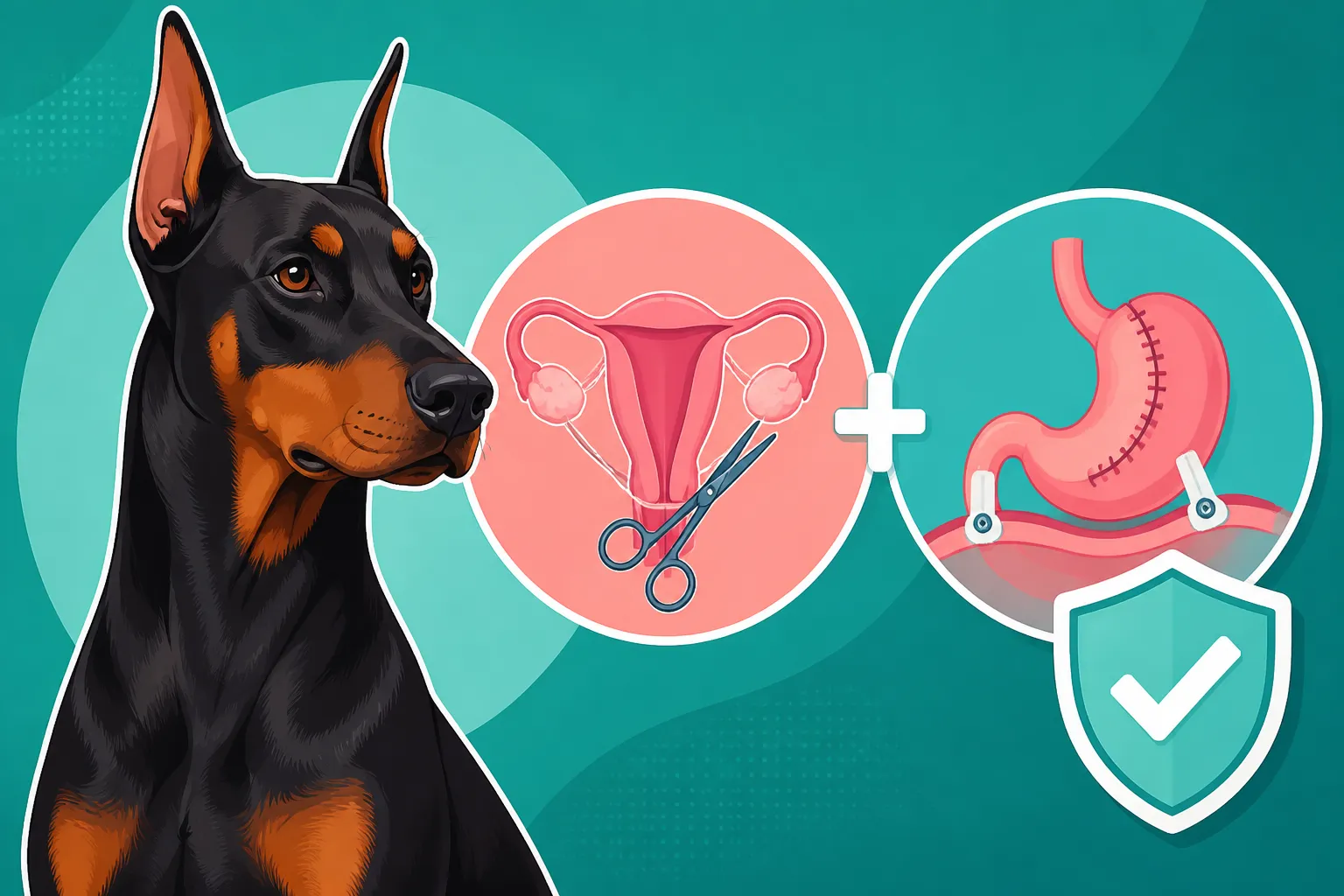
Simply put, a gastropexy is a surgical procedure where a portion of the stomach is permanently attached to the abdominal wall. Think of it like tacking the stomach in place. This "tacking" prevents the stomach from twisting, which is the "volvulus" part of bloat. When the stomach dilates (fills with gas, fluid, or food) and then twists, it cuts off its own blood supply and the exits to the esophagus and intestines. It's a medical emergency that can become fatal incredibly fast.
For Dobermans, with their distinctive deep and narrow chests, the stomach has more room to move around, making them prime candidates for bloat. A gastropexy doesn't prevent the stomach from dilating, but it does prevent it from twisting, which is the most dangerous aspect of the condition. It's almost always recommended as a preventive measure, particularly for high-risk breeds like ours, and often performed at the same time as a spay or neuter, since the dog is already under anesthesia and the abdomen is open. It’s a smart way to get two critical procedures done with one anesthetic event, which is always a plus.
The Real Risk of Gastric Dilatation-Volvulus (Bloat) in Dobermans
If you've spent any time researching Dobermans, you've likely heard the horror stories about bloat. And believe me, those stories are not exaggerated. This condition strikes suddenly, often without warning, and can claim a dog's life in a matter of hours. The signs can be subtle at first – restlessness, pacing, unproductive retching – but they escalate quickly to distended abdomen, extreme pain, and collapse. Recognizing a Doberman Stomach Twist in Time is critical because every minute counts.
Dobermans are considered one of the breeds at highest risk for bloat, alongside Great Danes, German Shepherds, and Weimaraners. It's not a question of if it might happen, but when for many predisposed individuals. The exact causes are still being researched, but factors like genetics, feeding practices (especially consuming large meals rapidly), and stress can all play a role. Why a Doberman's Narrow Deep Chest Twists also contributes to this predisposition. As a Doberman owner, the fear of bloat is very real and constant for many, and a gastropexy offers a significant layer of protection and immense peace of mind. It’s a proactive step that can quite literally be a lifesaver.
Breaking Down the Costs: Spay vs. Spay with Gastropexy
Understanding the financial side of a Doberman's veterinary care is crucial, especially when it comes to elective procedures like spaying and the added benefit of a gastropexy. It's rarely a single, flat fee, but rather a combination of factors that contribute to the final bill.
The Baseline Cost of a Doberman Spay
Let's start with the spay itself. This is a routine surgical procedure to remove a female dog's uterus and ovaries, preventing unwanted pregnancies and reducing the risk of mammary cancer and uterine infections later in life. However, calling it "routine" doesn't mean it's inexpensive, especially for a Doberman. The cost of a spay can vary quite a bit depending on several factors:
- Veterinary Practice Location: Vets in major metropolitan areas or affluent suburbs often have higher overheads, which translate to higher prices compared to rural clinics.
- Dog's Size and Age: A Doberman is a large breed. Larger dogs require more anesthesia, more pain medication, and sometimes more surgical supplies. A younger, healthy Doberman puppy might have a slightly lower cost than an older dog who might require more extensive pre-surgical screening.
- Pre-Operative Bloodwork: Most reputable vets will recommend or require pre-operative bloodwork to ensure your Doberman's organs are functioning properly and that she can safely metabolize anesthesia. This is an added but vital cost.
- Pain Management and Post-Operative Care: Good clinics include comprehensive pain management protocols and clear instructions for home care, sometimes with follow-up checks.
So, while your neighbor's Chihuahua might have had a spay for one price, expect your Doberman's procedure to be on the higher end due to her size and general anesthetic requirements. It's never just the surgery itself; it's the full package of care surrounding it.
The Additional Investment for a Prophylactic Gastropexy
Now, let's talk about adding the gastropexy. This is explicitly an additional procedure performed concurrently with the spay. It's not usually a trivial add-on because it requires more time, skill, and resources in the operating room. Here’s why it adds to the cost:
- Extended Anesthesia Time: The gastropexy adds significant time to the surgical procedure, meaning your Doberman will be under anesthesia for longer. This increases the cost of anesthetic drugs and the time a veterinary technician needs to monitor her vital signs.
- Increased Surgical Skill and Equipment: While a spay is common, a gastropexy requires a specific surgical technique. Some vets might perform it routinely, while others might refer you to a specialty surgeon or use a minimally invasive laparoscopic approach, which involves specialized equipment.
- Additional Supplies: More sterile drapes, sutures, and other surgical instruments are needed for the extra procedure.
- Post-Operative Monitoring: Longer surgeries often mean a longer recovery period in the clinic, requiring more nursing care immediately after the procedure.
While I can't give you exact figures, generally, a gastropexy can add a substantial percentage to the overall cost of the spay. It's not a small percentage, but rather a significant portion on top of the base spay price. It’s an investment that often feels daunting upfront but needs to be viewed in the context of avoiding a much larger emergency down the line.
Factors Influencing the Combined Cost
When you're trying to budget for your Doberman's spay with gastropexy, several variables will influence the final bill. It's not just about the procedures themselves, but the entire medical environment and choices you make:
- Geographic Location: As mentioned, vet costs are highly regional. A clinic in a high-rent urban area like Los Angeles or New York will inevitably charge more than one in a smaller town in the Midwest. Even within a city, prices can vary.
- Type of Veterinary Practice: A small, single-doctor general practice might have lower fees than a large, multi-doctor hospital with advanced diagnostic equipment and a team of specialists. Laparoscopic gastropexy, for example, is less invasive but requires specialized equipment and training, often leading to a higher initial cost. However, the recovery might be faster, potentially saving on post-op complications.
- Pre-Surgical Diagnostics: Beyond basic bloodwork, some vets might recommend an ECG, especially for Dobermans, given their predisposition to heart conditions. The Age to Start Screening a Doberman's Heart is usually young, so it's wise to consider comprehensive checks. These additional diagnostic tests ensure your Doberman is healthy enough for surgery and can add to the total.
- Medication and Take-Home Care: The quality and quantity of post-operative pain medication, antibiotics, and anti-inflammatory drugs included in the package can differ. Some clinics might bundle these, while others charge separately.
- Veterinarian Experience: A highly experienced surgeon, especially one who performs many gastropexies, might charge more for their expertise, but that experience can be invaluable for the smooth outcome of the surgery. Don't be afraid to ask your vet how many gastropexies they perform annually.
This combination of factors means that getting quotes from a few different reputable veterinary clinics in your area is always a good idea. Just make sure you're comparing apples to apples – ensure each quote includes all pre-op, surgical, and post-op care. It’s a bit like buying a car; the base model is one price, but all the essential safety features add up.
Long-Term Financial Wisdom: Weighing the Upfront Cost Against Future Savings
It’s completely understandable to balk at the upfront cost of adding a gastropexy to your Doberman’s spay. It feels like a lot of money to spend on something that might happen. But when we look at the bigger picture, particularly with a breed like the Doberman, this preventive measure often proves to be one of the wisest financial and emotional investments you can make.
The Catastrophic Cost of Emergency Bloat Surgery
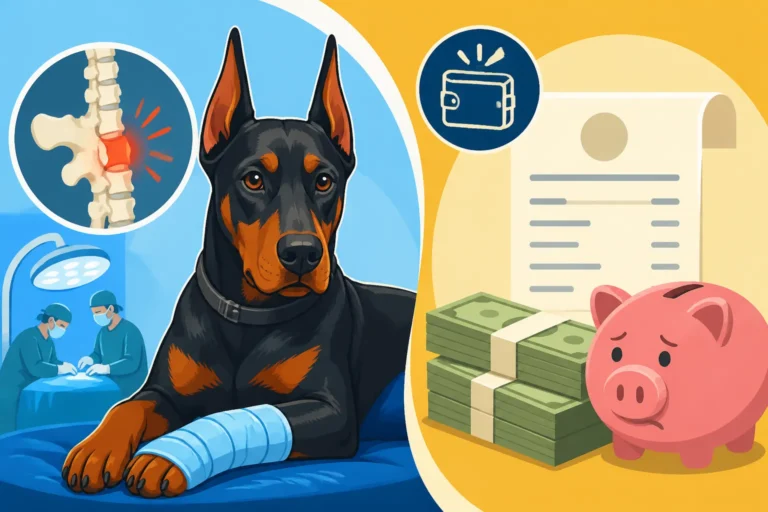
Imagine this scenario: you're enjoying a quiet evening, and suddenly your Doberman starts acting strangely. Pacing, trying to vomit but nothing comes up, her belly looking a little distended. You rush to the emergency vet, where the diagnosis is confirmed: bloat with torsion. This isn't just an "extra cost" anymore; it's a full-blown emergency. What Bloat Surgery Costs a Doberman Owner in an emergency situation is dramatically higher than a prophylactic gastropexy.
Emergency bloat surgery is incredibly complex, requires immediate intervention, often happens in the middle of the night or on weekends (which incurs emergency fees), and necessitates extensive post-operative care, including overnight hospitalization and intensive monitoring. The costs can quickly spiral into several thousands of dollars, easily dwarfing the price of a planned gastropexy. Beyond the financial strain, the stress, fear, and emotional toll of seeing your Doberman in such critical condition are immense. And sadly, even with emergency surgery, the survival rate, while improved, is still not 100%. Choosing a prophylactic gastropexy is essentially pre-paying for vital protection against this potential catastrophe. It is literally an ounce of prevention being worth a pound of cure, in the most literal sense.
The Role of Pet Insurance in Managing These Expenses
This is where pet insurance can be a true lifeline, though it requires foresight. Many Doberman owners wonder if pet insurance will cover a gastropexy. Generally, prophylactic gastropexy, when done with a spay, may be covered under wellness plans or as part of a general surgery benefit if it’s considered medically necessary for a high-risk breed. However, the key is to get your Doberman insured before any hint of bloat or any other major health issue emerges. Insuring a Doberman Before the Heart Turns is crucial for conditions like DCM, and the same principle applies to bloat.
Providers like Healthy Paws are popular choices, but every policy is different. It’s vital to read the fine print regarding preventive procedures. If your Doberman has already shown signs of bloat (even if it resolved without surgery), or if a vet has noted a "pre-existing condition" related to it, then future claims for bloat-related issues might be denied. This is why getting coverage when your Doberman is a puppy, well before a spay, is the smartest move. It ensures that the proactive gastropexy, and any future unexpected vet bills, are more manageable.
Considering Lifestyle and Peace of Mind
Beyond the financial calculations, there’s an invaluable, intangible benefit to prophylactic gastropexy: peace of mind. As a Doberman owner, you live with the constant awareness of bloat risk. Every time your Doberman eats a big meal, plays vigorously after eating, or seems a bit off, that fear can bubble up.
Having a gastropexy performed significantly reduces this anxiety. You'll still want to practice good feeding habits – perhaps splitting Daily Calories for an Adult Doberman into multiple smaller meals throughout the day, as many Doberman owners do, and ensuring she rests after eating – but you won't have the gnawing fear of the stomach twisting. This freedom from constant worry contributes to a more relaxed household and allows you to enjoy your Doberman more fully.
It allows you to focus on other aspects of care and joy, like finding quality food that works for her. Some Doberman owners explore options from brands like Ollie or Chewy, looking for foods that contribute to overall digestive health, but no diet alone can prevent the physical twisting of the stomach. The gastropexy means you can feed your Doberman without excessive worry about the most catastrophic outcome of that meal. It’s an investment in her long-term well-being and your own mental health as a dedicated Doberman parent.
Comparative Overview of Surgical Options for Dobermans
To help visualize the difference in complexity and potential cost outcomes, here's a table comparing the options we've discussed. Remember, these are general descriptions and relative costs, as specific figures will vary greatly.
| Feature | Spay Only (Female Doberman) | Spay with Prophylactic Gastropexy | Emergency Bloat Surgery (with Gastric Torsion) |
|---|---|---|---|
| Purpose | Prevents pregnancy & reproductive issues | Prevents pregnancy, reproductive issues, AND gastric torsion | Addresses life-threatening emergency after torsion occurs |
| Complexity | Moderate | Moderate to High (requires specialized technique) | Very High (critical, often unstable patient) |
| Anesthesia Time | Standard | Longer (due to added procedure) | Prolonged (due to stabilization, surgery, and intensive monitoring) |
| Recovery | Standard surgical recovery | Similar to spay, potentially slightly longer initial recovery | Extended, often requires ICU-level care for days, higher risk of complications |
| Relative Cost | Moderate | High | Very High (often multiple times higher than prophylactic surgery, plus emergency fees) |
| Outcome | Good, prevents future issues | Excellent, prevents life-threatening torsion | Guarded to Good, depending on timing and severity; high mortality risk |
| Peace of Mind | Good for reproductive health | Excellent for bloat prevention | None; reactive, high-stress situation |
The table clearly illustrates that while adding a gastropexy increases the initial outlay, it's a measured investment against the far greater complexity, cost, and risk associated with emergency bloat treatment. It's truly a strategic move for any Doberman owner.
For further reading on managing your Doberman's health and financial planning, you might find these articles helpful: The Vet Bills a Doberman Runs Up Outside Screening, What a Doberman Costs Month to Month, and How Doberman Costs Climb After Six. Understanding the full spectrum of care and associated expenses empowers you to make the best decisions for your cherished Doberman.
Disclaimer
This article is for general informational purposes only and does not constitute professional advice. Laws, prices and regulations vary by location and change over time. Consult a qualified professional for guidance on your specific situation.