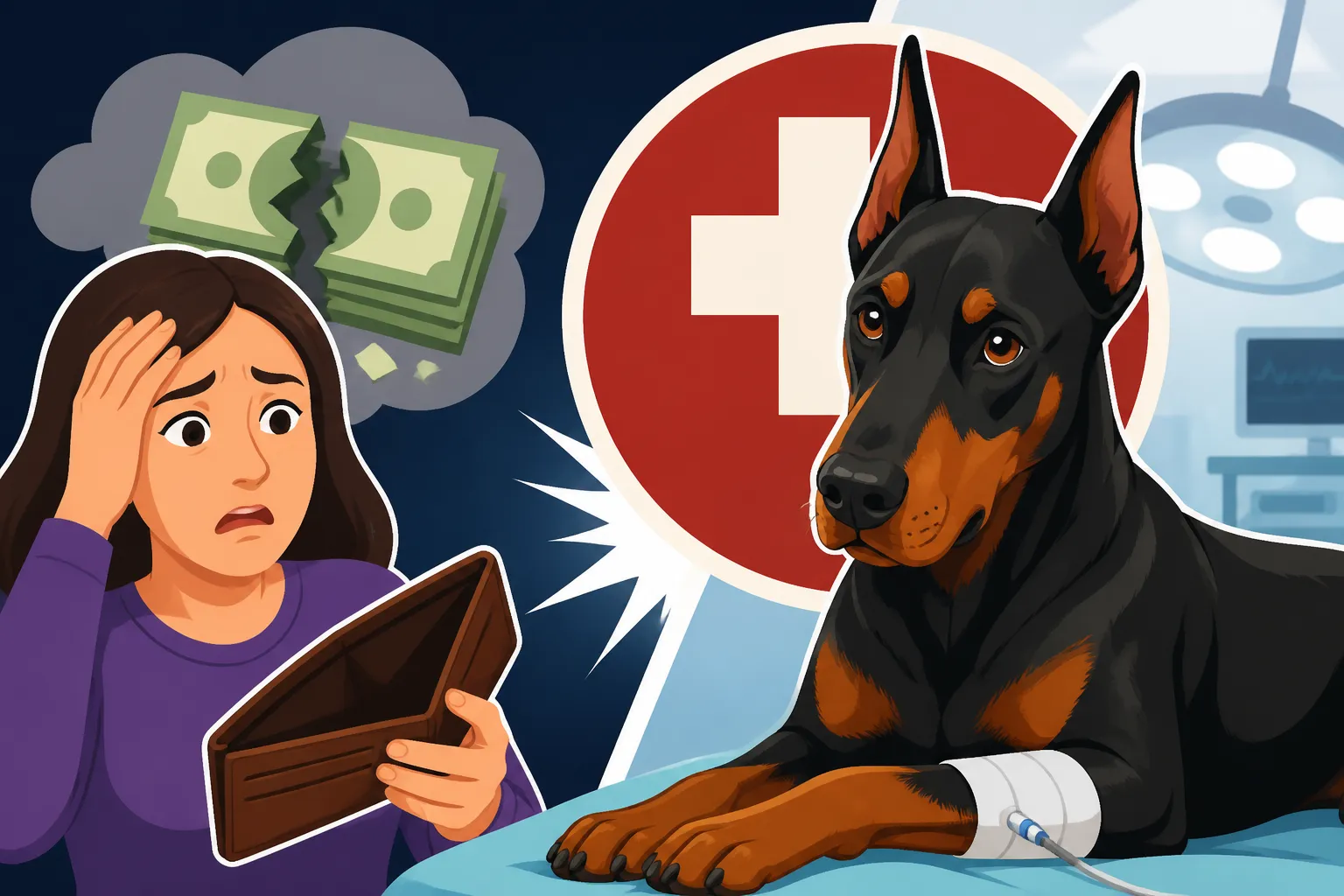
Paying for a Doberman Emergency You Did Not Budget
There's nothing quite like the heart-stopping panic that washes over you when your beloved Doberman suddenly exhibits alarming symptoms. One moment they're fine, the next they're struggling, collapsing, or in obvious pain. Your mind races, and you know you need to get them to the emergency vet now. But amidst that terrifying urgency, a cold dread often creeps in: how will you pay for it? This guide is here to walk you through the harsh realities of unbudgeted Doberman emergencies, what to expect financially, and how to navigate the overwhelming costs when you're caught completely off guard.
The Sudden Shock: When a Doberman Emergency Strikes
Living with a Doberman means living with a breed known for its robust appearance, intelligence, and often, its surprising athleticism. But it also means being keenly aware of certain health predispositions that can turn a normal day into a frantic dash to the emergency room. These moments don't come with a warning label or a payment plan; they hit hard and fast, leaving you reeling.
Conditions That Demand Immediate Attention
Dobermans, unfortunately, are susceptible to several conditions that can become life-threatening emergencies in a blink. The most terrifying of these is often bloat, or Gastric Dilatation-Volvulus (GDV), where the stomach twists on itself. One minute your Doberman might be pacing, drooling, or attempting to vomit without success, and the next they are in profound shock, needing surgery within hours. The speed at which this can escalate is truly frightening. We’ve all heard the stories, or worse, lived through them, and the sheer terror of Recognizing a Doberman Stomach Twist in Time is something no owner ever forgets.
Then there's the specter of Dilated Cardiomyopathy (DCM), a heart condition prevalent in the breed. While often silent for years, it can manifest suddenly in what's known as the "occult" or "pre-clinical" phase with an arrhythmia leading to collapse or fainting. Imagine your powerful Doberman, usually full of vim and vigor, suddenly unable to stand or A Doberman That Faints on a Walk. It's a terrifying sight, and it signals an immediate need for specialized cardiac care. The Age Doberman Heart Disease Usually Starts is often when these sudden crises begin to emerge, catching many owners off guard. Other unexpected emergencies could be severe allergic reactions, sudden lameness from an injury during play, or even internal bleeding.
Accidents and Injuries That Cannot Wait
Beyond breed-specific health crises, Dobermans, like any active dog, can find themselves in accidents. A seemingly innocuous jump off the couch might result in a strained ligament, or a tumble in the yard could lead to a fracture. Some Dobermans, due to their unique physiology, are even prone to certain neck issues, known as Wobbler Syndrome, which can suddenly worsen and cause severe neurological symptoms, leaving them unable to walk steadily. Then there are the truly unforeseen: a sudden laceration from a broken fence, ingesting something toxic during a walk, or even an altercation with another animal that results in serious wounds. Each scenario triggers a desperate scramble to find immediate veterinary help, and with that comes the immediate concern of what it will cost. When your dog is bleeding uncontrollably or in agony, financial worries, while secondary to their well-being, are an undeniable source of stress. Sometimes, a Doberman might even experience significant bleeding from a minor cut if they carry certain genetic conditions, making even small injuries an emergency that may require Surgery on a Doberman With a Clotting Problem.
The Crushing Weight of Emergency Vet Bills
Once you've rushed your Doberman to the veterinary emergency room, the emotional rollercoaster begins. You're trying to stay calm for your dog, understand the medical jargon, and cope with the sheer relief of having them in expert hands. But then comes the discussion of costs, and for many, this is where the second wave of panic truly hits.
Initial Stabilization and Diagnosis
Emergency veterinary care is inherently expensive. Unlike a scheduled vet visit where you might have an estimate, an emergency means immediate action. The moment you walk through those doors, your Doberman will likely undergo an emergency examination, blood tests, X-rays, or even an ultrasound to get a rapid diagnosis. These diagnostic tests alone can run into significant figures. If your Doberman is struggling to breathe, they might need oxygen therapy; if they've collapsed, IV fluids and medications to stabilize them are paramount.
Imagine a scenario where your Doberman collapses. The emergency vet will likely want to run a full blood panel, take chest X-rays to rule out fluid around the lungs, and perform an ECG to check heart rhythm. They might suggest an immediate echocardiogram to assess heart function, particularly if DCM is suspected. These initial steps are critical for diagnosis but add up quickly. It's not uncommon for the initial diagnostic and stabilization phase to cost hundreds, if not over a thousand dollars, before any definitive treatment plan is even in place. You're often asked to approve these costs on the spot, under immense emotional duress.
From Surgery to Ongoing Treatment: The Escalation of Costs
If your Doberman's emergency requires surgery—such as for bloat or a severe internal injury—the costs escalate dramatically. What Bloat Surgery Costs a Doberman Owner can be staggering, encompassing the surgical procedure itself, anesthesia, pain management, and several days of intensive Overnight Care for a Doberman in Heart Failure or post-operative monitoring. For a Doberman, given their size and the complexity of these procedures, you're looking at bills that can easily run into thousands of dollars.
Beyond surgery, many emergencies require ongoing treatment, medications, and follow-up visits. A Doberman diagnosed with DCM after a collapse, for instance, will likely need lifelong medication to manage their heart condition. Monthly Pimobendan Costs for a Doberman and antiarrhythmic drugs can become a recurring expense, adding to the long-term financial commitment. If you didn't have a plan for this, the weight of these bills, both immediate and projected, can feel insurmountable. It's a cruel twist of fate when you're trying to save your best friend, and the financial burden becomes another overwhelming obstacle.
Here's a simplified look at potential emergency costs:
| Service/Procedure | Initial Estimate (Range) | Description |
|---|---|---|
| Emergency Exam & Consultation | $$100 – $250 | Immediate assessment by emergency vet. |
| Bloodwork (Full Panel) | $$200 – $500 | Comprehensive diagnostic tests for organ function, infection, etc. |
| X-rays (Chest/Abdomen) | $$250 – $600 | Imaging to check for bloat, fluid, foreign objects, etc. |
| IV Fluids & Catheter | $$150 – $350 | Hydration and medication delivery. |
| Oxygen Therapy | $$50 – $100 per hour | For Dobermans with respiratory distress. |
| Ultrasound (Emergency) | $$300 – $700 | Targeted imaging for internal organs. |
| Emergency Surgery (e.g., Bloat) | $$3,000 – $8,000+ | Includes anesthesia, procedure, medication, and initial post-op care. |
| Overnight ICU/Hospitalization | $$500 – $1,500 per night | Intensive monitoring, medications, and nursing care. |
| Specialist Consultation | $$250 – $500 | For cardiologists, internal medicine, neurologists. |
| Prescription Medications | $$50 – $300+ | Post-discharge medication for pain, heart conditions, antibiotics, etc. |
Please remember these are general ranges and actual costs can vary significantly based on location, specific clinic, and the complexity of the case.
Navigating the Financial Fallout: Strategies for Unexpected Bills
Facing a large, unexpected vet bill is daunting, but you're not alone. Many Doberman owners have found themselves in this exact predicament. The key is to know your options and act quickly.
The Power of Pet Insurance
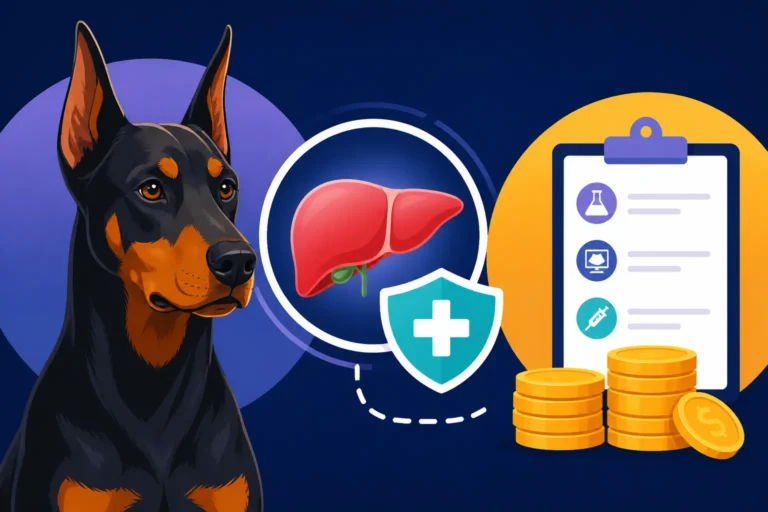
If you don't have pet insurance, an emergency is often the moment you wish you did. Pet insurance, especially for a breed like the Doberman with its known health predispositions like DCM, can be a literal lifesaver. Companies like Healthy Paws offer comprehensive plans that can cover a significant portion of emergency care, including diagnostics, surgery, and hospitalization. The catch, of course, is that pre-existing conditions are typically not covered, so getting coverage before any symptoms arise is crucial. If your Doberman is young and healthy, now is the time to enroll. Imagine the peace of mind knowing that when an emergency hits, you can focus solely on your Doberman's health, not the crushing debt. This is why many experienced owners emphasize Insuring a Doberman Before the Heart Turns. However, if your Doberman has already had a suspicious echo or blood test, getting coverage can be tricky, as What an Abnormal Echo Does to a Doberman Policy can severely limit options or increase premiums.
Emergency Savings and Credit Options
For those without insurance, or for costs exceeding coverage limits, an emergency fund is invaluable. Having a dedicated "Doberman Emergency Fund" (even if it's just a few hundred dollars in a separate savings account) can make a huge difference in those first terrifying hours. Many owners underestimate What a Doberman Costs Month to Month, let alone the costs of an emergency. Building up Setting Money Aside for a Doberman's Heart or other potential health issues is a prudent move.
If savings aren't enough, credit options often come into play. Many veterinary hospitals partner with third-party medical credit cards, which offer deferred interest periods if you pay off the balance within a certain timeframe. While these can be a lifesaver in the short term, it's vital to understand the terms and interest rates to avoid long-term financial strain. Regular credit cards are another option, but often come with higher interest rates. It's a tough decision to make when your Doberman's life is on the line, but understanding the financial implications is important.
Exploring Assistance Programs and Payment Plans
Don't be afraid to speak openly with your veterinary team about payment options. Many clinics understand the financial burden of emergencies and are willing to work with owners on payment plans, though these usually require an upfront deposit. They might also be able to point you towards local or national charitable organizations that offer financial assistance for pet owners facing emergencies. Breed-specific rescues sometimes have funds available for Dobermans in need, even if they aren't directly affiliated with the rescue.
You might also consider reaching out to friends and family for support. While it can feel uncomfortable, many people are willing to help a beloved pet, and even small contributions can add up. Crowdfunding platforms are another avenue some owners explore, sharing their Doberman's story and seeking help from a wider community. Remember, your priority is your Doberman's well-being, and exhausting all avenues for financial support is a testament to your commitment.
Proactive Steps: Preparing for What You Hope Never Happens
While no one wants to imagine their Doberman in an emergency, being proactive can soften the blow both emotionally and financially. A little foresight can make a world of difference when every second counts.
Routine Health Monitoring and Early Detection
One of the best ways to mitigate emergency costs is through consistent, proactive health care. Regular veterinary check-ups are paramount, especially as your Doberman ages. Many serious conditions, including DCM, have a silent phase where early detection through routine screenings can lead to better outcomes and potentially lower overall treatment costs by catching issues before they become full-blown emergencies. A yearly cardiac screening, including an echocardiogram and Holter monitor, is highly recommended for Dobermans, as outlined in guides like Annual Echo and Holter Screening for a Doberman. These routine check-ups might seem like an added expense, but they are an investment in your Doberman's long-term health and can help avoid the truly catastrophic bills that accompany sudden crises. It's truly a shame how often Why a Doberman Can Look Fine and Be Ill only becomes clear during a dire emergency.
Budgeting for Doberman Ownership Beyond the Basics
Owning a Doberman is a significant financial commitment, and it's not just the initial purchase price or monthly food bill. Factor in the cost of quality food—whether it's kibble you get from Chewy or a fresh food subscription like Ollie—preventative medications, annual check-ups, and the potential for unexpected medical needs. It's helpful to have a realistic understanding of A Doberman's Whole-Life Total before bringing one home.
Consider establishing a specific savings account for your Doberman's health. Even contributing a small amount each month can build a substantial fund over time. This approach allows you to address emergencies without depleting your primary savings or incurring high-interest debt. Think of it as an emotional and financial buffer, providing peace of mind that you'll be able to provide the best care for your Doberman, no matter what challenges arise. It's not about being pessimistic; it's about being a responsible, loving owner who is prepared for every possible scenario. The Health Testing a Doberman Breeder Must Show should give you a good starting point for understanding potential health concerns, but even with the best breeding, emergencies can still happen.
Disclaimer
This article is for general informational purposes only and does not constitute professional advice. Laws, prices and regulations vary by location and change over time. Consult a qualified professional for guidance on your specific situation.