A Doberman Puppy That Hides From New People
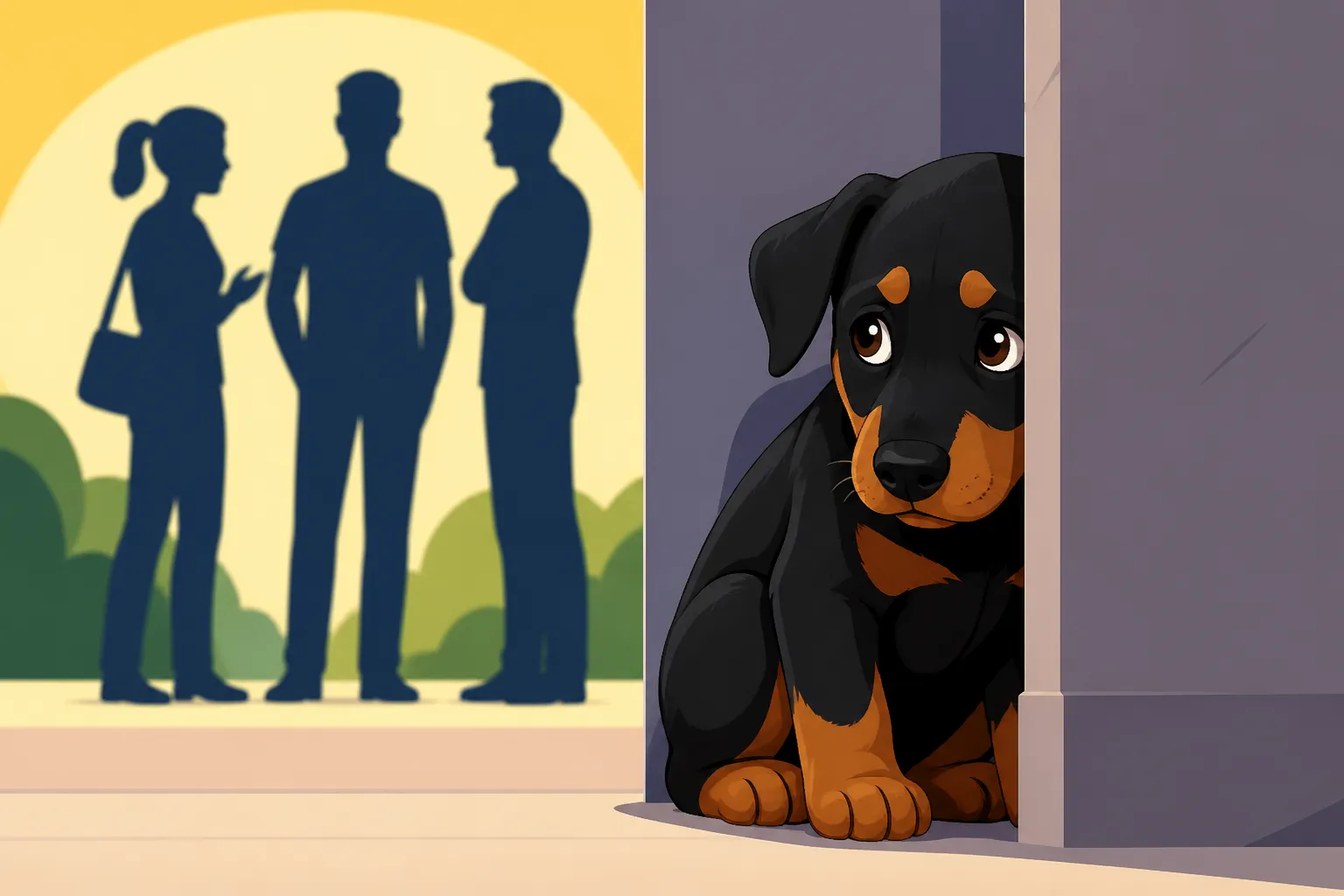
It can be absolutely heartbreaking and, frankly, a bit alarming when your proud Doberman puppy, who you envisioned as a confident companion, instead retreats and hides behind your legs or under furniture when new people come over. This isn't just "shyness"; it's a genuine fear response that needs careful, empathetic handling to ensure your Doberman grows into the well-adjusted, self-assured dog you know they can be. This guide will help you understand why your Doberman puppy might be hiding from strangers and offer practical, step-by-step strategies to build their confidence and transform those fearful reactions into calm, positive introductions.
Why Your Doberman Puppy Might Be Hiding
When your Doberman puppy tucks its tail, tries to disappear, or even growls softly from a distance at a new face, it's natural to feel a pang of concern. You might wonder if you did something wrong or if they'll ever be comfortable. It's crucial to remember that this behavior usually stems from fear or anxiety, not aggression or malice. Understanding the root causes is the first step in helping them overcome it.
The Role of Genetics and Early Experiences
Let's be real: Dobermans, by their very nature, were originally bred for protection and a degree of wariness towards strangers. While modern breeding has softened some of these edges for companion dogs, an underlying predisposition towards being reserved with new people can still exist. Think about their ancestors – they needed to discern friend from foe quickly. This doesn't mean your puppy is destined to be fearful, but it does mean they might have a slightly lower threshold for feeling overwhelmed than, say, a Golden Retriever.
Beyond genetics, a puppy's earliest weeks are profoundly impactful. If a Doberman puppy didn't receive enough positive exposure to a variety of people, sights, and sounds during its critical socialization window (typically up to 16 weeks), they might develop anxieties more easily. Imagine a puppy spending its first few months in a very quiet home or kennel, only seeing a couple of familiar faces. When suddenly confronted with a bustling world of new sounds, smells, and towering strangers, it's like being dropped onto an alien planet. They lack the mental framework to process these novel stimuli as safe, and hiding becomes their go-to coping mechanism. This is why breeders who actively work on The Sixteen Weeks That Set a Doberman Up are so valuable.
Fear Periods and Negative Associations
Puppies go through predictable "fear periods" where they can suddenly become very sensitive to things that didn't bother them before. A loud noise, a startling interaction, or even just an unexpected movement can create a lasting negative association during these times. If a well-meaning but overly exuberant visitor rushed towards your puppy, reached over them, or made a loud noise while trying to say hello, your puppy might have logged that as a scary event. These single, traumatic interactions can etch themselves deeply into a puppy's memory, making them wary of similar situations or people in the future. It’s not just about what did happen, but what the puppy perceived happened. For a Doberman with their intelligent and observant nature, they might connect specific types of people (e.g., men with hats, people with loud voices) to that negative experience.
Another common scenario is repeated, forced interactions. If you’ve ever tried to gently pull your puppy out from under the table to "make" them greet someone, you might inadvertently be reinforcing their fear. They learn that new people equal uncomfortable situations where they lose control and safety. Instead of building confidence, this can solidify their belief that hiding is their only way to escape. We need to respect their need for space and control, and let them approach on their own terms.
Creating a Safe and Positive Environment at Home
Your home should be your Doberman puppy's sanctuary, especially when they're learning to navigate the world. For a puppy prone to hiding, building a strong foundation of safety and positive associations within their own territory is paramount. This isn't about sheltering them; it's about empowering them.
Designating a "Safe Space"
Every Doberman, especially a shy one, needs a designated retreat – a place where they can go to feel completely safe and undisturbed. This might be a crate, a cozy bed in a quiet corner, or even a dog bed behind a specific piece of furniture. The key is that this space is theirs, and absolutely no one, not even you, should bother them when they're in it. This teaches them that they have control and a reliable escape route if they feel overwhelmed. Imagine how comforting it is to know you can retreat to your bedroom when guests are over and just decompress. Your puppy needs that too.
Introduce this space as a positive place. Feed them high-value treats there, give them their favorite chews for a Doberman that cannot be left alone to enjoy only in their crate, and let them nap there undisturbed. You can find excellent crates and comfortable bedding on Amazon that will make this space inviting. When guests arrive, your puppy should have the option to go to this safe space without being coaxed out. This isn't giving in to fear; it's giving them a choice, which reduces stress and builds trust. Over time, as their confidence grows, they might choose to stay out more, but the option to retreat should always be there.
Controlled Introductions and Positive Reinforcement
When new people come to your home, the goal is to make every interaction a positive one, no matter how small. Forget the idea of rushing introductions. Instead, manage the environment so your puppy can observe from a distance and make their own choices.
Here's how to set up a successful, low-pressure introduction:
- Prep Your Guest: Before anyone enters, explain the situation to your guest. Ask them to ignore your puppy completely at first. No direct eye contact, no reaching out, no talking to the puppy. This might sound counterintuitive, but it removes pressure.
- Start from a Distance: When your guest enters, have them sit down in an area where your puppy can see them but is far enough away to feel comfortable. Your puppy might choose to hide initially, and that's perfectly fine.
- The "Treat Toss": Have your guest gently toss high-value treats (think cooked chicken, cheese, or hot dogs) towards your puppy without looking at them. They should toss the treat a little behind the puppy or to its side, so the puppy doesn't feel like the treat is coming directly at them as a threat.
- Observe and Progress: As your puppy starts to associate the guest's presence with delicious treats, you might notice them venture out a bit further to retrieve the treat. This is a huge win! The guest should continue tossing treats, gradually decreasing the distance if the puppy seems comfortable. Remember, if your puppy hides again, the guest should simply toss treats to where the puppy is hiding.
- No Pressure, No Petting: Do not allow the guest to try to pet the puppy until the puppy actively approaches them, shows relaxed body language (loose tail, soft eyes, sniffing), and solicits interaction. Even then, have the guest offer a hand from below for sniffing rather than reaching over the head.
This method, often called "passive socialization," helps your Doberman puppy form positive associations with new people on their own terms. It teaches them that strangers bring good things and pose no threat. Online training platforms, like those offered by BAXTER & Bella, often provide structured modules on this type of positive exposure, breaking down complex social scenarios into manageable steps that you can follow at home. They can be incredibly helpful for guiding you through Exposing a Doberman Puppy to Strangers in a way that builds confidence rather than fear.
Strategic Socialization: Quality Over Quantity
When it comes to socializing a shy Doberman puppy, it's not about how many people they meet, but the quality of those interactions. A few incredibly positive, controlled experiences are far more beneficial than many overwhelming or negative ones. This careful approach helps to ensure that when your Doberman interacts, they are truly learning that the world is a safe place, not just enduring it.
Slow and Steady Wins the Race
Trying to expose a shy Doberman to a chaotic environment like a crowded dog park or a busy shopping center too early can actually backfire, reinforcing their fear. Instead, focus on gradual, controlled exposure.
Consider these scenarios:
- Neighborhood Walks: Start with quiet streets during off-peak hours. If you see someone approaching, create distance. Step off the path, let your puppy observe from a safe distance, and reward them for calm behavior. If someone wants to say hello, politely explain your puppy is learning to be brave and ask them to give space, perhaps tossing a treat from a distance. A long line, available on Amazon, can give your puppy more room to explore and feel less constrained while still being safely attached to you.
- "Set Up" Interactions: Arrange for calm, dog-savvy friends or family members to visit your home specifically for low-pressure treat-tossing sessions, as described above. The more positive these encounters, the faster your puppy’s brain rewires to see new people as sources of good things.
- Puppy Classes: A well-run puppy class can be invaluable, but choose wisely. Look for classes that prioritize positive reinforcement, small groups, and instructors experienced with shy or sensitive puppies. The focus should be on building confidence and good manners, not forced interactions. A good instructor will guide you on how your puppy can observe the environment safely and engage when ready, rather than being overwhelmed. For some Dobermans, Whether Puppy Class Is Enough for a Doberman depends entirely on the quality of the class and continued effort at home.
Recognizing and Responding to Stress Signals
It's absolutely vital to become fluent in your Doberman puppy's body language. They communicate their comfort levels long before they resort to hiding or growling. Learning to spot these subtle signals means you can intervene, create space, or end an interaction before your puppy becomes truly overwhelmed, thereby preventing negative experiences.
Here's a quick guide to some common stress and relaxation signals:
| Stress Signals | Relaxation Signals |
|---|---|
| Lip licking, yawning (not sleepy) | Loose, wagging tail (low or mid height) |
| Head turning away, averting eyes | Soft, blinking eyes |
| Whale eye (whites of eyes showing) | Relaxed mouth, sometimes open with tongue out |
| Tucked tail, lowered body posture | Ears soft and natural (not pinned back) |
| Freezing, stiff body | Sniffing the ground, relaxed posture |
| Pinned-back ears | Gentle nudging for attention |
| Trembling, shedding excessively | Play bows, inviting interaction |
If you see multiple stress signals, your puppy is telling you they are uncomfortable. Respect that. Create more distance, calmly remove them from the situation, or redirect their attention to a calming activity, like chewing a favorite toy. Pushing them past their comfort zone will only increase their fear and erode the trust you're working so hard to build. Remember that Why Yelling Shuts a Doberman Down applies to subtle cues as well; any perceived pressure can be counterproductive.
Building Confidence Beyond the Home
While home is an important starting point, your Doberman puppy will need to generalize their newfound confidence to different environments and situations. This doesn't mean forcing them into situations they're not ready for, but rather systematically expanding their comfort zone with consistent, positive support.
Structured Training and Enrichment
A confident Doberman is often a well-trained Doberman. Engaging in positive reinforcement training not only teaches them essential cues but also builds their self-esteem and strengthens your bond. When a puppy knows what’s expected of them and feels successful, their overall confidence grows.
- Focus on Foundational Skills: Teach basic obedience cues like "sit," "stay," "come," and "down" using treats and praise. Success in these simple tasks makes them feel competent. Platforms like BAXTER & Bella provide comprehensive online training programs that use positive reinforcement, which can be fantastic for shy puppies.
- Marker Training: Learning Marker Training a Doberman From Scratch can be incredibly effective. A clicker or a verbal marker ("yes!") precisely marks the moment your puppy does something right, making learning clear and fun. This clarity reduces confusion and builds confidence.
- Puzzle Toys and Scent Work: Mental stimulation is just as important as physical exercise for a Doberman. Puzzle Work That Actually Tires a Doberman can build problem-solving skills and independent confidence. Scent work, where they use their powerful nose to find hidden treats, is another fantastic, low-pressure activity that engages their natural instincts and boosts self-assurance.
- Vet Visits and Grooming: These can be scary for any puppy, let alone a shy one. Practice positive associations at home. Touch their paws, ears, and mouth regularly, pairing it with treats. When at the vet, ask the staff to use the same "ignore and treat toss" method with your puppy. This helps with Getting a Doberman Used to Vet Handling and prevents these necessary experiences from becoming traumatic.
Continuing Support and Patience
Building confidence in a shy Doberman puppy is a marathon, not a sprint. There will be good days and bad days, and it requires immense patience and consistency on your part.
- Avoid Labels: Try not to label your puppy as "shy" or "nervous" too often, especially in front of others. Our words can sometimes shape our perceptions and even how others interact with our dogs. Instead, focus on their progress, no matter how small.
- Advocate for Your Puppy: You are your Doberman's best advocate. Don't be afraid to politely tell people not to pet your dog, to give them space, or to toss a treat instead. It's okay to prioritize your puppy's comfort and emotional well-being over someone else's desire to interact.
- Consider Professional Help: If you feel overwhelmed, or your puppy's fear seems to be escalating despite your best efforts, don't hesitate to reach out to a certified professional dog trainer or a veterinary behaviorist. They can assess your specific situation, rule out underlying medical issues (though Whether a Nervous Doberman Becomes Aggressive is a critical question a professional can help answer), and develop a tailored plan. Look for someone who uses positive, force-free methods and has experience with fear-based behaviors in Dobermans. Finding a Trainer Who Has Worked With Dobermans is essential to ensure the methods used are appropriate for your dog’s sensitive nature.
Remember, every Doberman puppy is an individual. Some will naturally be more outgoing, while others need a gentle hand and a lot of understanding to blossom. Your dedication and consistent, positive approach will ultimately help your hiding Doberman puppy transform into the brave, confident, and loving companion you always dreamed of.
Disclaimer
This article is for general informational purposes only and does not constitute professional advice. Laws, prices and regulations vary by location and change over time. Consult a qualified professional for guidance on your specific situation.