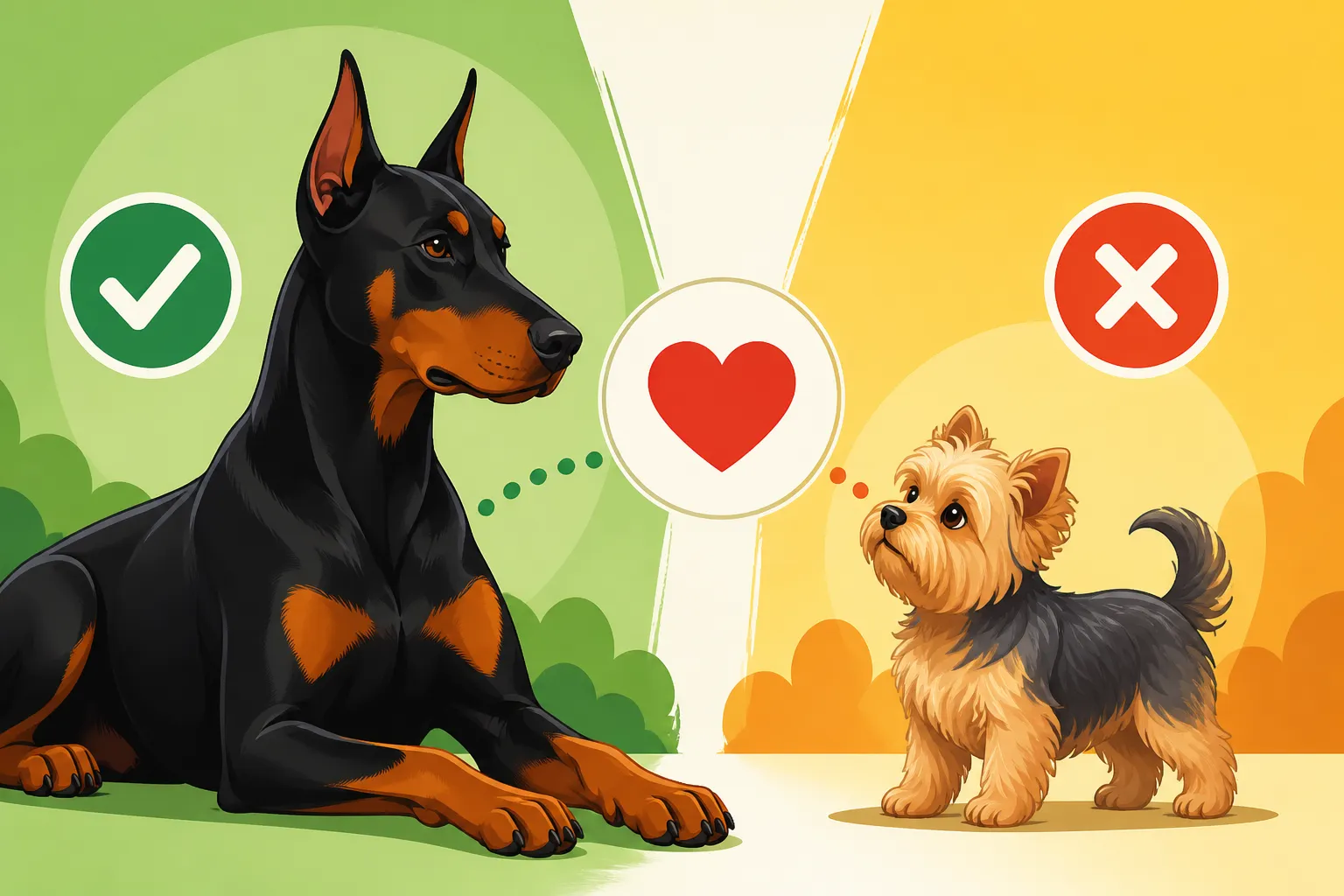
Whether a Doberman Tolerates Small Dogs
One of the biggest worries many aspiring Doberman owners face, especially if they already share their home with smaller furry friends, is whether these powerful, elegant dogs can truly coexist peacefully with pint-sized companions. It’s a completely valid concern; Dobermans carry a reputation, and small dogs often bring out a different side of canine behavior. This guide will delve deep into the complexities of Doberman temperament, their instincts, and the critical role of early training and ongoing management to help you understand if a Doberman can genuinely tolerate, and even thrive with, small dogs in your household.
Understanding the Doberman's Innate Predatory Drive
Let's be realistic about Dobermans. They were originally bred for personal protection and guarding, and a part of that heritage includes a certain level of prey drive. This isn't necessarily a bad thing, but it's something every Doberman owner needs to acknowledge and manage, especially when small animals are in the picture. This isn't about malicious intent; it's about deeply ingrained instincts that can be triggered by movement, size, and sound.
The Doberman's Instinctual Nature
Dobermans are intelligent, energetic, and highly observant dogs. Their sharp senses mean they notice a lot more than many other breeds, and their quick reflexes allow them to act on those observations. For instance, the sudden darting movement of a small dog, particularly one with a high-pitched yip, can inadvertently activate their chase instinct. This isn't aggression in the traditional sense; it's a hardwired response to a stimulus that resembles prey. Imagine a squirrel zipping across the yard—most dogs, including Dobermans, would instinctually give chase. Now, consider a small terrier puppy doing the same thing. The line between what's perceived as play and what's perceived as prey can sometimes blur for a Doberman if they haven't been properly socialized and taught otherwise.
It's crucial to understand that while Dobermans can be incredibly gentle and loving with their family, their protective nature can sometimes extend to guarding their "flock"—which might include smaller human family members—from perceived outside threats. However, this same instinct doesn't always translate into automatic acceptance of other small animals as part of that flock, especially if they haven't been introduced carefully and deliberately. Doberman Guarding Instinct and Where It Tips Over touches on the nuances of their protective behaviors, which can sometimes be misunderstood.
Differentiating Prey Drive from Aggression
It’s easy to confuse prey drive with aggression, but they are fundamentally different. Aggression often stems from fear, resource guarding, or a desire to dominate, leading to growling, snapping, or biting with the intent to harm or deter. Prey drive, on the other hand, is about the instinct to chase, capture, and, in some cases, kill. It’s a sequence of behaviors that would naturally occur in a hunting scenario: orienting, staring, stalking, chasing, grabbing, and biting. A dog acting on pure prey drive might be silent and intensely focused, rather than exhibiting warning signs of aggression.
For example, a Doberman might see a small Chihuahua running and simply switch into "chase" mode, not out of malice, but because the movement is irresistible. The Doberman isn't trying to hurt the Chihuahua out of anger; it's responding to a deep, primal urge. The danger lies in the physical disparity. A Doberman, even playing, can accidentally inflict serious injury on a tiny dog. This is why careful management and training are absolutely paramount. A Doberman with a strong prey drive can learn to coexist, but it requires diligent work to redirect that drive and teach appropriate responses to small, fast-moving stimuli.
The Pivotal Role of Socialization and Early Experiences
The foundation for a Doberman's ability to tolerate smaller dogs is laid during puppyhood. Early and positive exposure to a wide variety of stimuli, including different sizes and types of dogs, is non-negotiable. This isn't just about preventing aggression; it's about shaping a Doberman's perception of small dogs from the very beginning.
The Critical Window for Puppy Socialization
The period between 8 and 16 weeks is often referred to as the critical socialization window for puppies. During this time, every positive experience contributes to building a confident, well-adjusted adult dog. For a Doberman puppy, this means safe, supervised interactions with polite adult dogs of all sizes, including small breeds. This isn't just a casual "let them sniff" moment. It means structured playdates where both dogs are comfortable, positive reinforcement for calm behavior, and immediate intervention if play becomes too rough or one dog becomes overwhelmed.
If a Doberman puppy is only exposed to other large dogs, or worse, not socialized at all, they might view small dogs later in life as either novel, exciting prey, or fearful, unpredictable creatures. A well-socialized Doberman puppy learns the nuances of canine body language and appropriate play behavior, understanding that small dogs require a gentler approach. Resources like BAXTER & Bella's online puppy training programs can be invaluable during this stage, offering structured guidance for socialization and obedience without needing to leave home, which is especially useful before a puppy is fully vaccinated. The Sixteen Weeks That Set a Doberman Up emphasizes the importance of these formative experiences.
Introducing a Doberman to Existing Small Pets
Bringing a Doberman puppy into a home with existing small dogs requires a carefully orchestrated plan. It’s not about throwing them in together and hoping for the best. Initial introductions should be done on neutral territory, with both dogs on leash, ensuring they are calm and relaxed. Positive reinforcement, like high-value treats, should be used to create positive associations between the Doberman and the smaller dog. Short, supervised sessions, gradually increasing in duration as comfort levels rise, are key.
For adult Dobermans, especially those without a known history with small dogs, the process might be even more involved. You might start with parallel walks, where both dogs walk alongside each other but don't directly interact, focusing on calm, unreactive behavior. Using baby gates or crates to create temporary barriers within the home allows them to get used to each other's presence without direct interaction. A Doberman That Reacts to Every Dog It Sees offers insights into managing reactivity, which can sometimes manifest when unfamiliar dogs are introduced. Remember, slow and steady wins the race when it comes to fostering a harmonious multi-dog household.
Management Strategies for Multi-Dog Households
Even with excellent socialization, ongoing management is essential for successful coexistence between a Doberman and smaller dogs. You can't just set it and forget it. It's about proactive steps to ensure safety and reinforce positive behaviors daily.
Creating Safe Spaces and Supervising Interactions
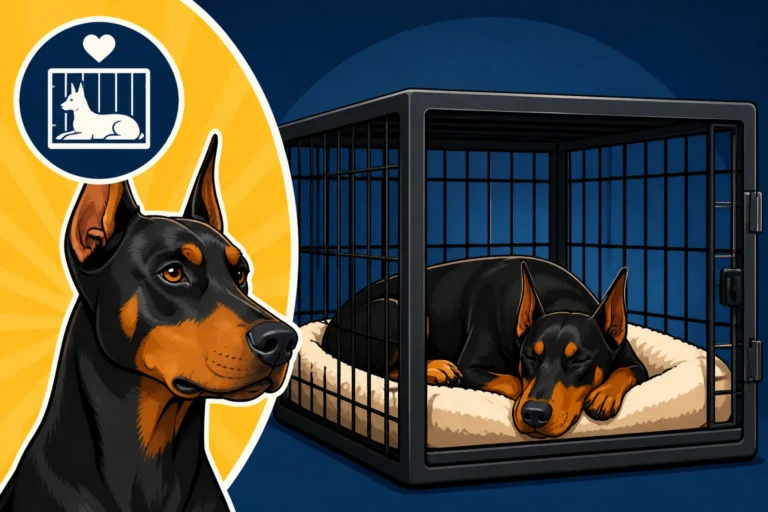
One of the most crucial strategies is to create clear boundaries and safe zones for all dogs in the home. This means having separate resting areas, feeding stations, and even designated "time-out" spots. For small dogs, this might mean elevated beds or crates in areas inaccessible to the Doberman. Baby gates, easily found on Amazon, are incredibly useful for segmenting parts of your home, allowing the Doberman and small dogs to be in the same general vicinity but not necessarily in direct, unsupervised contact.
Supervision is non-negotiable. Anytime the Doberman and smaller dogs are together, a responsible adult needs to be actively monitoring their interactions. This means being aware of body language, intervening if play gets too boisterous, or if the Doberman becomes overly focused on a smaller dog. Never leave them unsupervised, even for a moment, until you are absolutely certain of their dynamics, and even then, caution is always wise. Accidents can happen in an instant, and it's always better to be safe than sorry. For instance, feeding time should always be separate, as resource guarding can be a major trigger, even for otherwise well-behaved dogs.
Training for Coexistence and Respect
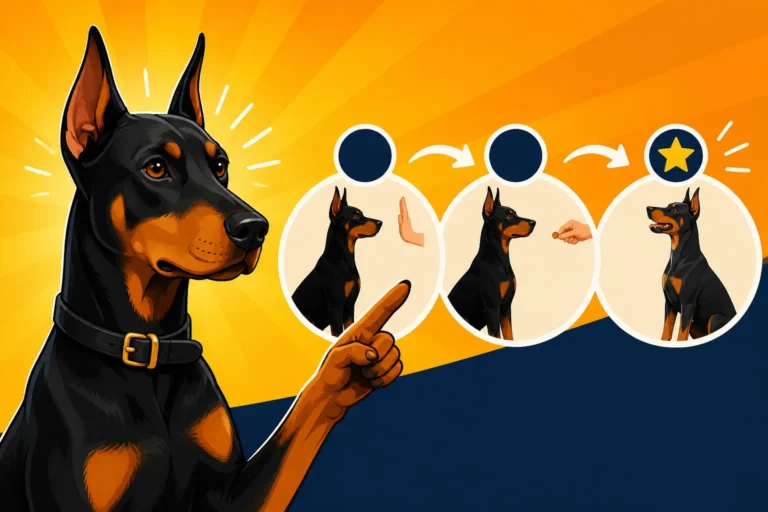
Consistent training plays a massive role in ensuring peaceful coexistence. Your Doberman needs to have a strong foundation in obedience, particularly cues like "leave it," "stay," "come," and "place." These commands allow you to redirect their attention, prevent unwanted chases, and manage their behavior in situations involving small dogs. For example, if your Doberman starts to fixate on your little terrier, a sharp "leave it" or "place" command should immediately break their focus and send them to their designated spot. Training a Doberman That Is Smarter Than You Expect provides helpful advice on teaching advanced obedience to these intelligent dogs.
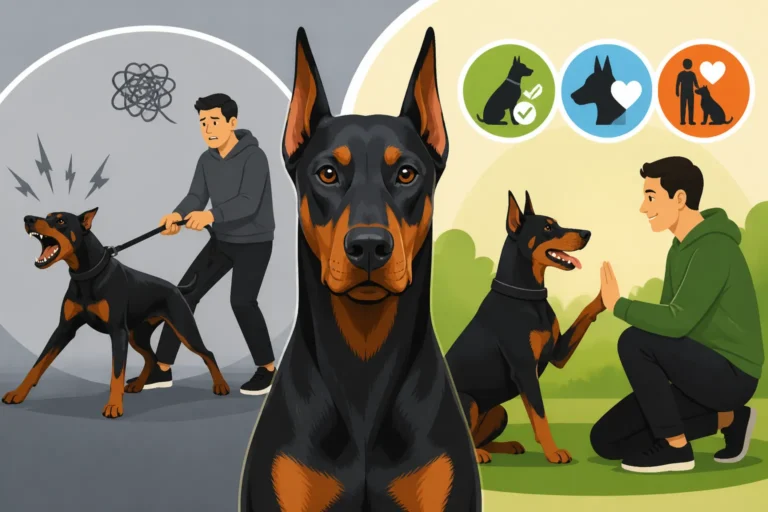
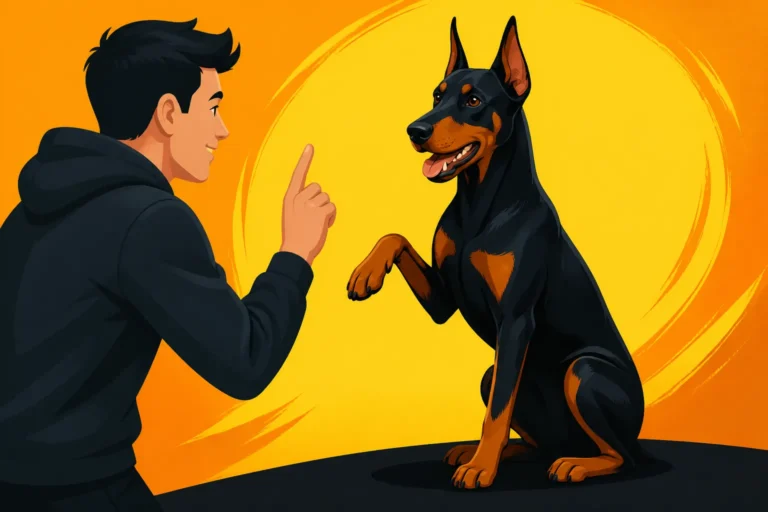
Positive reinforcement is your best friend here. Reward your Doberman lavishly with treats and praise for calm, appropriate interactions with the smaller dogs. If they walk past a small dog without reacting, offer a treat. If they lie down calmly while a small dog is nearby, reward them. This teaches the Doberman that good things happen when they are gentle and respectful around their smaller housemates. Equally important is teaching the smaller dog appropriate boundaries with the Doberman; they shouldn't be allowed to constantly pester or jump on the larger dog, as this can also lead to frustration and potential snapping. Doberman Puppy Biting and Adolescent Mouthing touches on teaching bite inhibition, which, while focused on human hands, has principles that apply to inter-dog communication.
Here's a quick reference guide for distinguishing playful vs. predatory behavior cues:
| Behavior Aspect | Playful Interaction | Predatory/Prey Drive |
|---|---|---|
| Body Language | Loose, bouncy, "play bow," wagging tail (loose, high/mid position), relaxed mouth, soft eyes. | Stiff, low crawl, intense stare ("hard eye"), ears forward, tail high/stiff or tucked low, closed mouth, tense muscles, often silent. |
| Vocalizations | Barking (often high-pitched, playful), growling (rumbling, not threatening), whines. | Silent, or a low, guttural growl right before action. |
| Movement | Erratic, self-handicapping (rolling over, bowing), taking turns chasing, pauses in play. | Direct, sustained chase, intent to capture, no pauses unless stalking. |
| Interaction | Reciprocal, "tag" game, inviting engagement, no injury. | One-sided pursuit, focus on capture, potential for injury. |
| Motivation | Social bonding, energy release. | Instinctive hunt sequence. |
The Value of Professional Guidance
Sometimes, despite your best efforts, you might encounter challenges in fostering harmony between your Doberman and smaller dogs. This is where professional help becomes invaluable. A certified professional dog trainer or a veterinary behaviorist can assess your specific situation, observe the interactions between your dogs, and develop a tailored plan. They can identify subtle cues you might be missing and provide practical strategies for management and behavior modification.
Don't hesitate to seek help if you're struggling. Early intervention can prevent minor issues from escalating into serious problems. A qualified professional can help you implement safe training techniques and ensure that both your Doberman and your smaller dogs feel secure and understood in their shared environment. They might suggest specific tools, like muzzles for supervised introductions if there’s a risk of injury, or recommend advanced obedience training to solidify your Doberman’s impulse control. Muzzle Training a Doberman Before It Is Needed can offer insights into how to introduce this tool positively.
Recognizing Red Flags and When to Seek Professional Help
Being a responsible Doberman owner means being constantly vigilant and understanding your dog's subtle cues. Recognizing when a situation is escalating, or when your Doberman is feeling overly stimulated or predatory, is critical for preventing harm.
Subtle Signs of Discomfort or Threat
Dobermans, like all dogs, communicate primarily through body language. We need to learn their language to understand when things might be going sideways. Subtle signs of discomfort or potential trouble from your Doberman might include:
- Stiffening: The dog’s body language becomes rigid, less fluid. This is often an early indicator of heightened focus.
- Hard Stare/Fixed Gaze: The Doberman’s eyes become intense, fixed on the smaller dog, often without blinking. This is very different from a soft, playful gaze.
- Low Head Carriage/Creeping: A subtle lowering of the head and body, often accompanied by slow, deliberate movements, indicates a stalking behavior.
- Closed Mouth/Pulled Back Lips: While some dogs pant when stressed, a tightly closed mouth or lips pulled back to create a tense line can signal discomfort or impending action.
- Piloerection (Hair standing up): Even if subtle, a raised hackle along the spine can indicate arousal, fear, or aggression.
- Lip Licking (in absence of food): This can be a calming signal, indicating stress or anxiety.
- Yawning (in absence of tiredness): Another calming signal that can indicate stress.
- Blocking/Herding Behavior: Positioning themselves between the small dog and an exit, or trying to herd the smaller dog into a corner.
On the other hand, also pay attention to your small dog's signals. Are they constantly trying to hide, trembling, showing submissive urination, or vocalizing excessively out of fear? These are all signs that the small dog is not tolerating the Doberman’s presence well, regardless of the Doberman’s intentions. A Doberman That Stiffens Before It Growls is a useful read for understanding these early warning signs.
When Professional Intervention Becomes Necessary
There are times when the situation is simply beyond what you can safely manage on your own. If you observe any of the following, it’s a clear indication that you need to seek immediate professional help from a certified dog trainer specializing in aggression or a veterinary behaviorist:
- Any physical contact that results in injury, no matter how minor. A single bite, nip, or rough tackle that causes pain or breaks skin is a serious incident.
- Intense, unmanageable prey drive: If your Doberman consistently attempts to chase, stalk, or "catch" your smaller dog, even after training and management efforts.
- Resource guarding: If your Doberman growls, snaps, or acts aggressively when a smaller dog approaches their food, toys, bed, or even you.
- Consistent fear or stress in the smaller dog: If your small dog is perpetually stressed, hiding, or showing signs of chronic fear due to the Doberman's presence. This impacts their quality of life.
- Escalating aggression: Any growling, snapping, or lunging that is increasing in frequency or intensity.
Remember, your primary responsibility is the safety and well-being of all animals in your care. While it’s wonderful to imagine a harmonious multi-species household, it’s not always feasible without significant, ongoing intervention. Sometimes, for the sake of everyone's safety and happiness, difficult decisions might need to be made, and a professional can help you navigate those conversations and options.
Conclusion: Can a Doberman Tolerate Small Dogs? It Depends on the Human.
So, can a Doberman tolerate small dogs? The honest answer is: yes, many can, and they can even form incredibly strong, loving bonds. However, it's never a given. It depends far more on the owner's commitment to responsible breeding choices, early and ongoing socialization, consistent training, and vigilant management than it does on the Doberman themselves. These aren't dogs you can just "wing it" with. Their intelligence, strength, and strong instincts require a thoughtful, proactive approach, especially when small, vulnerable companions are involved.
If you are considering adding a Doberman to a home with small dogs, or vice versa, proceed with caution, research thoroughly, and be prepared to invest the time, effort, and potentially professional resources required to ensure a safe and happy environment for all your beloved pets. It’s a huge undertaking, but for many, the reward of seeing their magnificent Doberman gently interact with their tiny companions is absolutely worth the dedication.
Disclaimer
This article is for general informational purposes only and does not constitute professional advice. Laws, prices and regulations vary by location and change over time. Consult a qualified professional for guidance on your specific situation.