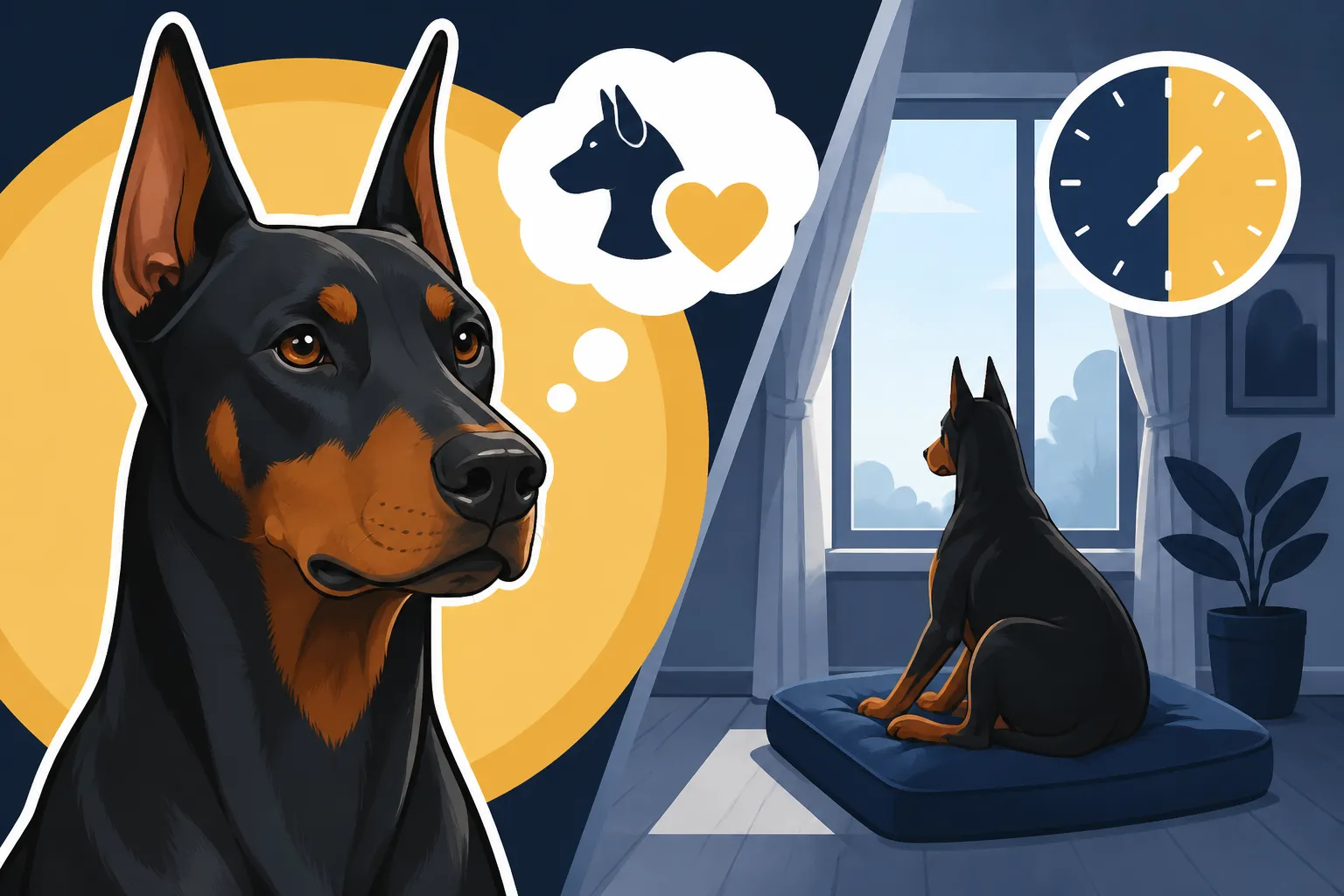
How Long a Doberman Copes Alone
It's a common dilemma for Doberman owners, isn't it? That pang of guilt as you close the door, wondering if your ever-present companion will truly cope with hours of solitude, or if you'll return to a symphony of barks and a house redecorated by anxious teeth. Dobermans are famously devoted, and understanding their unique need for connection is key to happily managing their time alone. This guide will help you set realistic expectations and develop strategies to ensure your Doberman feels secure and content, even when you can't be by their side.
Understanding Your Doberman's Need for Company
Let's be real, a Doberman isn't just a pet; they're family, and they often see themselves as your shadow. This intense bond is one of the most endearing qualities of the breed, but it also means that being left alone can be a genuine struggle for them. It’s not about being "needy" in a bad way; it's just how they're wired.
The "Velcro Dog" Nickname and What It Means
If you own a Doberman, you already know exactly why they're lovingly called "Velcro dogs." They stick to you like glue, following you from room to room, often settling at your feet or leaning against your legs the moment you pause. This isn't just a cute quirk; it's a deep-seated instinct. Dobermans were originally bred to be close personal protectors, guardians who were constantly aware of their owner's presence and ready to act. That instinct translates into a powerful desire for proximity and connection.
When you're home, they thrive on this constant interaction. They’re observing, learning, and feeling part of the pack. They literally want to know what you're doing, and if they can assist. This makes them incredibly loyal and responsive, but it also means that the sudden absence of their person can be genuinely unsettling. It's not uncommon for owners to describe a Doberman That Follows You Everywhere, even into the bathroom! This isn't just habit; it's their intrinsic drive to be near their human.
Why Solitude Can Be a Struggle for the Breed
For many Dobermans, being alone isn't just boring; it can be genuinely distressing. Their intelligence, combined with that strong guarding and companionship instinct, means they don't just "turn off" when you leave. Instead, their minds are often active, wondering where you are and when you'll return. This can manifest in various ways, from pacing and whining to destructive chewing or incessant barking. It's a clear sign of a Doberman That Cannot Cope When You Go Out.
Think about it from their perspective: one minute, they're part of a busy household, their senses engaged with sights, sounds, and the comforting presence of their people. The next, everything goes silent, and they're left in an empty house. For a breed that thrives on routine and interaction, this can feel like a sudden, jarring shift. They aren't wired to be independent loners. Instead, they derive much of their security and mental stimulation from being part of your daily rhythm. A Doberman truly needs to feel useful and included, and being alone for extended periods runs counter to their fundamental nature.
Realistic Timeframes for Leaving a Doberman Alone
Determining how long your Doberman can comfortably be left alone isn't a one-size-fits-all answer. It depends heavily on their age, training, individual temperament, and how well you've prepared them for solitude. Pushing them beyond their comfort zone often leads to anxiety and behavioral issues, which no one wants.
Puppy Limitations and Gradual Acclimation
Doberman puppies, like all puppies, have very short attention spans and small bladders. They simply cannot hold it for long, and their need for interaction and stimulation is constant. Asking a young Doberman puppy to be alone for more than a couple of hours is asking for trouble – both for their bladder control training and their emotional development.
| Age of Doberman Puppy | Maximum Recommended Alone Time | Key Considerations |
|---|---|---|
| 8-10 weeks | 1-2 hours | Frequent potty breaks, high supervision, crate training |
| 11-14 weeks | 2-3 hours | Continue potty training, introduce enrichment toys |
| 15-20 weeks | 3-4 hours | Build confidence, increase mental stimulation before leaving |
| 5-6 months | 4-5 hours | Should be reliably house-trained, more robust coping skills |
These are maximums, not targets. Ideally, you want to gradually build up their tolerance, starting with just a few minutes, then extending it. This process of Building a Doberman's Alone Time From Minutes is crucial for preventing separation anxiety later on. You should always ensure they've had ample opportunity to relieve themselves and have been thoroughly exercised, both physically and mentally, before being left. A bored puppy is a destructive puppy, and a Doberman puppy’s mind needs just as much tiring out as their body.
Adult Doberman Guidelines
An adult Doberman, typically from about 1.5 to 2 years old and beyond, with proper training and socialization, can usually handle more alone time. However, "more" is still relative. They aren't bred to be independent for full workdays, day in and day out. For a well-adjusted adult Doberman, a period of 4-6 hours is generally considered manageable. Some individuals might stretch to 7 or 8 hours occasionally, but this should not be a daily expectation.
Regularly leaving an adult Doberman alone for 8+ hours a day, five days a week, is often where problems begin. Even if they don't destroy things, prolonged solitude can lead to chronic stress, boredom, and a decline in their overall well-being. They might become withdrawn, lethargic when you are home, or develop nuisance barking complaints from neighbors. Remember, Dobermans are highly intelligent; they need their Keeping a Doberman Mentally Tired as much as they need physical exercise. If their minds aren't engaged, they'll find ways to entertain themselves, and those ways are rarely aligned with your home décor.
Senior Dobermans and Special Considerations
As Dobermans age, their needs shift again. Senior dogs (roughly 8+ years) may develop age-related health issues that impact their ability to hold their bladder, or they might experience increased anxiety or cognitive decline. A senior Doberman who once coped fine with 6 hours alone might suddenly struggle after 3 or 4.
You might notice more frequent accidents, increased vocalization, or a general restlessness that wasn't there before. Their sleep patterns can change, and they might become more sensitive to changes in routine. For these wise old companions, it's particularly important to:
- Reduce alone time: If possible, arrange for shorter periods alone.
- Increase potty breaks: They may need to go out more frequently.
- Provide extra comfort: A softer bed, easy access to water, and a quiet, familiar space are essential.
- Monitor health: Any sudden change in their ability to cope alone should prompt a vet visit to rule out underlying medical conditions.
Their emotional needs might also increase as they become more dependent. They've spent their lives by your side, and that bond only strengthens with time. Patience and understanding are key during these golden years.
Strategies to Help Your Doberman Cope and Thrive When You're Away
The good news is that there are many proactive steps you can take to help your Doberman not just cope with alone time, but genuinely thrive even when you're not physically present. It’s all about preparation, routine, and making their solo hours positive.
Creating a Safe, Engaging "Alone Zone"
The environment you leave your Doberman in makes a huge difference. It needs to be safe, comfortable, and stimulating enough to prevent boredom from setting in.
- Crate Training: A properly introduced and positively reinforced crate can be a Doberman's den, a secure space where they feel safe. It prevents destructive behavior and keeps them out of trouble. Make sure the crate is appropriately sized; a Crate Sizing for a Doberman at Full Height is crucial so they can stand, turn around, and lie down comfortably. Never use the crate as punishment, and always make it a place associated with good things – special toys, treats, and quiet relaxation.
- Dedicated "Alone Room": If crating isn't an option or your Doberman prefers more space, a dog-proofed room can work. Remove anything valuable or chewable. Ensure there's a comfy bed, fresh water, and engaging toys.
- Interactive Toys and Chews: This is where you really combat boredom. High-value, long-lasting chews (like Kongs filled with peanut butter and frozen, bully sticks, or dental chews) can occupy a Doberman for a good chunk of time. Puzzle toys that dispense kibble or treats can provide valuable Puzzle Work That Actually Tires a Doberman mentally, keeping their clever minds engaged rather than letting them fret. I often grab a variety of these from Amazon; having a rotation keeps things fresh and interesting.
- Calming Aids: Some Dobermans benefit from a white noise machine, classical music, or a dog-specific calming scent diffuser. These can help mask external noises that might trigger barking and create a more tranquil atmosphere.
Before You Walk Out the Door: Exercise and Routine
The moments leading up to your departure are critical. A Doberman who is physically and mentally tired, and who understands the routine, is far more likely to settle down peacefully.
- Rigorous Exercise: Before you leave, dedicate time to a vigorous walk, a run, or some serious playtime in the yard. A tired Doberman is a good Doberman! This isn't just a quick potty break; it's about burning off excess energy and satisfying their need for activity. Think 45 minutes to an hour of solid activity.
- Mental Stimulation: Don't forget their brains! A quick training session, a game of "find it" with treats, or practicing Teaching a Doberman to Settle in Another Room can provide mental fatigue that helps them relax. A Doberman's mind needs to be worked as much as its body.
- Calm Departure Routine: Avoid making a big fuss when you leave. Doting goodbyes can actually heighten their anxiety. Instead, establish a calm, consistent routine. Give them their special "departure" toy, say a simple, calm goodbye, and leave. Your calm demeanor reassures them that your departure isn't a crisis.
- Potty Break: Always, always, always offer a final opportunity to relieve themselves right before you go. Even if they just went ten minutes ago, sometimes the anticipation of your departure can make them need to go again.
Modern Tools and Professional Support
Sometimes, even with the best intentions and preparations, your Doberman might still struggle. Thankfully, there are tools and professionals who can help bridge the gap.
- Pet Cameras: These are a game-changer for monitoring your Doberman's behavior when you're not home. Many models allow two-way audio, so you can check in and even speak to your dog if they seem distressed. Some can even toss treats! This gives you invaluable insight into how they truly behave once you're gone.
- Dog Walkers or Drop-in Visits: If you need to be out for longer stretches, hiring a reputable dog walker to come in midday for a walk and a potty break can be a lifesaver. It breaks up their alone time and provides much-needed interaction.
- Doggy Daycare: For Dobermans who enjoy the company of other dogs and are well-socialized, a few days a week at a good doggy daycare can be an excellent option. It offers exercise, socialization, and constant supervision. However, not all Dobermans are suited for daycare, and finding one that understands and manages the breed's temperament is key. You might wonder Whether Daycare Helps a Clingy Doberman, and for many, it absolutely does!
- Professional Trainers or Behaviorists: If your Doberman exhibits severe separation anxiety – frantic barking, destructive behavior, self-harm, or persistent attempts to escape – it's time to call in a professional. A certified professional dog trainer or veterinary behaviorist can help diagnose the root cause and develop a tailored modification plan. Sometimes, Medication for a Doberman With Separation Distress might even be part of a comprehensive treatment plan, but this should always be done under veterinary guidance. Online resources, like those offered by BAXTER & Bella, can also provide structured training programs and support for managing common behavioral challenges, including building confidence for alone time. They break down complex issues into manageable steps, which can be a huge relief when you feel overwhelmed.
By implementing these strategies, you can help your Doberman feel secure and comfortable during their alone time, turning a potential source of stress into a peaceful part of their routine.
Disclaimer
This article is for general informational purposes only and does not constitute professional advice. Laws, prices and regulations vary by location and change over time. Consult a qualified professional for guidance on your specific situation.