Whether a Doberman Is Meant to Look Thin
It’s a common scenario: you’re out with your Doberman, proudly walking your magnificent, sleek companion, and someone inevitably comments, "Oh, he looks so thin! Are you feeding him enough?" Or perhaps you’re looking at photos of other Dobermans online, and suddenly you’re wondering if your own dog is indeed too lean, even though your vet says he’s perfect. This guide aims to clear up the confusion about a Doberman’s ideal body condition, explain why they look the way they do, and help you confidently assess your own dog's health without getting caught up in misconceptions.
The Doberman's Natural Physique and What "Lean" Really Means
When you look at a Doberman, what you're seeing is a breed engineered for athleticism, speed, and endurance. They aren't meant to be bulky or heavily muscled in the way a Rottweiler or a Mastiff might be. Their build is one of elegant power, and that elegance often translates to a visibly lean physique that can sometimes alarm those unfamiliar with the breed.
Understanding the Breed Standard's Ideal Weight and Build
The official breed standard for Dobermans, whether you look at the American Kennel Club (AKC) or European standards, emphasizes a dog that is compact, muscular, and powerful, but never coarse or bulky. The description often includes words like "sleek," "athletic," and "elegant." This isn't just about aesthetics; it's about function. A Doberman needs to be agile and quick, capable of covering ground with powerful, efficient strides. Excessive fat or muscle bulk would hinder this. They are built for sustained effort, not just raw power in short bursts. Think of a marathon runner versus a weightlifter – different body types for different purposes. This means that a healthy Doberman should look trim, with definition rather than mass.
Why a Doberman Isn't Built Like a Bulldog or a Lab
If your previous canine companions were breeds known for a more robust or stocky build, like a Labrador Retriever, a Bulldog, or even a Golden Retriever, then a Doberman's physique can seem starkly different. These other breeds naturally carry more body fat or muscle mass as part of their genetic makeup and breed purpose. Labradors, for instance, were bred to retrieve in cold water, requiring a denser coat and a more insulated body. Bulldogs have a compact, heavy frame for entirely different historical reasons.
The Doberman, on the other hand, was developed to be a formidable but agile guard dog, requiring speed and quick reflexes. Their lean musculature, deep chest, and tucked abdomen are hallmarks of this working heritage. They have a very efficient metabolism and generally don't carry excess weight well, which can lead to joint issues and other health problems down the line. It's truly a case of comparing apples and oranges; a Doberman is designed for a specific athletic performance that demands this leaner build.
Visual Cues: What "Thin" Looks Like on a Healthy Doberman
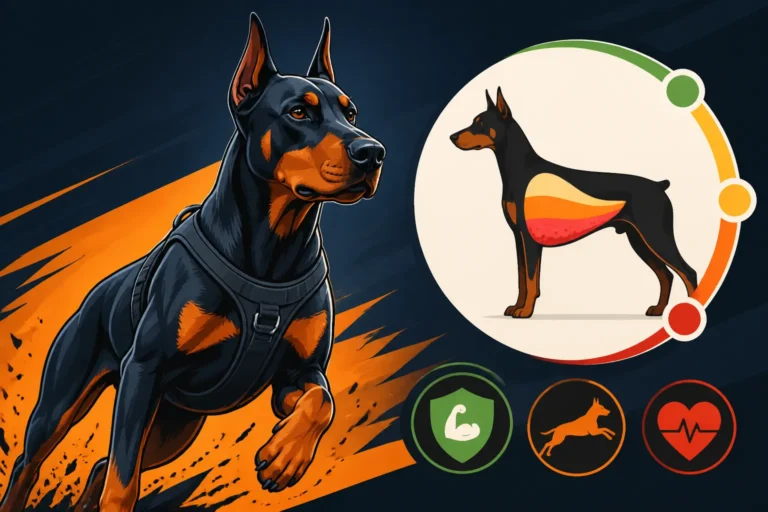
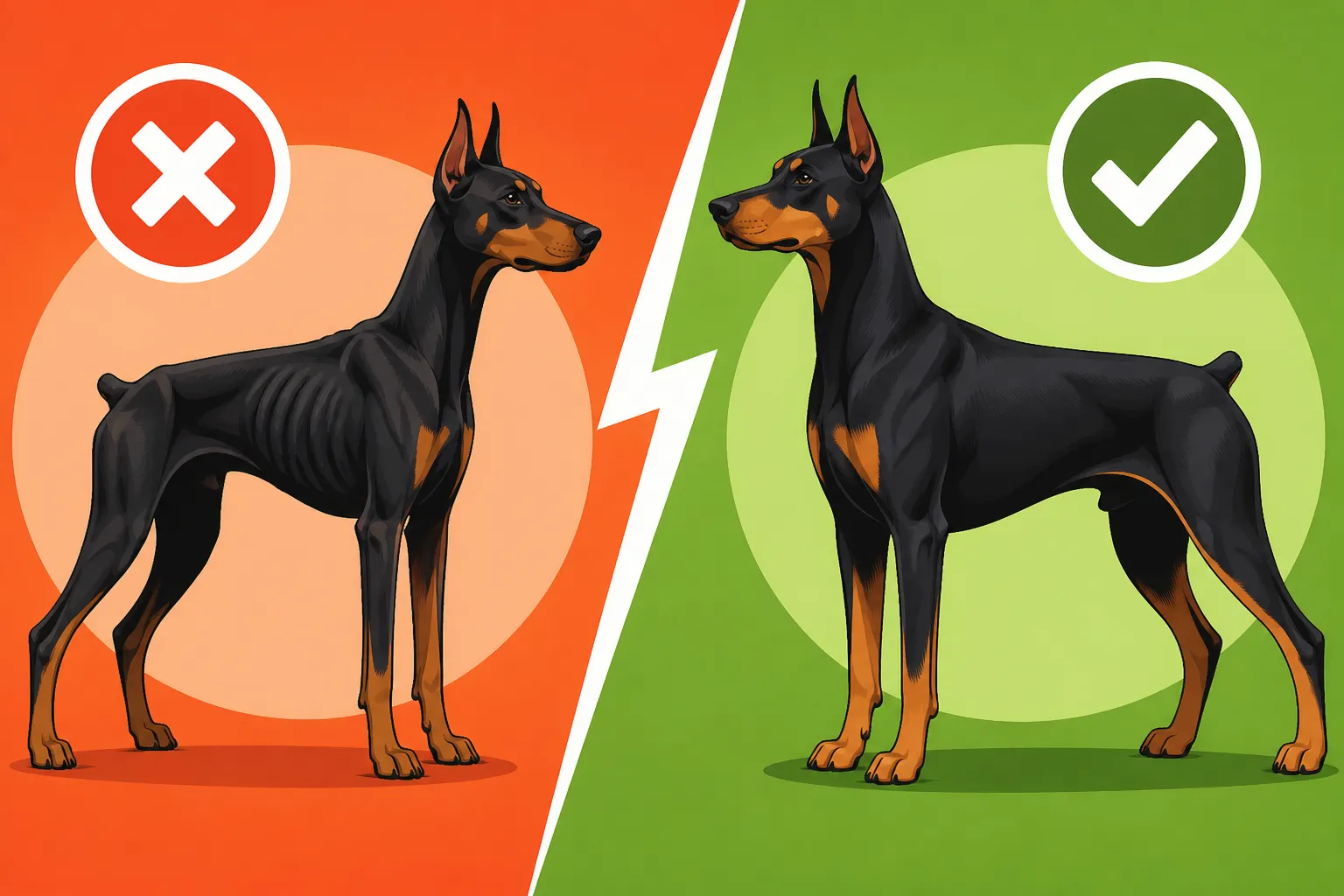
So, how can you tell if your Doberman's "thinness" is healthy leanness or genuine underweight? A healthy Doberman will typically have ribs that are easily felt under a thin layer of fat, but not prominently seen without a lot of effort or specific lighting. You should be able to make out a distinct waistline when looking down at them from above, and their abdomen should tuck up nicely from the side, not hang low. Their musculature, especially over the hindquarters and shoulders, should be visible and defined, not hidden under a thick layer of fat.
Sometimes, when a Doberman is stretched out or moving, a couple of ribs might briefly flash into view, especially after exercise. This is usually normal. What you don't want to see are ribs, hip bones, or vertebrae standing out sharply all the time, particularly if they appear angular and devoid of muscle covering. A healthy Doberman looks powerful and streamlined, not frail or bony. You might want to refer to Reading Ribs and Hip Points on a Doberman for more detailed guidance on how to physically check.
Common Misconceptions and External Pressures
It's astonishing how often Doberman owners face scrutiny over their dog's weight. The breed's naturally sleek profile can be easily misunderstood by those accustomed to more common, often heavier, breeds. This constant questioning can erode an owner's confidence, making them second-guess their care, even when their Doberman is thriving.
The "Starved" Look: Public Perception vs. Reality
One of the most frustrating things Doberman owners encounter is the immediate assumption that their dog is being starved, simply because it looks "thin" to an untrained eye. People often associate visible ribs with neglect, forgetting that different breeds have different ideal body compositions. A Doberman that is at its ideal weight will often show some muscle definition and have a clear tuck, which can be interpreted as underweight by someone who usually sees more heavily built dogs.
This perception gap creates an uncomfortable situation. You know you're feeding your dog well, providing excellent care, and your vet has given them a clean bill of health regarding their weight. Yet, a stranger at the park might stare, whisper, or even confront you. It can be particularly disheartening when you're doing everything right, but public opinion suggests otherwise. Remember, a Doberman's build, as described in The Doberman the AKC Standard Describes, is naturally athletic and sleek, not stout or chunky.
How Social Media and Misinformation Skew Expectations
In the age of Instagram and Facebook, images of dogs are everywhere, and unfortunately, not all information shared is accurate or healthy. You might see Dobermans that are deliberately over-conditioned for show rings, appearing bulkier than truly necessary, or conversely, images of genuinely underweight dogs being praised for their "athletic" look. This creates a confusing landscape where owners struggle to discern what a truly healthy Doberman looks like.
The problem is compounded by the sheer volume of opinions. Everyone's an expert online, and it's easy to fall down a rabbit hole of conflicting advice. This constant visual bombardment and often-uninformed commentary can make you doubt your own judgment, even when you're observing your dog daily and know their habits and energy levels best. It's crucial to filter this noise and rely on credible sources, like your veterinarian and reputable breed resources.
Dealing with Unsolicited Advice from Well-Meaning Strangers
Whether it's a neighbor, a distant relative, or a complete stranger on a walk, unsolicited advice about your Doberman's weight is almost inevitable. Most people mean well, but their comments can still be intrusive and make you feel defensive. It's challenging to politely educate someone who genuinely believes your dog needs more food, especially when you're tired of having the same conversation.
A polite but firm response can often help. Something like, "He's actually at his ideal weight for his breed; our vet checks him regularly and is happy with his condition," can often shut down the conversation. You don't owe anyone a detailed explanation, but having a prepared, confident answer can make these encounters less stressful. Focus on your Doberman's vitality – their bright eyes, shiny coat, and boundless energy are often the best indicators that they are, in fact, perfectly healthy, regardless of what someone else might think.
Factors Influencing a Doberman's Body Condition
A Doberman's weight isn't a static number; it's a dynamic reflection of various internal and external factors. Understanding these can help you better manage your dog's health and maintain that lean, athletic build.
Age, Activity Level, and Metabolism: Why No Two Dobermans Are Identical
Just like humans, Dobermans have individual metabolic rates. Some are naturally "hard keepers," burning through calories at an incredible rate, while others might gain weight more easily. This is often tied to their specific genetics, even within the same breed. A Doberman puppy, growing rapidly, will have different caloric needs than an adult, and a senior Doberman's metabolism will slow down, requiring adjustments to their diet and exercise routine. For puppies, it’s vital to understand What a Doberman Puppy Needs at Each Age to support their fast growth without over-stressing their joints.
Activity level plays a huge role. A Doberman involved in competitive sports like Schutzhund, agility, or regular long runs will naturally be leaner and more muscular than a Doberman who enjoys leisurely strolls and couch time. Their bodies are built for movement, and an active Doberman will maintain a leaner physique as a direct result of their energy expenditure. It's essential to tailor their diet to their activity.
Diet Quality and Quantity: Fueling a High-Energy Breed
The type and amount of food your Doberman eats are paramount. Feeding a high-quality diet that is appropriate for their age, activity level, and any specific health needs is crucial. Dobermans typically thrive on diets rich in protein and moderate fat to support their muscle mass and energy levels. While every dog is different, a good quality kibble, or even a fresh-food diet from a brand like Ollie, can make a significant difference in their coat, energy, and overall body condition.
It's not just about giving them more food; it's about giving them the right food. Sometimes, an owner might be feeding a large volume of a lower-quality food, but the dog isn't absorbing the nutrients effectively, leading to a lackluster coat or difficulty maintaining weight. Conversely, overfeeding even a high-quality food can lead to undesirable weight gain. Calculating Daily Calories for an Adult Doberman is a great starting point, and remember that treats also contribute to their daily intake!
Health Concerns That Can Lead to Unintended Weight Loss
While a lean look is desirable, unintentional weight loss can be a red flag for underlying health issues. A Doberman that suddenly becomes noticeably thinner, despite no change in diet or activity, should always be checked by a veterinarian. Various conditions can cause weight loss, including:
- Parasites: Internal parasites can steal nutrients, leading to a dull coat and weight loss.
- Dental problems: Painful teeth can make eating difficult, even if the dog is hungry.
- Thyroid issues: Hypothyroidism, while often associated with weight gain, can sometimes present with other metabolic disturbances that lead to poor condition.
- Gastrointestinal problems: Conditions like inflammatory bowel disease or malabsorption issues can prevent nutrients from being properly utilized.
- Cardiomyopathy (DCM): As a Doberman's heart condition progresses, they may lose weight, often subtly at first. This is a critical point to watch for in the breed, and regular checks, as detailed in Annual Echo and Holter Screening for a Doberman, are vital.
- Cancer: Unfortunately, like many breeds, Dobermans are susceptible to certain cancers, which can cause cachexia (wasting) as the disease progresses.
If you observe sudden or significant weight loss, lethargy, changes in appetite, or any other concerning symptoms, don't hesitate to consult your vet. Early detection of health problems is always best.
Assessing Your Doberman's Ideal Weight
Knowing what to look for beyond just the number on the scale is vital for a Doberman. Scales can be deceptive because a tall, heavily boned Doberman might weigh more than a shorter, finer-boned one, yet both could be at their ideal body condition. Learning to use visual and tactile assessments is key.
The Rib Test: Feeling for the Sweet Spot
The "rib test" is one of the most practical ways to assess your Doberman's body condition. Here's how to do it:
- Stand over your Doberman: Place both palms flat against their rib cage.
- Gently run your hands along their sides: Apply light pressure.
- What you should feel: You should be able to easily feel your Doberman's ribs, individually, under a thin layer of skin and muscle, almost like feeling the knuckles on the back of your hand. You shouldn't have to press hard to locate them.
- What you shouldn't feel (ideally): The ribs should not be visible or prominent without touching, nor should they feel sharp or like they're protruding with no covering. Conversely, you shouldn't have to dig through a layer of fat to find them.
If you can see most of their ribs without even touching, or if they feel very sharp, your Doberman might be too thin. If you struggle to feel their ribs at all, they might be carrying too much weight. This tactile assessment is far more accurate than just looking. For a deeper dive into this, check out Reading Ribs and Hip Points on a Doberman.
The Tuck and Waistline: What to Look for from Above and Side
Beyond the ribs, two other visual cues are crucial: the waistline and the abdominal tuck.
-
From Above (The Waistline): Stand directly above your Doberman and look down at their back. You should see a distinct "waist" or hourglass shape behind their rib cage, before their hips. Their sides should curve in. If their body looks like a straight line from their shoulders to their hips, or if it bulges out, they're likely overweight. If the curve is extremely dramatic and they look pinched in, they might be underweight. The Waist a Doberman Should Show From Above goes into more detail on this.
-
From the Side (The Abdominal Tuck): View your Doberman from the side. Their abdomen should tuck up visibly from the bottom of their rib cage towards their hind legs. This "tuck" should be pronounced. If their belly hangs low or is parallel to the ground, they are likely carrying too much weight. If the tuck is excessively sharp and their flank looks hollow, they could be underweight.
Together, the rib test, waistline, and tuck provide a comprehensive picture of your Doberman's body condition.
When to Consult Your Vet: Recognizing True Underweight or Overweight
While these visual and tactile assessments are excellent for everyday monitoring, your veterinarian is your best resource. Schedule a vet visit if:
- You're unsure: If you're genuinely struggling to assess your Doberman's weight, or if conflicting advice has left you confused, get a professional opinion.
- Sudden changes: Any rapid or unexplained weight loss or gain warrants a vet visit to rule out underlying health issues.
- Visible bones: If your Doberman's ribs, hip bones, or spine are clearly visible and prominent without much effort, it's time for a check-up. This is often a sign of being truly underweight.
- Lack of definition: If you can't feel ribs easily, or there's no visible waistline or tuck, your Doberman may be overweight. Obesity in Dobermans can lead to joint problems, heart strain, and other issues, shortening their already precious lifespan.
- Behavioral changes: If weight changes are accompanied by lethargy, changes in appetite, vomiting, diarrhea, or any other concerning symptoms, see your vet immediately. Many of these issues might be covered under the types of The Vet Bills a Doberman Runs Up Outside Screening.
Your vet can provide an objective assessment, rule out medical causes for weight fluctuations, and help you develop a tailored nutrition and exercise plan.
Maintaining a Healthy Weight for Your Doberman
Achieving and maintaining a Doberman's ideal lean body condition is an ongoing commitment. It requires thoughtful nutrition, consistent exercise, and regular monitoring. It's about finding that perfect balance where they are strong, energetic, and healthy, not just "thin."
Tailoring Nutrition to Your Doberman's Specific Needs
One size does not fit all when it comes to feeding Dobermans. A young, intact male Doberman running agility five times a week will have vastly different caloric and nutritional requirements than a spayed, senior female who enjoys shorter, leisurely walks. Factors like age, sex, activity level, metabolism, and any existing health conditions all play a role.
You might need to adjust their food intake seasonally – perhaps a little more in colder months if they spend more time outdoors, or slightly less in warmer months if their activity dips. When choosing food, look for high-quality proteins as the first ingredient and avoid excessive fillers. Brands like Chewy and Amazon offer a wide range of premium kibbles and fresh food options, but always read the ingredient list carefully. Some Dobermans do incredibly well on fresh food diets, while others thrive on a carefully chosen kibble. Understanding Protein and Fat for a Lean Working Doberman can help guide your choices for an active dog.
It’s also important to consider meal timing. Due to their deep, narrow chests, Dobermans are prone to bloat (Gastric Dilatation-Volvulus), a life-threatening condition. Feeding smaller, more frequent meals (two or three times a day) rather than one large meal can help reduce the risk. Ensure they don't engage in strenuous activity immediately before or after eating.
The Role of Consistent Exercise in Body Condition
You can't out-exercise a bad diet, but you also can't expect a Doberman to maintain their ideal physique without consistent, appropriate exercise. These are high-energy dogs that need more than just a quick trip around the block. They thrive on activity that engages both their bodies and minds.
Daily exercise should include a combination of leash walks, off-leash running (in a safe, enclosed area), playtime, and mental stimulation. Think about activities like fetch, flirt poles, or even structured training sessions that involve movement. Regular, vigorous exercise not only burns calories but also builds and maintains lean muscle mass, which is crucial for their overall health and that desirable athletic appearance. A Doberman with sufficient exercise will naturally carry less excess fat and have a more defined, lean look. Without it, even with careful feeding, they can start to put on soft weight or lose muscle tone.
Regular Monitoring and Adjustments as They Age
Your Doberman's ideal weight and body condition will likely change throughout their life. A growing puppy will fill out differently than a mature adult, and an older Doberman's needs will shift again. What looks perfectly healthy at two years old might be too lean or too heavy at eight.
Make it a habit to perform the rib test and visual assessment regularly – perhaps once a month. Pay attention to their energy levels, coat condition, and overall demeanor. Are they slowing down? Are their ribs becoming more or less prominent? Keep a close eye on The Doberman Years When Everything Shows Up to anticipate potential changes.
If you notice changes, make small, gradual adjustments to their food intake or exercise routine. Don't make drastic changes overnight. For instance, if they seem a little too lean, add a small handful of kibble to each meal for a week or two and reassess. If they're gaining too much, slightly reduce their portion. You can also track how many cups an adult Doberman eats to keep a consistent log. Your vet can also guide you on appropriate adjustments as your Doberman transitions through different life stages.
Body Condition Score for Dobermans
To help you visualize and assess your Doberman's body condition, here's a general guide. Remember, this is a subjective tool; your vet can provide a more precise evaluation.
| Score (1-9) | Description | Ribs (Feel/See) | Waistline (Top View) | Abdominal Tuck (Side View) | General Appearance |
|---|---|---|---|---|---|
| 1 (Emaciated) | Severe undernourishment | Easily visible, prominent, no fat/muscle cover | Extreme hourglass, severe tuck | Extremely sharp, hollow flank | Bones protruding, severe muscle loss, looks frail |
| 2 (Very Thin) | Underweight, minimal fat, some muscle loss | Easily visible, individual ribs seen easily | Very pronounced hourglass, pinched | Very sharp, minimal body fat | Ribs, spine, pelvis evident, lack of muscle |
| 3 (Thin) | Underweight, little fat, minor muscle loss | Easily felt, may be visible | Pronounced hourglass, distinct tuck | Distinctly tucked | Ribs, spine easily palpable, minimal fat layer |
| 4 (Underweight) | Slightly underweight, lean, few visible ribs | Easily felt, barely visible | Visible hourglass, good tuck | Good tuck, abdomen rising | Lean body, slight definition, some ribs might show on movement |
| 5 (Ideal) | Ideal body condition for an athletic Doberman | Easily felt, not visible (or barely on movement) | Distinct hourglass | Well-tucked | Well-proportioned, lean, muscular, smooth contour |
| 6 (Overweight) | Mildly overweight, slight fat covering | Felt with slight difficulty | Slight hourglass, not prominent | Less tucked, almost level with chest | Loss of waist, some fat over ribs and back |
| 7 (Heavy) | Noticeably overweight, moderate fat covering | Difficult to feel, requires pressure | Straight or bulging | Level with chest, or slight sag | Rounder appearance, noticeable fat deposits |
| 8 (Obese) | Very overweight, significant fat covering | Very difficult to feel, requires firm pressure | Bulging, no waist | Sagging abdomen | Pronounced fat deposits, heavy build, lack of definition |
| 9 (Severely Obese) | Morbidly obese, excessive fat | Cannot feel, buried in fat | Severe bulging | Profound sag, swinging belly | Massive fat deposits, difficulty moving |
Disclaimer
This article is for general informational purposes only and does not constitute professional advice. Laws, prices and regulations vary by location and change over time. Consult a qualified professional for guidance on your specific situation.