Keeping a Doberman Warm Overnight Indoors
It's a common misconception that because Dobermans are such tough, resilient-looking dogs, they can handle any temperature with ease. The truth is, many Doberman owners find themselves surprised by just how much their beloved companion shivers or seeks warmth, even inside a seemingly comfortable home. This isn't just about them being "soft"; it's rooted deeply in their unique physiology. This guide will dive into why your Doberman often feels the chill more than you do, especially overnight, and offer practical, empathetic solutions to ensure they stay toasty and comfortable while everyone in the house sleeps soundly.
Why Dobermans Feel the Chill So Much And What It Means for Nighttime
Let's be honest, it's easy to assume your Doberman, with its powerful build and energetic personality, is just fine in conditions that might make you feel a little cool. After all, they’re hardly chihuahuas, right? But Dobermans are actually quite susceptible to cold, especially when inactive or sleeping. Understanding the fundamental reasons behind this can help you better cater to their needs and keep them genuinely comfortable, not just what we humans perceive as comfortable.
The Doberman's Unique Coat and Body Composition
One of the primary reasons your Doberman shivers in what you might consider mild temperatures is their coat. Unlike many other breeds, Dobermans boast a single, sleek layer of fur. They lack the dense, insulating undercoat that breeds like German Shepherds, Huskies, or even Labs possess. This beautiful, short coat, while easy to groom and striking to look at, offers very little in the way of natural thermal insulation. It's like wearing a thin t-shirt in winter – it might look fine, but it won't keep you warm.
Beyond their coat, Dobermans are incredibly lean and muscular. They don't carry a significant layer of body fat to help them retain heat, unlike many other large breeds. Think about it: when you look at a Doberman, you can often see the definition of their muscles, the slight prominence of their hip bones, and a distinct tuck-up at their waist. This low body fat percentage, combined with their short coat, means they lose heat much more rapidly than a dog with a thick, double coat and a bit more insulation beneath the skin. When they curl up for the night, without the benefit of continuous movement or a warm sunbeam, that body heat dissipates quickly into the surrounding air, making them feel cold far faster than you might expect. This is why you often find them burrowed under blankets or snuggled tightly against you. Why a Doberman Feels the Cold Before Other Dogs really explains this in detail.
How Their Metabolism Affects Temperature Regulation
A Doberman's metabolism is another key player in their sensitivity to cold. These are dogs bred for work, for athleticism, and for constant engagement. When they are active, running, training, or even just patrolling the house, their metabolism is usually humming along, generating internal heat. It's like a small, efficient furnace. But when they're settled down, especially for an extended period like overnight sleep, that metabolic furnace slows down considerably. Their body temperature naturally dips as they enter deeper sleep cycles.
If the ambient temperature in the house isn't quite warm enough to counteract this natural heat loss, they'll struggle to maintain their core temperature. Imagine yourself trying to sleep in a chilly room without enough blankets; your body works harder to stay warm, impacting sleep quality. For a Doberman, this can manifest as restlessness, seeking out warmer spots, or shivering even in their sleep. Ensuring they have sufficient calories during the day, as discussed in Feeding an Eighty-Pound Doberman Well, can also contribute to their overall ability to generate and maintain body heat, though it's not a substitute for proper bedding and warmth at night.
Age and Health as Factors in Cold Sensitivity
It’s also important to remember that not all Dobermans are created equal when it comes to feeling the cold. Age plays a significant role. Just like humans, Doberman puppies and senior Dobermans tend to be more susceptible to temperature fluctuations. Puppies haven't yet developed their full thermoregulatory capabilities, and their smaller body mass means they lose heat quickly. A young Doberman pup, especially during those first few weeks and months, needs extra consideration to stay warm and secure overnight.
On the other end of the spectrum, older Dobermans often have a harder time regulating their body temperature. Their metabolism might slow further, they may have less muscle mass (and thus less internal heat generation), or they could be dealing with underlying health issues that impact circulation or general vitality. Conditions that affect their heart, thyroid, or even arthritis can make them feel the cold more acutely. If your senior Doberman seems to be struggling with warmth more than usual, it’s always a good idea to chat with your vet. Sometimes, even the presence of certain health concerns that manifest later in life, as explored in The Doberman Years When Everything Shows Up, can exacerbate cold sensitivity. A Doberman with a thinning coat due to conditions like Color Dilution Alopecia in Blue and Fawn Dobermans will also naturally feel the cold much more intensely, requiring specialized care for warmth.
Creating a Cozy Sleeping Environment for Your Doberman
Knowing why your Doberman gets cold is the first step; the next is creating an environment that actively combats that chill. Your Doberman's sleeping area isn't just a place to rest; it's their sanctuary, their personal warmth zone. Thoughtful planning can make all the difference between a restless, chilly night and a deep, comfortable sleep.
The Importance of Proper Bedding
Choosing the right bedding for your Doberman is paramount. Given their minimal body fat and thin coat, a thin mat on the floor just won't cut it, especially in colder rooms or on hard surfaces. The goal is to provide insulation from cold floors and ample cushioning for their bony joints. Orthopedic beds with thick foam are excellent choices. They not only provide critical support for their long frames and reduce pressure points but also offer a good barrier against cold seeping up from the floor. Brands like Big Barker (often found on Amazon) are popular for larger breeds, though many excellent orthopedic options are available on Chewy.
Consider beds with bolsters or raised edges. Dobermans often love to curl up tightly, pressing their bodies against something warm. A bolstered bed provides that sense of security and a cozy nook for them to snuggle into, trapping their body heat more effectively. Some Dobermans even prefer elevated beds with a sturdy fabric sling, which gets them off the cold floor completely. While these may seem less "cozy" initially, adding a thick fleece blanket can make them incredibly comfortable and prevent cold transfer from the ground up. Bedding a Doberman With No Body Fat delves deeper into finding the perfect bed for your lean Doberman.
| Bedding Type | Pros | Cons | Best For |
|---|---|---|---|
| Thick Orthopedic | Excellent insulation, joint support, durable | Can be expensive, bulky, covers need washing | All Dobermans, especially seniors or those with joint issues |
| Bolster Bed | Provides security, traps heat, soft walls | Less orthopedic support if not combined | Dobermans who love to curl up and lean, good for general warmth |
| Elevated Cot | Keeps dog off floor (drafts), airflow for summer | Needs additional blankets for winter warmth | Dobermans prone to overheating or those needing firm elevation with extra layers |
| Self-Warming Bed | Reflects body heat back to the dog, no electricity | Effectiveness can vary, some are thinner | Any Doberman needing passive warmth without electricity |
| Cave/Hooded Bed | Ultimate burrowing spot, very warm and secure | Can be hard to clean, may be too small for large Dobermans | Dobermans who constantly seek to burrow under covers, very cold sleepers |
Strategic Placement of Sleeping Areas
Where you place your Doberman's bed is almost as important as the bed itself. Avoid placing their sleeping area directly in front of exterior doors, leaky windows, or in drafty hallways. These spots can become surprisingly cold overnight, even if the general house temperature feels comfortable to you. Imagine a constant stream of cold air hitting them all night – not ideal for a sound sleep!
Instead, opt for locations that are naturally warmer and less exposed to drafts. A corner in your bedroom, away from the window, or a spot in a frequently used living area that retains warmth from the day, can be much better. If your Doberman sleeps in a crate, consider placing the crate away from exterior walls and covering three sides with a blanket or a dedicated crate cover to create a cozier, draft-free den. Just ensure adequate ventilation for safety, especially if using electric warming pads. Even a Crate Sizing for a Doberman at Full Height choice implies knowing where that crate will be placed for optimal comfort.
Regulating Room Temperature Without Overheating
While keeping your Doberman warm is the goal, you don't want to turn your home into a sauna. Overheating can be just as dangerous as being too cold, especially for a Doberman that’s bundled up. The ideal overnight temperature for a Doberman will likely be a bit warmer than what many people keep their homes at. Aim for a comfortable room temperature, perhaps in the mid-to-high 60s Fahrenheit (around 19-20 degrees Celsius), at the very minimum. If you live in a particularly cold climate or your Doberman is elderly, a few degrees warmer might be necessary.
If you use a programmable thermostat, set it to maintain a slightly higher temperature overnight in the areas your Doberman sleeps. However, always prioritize good ventilation. Stagnant, overly warm air can be uncomfortable. It's about finding a balance: enough ambient warmth so their body isn't fighting the cold all night, but not so hot that they start panting or feeling stifled. Remember, you can always add more blankets or warm layers to your Doberman, but it’s harder to cool them down once they’re overheated.
Essential Gear for Overnight Warmth
Beyond just a good bed and a well-chosen spot, there are some specific items that can really elevate your Doberman's overnight comfort, turning a chilly night into a truly cozy one. These aren't just luxuries; for many Dobermans, they're necessities, particularly in colder seasons or homes.
Considering Pajamas and Indoor Coats
Yes, Doberman pajamas are a thing, and for good reason! Their thin skin and lack of an undercoat mean they lose heat from their entire body surface. A soft, well-fitting pair of dog pajamas, often made from fleece or cotton, can make a huge difference, especially for Dobermans who don't like to stay under blankets. These pajamas act as a second skin, trapping a layer of body heat close to their body. They're particularly helpful for puppies or older dogs who are more prone to chills. You can find a wide variety of styles and sizes on retailers like Amazon or Chewy.
Similarly, an indoor dog coat or sweater, distinct from their outdoor Winter Coats and Cold-Weather Gear for a Doberman, can be a lifesaver. These are typically lighter and less restrictive than outdoor gear, designed purely for warmth and comfort while lounging or sleeping. Look for soft, non-irritating fabrics. When choosing, ensure it's not too tight or binding, allowing for comfortable movement and sleep. Always check that whatever garment you choose is breathable to prevent skin irritation or overheating. It's about adding a gentle layer of warmth, not creating a suffocating wrap.
Safe Heating Pads and Self-Warming Beds
For Dobermans who really struggle with the cold, or for those with specific health needs like arthritis, a heated bed or heating pad can be a game-changer. There are two main types:
- Electric Heated Beds/Pads: These plug into an outlet and provide a consistent, gentle warmth. Crucially, always choose models specifically designed for pets, as human heating pads can get too hot and cause burns. Look for features like low wattage, automatic shut-off timers, and chew-resistant cords. These can be purchased from pet supply stores or online through platforms like Amazon. Ensure your Doberman has space to move off the heated area if they get too warm.
- Self-Warming Beds/Mats: These don't require electricity. Instead, they contain special insulating layers (often Mylar) that reflect your dog's own body heat back to them. They're a fantastic, safer option if you're concerned about electrical hazards or if your Doberman is a chewer. While they don't generate heat, they significantly reduce heat loss, making them surprisingly effective for many Dobermans. They're also usually more affordable and readily available on Chewy or at your local pet store.
No matter which type you choose, always supervise your Doberman initially to ensure they are comfortable and not getting too hot. Safety first, always!
Blankets and Layering for Extra Comfort
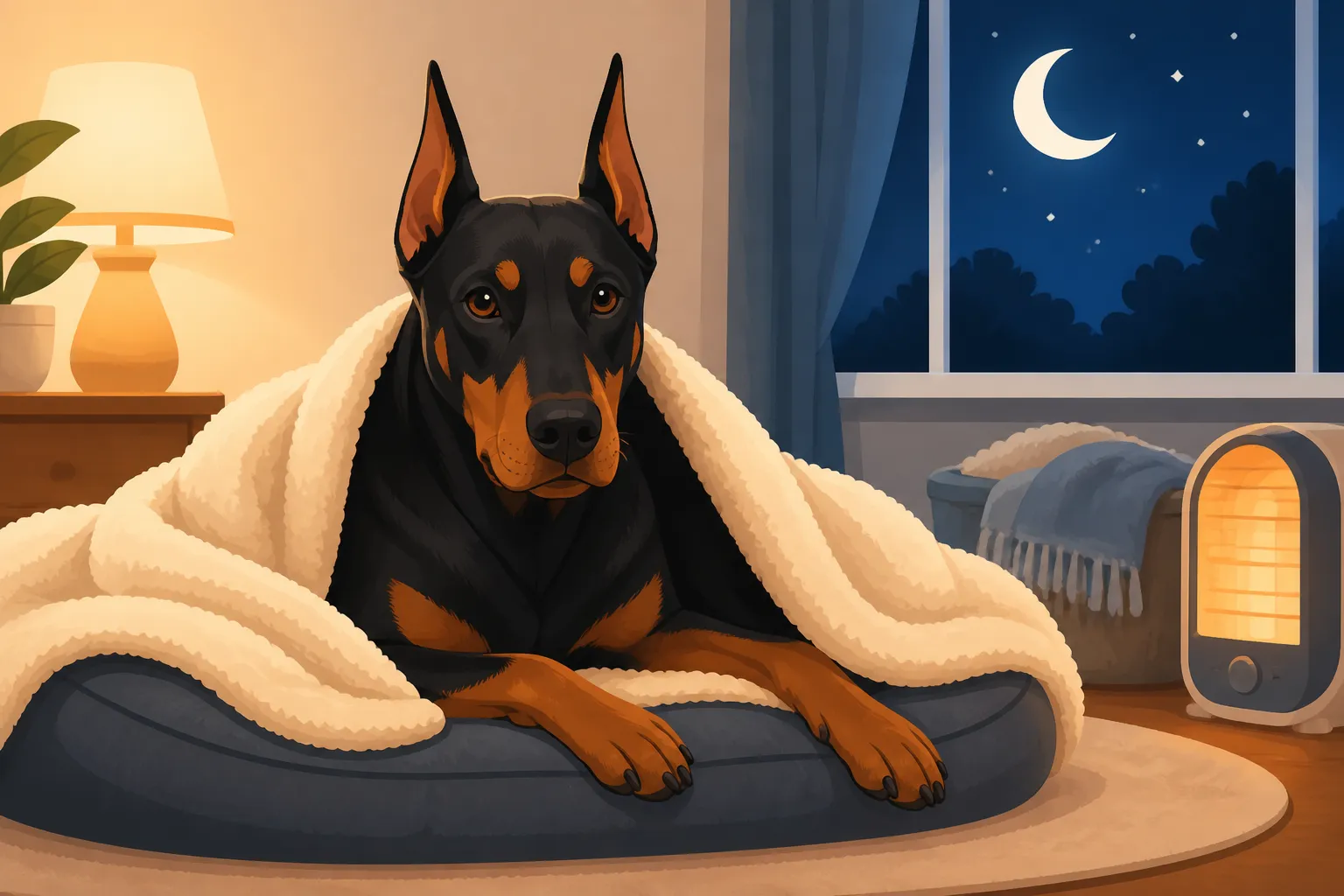
Sometimes, the simplest solutions are the best. A pile of soft, clean blankets can provide immense comfort and warmth for your Doberman. They love to burrow, nest, and create their own cozy little caves. Fleece blankets are a favorite, as they are soft, warm, and easy to wash. Provide several, allowing your Doberman to arrange them as they see fit. This allows them to self-regulate their warmth; they can dig into the layers when cold, or push them aside if they get too warm.
Layering is key, particularly if your home temperature fluctuates. A heavy blanket on top of their bed, perhaps draped over them once they're settled, can add that crucial extra bit of insulation. Many Dobermans will actively "make their bed," pawing and nudging blankets into just the right configuration. If your Doberman has a favorite blanket, ensure it's always available and clean. Think of it like making your own bed with multiple covers – it’s often more effective than a single, super-thick duvet for adaptable warmth.
Common Mistakes to Avoid When Keeping Your Doberman Warm
While our intentions are always good when it comes to our beloved Dobermans, it's easy to fall into certain traps that might inadvertently cause more problems than they solve. When it comes to keeping your Doberman warm overnight indoors, being mindful of potential pitfalls can prevent discomfort, health issues, or even safety concerns.
Over-Bundling and Risk of Overheating
It might seem counterintuitive, but just as a Doberman can get too cold, they can also get too hot, especially if we overdo it with blankets, sweaters, and high room temperatures. Dobermans, while thin-skinned, still have a normal body temperature that needs regulating. If they are constantly panting, seeking out cold spots, or restless despite being covered, they might be overheated. This is particularly crucial to monitor if you're using electric heating pads or have the house temperature set quite high.
Overheating can lead to dehydration and discomfort, and in severe cases, even heatstroke, though this is less common indoors overnight. Always ensure your Doberman has a way to escape the heat if they need to. This means not burying them completely under blankets they can't get out from, or giving them a bed that is entirely heated without a cooler edge. Think about how you feel under too many blankets – stifled and sweaty. Your Doberman feels the same. They need the ability to stretch out and cool down if their core temperature rises too much.
Neglecting Ventilation and Air Quality
In an effort to keep the cold out, we sometimes seal our homes up too tightly. While blocking drafts is important, completely eliminating fresh air can lead to stale air, increased humidity, and poor air quality. For a Doberman sleeping in a warm, enclosed space like a covered crate or a heavily blanketed bed, good ventilation is still essential. Stagnant air can contribute to respiratory irritation or even skin issues if moisture is trapped against their thin skin, particularly if they are wearing pajamas.
Ensuring there's a gentle flow of fresh air, without creating a direct cold draft, is the goal. This might mean keeping an interior door ajar or having a window slightly cracked in an adjacent room. The aim is to exchange air without making the sleeping area chilly. If you use a humidifier in winter, great, but ensure rooms are still airing out periodically. A healthy, fresh environment contributes to overall well-being, even when the primary concern is warmth.
Relying Solely on Your Own Comfort Level
This is perhaps one of the biggest and most common mistakes: assuming that if you are comfortable, your Doberman must be too. As we've discussed, Dobermans have a completely different physiological makeup than humans when it comes to temperature regulation. What feels like a pleasant, slightly cool room to you might feel downright chilly to your Doberman, especially when they are inactive for hours overnight.
Pay attention to your Doberman's cues. Are they shivering? Are they curled up in an unusually tight ball? Are they trying to burrow under furniture or blankets? Are they restless at night, constantly shifting to find a warmer spot? These are all indicators that they might not be warm enough, regardless of what your thermostat says or how comfortable you feel. Our Dobermans can't tell us in words, so it's up to us to observe their behavior and adjust their environment accordingly. Trust your Doberman's instincts over your own perception of the room temperature.
Addressing Specific Scenarios and Doberman Needs
Every Doberman is an individual, and their needs for warmth can vary based on their stage of life, health status, and even the specific layout of your home. Recognizing these unique situations allows for a more tailored and effective approach to keeping them warm and comfortable overnight.
Puppies, Seniors, and Dobermans with Health Concerns
Young Doberman puppies, especially those under six months, are simply not as efficient at regulating their body temperature. Their smaller size means they lose heat quickly, and their internal systems are still developing. A puppy might shiver more easily, and prolonged exposure to cold can be detrimental to their health and development. For puppies, extra soft blankets, a low-setting heated mat under their bedding (not directly on it, for safety), and a slightly warmer room temperature are often necessary. Placing a hot water bottle (wrapped in a towel) next to them can also provide temporary comfort, just ensure it's not too hot and they can move away from it.
Senior Dobermans, on the other hand, often face challenges due to aging bodies. Decreased muscle mass, a slower metabolism, and conditions like arthritis can make them feel the cold much more acutely. Their circulation might not be as robust, and cold can exacerbate joint pain. For older Dobermans, an orthopedic bed with integrated warming features or a dedicated heated pad becomes less of a luxury and more of a therapeutic necessity. They may also benefit greatly from wearing soft pajamas or an indoor sweater overnight, particularly if they are struggling with conditions like The Heart Disease That Reaches Most Dobermans or other age-related ailments that can affect their overall vitality. Always consult your vet if you notice a sudden increase in cold sensitivity in an older Doberman, as it could signal an underlying health issue.
Dealing with Drafts and Cold Spots
Even in a seemingly warm house, drafts can sneak in and create surprisingly cold pockets, especially near windows, exterior doors, or uninsulated walls. For a Doberman sleeping on the floor, these drafts can be a constant source of chill. Take some time to identify where these cold spots might be in your home. You can often feel them simply by standing near windows or doors on a cold day.
Once identified, there are several ways to combat drafts. Draft stoppers placed at the base of doors can prevent cold air from seeping in. Heavy curtains or thermal blinds can insulate windows, reducing heat loss and blocking cold air. If your Doberman’s bed is near an exterior wall, consider moving it or adding an insulating barrier, like a piece of rigid foam insulation, behind the bed if possible. Remember, getting your Doberman off the cold floor with a raised bed or a very thick orthopedic bed is also a powerful way to mitigate the effect of floor-level drafts. Sometimes, even the floor material makes a difference; a rug can add surprising warmth compared to bare tile or hardwood.
Travel and Temporary Sleeping Arrangements
Life with a Doberman often involves travel, whether it's a weekend getaway or a visit to family. During these times, maintaining their comfort and warmth can be a challenge. You won't always have access to their usual elaborate bedding setup or be able to control the ambient temperature as precisely. This is where planning ahead becomes crucial.
Always pack their favorite blanket or a dedicated travel bed. Familiar scents and textures can also provide a sense of security in an unfamiliar environment. If you know you'll be staying in a potentially colder location, bring their indoor pajamas or a warm sweater. For car travel, especially if staying in a hotel or guest room that might be cooler overnight, ensure they have sufficient blankets and warmth. A small, portable self-warming mat can be invaluable as it requires no electricity and adds a significant layer of insulation. While you might be able to find emergency supplies from retailers like Chewy or Amazon in a pinch, having your own prepared "warmth kit" for your Doberman can save a lot of stress and ensure they remain comfortable, no matter where your adventures take you.
Disclaimer
This article is for general informational purposes only and does not constitute professional advice. Laws, prices and regulations vary by location and change over time. Consult a qualified professional for guidance on your specific situation.