States That Regulate Who May Crop a Doberman
State ear cropping regulations for Dobermans vary across America, driven by differing animal welfare laws and veterinary ethics.
Is this the right one for you?
Origins and temperament, size and coat, what living with one is actually like, and how it compares to the breeds people weigh against it.
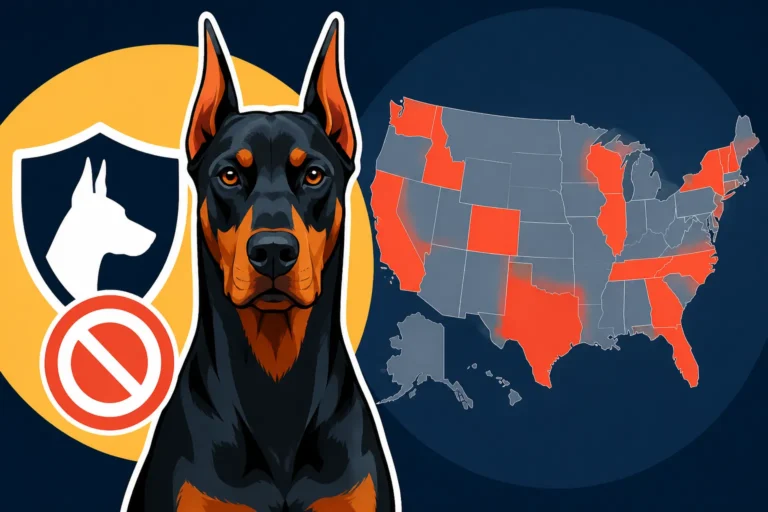
State ear cropping regulations for Dobermans vary across America, driven by differing animal welfare laws and veterinary ethics.
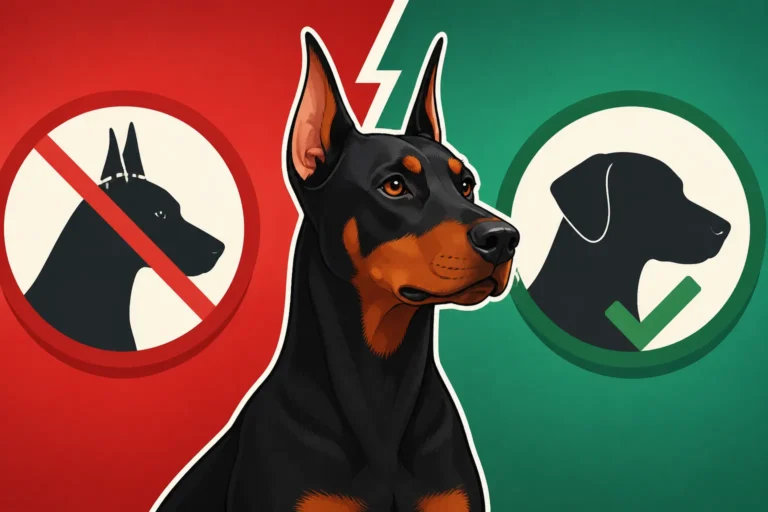
The American Veterinary Medical Association opposes Doberman ear cropping because the procedure is purely cosmetic.

Uncropped Doberman Pinschers competing in dog shows under American Kennel Club rules and global kennel club standards.
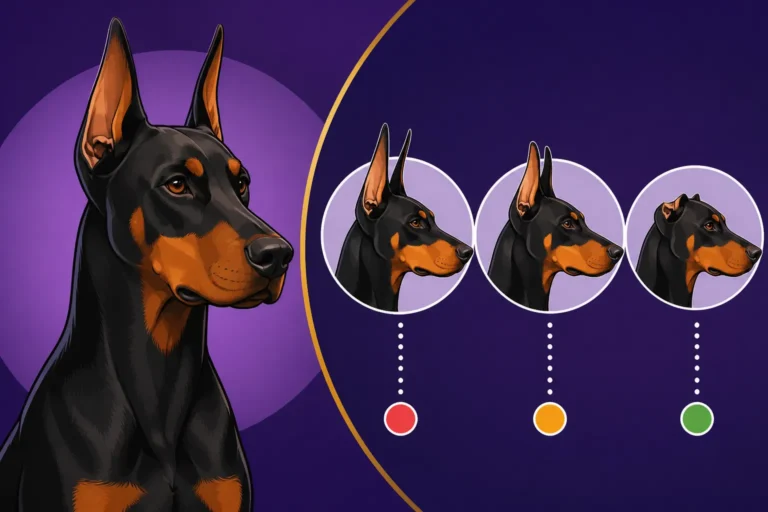
Doberman ear crop lengths include show, medium, and short styles, each requiring different posting time commitments.

Doberman ear cropping requires a specific timeframe, typically between seven and twelve weeks of age, for optimal healing and cartilage development.
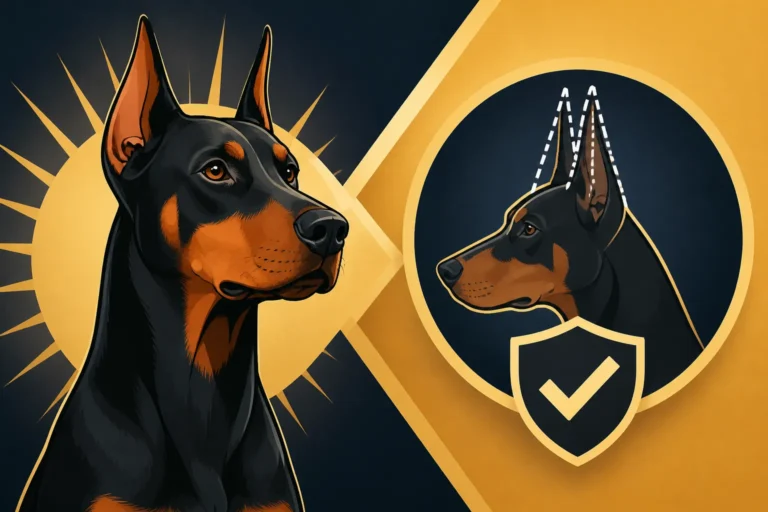
The Doberman breed standard maintains descriptions of cropped ears due to historical working origins and Karl Dobermanns vision.

Albino Dobermans present significant health challenges, genetic mutations, and ethical breeding controversies tracked by the Z-factor registration system.

White Dobermans possess albinism rather than a rare color variant, featuring pink skin, pink noses, and pale eyes due to lacking pigment.

Doberman clubs oppose white dogs because albinism causes significant health challenges and the Z factor tracks genetic mutations.

Breeding white Dobermans causes severe health issues, including vision impairment and heightened cancer risks due to albinism.