Protein Levels for a Doberman in Hard Work
It's a common dilemma for Doberman owners, isn't it? You see your magnificent dog, a picture of power and athleticism, pushing themselves hard during training or play, and you can't help but wonder if their diet is truly keeping up. We all want to fuel our Dobermans for peak performance and robust health, but figuring out the exact protein balance for an active dog can feel like navigating a complex maze. This guide is here to shed light on those protein requirements for Dobermans engaged in hard work, helping you understand how to best support their incredible drive and maintain their well-being.
Understanding the Role of Protein in an Active Doberman's Diet
When you look at a Doberman, you see that lean, powerful physique, those sculpted muscles ready for action. It's no surprise that protein is a cornerstone of their diet, but its role goes far beyond just building impressive biceps. For a Doberman that's truly putting in the effort, whether in formal working sports, competitive obedience, or just incredibly active daily life, protein is a multifaceted powerhouse vital for their overall health and sustained output.
Why Protein Isn't Just for Muscle Building
While building and maintaining muscle mass is certainly a primary function of protein, especially for an athletic breed like the Doberman, its importance stretches much further. Protein is made up of amino acids, which are essentially the building blocks for nearly every tissue in your dog's body. Think of it this way: protein is essential for repairing the microscopic tears that occur in muscle fibers during intense exercise, allowing those muscles to rebuild stronger and recover faster. Without adequate protein, your Doberman's recovery would be sluggish, and their performance would suffer over time.
Beyond muscles, these amino acids are crucial for creating enzymes, which facilitate countless metabolic reactions, and hormones that regulate everything from growth to energy utilization. Protein also plays a pivotal role in supporting a strong immune system, helping your Doberman fight off illness and recover from stress. Consider a Doberman after a long weekend of tracking in the woods or a demanding protection sport trial; their body is not just tired, it's been working overtime. This level of sustained activity creates significant wear and tear, meaning their dietary protein needs to be sufficient not only for immediate energy but for the profound repair and immune support required to bounce back. It's an intricate dance of biological processes, all heavily reliant on the quality and quantity of protein in their bowl.
The Difference Between Sedentary and Working Doberman Needs
It stands to reason that a Doberman lounging on the sofa most of the day has vastly different nutritional requirements than one actively training for a working title. The metabolic demands are simply in different leagues. A sedentary Doberman primarily needs enough protein for basic maintenance – keeping existing tissues healthy, supporting organ function, and generally ticking along. They still need good quality protein, of course, but their overall caloric and protein needs will be lower.
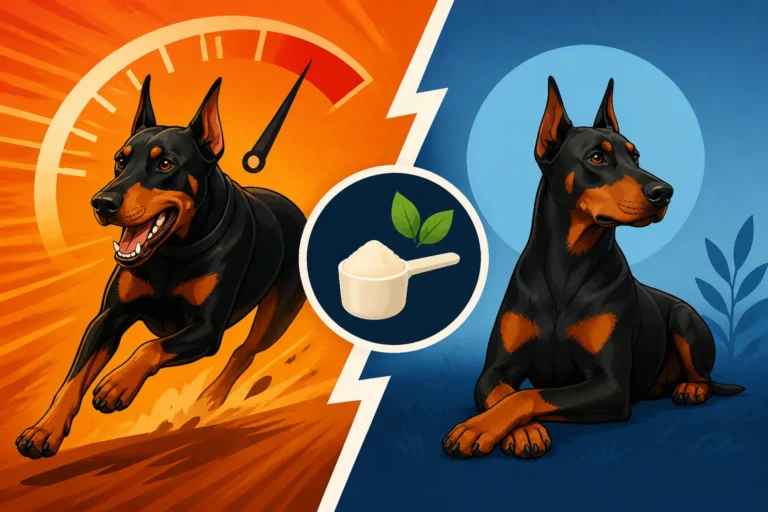
Now, picture a Doberman regularly engaged in high-intensity activities like agility, dock diving, or Schutzhund. These dogs are burning through calories at an accelerated rate, putting their muscles under considerable stress, and requiring rapid tissue repair and energy replenishment. This isn't just about a casual walk; we're talking about explosive sprints, jumps, sustained focus, and powerful movements that tax every system in their body. For these working Dobermans, protein isn't just a maintenance nutrient; it's a performance enhancer and a recovery aid. They need higher percentages of protein to meet these increased demands, to support optimal muscle function during exertion, and to facilitate efficient repair afterward. Overlooking this distinction can lead to a Doberman who might look fine but lacks the stamina, muscle tone, or recovery speed truly needed for their lifestyle. It’s a bit like comparing a weekend jogger's diet to an Olympic athlete's – both need good food, but the composition is entirely different.
Determining Optimal Protein Levels for Hard-Working Dobermans
So, how do we translate this understanding into practical feeding guidelines? It's not always as simple as picking the highest protein bag on the shelf. The quest for optimal protein levels for a truly hard-working Doberman involves looking beyond the basic label and considering your individual dog's life.
General Guidelines vs. Individual Needs
The Association of American Feed Control Officials (AAFCO) sets minimum crude protein recommendations for adult dog foods. For maintenance, this is typically around 18% on a dry matter basis. However, for a Doberman engaged in "hard work," this minimum is often far from sufficient. This breed, when active, is a canine athlete, and their body demands more.
"Hard work" itself is a broad term. It doesn't always mean competing for titles. It could be consistent, vigorous daily exercise, long hikes, frequent swimming, or even being a highly driven service dog with demanding tasks. Factors that influence individual protein needs include:
- Intensity and Duration of Work: A Doberman running sprints for an hour will have different needs than one doing a full day of tracking.
- Age: Growing puppies, while highly active, also have specific growth-focused protein needs, but older Dobermans can also benefit from higher protein to combat muscle loss. Feeding and Grooming a Doberman Past Eight
- Individual Metabolism: Just like people, some Dobermans burn through calories and utilize nutrients more efficiently than others.
- Muscle Mass: A Doberman carrying more muscle generally needs more protein to maintain it.
- Environmental Stressors: Cold weather or higher stress levels can increase caloric and protein needs. The Temperature a Doberman Needs a Coat
It's a nuanced picture, and while general guidelines provide a starting point, observing your individual Doberman and working with your vet or a canine nutritionist is key. For example, a Doberman that appears thin despite eating well might not be getting enough protein, or might be burning through energy too quickly. Checking Reading Ribs and Hip Points on a Doberman can give you an idea of ideal body condition.
What to Look for on a Dog Food Label
When you're scanning dog food labels, the "crude protein" percentage is usually the first thing that jumps out. For a highly active Doberman, you're generally looking for a food with a crude protein percentage in the high 20s to low 30s, or even higher, depending on the other ingredients and fat content. But this number isn't the whole story. It’s a "crude" measurement, meaning it measures total nitrogen content, which is then converted to protein. It doesn't tell you about the quality or digestibility of that protein.
What truly matters is the ingredient list. Look for whole, identifiable meat sources as the first few ingredients. Think chicken meal, deboned beef, salmon, lamb, or turkey. These are highly digestible and provide a complete amino acid profile crucial for your Doberman. Be wary if the primary protein sources are heavily plant-based (like peas, lentils, or potatoes) for an intensely active Doberman, as these might not offer the same bioavailability of amino acids as animal proteins. Many reputable brands offer performance formulas designed with these needs in mind. When shopping on sites like Chewy or Amazon, you can often filter by "high protein" or "performance formula" to narrow down your choices and examine the ingredient lists closely. Some brands, like Ollie, offer fresh food options which can be excellent for high digestibility and nutrient absorption, though you'd still need to ensure the specific formulation meets the caloric and protein demands for hard work.
Here’s a simplified look at protein ranges for different activity levels:
| Activity Level | Crude Protein Percentage (Dry Matter Basis) | Key Nutritional Focus | Example Doberman |
|---|---|---|---|
| Sedentary/Low Activity | 18-22% | Basic maintenance, organ health, minimal muscle support. | Older Doberman with reduced mobility, Doberman whose main activity is short leash walks, or one recovering from a mild injury and on restricted activity. |
| Moderate Activity | 23-28% | Good maintenance, moderate energy, everyday activity, healthy coat. | Doberman with daily long walks/runs, regular play sessions, attending basic obedience classes. |
| High Activity/Working | 29-35%+ | Muscle repair, sustained energy, quick recovery, immune support, peak performance. | Doberman training multiple times a week for protection sports (Schutzhund, IGP), agility, competitive obedience, dock diving, or highly active service dogs, or those regularly embarking on strenuous hikes or extended runs. This is where you'd be looking for a significant increase in protein. |
Remember, these are guidelines, and a dog food specialist or your veterinarian can help fine-tune recommendations based on your Doberman's specific sport, workload, and health.
Balancing Protein with Other Macronutrients
While protein takes center stage for working Dobermans, it's crucial not to view it in isolation. A balanced diet involves the right proportion of all macronutrients: protein, fats, and carbohydrates. Think of them as a team working together.
- Fats: These are a concentrated source of energy and essential for sustained endurance. High-quality fats (like chicken fat, salmon oil, flaxseed) not only provide calories but also support skin and coat health, vitamin absorption, and reduce inflammation. For a Doberman engaged in endurance activities, higher fat levels are just as important as higher protein. Protein and Fat for a Lean Working Doberman
- Carbohydrates: While often debated, complex carbohydrates (like sweet potatoes, brown rice, oats) provide readily available glucose for quick bursts of energy and help replenish glycogen stores in muscles after intense exercise. They are particularly important for Dobermans involved in explosive sports or those needing sustained energy throughout the day.
- Vitamins and Minerals: Don't forget the micronutrients! These ensure that all those proteins, fats, and carbs are properly metabolized and utilized.
The ideal balance will vary depending on the type of hard work your Doberman is doing. An agility Doberman might need more readily available carbs for bursts of speed, while a Doberman doing long-distance tracking might benefit from higher fat for sustained energy. It's about creating a holistic nutritional profile, not just a high-protein one.
Sourcing Quality Protein and Monitoring Your Doberman's Response
Once you understand what protein your Doberman needs, the next step is ensuring you're providing high-quality sources and then diligently watching how your dog responds. After all, every Doberman is an individual, and their body's feedback is invaluable.
High-Quality Protein Sources for Dobermans
For a Doberman in hard work, the quality of protein is just as vital as the quantity. You want sources that are highly digestible and offer a complete spectrum of essential amino acids.
Excellent protein sources include:
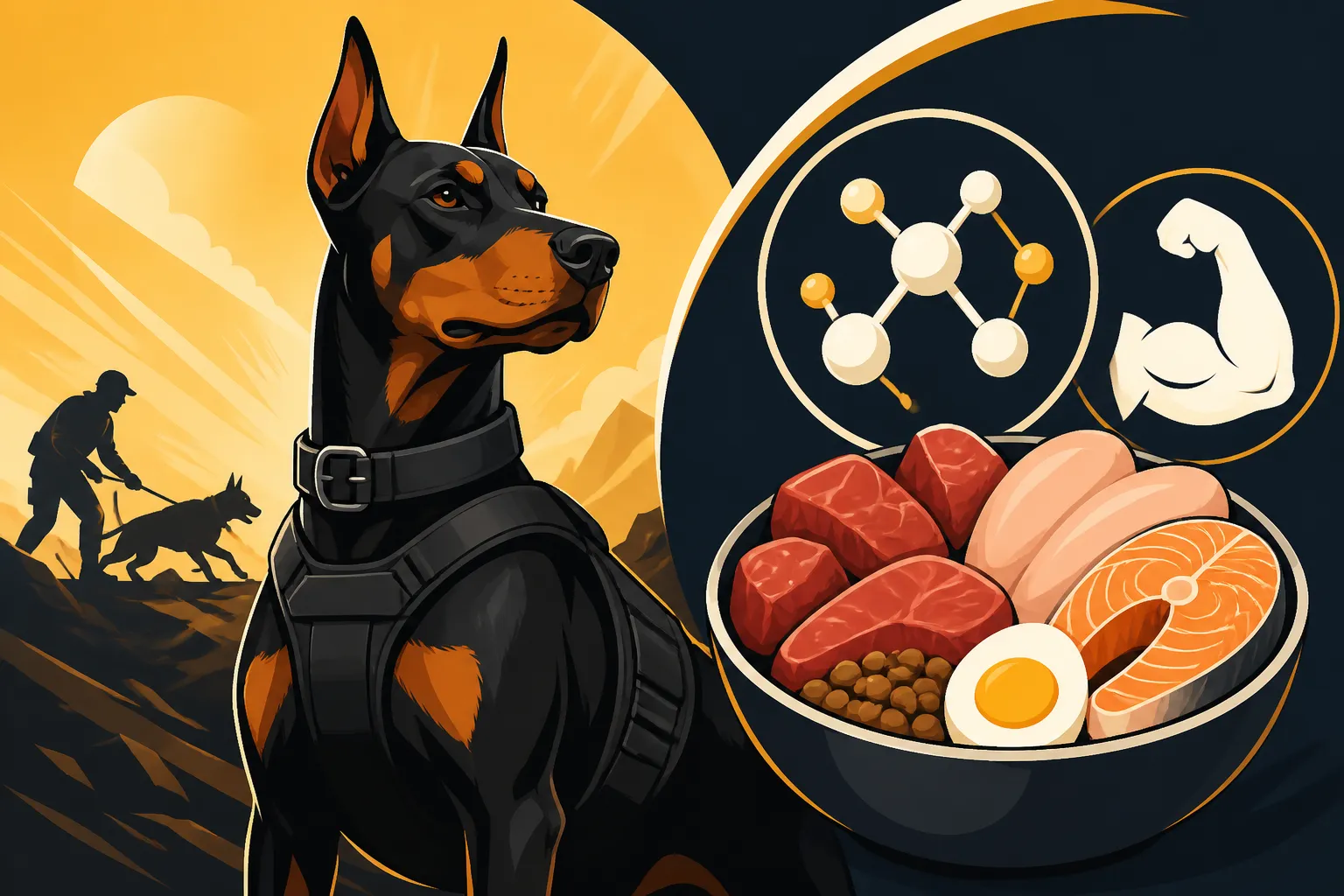
- Meats: Chicken, beef, lamb, turkey, venison, and bison are all fantastic options. Look for named meat meals (e.g., "chicken meal" rather than "poultry meal") as they represent a concentrated protein source once the water is removed.
- Fish: Salmon, sardines, and other fatty fish are not only great protein sources but also rich in omega-3 fatty acids, which are beneficial for joint health and reducing inflammation, important for active dogs.
- Eggs: A nearly perfect protein source, eggs are highly digestible and offer a balanced amino acid profile.
- Organ Meats: Liver, heart, and kidney are packed with protein and a wealth of vitamins and minerals. These are often included in high-quality kibble or available as treats or additions to a fresh diet.
When choosing food, whether it's a premium kibble from Chewy or a fresh food delivery service like Ollie, scrutinize the ingredient list. The first ingredient should ideally be a whole meat, followed by meat meals or other quality protein sources. Remember, The Heart Disease That Reaches Most Dobermans is a major concern, and some nutritionists suggest a diet rich in taurine and carnitine. While many quality meat proteins naturally provide these, direct supplementation may be recommended by your vet. Taurine and Carnitine in a Doberman Diet is a great resource if you're exploring this further.
Signs Your Doberman's Protein Intake is Just Right (or Not)
Your Doberman's body is constantly sending signals about their nutritional status. Learning to read these signs is crucial for ensuring their protein intake is hitting the mark.
Signs of Optimal Protein Intake:
- Excellent Muscle Mass: Your Doberman should maintain their lean, muscular physique with good definition. You should be able to feel their ribs without seeing them prominently, and their waist should be evident.
- Quick Recovery: After a strenuous session, they bounce back relatively quickly, showing less prolonged soreness or fatigue.
- Healthy Skin and Coat: A shiny, tight coat with no excessive shedding or dry, flaky skin.
- Sustained Energy: They have the stamina to complete their work or activities without crashing mid-session.
- Consistent, Healthy Stool: Firm, well-formed stools are a good indicator of efficient digestion and nutrient absorption.
Signs of Insufficient Protein:
- Muscle Loss: A noticeable decrease in muscle tone, especially over the hips, shoulders, and along the spine. They might appear "wiry" or too thin.
- Poor Coat Condition: Dull, brittle, sparse coat, or excessive shedding.
- Lethargy and Poor Performance: Reduced stamina, tire easily, lack of drive.
- Slow Recovery: Prolonged muscle soreness, stiffness, or takes longer to regain energy after exercise.
- Poor Immune Function: More susceptible to minor illnesses or takes longer to heal from wounds.
- Weight Gain and Low Energy in a Doberman: This can sometimes surprisingly be a sign if the diet is too high in carbs/fat and too low in protein, leading to inefficient metabolism for an active dog.
Signs of Potentially Excessive Protein (Less Common for Truly Working Dogs):
While it's rare for an otherwise healthy, active Doberman to suffer ill effects from high-quality protein, it's worth knowing the signs, especially if you're over-supplementing or feeding an inappropriate food.
- Increased Thirst and Urination: The body works harder to process and excrete excess nitrogen from protein.
- Soft or Loose Stools: Sometimes an abundance of undigested protein can lead to digestive upset.
- Weight Gain: If the protein is accompanied by excessive calories from fat or carbs that aren't being burned.
If you observe any concerning signs, it's always best to consult your veterinarian. They can help rule out underlying health issues and provide tailored nutritional advice. For serious conditions, unexpected The Vet Bills a Doberman Runs Up Outside Screening can quickly become overwhelming, so addressing dietary concerns early is always wise.
Practical Application: Adjusting Your Doberman's Diet
Now that we've covered the 'why' and 'what,' let's talk about the 'how.' Making dietary changes for an active Doberman requires a thoughtful approach to ensure their continued health and performance.
Gradual Adjustments and Observation
Any changes to your Doberman's diet should always be gradual. A sudden switch can easily lead to digestive upset – think diarrhea, vomiting, and a very unhappy dog. Over a period of 7-10 days, slowly mix the new food with the old, gradually increasing the proportion of the new food until you've fully transitioned.
During this period, and continuously thereafter, become a diligent observer. Keep a log if it helps. Note:
- Activity Levels: How much exercise and training did your Doberman get today?
- Food Intake: How much are you feeding? Are they finishing their meals? How Many Cups an Adult Doberman Eats is a good starting point, but adjust based on activity.
- Energy Levels: Are they spirited and energetic, or lethargic?
- Stool Quality: Is it firm and consistent?
- Body Condition: Are they maintaining their ideal weight and muscle mass? Is Whether a Doberman Is Meant to Look Thin being mistaken for malnourishment or are they truly losing condition?
Remember that your Doberman's needs aren't static. Seasonal changes can impact activity levels (e.g., less outdoor training in extreme heat or cold). Changes in training intensity – perhaps a break in competition season versus peak preparation – will also necessitate dietary adjustments. If your Doberman is going through a growth spurt or suddenly engaging in more strenuous activity, you'll need to re-evaluate their caloric and protein intake.
Supplements and Meal Timing Considerations
While a high-quality, protein-rich dog food should provide most of what your working Doberman needs, sometimes targeted supplementation can be beneficial.
- Protein Supplements: These are rarely necessary if your Doberman is on a well-formulated, high-protein diet. However, they might be considered in specific circumstances, such as supporting recovery from injury, during periods of extreme exertion (like multi-day events), or for older Dobermans experiencing muscle wasting, often after consulting with a vet.
- Taurine and L-Carnitine: As discussed, Dobermans are prone to The Heart Disease That Reaches Most Dobermans. Some veterinarians and cardiologists recommend taurine and L-carnitine supplementation, especially for Dobermans on boutique or grain-free diets, or those with early signs of cardiac issues. Always discuss this with your vet first.
- Joint Supplements: For any active dog, especially a large breed like a Doberman, joint support can be beneficial. Glucosamine, chondroitin, and MSM can help maintain cartilage health and support mobility over the long term. Remember, Protecting a Growing Doberman's Joints starts early.
Meal Timing: This is particularly important for Dobermans due to their deep, narrow chests, which make them susceptible to bloat (gastric dilatation-volvulus or GDV). Never feed a large meal immediately before or after intense exercise.
- Split Meals: It's highly recommended to feed an adult Doberman at least two, preferably three, smaller meals throughout the day rather than one large one. This helps manage the volume in the stomach. Meal Timing on a Deep-Narrow Doberman Chest provides more detail on this critical practice.
- Pre-Exercise: Allow at least 2-3 hours after a meal before engaging in strenuous activity.
- Post-Exercise: Wait at least 30-60 minutes after intense exercise for your Doberman to cool down and relax before offering food and water. This reduces the risk of bloat.
By understanding the intricate role of protein, selecting quality sources, carefully monitoring your Doberman's response, and implementing smart feeding practices, you can provide the optimal nutrition to support their incredible athleticism and keep them thriving through all their hard work.
Disclaimer
This article is for general informational purposes only and does not constitute professional advice. Laws, prices and regulations vary by location and change over time. Consult a qualified professional for guidance on your specific situation.