The Degrees at Which a Doberman Starts Shivering
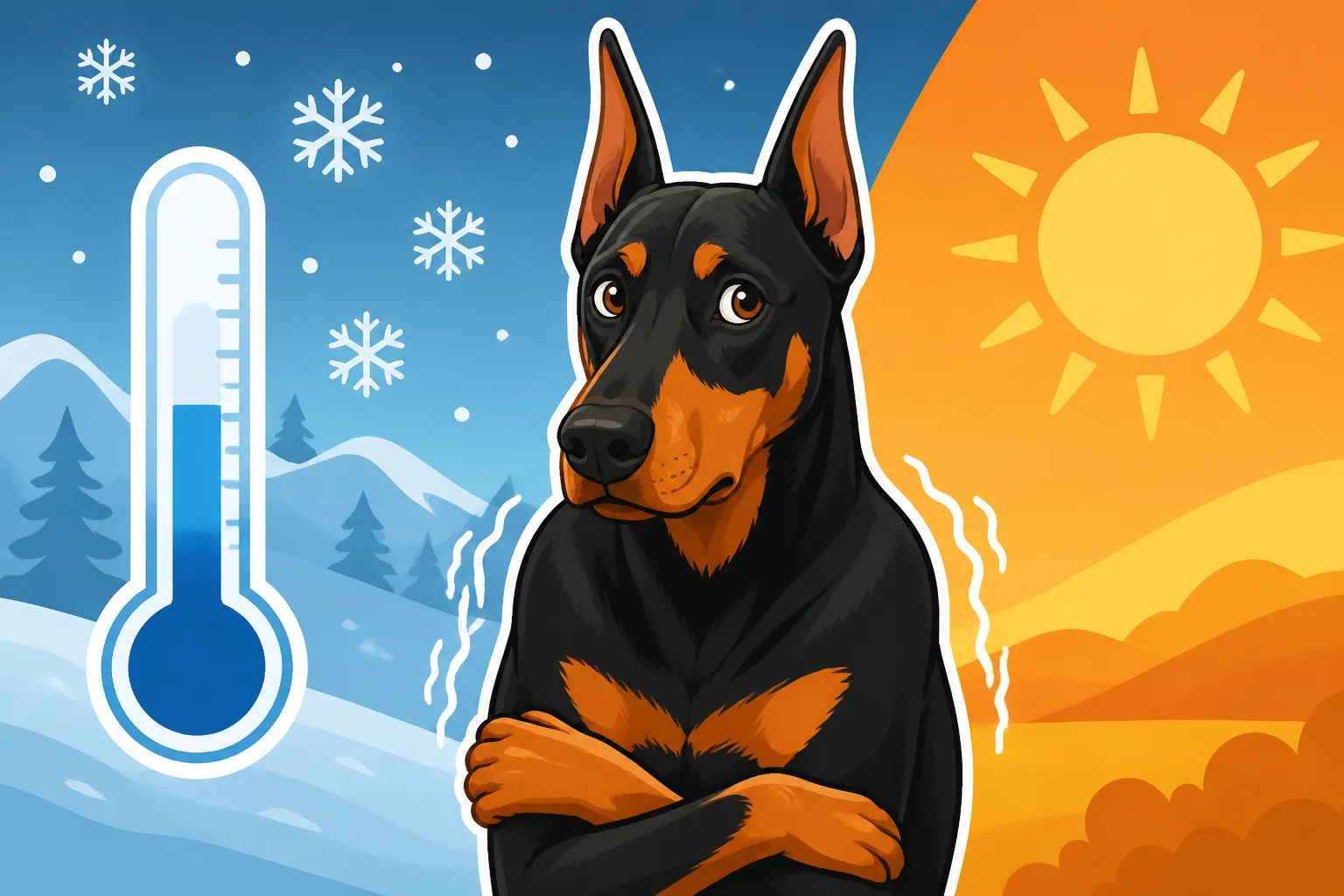
It’s a sight many Doberman owners know all too well: you step outside on a seemingly mild day, and there’s your sleek, athletic Doberman, shivering like a leaf. It’s natural to wonder, "Is my dog okay? Is it that cold?" This guide is here to help you understand why your Doberman is so sensitive to the chill, at what temperatures you should really start to pay attention, and how you can ensure your beloved companion stays comfortable and safe, indoors and out.
Understanding Your Doberman's Unique Sensitivity to Cold
Let's face it, Dobermans aren't exactly built for arctic expeditions. While their formidable presence might suggest a hardy nature, their physical characteristics make them surprisingly vulnerable to cold temperatures. It's not just in your head; they genuinely do feel the chill more than many other breeds.
Why Dobermans Feel the Chill So Quickly
The primary reason our Dobermans are such cold-weather wimps (and I say that with all the love in the world!) comes down to their genetics and conformation. Unlike a Husky or a Newfoundland, who sport thick double coats designed to trap warm air, your Doberman has a single, short, fine coat that offers very little insulation. There's no fluffy undercoat to speak of. Imagine going out in a t-shirt in winter – that's pretty much what your Doberman's coat is equivalent to for them in anything less than balmy weather.
Beyond the coat, Dobermans are lean, athletic dogs with minimal body fat. That sleek, muscular physique we admire so much? It doesn't offer much in the way of natural padding against the cold. Body fat acts as an insulator, and without it, their core temperature can drop more rapidly. They also have a higher metabolism, which can sometimes mean they burn through their energy reserves faster trying to keep warm. It's truly frustrating to see your magnificent Doberman shivering while a scruffy terrier next door seems completely unfazed. You're not alone in noticing this; it's a common characteristic of the breed. This inherent sensitivity is one of the reasons why understanding Why a Doberman Feels the Cold Before Other Dogs is so crucial for every owner.
The Telltale Signs of Cold Stress Beyond Shivering
While shivering is often the most obvious and immediate sign your Doberman is cold, it's not the only one. Sometimes, especially in milder but still chilly conditions, your Doberman might be trying to tell you they're uncomfortable in other ways. Keep an eye out for them hunching their back, tucking their tail tightly between their legs, or trying to walk with their paws barely touching the ground. These are all subtle indicators that they’re trying to minimize their exposed surface area and conserve heat.
They might also become reluctant to move, slowing down on walks or showing less enthusiasm for outdoor play. My Doberman, Max, once refused to even step off the porch when the wind picked up, despite it being a beautiful, sunny autumn day. He just stood there, looking at me with those expressive eyes, clearly saying, "Nope, not doing it!" You might also notice their ears or paws feel cool to the touch. These areas, with less fur and more exposed skin, can cool down quickly. If you see them seeking out sunny spots indoors, burrowing under blankets, or trying to cuddle closer than usual, it’s often a sign that their internal thermostat is dipping a bit too low for their comfort. Being aware of these behaviors helps you intervene before the shivering even starts.
Pinpointing the Shivering Threshold: What Temperature is Too Cold?
It would be wonderful if there was a magic number, a definitive degree at which all Dobermans declare it "too cold." But, as with all living beings, it's a bit more nuanced than that. While we can provide general guidelines, your individual Doberman will have their own unique threshold.
General Guidelines vs. Individual Doberman Differences
For many Dobermans, especially those not actively exercising, temperatures hovering around 45°F (7°C) and below can start to feel quite chilly. Once the mercury dips into the 30s°F (0-4°C), most Dobermans will definitely need some form of protection, like a warm coat, for anything more than a quick potty break. And when you hit the 20s°F (-6°C) or colder, that's severe cold for a Doberman, and outdoor exposure should be extremely limited, even with protective gear.
However, these are just starting points. Think of it like us humans: some of us are perfectly comfortable in a light jacket at 50°F, while others are bundled in scarves and gloves. The same goes for our Dobermans. A young, robust Doberman who is actively running and playing might tolerate slightly colder temperatures than an older, less active one, or a puppy who hasn't developed their full thermoregulatory capabilities yet. The wind chill factor, humidity, and whether the ground is wet can also make a significant difference to how cold it feels to your dog. It’s less about a precise number and more about observing your dog’s specific reaction.
Factors Influencing a Doberman's Cold Tolerance
Several elements contribute to how well your Doberman handles the cold, making it truly an individual experience.
- Age: Just like with people, very young puppies and senior Dobermans are more susceptible to the cold. Puppies haven't fully developed their ability to regulate body temperature, and their immune systems are still maturing. Older Dobermans, on the other hand, may have reduced metabolism, thinner skin, and less muscle mass, making it harder for them to stay warm. An older Doberman might also have underlying health issues, like The Thyroid Numbers That Slow a Doberman Down, which can make them feel the cold more intensely.
- Health Conditions: A Doberman dealing with certain health issues will have a lower tolerance for cold. For instance, Dobermans are unfortunately prone to The Heart Disease That Reaches Most Dobermans. A dog with a compromised heart or other chronic illnesses might have poorer circulation, making them feel colder quicker. Similarly, conditions that cause Weight Gain and Low Energy in a Doberman, like hypothyroidism, can also affect their ability to generate and maintain body heat. Always consider your dog’s overall health when assessing their cold tolerance.
- Activity Level: A Doberman engaging in vigorous exercise will naturally generate more body heat than one standing still or taking a leisurely stroll. If you're out for an active fetch session in cooler weather, your Doberman might be fine for longer. But if they're just standing around waiting for you, say at a dog park entrance, they'll get cold much faster. This is why you often see working Dobermans in protection sports wearing coats between sets, even in seemingly mild weather – it helps maintain their core temperature.
- Acclimatization: A Doberman accustomed to living in a warmer climate will likely be more sensitive to a sudden drop in temperature than one who has slowly acclimated to colder autumn weather. Their bodies do adjust to some degree, but only within the limits of their natural physiology.
Practical Strategies for Keeping Your Doberman Warm
Knowing your Doberman feels the cold is one thing; doing something about it is another. Luckily, there are many straightforward ways to ensure your Doberman stays toasty and comfortable, whether you're braving the elements or just relaxing at home.
Essential Gear for Cold Weather Outings
When the temperatures drop, bundling up isn't just for us. Your Doberman needs appropriate gear to handle the chill, especially their bare bellies and chests.
- Coats and Sweaters: This is your Doberman's first line of defense against the cold. Look for coats that are insulated, waterproof, or water-resistant, and cover their chest and belly effectively. Because Dobermans have such deep chests and lean bodies, finding a coat that fits well can be a challenge. You want one that’s snug but not restrictive, allowing full range of motion. Many brands, available through retailers like Chewy or Amazon, offer designs specifically for deep-chested breeds. I can tell you from experience, trying to fit a standard coat on a Doberman is like trying to put a square peg in a round hole! It's worth investing in a quality coat that fits properly. For more specific recommendations, you might find our guide on Winter Coats Sized for a Doberman helpful.
- Paw Protection: While often overlooked, paws can get incredibly cold, especially on frozen ground, icy surfaces, or snow. Prolonged exposure can lead to frostbite, and salt/de-icing chemicals can irritate their paw pads. Dog boots, while sometimes met with comical resistance initially, offer excellent protection. Just like coats, finding ones that fit your Doberman's elegant, relatively narrow paws can take some trial and error. Again, online retailers like Amazon offer a wide selection with different sizing options. If you're wondering if they're truly necessary, consider checking out Whether a Doberman Needs Boots in Snow.
- Leashes and Collars: While not directly for warmth, ensure your Doberman's collar and leash are secure, especially if they are a bit antsy in cold weather. A quick, unexpected bolt could lead to them being exposed to the cold for too long.
When planning activities, remember that even with gear, a Doberman can only tolerate so much cold. Consider How Long a Doberman Can Be Out at Thirty-Five Degrees as a practical benchmark for outdoor adventures. Short, brisk walks are often better than long, stationary periods in colder conditions.
Creating a Cozy Indoor Environment
Even inside, your Doberman might need a little help staying warm, especially if your home tends to be a bit drafty or you keep the thermostat lower overnight.
- Comfortable Bedding: Dobermans have very little natural padding, so a soft, plush bed is essential year-round, but even more so in colder months. Orthopedic beds are a fantastic choice, providing cushioning for their bony joints. Look for beds with raised edges or 'caves' where they can burrow, mimicking their natural desire to nest for warmth. Many Dobermans adore covering themselves with blankets, so having a few soft throws available is always a good idea. Beds That Cushion a Bony Doberman can make a huge difference in their comfort.
- Heated Beds: For Dobermans who are particularly sensitive to cold, older, or those with joint issues, a heated dog bed can be a real luxury. These beds provide gentle, consistent warmth and can be a godsend on a cold night. Always choose models specifically designed for pets, with low voltage and safety features, available from reputable sources like Chewy or Amazon. For more on this, check out Heated Beds for a Doberman in Winter.
- Avoid Drafts: Pay attention to where your Doberman sleeps and rests. Keep their beds away from drafty windows or doors. If your Doberman loves to lounge on the floor, consider a rug or an extra blanket to provide a barrier from a cold floor.
- Nutrition: While external warmth is paramount, a well-balanced diet provides the energy your Doberman needs to maintain its body temperature. Ensure they are receiving adequate Daily Calories for an Adult Doberman, especially if they are highly active or spending more time in cooler temperatures. Brands like Ollie offer nutrient-dense options that can support overall health and energy levels. However, it's not about overfeeding; it's about providing quality nutrition.
When to Worry: Shivering as a Symptom of Something More Serious
While often a sign of simple cold, shivering can also be a red flag for underlying health issues. As a Doberman owner, it's crucial to distinguish between a "cold shiver" and a "concerning shiver."
Differentiating Cold Shivers from Medical Shivers
Not all shivering is created equal. If your Doberman shivers after coming in from the cold and then quickly stops once warmed up, that's generally a cold shiver. However, if the shivering is persistent, intense, or accompanied by other symptoms, it warrants closer attention.
Here are some other reasons a Doberman might shiver:
- Pain or Discomfort: Dogs often shiver as a response to pain, whether it's acute injury or chronic discomfort from conditions like arthritis. If your Doberman suddenly starts shivering without apparent cold, and is also reluctant to move, limping, or sensitive to touch, pain could be the culprit. Given the breed's predispositions, it's something to consider.
- Fear, Anxiety, or Stress: Just like people, dogs can shiver when they're scared, anxious, or stressed. A trip to the vet, loud noises, or separation anxiety can all trigger shivering. If your Doberman is shivering in a situation they find frightening, and there are no other signs of illness, it might be an emotional response. A Doberman That Cannot Cope When You Go Out often exhibits such stress behaviors.
- Illness or Fever: Shivering can be a symptom of a fever or a systemic illness. If your Doberman is shivering, lethargic, has a reduced appetite, vomiting, or diarrhea, it’s a strong indication they're unwell. For example, a Doberman battling an infection might shiver as its body tries to fight off the illness.
- Poisoning or Toxins: Ingesting certain toxins can cause tremors and shivering. If you suspect your Doberman has eaten something harmful, and they're shivering, acting disoriented, or exhibiting other concerning symptoms, seek immediate veterinary care.
- Hypoglycemia (Low Blood Sugar): This can occur in very young puppies, especially if they haven't eaten, or in adult dogs with certain medical conditions. Shivering, weakness, and disorientation can be signs of low blood sugar.
- Neurological Issues: Less common, but certain neurological conditions can manifest as tremors or shivering. This might be seen in Dobermans experiencing conditions like Wobbler Syndrome in the Doberman, though typically other neurological signs like ataxia (uncoordinated gait) are more prominent.
- Medication Side Effects: Sometimes, a new medication might have a side effect that includes shivering or tremors. Always check with your vet if you notice new symptoms after starting a drug.
The Importance of Veterinary Consultation
When in doubt, always err on the side of caution and contact your veterinarian. It’s better to make a phone call and be told it's probably nothing than to delay seeking help for a serious issue. If your Doberman's shivering is:
- Persistent: Doesn't stop once warmed up.
- Accompanied by other symptoms: Lethargy, vomiting, diarrhea, pain, lameness, changes in breathing, disorientation, or collapse.
- Severe or sudden: Begins intensely and without obvious cause.
- Happening in warmer environments: Shivering even when it’s not cold.
These are all reasons to get your Doberman checked out. Your vet can perform a thorough examination, possibly some blood work, and rule out any underlying medical conditions. Early intervention can make a significant difference in outcomes, especially for conditions like heart disease, as highlighted in How Much Longer Early Treatment Buys a Doberman. Don't dismiss shivering as "just being dramatic" if other signs point to something more serious. Your Doberman relies on you to be their advocate.
Disclaimer
This article is for general informational purposes only and does not constitute professional advice. Laws, prices and regulations vary by location and change over time. Consult a qualified professional for guidance on your specific situation.