Daily Skin Routine for a Thinning Blue Doberman
It’s truly disheartening to see your beautiful blue Doberman’s sleek coat start to thin, often leaving their delicate skin exposed and prone to irritation. You pour so much love into them, only to feel frustrated when their skin seems to be a constant battle, with dry patches, flakiness, and those inevitable bald spots appearing despite your best efforts. Many owners feel like they've tried everything, from special shampoos to expensive supplements, without finding a routine that truly works. This guide is here to offer a practical, empathetic look at developing a daily skin care routine specifically tailored for blue Dobermans, helping you manage the unique challenges of Color Dilution Alopecia and support their overall skin health for a happier, more comfortable dog.
Understanding the Unique Needs of Blue Doberman Skin
Blue Dobermans, with their stunning dilute coats, unfortunately carry a genetic predisposition to a condition called Color Dilution Alopecia, or CDA. This isn't just about aesthetics; it profoundly impacts their skin health, making a proactive and consistent care routine absolutely essential. It’s not something you’ve done wrong as an owner; it’s simply part of their genetic makeup.
The Genetic Predisposition to Color Dilution Alopecia
Color Dilution Alopecia is a hereditary condition primarily affecting dogs with dilute coat colors, like blue and fawn Dobermans. What happens is that the pigment granules in their hair shafts are clumped irregularly, which weakens the hair structure itself. Imagine a chain made of weak links; it’s prone to breaking. For our blue Dobermans, these weakened hairs can easily snap, leading to a thinning coat, bald patches, and a dull, brittle appearance. This typically starts as a gradual process, often becoming noticeable as they mature, usually between six months and three years of age, though it can appear earlier or later. It’s not a painful condition in itself, but the resulting hair loss leaves the skin vulnerable. We have a whole article dedicated to Color Dilution Alopecia in Blue and Fawn Dobermans that goes even deeper into this.
What makes this particularly frustrating is that it's not a temporary shedding cycle or a simple nutrient deficiency. It's a fundamental structural issue with the hair. Many owners initially assume it's allergies or a poor diet, spending time and money chasing solutions that don't address the root cause. A blue Doberman might start showing signs with a patchy, thin coat along their back, flanks, or neck, and these areas can become completely bald over time. The skin underneath these thinning areas is not designed to be exposed to the elements, nor is it protected by a robust hair follicle system, making it incredibly sensitive.
Common Skin Issues Beyond Hair Thinning
Beyond just hair loss, the compromised coat of a blue Doberman often leads to a cascade of secondary skin problems. The skin's natural barrier is weakened without a healthy coat providing insulation and protection. This means their skin is far more susceptible to drying out, leading to flakiness, itching, and an overall dull appearance. Think of it like a house without a roof; it's constantly exposed to the elements. Without that protective layer of hair, environmental irritants, allergens, and even minor friction can cause much more significant irritation.
The most concerning secondary issue, however, is bacterial or fungal skin infections. The exposed skin can become a breeding ground for opportunistic bacteria and yeasts, which thrive in moist, irritated environments. You might notice small bumps, redness, scaling, or a strong, sometimes yeasty odor. These infections often require veterinary intervention, including medicated shampoos, antibiotics, or antifungal treatments. Owners often report their blue Dobermans developing recurrent skin infections, a testament to how vulnerable their skin truly is. It's a vicious cycle: thinning coat leads to irritation, irritation leads to infection, and the infection further damages the skin. Understanding this vulnerability is the first step in crafting a truly effective daily routine that focuses on prevention and gentle support. If you notice persistent issues, it's wise to get an early diagnosis, as a bacterial infection needs different management than just dry skin. Read more about Skin Infections in a Bald Doberman to be prepared.
The Cornerstones of a Gentle Grooming Regimen
When it comes to caring for a blue Doberman's sensitive, thinning skin, "less is more" often applies to harsh chemicals and excessive scrubbing, but "more is more" when it comes to gentle hydration and protective measures. The goal is to support the skin barrier, minimize irritation, and prevent secondary infections without stripping away natural oils.
Choosing the Right Shampoos and Conditioners
Selecting the correct bathing products for a blue Doberman is paramount. Forget harsh detergents or overly perfumed formulas designed for typical thick coats. You need shampoos and conditioners that are ultra-gentle, hypoallergenic, and specifically formulated for sensitive or compromised skin. Look for ingredients like colloidal oatmeal, aloe vera, ceramides, and essential fatty acids (like omega-3 and omega-6). These ingredients help to soothe irritation, reduce inflammation, and restore the skin’s natural moisture barrier. Avoiding products with sulfates, parabens, and strong artificial fragrances is a must, as these can strip natural oils and exacerbate dryness and irritation.
When bathing, use lukewarm water – never hot – and apply the shampoo gently, massaging it into the coat and skin without vigorous scrubbing. Let the shampoo sit for the recommended time (often 5-10 minutes for therapeutic effects) before rinsing thoroughly. Residual shampoo can cause irritation, so rinse, rinse, and rinse again until the water runs clear. Follow up with a rich, hydrating conditioner, leaving it on for a few minutes before a final, gentle rinse. Pat your Doberman dry with a soft towel rather than rubbing vigorously, and consider air-drying in a warm, draft-free room if possible, or using a low-heat setting on a hairdryer, held at a distance. If your Doberman has significant hair loss, a medicated shampoo prescribed by your vet might be needed, especially if a secondary infection is present. You can find many suitable sensitive skin shampoos, some even prescription-strength, on platforms like Chewy, making it convenient to get what you need delivered right to your door. For more specific recommendations, our article on Shampoo That Helps a Bald Doberman offers great insights.
Moisturizing After Bath and Between Washes
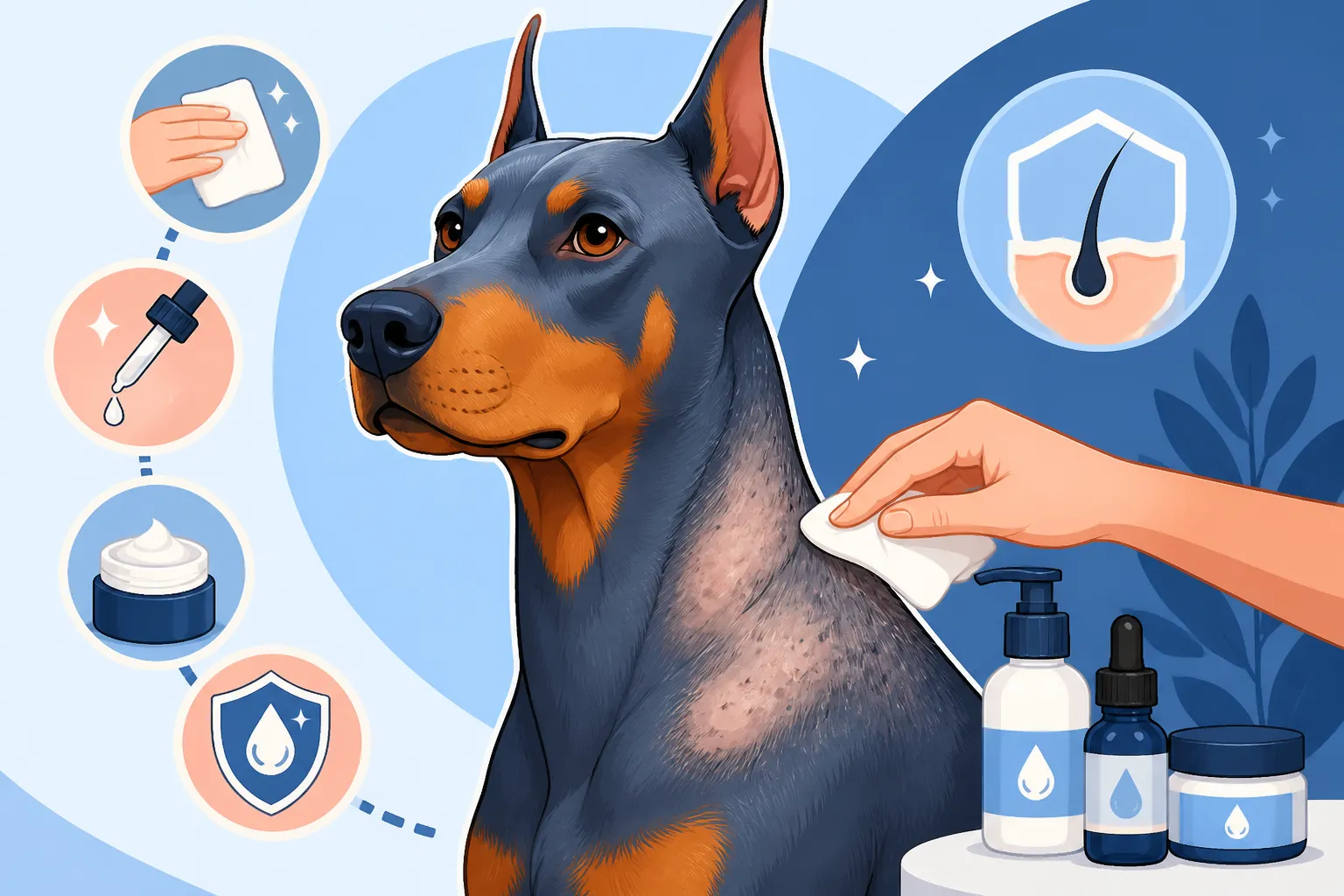
Bathing, even with gentle products, can still remove some natural skin oils. Therefore, post-bath moisturizing is a critical step in a blue Doberman's skin care routine. Look for leave-in conditioners, moisturizing sprays, or topical balms designed for sensitive canine skin. Ingredients like ceramides, hyaluronic acid, and oatmeal extracts can provide deep hydration and help repair the skin barrier. After toweling dry, generously apply these products to your Doberman’s thinning areas, gently rubbing them into the skin. This isn't just about preventing dryness; it's about creating a protective layer that mimics the function of a healthy coat.
The need for moisture doesn't stop after bath time. Many blue Dobermans benefit from daily or every-other-day topical moisturizing, especially in drier climates or during colder months. A quick mist with a hydrating spray or a dab of a soothing balm on particularly dry or flaky spots can make a huge difference. You might notice your Doberman scratching less, and their skin will feel softer and look less irritated. Some owners even find specialized pet-safe lotions or oils that they can gently massage into the skin, turning it into a bonding experience. Just ensure any product you choose is non-toxic and easily absorbed, as your Doberman will inevitably lick at it. This ongoing hydration helps to prevent the micro-cracks and dryness that can lead to itching and further skin irritation.
Daily Maintenance and Environmental Protection
A thinning coat leaves a blue Doberman's skin vulnerable to daily wear and tear and environmental stressors. Your daily routine needs to include practices that minimize physical irritation and shield their delicate skin from the elements. This is where you become their personal protective shield!
Brushing and Spot Cleaning for Sensitive Skin
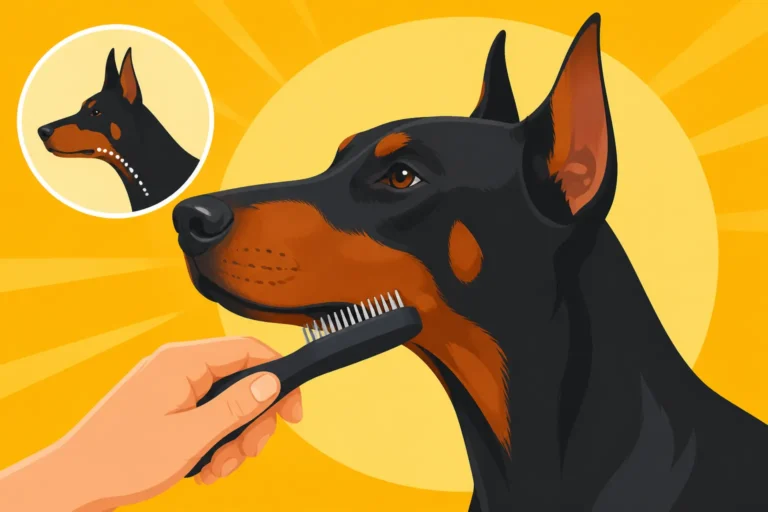
While a blue Doberman doesn't have a dense undercoat, regular, gentle brushing is still beneficial. It helps to distribute natural skin oils, remove loose hairs that might otherwise cause matting (even in thin areas), and stimulate circulation. Crucially, it's also an opportunity for you to inspect their skin for any new redness, bumps, or flaky patches that might indicate a budding issue. Use a very soft brush, like a rubber curry brush or a soft bristle brush, and brush with light, gentle strokes. Avoid anything with stiff bristles or sharp pins that could scratch or irritate their already sensitive skin.
Spot cleaning is another important aspect, especially if your Doberman enjoys rolling in the grass or getting a little dirty. Instead of a full bath, which can be drying if done too frequently, use pet-safe, hypoallergenic wipes or a damp cloth to clean specific areas. This helps remove dirt, allergens, and irritants before they have a chance to cause a reaction. For example, after a walk in a dusty park, wiping down their belly and legs can prevent environmental allergens from settling and causing irritation. Think of it as a quick refresh that saves their skin from unnecessary exposure and reduces the need for more intensive bathing.
Protecting Against Sun and Cold
Without a full, healthy coat, a blue Doberman's skin is directly exposed to harsh environmental factors, making protection a non-negotiable part of their daily routine. Just like fair-skinned humans, their bare or thinly-haired areas are highly susceptible to sunburn. Sunburn isn't just uncomfortable; it can lead to skin damage, increase the risk of skin cancer, and exacerbate existing irritation. During peak sun hours, it's best to limit their outdoor exposure. When they are outside, apply a veterinarian-approved, pet-safe sunscreen to exposed areas like the ears, nose, belly, and any bald patches. Our article Sun Protection for a Thin-Coated Doberman has more on this crucial topic.
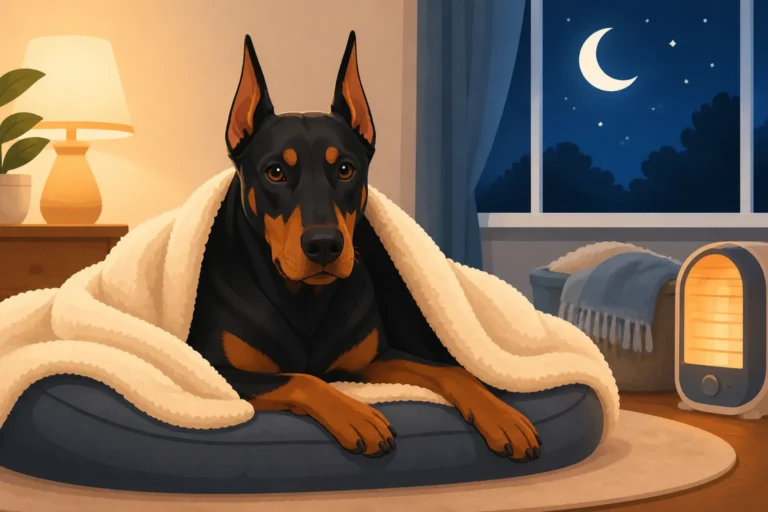
Conversely, their lack of a dense undercoat means blue Dobermans get cold very easily, particularly in cooler temperatures. Their thin skin doesn't provide much insulation, and you'll often see them shivering or seeking warmth even indoors. Outdoor excursions in chilly weather absolutely require a protective dog coat or sweater. Look for options made from soft, breathable materials that won't irritate their skin, and ensure it fits well without rubbing. Brands available on Amazon often have a wide selection of dog apparel, allowing you to find something functional and comfortable. Even indoors, a soft, warm bed or a blanket to burrow under can make a world of difference in their comfort, especially during winter months. Protecting them from temperature extremes helps prevent skin dryness and cracking, which can occur with prolonged exposure to cold, dry air. Our piece on Coats That Actually Fit a Doberman's Chest might offer some useful sizing tips.
Dietary Support for a Healthy Coat
While external care is vital, true skin and coat health often starts from within. What you feed your blue Doberman plays a huge role in the integrity of their skin barrier and the quality of their remaining coat. You can have the best shampoo in the world, but if the diet is lacking, you'll always be fighting an uphill battle.
Essential Nutrients for Skin and Coat Health
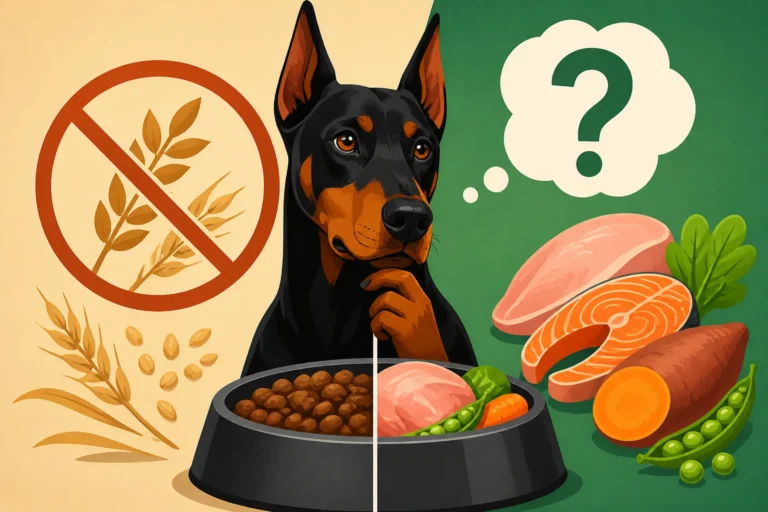
A high-quality, balanced diet is the foundation for healthy skin and coat in any dog, but it's especially critical for blue Dobermans with CDA. Look for dog foods that list a named meat source as the first ingredient and contain a good balance of protein, healthy fats, and essential vitamins and minerals. Specifically, omega-3 and omega-6 fatty acids are superstars for skin health. These healthy fats help reduce inflammation, improve skin barrier function, and promote a healthy, shiny coat (what’s left of it, anyway!). Ingredients like fish oil, flaxseed, and sunflower oil are excellent sources.
Many premium dog food brands, including those found on Chewy or even fresh food options like Ollie, often formulate their recipes with skin and coat health in mind, incorporating these vital fatty acids. However, always check the ingredient list to ensure these beneficial components are present in sufficient quantities. Zinc, biotin, and vitamins A and E are also crucial for cellular health and skin regeneration. A deficiency in any of these can manifest as poor coat quality and skin issues. If you're feeding a complete and balanced commercial diet, your Doberman should theoretically be getting these nutrients. But for a dog with compromised skin, sometimes a little extra targeted support is needed.
Considering Supplements and Prescription Diets
Even with a top-tier kibble, some blue Dobermans may benefit from targeted nutritional supplements to boost their skin health. Omega fatty acid supplements, often in the form of fish oil capsules or liquid, are among the most commonly recommended. These can provide a concentrated dose of the anti-inflammatory and skin-supporting fats that might be lacking, or simply insufficient, in their regular diet to combat the challenges of CDA. Always discuss dosage with your veterinarian, as too much of a good thing can sometimes lead to other imbalances. You can also explore options for Omega Oils for a Doberman With Coat Loss.
In some cases, your veterinarian might recommend a specific prescription diet. These diets are formulated to address particular health concerns, including dermatological issues. They often contain novel proteins, hydrolyzed proteins, or a precisely balanced blend of nutrients and supplements to support the skin barrier, reduce allergic reactions, or manage inflammation. For blue Dobermans experiencing recurrent secondary infections or significant skin irritation, a vet might also explore the possibility of underlying food sensitivities contributing to the problem, even if CDA is the primary issue. Working closely with your vet to tailor their diet, whether through supplements or a specialized food, is key to giving their delicate skin the best possible chance to thrive. While less common for CDA specifically, if your Doberman has other health issues, such as copper storage disease, a low-copper diet could be prescribed. More on this in our article Low-Copper Diets for a Doberman.
Daily Skin & Coat Routine for Blue Dobermans
Here’s a quick overview of a robust daily and weekly routine to help manage your blue Doberman's sensitive skin:
| Frequency | Activity | Purpose | Key Considerations |
|---|---|---|---|
| Daily | Gentle Brushing | Distribute oils, remove loose hair, inspect skin | Use a soft rubber or bristle brush. Check for redness, bumps, or dry patches. |
| Daily | Skin Moisturizing | Hydrate and protect exposed skin | Use pet-safe leave-in sprays/balms on thinning or bald areas. |
| Daily | Environmental Shield | Protect from sun, cold, and irritants | Apply pet-safe sunscreen (if sunny), use a dog coat (if cold), wipe paws/belly after walks to remove allergens. |
| Daily | Dietary Check | Ensure proper nutrition | Verify food quality and consistency, consider vet-approved supplements. |
| 2-4 Weeks | Therapeutic Bath | Cleanse, soothe, treat (if needed) | Use lukewarm water, gentle hypoallergenic/medicated shampoo, rinse thoroughly, follow with rich conditioner. |
| As Needed | Spot Cleaning | Remove dirt/allergants between baths | Use pet-safe wipes or damp cloth for targeted cleaning. Avoid harsh chemicals. |
| As Needed | Vet Check-up | Address new or worsening issues | Consult your vet for any persistent irritation, signs of infection, or changes in skin condition. |
Ultimately, living with a blue Doberman means accepting and actively managing their unique skin needs. It's a journey of consistent, gentle care, observation, and partnership with your veterinarian. By understanding their genetic predisposition and implementing a thoughtful daily routine, you can significantly improve their comfort and quality of life, allowing their wonderful Doberman personality to shine through, unhindered by skin woes. This dedication might mean that Whether a Blue Doberman Costs More to Keep is a valid question, but the reward of a comfortable, happy dog is immeasurable.
Disclaimer
This article is for general informational purposes only and does not constitute professional advice. Laws, prices and regulations vary by location and change over time. Consult a qualified professional for guidance on your specific situation.