Treating a Torn Doberman Ear Flap
Oh, the sheer panic when you spot a tear in your Doberman's ear flap! It's such a common, heartbreaking sight for Doberman owners, whether they have those beautifully cropped ears or natural floppy ones. One minute they're playing happily, the next you see blood, and your heart just sinks. This guide is here to walk you through exactly what to do when your Doberman's ear flap gets torn, from immediate first aid to knowing when to race to the vet, and how to help them heal afterward.
Why Doberman Ear Flaps Are Prone to Tears
It often feels like Dobermans are made of tissue paper sometimes, doesn't it? Their skin, especially around the ears, can seem so delicate. And when you think about how active and enthusiastic these dogs are, it’s almost a recipe for minor accidents. Understanding why their ears are so vulnerable helps us to be more vigilant and prepared.
Anatomy and Vulnerability of Doberman Ears
Whether your Doberman has cropped ears standing proudly or natural, soft floppy ears, the skin covering them is relatively thin. This isn't like the tougher skin you might find on their back or chest. The ear flap is crisscrossed with blood vessels, making even a small tear look like a dramatic scene. When a dog shakes its head vigorously, these thin ear flaps can actually slap against things, or even against their own head, causing micro-traumas or full-blown tears.
For Dobermans with cropped ears, the cartilage is exposed and healing involves scar tissue, which can sometimes be less flexible. The skin stretched over the firm cartilage can be less forgiving than natural ears during impacts. Natural ears, while less likely to get snagged on things in the same way, can still be vulnerable to bites during play or getting caught on objects when the dog runs through dense brush. Both types of ears are simply not built for heavy-duty impacts, and their delicate nature means even a minor scuff can become a bleeding mess.
Common Scenarios Leading to Ear Flap Injuries
You’d be surprised by the seemingly innocuous ways Doberman ears can get torn. Often, it's during moments of sheer Doberman joy! Imagine your Doberman, full of zoomies, tearing through the yard and misjudging a gap in the bushes, or even just snagging an ear on a rogue branch. It happens. We’ve all seen our dogs play a little too rough; a quick nip from a playmate can result in a tear, especially if the other dog isn't as careful with their mouth.
Sometimes, the culprit is entirely self-inflicted. If your Doberman has an itch, perhaps from allergies or an ear infection, they might scratch with their powerful back legs with such intensity that their own nails cause a laceration. Similarly, violent head shaking due to an ear irritation or simply shaking off water after a bath can cause the ear flap to strike a hard surface or another ear, leading to a split. It’s always worth considering if an underlying condition, like Chronic Ear Infections in a Cropped Doberman, might be making them scratch more than usual.
Immediate First Aid for a Torn Doberman Ear Flap
Okay, so it's happened. You've spotted the tear, and there's blood. The most important thing is to stay calm. Your Doberman will pick up on your anxiety, and that will only make them more stressed and potentially harder to handle. Take a deep breath and prepare to act quickly but gently.
Stopping the Bleeding and Assessing the Injury
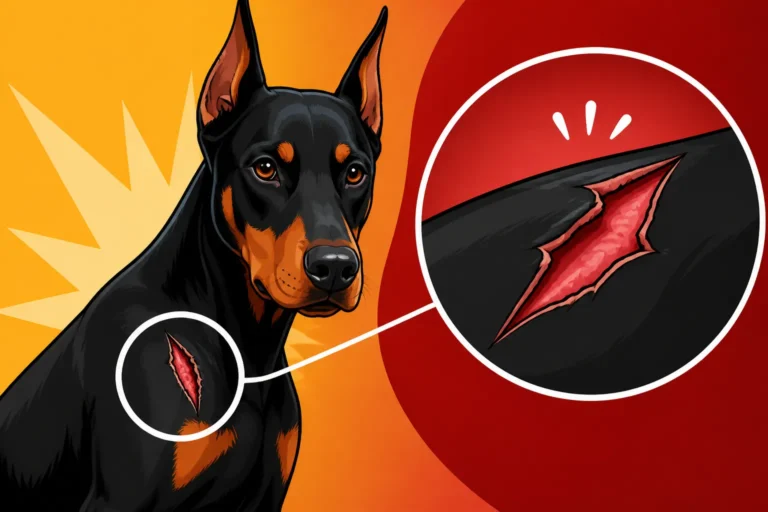
First things first: you need to stop the bleeding. Doberman ear tears, even small ones, can bleed a lot because of the rich blood supply. Grab some clean gauze pads or a clean cloth – a dishtowel, a clean old t-shirt, anything absorbent and clean will do. Apply firm, direct pressure to both sides of the torn ear flap. Don't peek! Keep the pressure on for at least 5-10 minutes. It feels like an eternity, but this is crucial for the blood to clot. If the cloth becomes soaked, don't remove it; simply layer another clean one on top and continue applying pressure.
While you're applying pressure, try to get a quick sense of the injury without disturbing the clotting. Is it a small nick, or a larger, deeper gash? Does it look like it goes through the entire thickness of the ear? Are there any visible foreign objects embedded? This initial assessment will help you decide if this is something you might manage at home temporarily or if a vet visit is immediately necessary. Remember, Dobermans can be tough, and sometimes the wound looks worse than it is due to the amount of blood, but it's always better to err on the side of caution.
Cleaning and Protecting the Wound
Once the bleeding has largely subsided, it’s time for some gentle cleaning. This is where you might need an extra set of hands if your Doberman is wiggly or still a bit distressed. Use warm water and a mild, pet-safe antiseptic solution – something like diluted povidone-iodine (until it looks like weak tea) or chlorhexidine wash. Gently dab around the wound, avoiding scrubbing directly into the torn edges. The goal is to remove any dried blood, dirt, or debris without irritating the wound further. You might find some of these essential first-aid supplies easily on Amazon or Chewy.
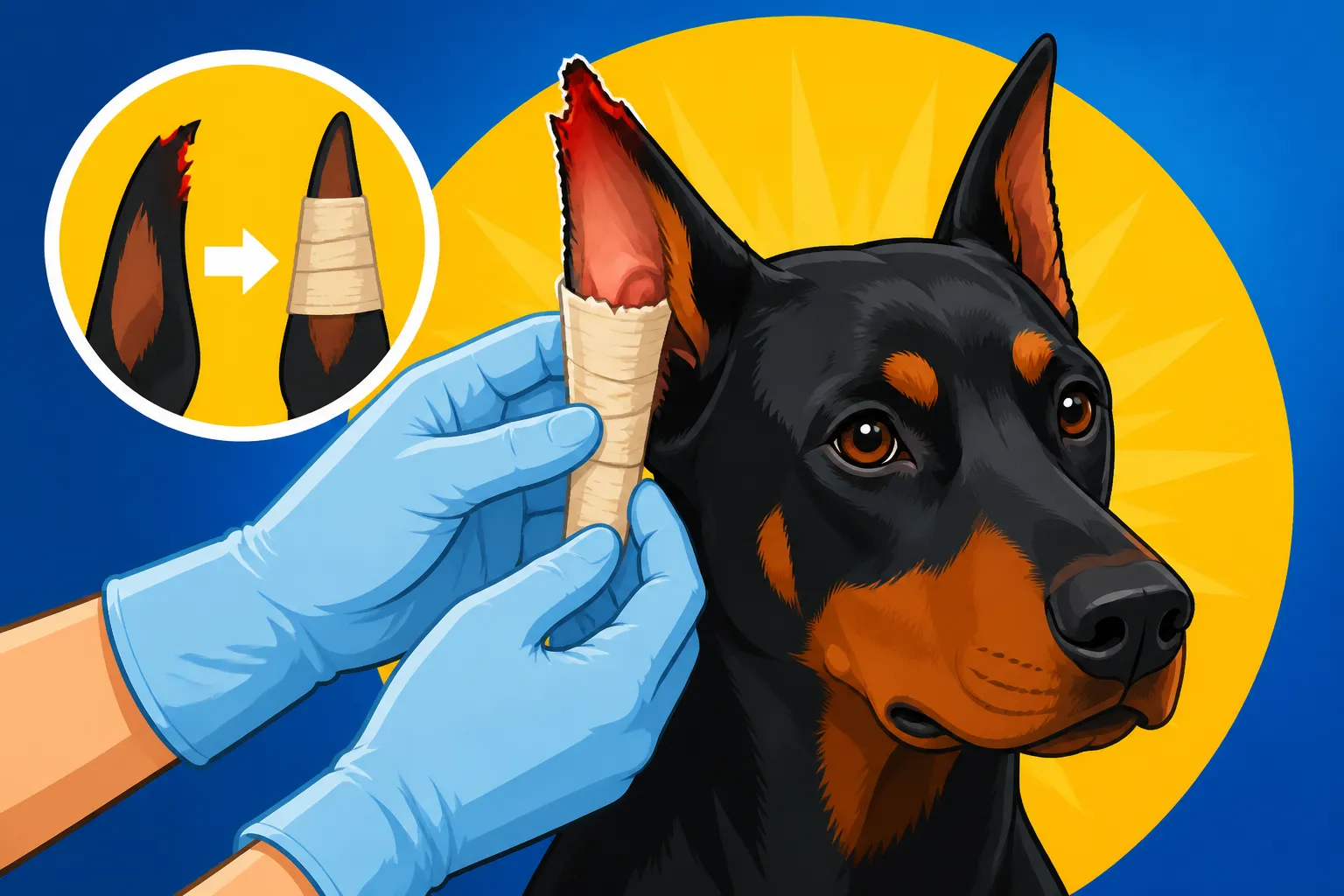
After cleaning, you'll want to protect the wound. A light, non-stick gauze pad secured with medical tape can work, but be careful not to tape too tightly around the ear or head. The biggest challenge here is preventing your Doberman from shaking their head or scratching at it again, which could undo all your hard work and restart the bleeding. You might need to gently fold the ear and loosely tape it down against the side of their head for temporary protection until you can get to the vet. This minimizes movement and reduces the chance of further trauma.
When to Seek Veterinary Attention (and Why It's Crucial)
Knowing when to manage a minor injury at home versus when to rush to the vet is key. While some superficial scrapes might be fine with home care, ear flaps are tricky, and many tears warrant professional attention.
Recognizing Signs That Require Professional Care
It can be tough to distinguish between a minor scratch and a significant injury, especially with all the blood. However, some signs definitively point towards needing a vet visit. If the bleeding is profuse and doesn't stop after 10-15 minutes of direct pressure, that's an emergency. Deep lacerations, where you can see tissue layers beneath the skin, or if the tear goes all the way through the ear flap, definitely require stitches. Any tear longer than half an inch, or one that gapes open, is also best handled by a vet.
You should also head to the vet if there’s a foreign object embedded in the ear, or if you suspect it's more than just a simple tear (e.g., a bite wound with potential crushing injury or infection risk). Signs of infection, even after initial first aid, such as redness, swelling, pus, or a foul odor developing in the days following the injury, mean it's time for professional help. Ear flap injuries can also sometimes indicate a deeper problem, like a severe ear infection that caused the vigorous scratching in the first place, and your vet can examine the full ear canal.
| Characteristic | Home Care (Minor) | Veterinary Care (Significant) |
|---|---|---|
| Bleeding | Stops with 5-10 minutes of light pressure | Continues profusely, pulsates, or reappears easily |
| Size/Depth | Small, superficial nick, less than 1/2 inch, no gaping | Deep laceration, goes through ear, gaping edges, larger than 1/2 inch |
| Edges | Clean, easily brought together | Ragged, uneven, cannot be easily aligned |
| Location | Away from cartilage or major blood vessels | Involves cartilage, near major vessels, or on the edge of the flap |
| Contamination | Clean wound, minimal dirt | Dirt, debris, or foreign objects embedded |
| Dog's Behavior | Calm, allows handling, minimal pain response | Restless, signs of severe pain, won't allow handling |
| Follow-up Signs | Heals well, no swelling or discharge | Redness, swelling, pus, foul odor, worsening pain |
What to Expect at the Vet's Office
When you arrive at the vet with an ear flap tear, they will likely start by assessing your Doberman's overall condition and pain level. They'll probably want to fully examine the ear, which might involve a quick sedation or local anesthetic to ensure your dog is comfortable and still enough for a thorough look. The wound will be meticulously cleaned and flushed, sometimes shaved around the edges to ensure a sterile field.
For most significant tears, sutures (stitches) will be needed. The vet will carefully align the edges of the skin to promote optimal healing and minimize scarring. This is particularly important for cropped ears, where aesthetics and structural integrity are often a concern. Your Doberman will likely be sent home with pain medication, and almost certainly a course of antibiotics to prevent infection, especially if the wound was dirty or a bite. And yes, the dreaded Elizabethan collar (cone of shame) will likely make an appearance! Wound Healing in a Doberman With Thin Skin is something your vet will be thinking about, as Dobermans' thin skin can be a factor in successful closure and recovery.
Home Care and Recovery After a Vet Visit
Bringing your Doberman home after a vet visit for an ear tear often feels like you're navigating a minefield. They're probably groggy from sedation, possibly in some discomfort, and definitely annoyed by that cone. But your diligent home care is critical for a smooth recovery.
Post-Procedure Care and Medication
Your vet will give you specific instructions, and it’s vital to follow them to the letter. This usually involves administering pain medication regularly to keep your Doberman comfortable. Don't skip doses, even if they seem fine; staying ahead of the pain helps them rest and heal. Antibiotics are also key to prevent secondary infections, especially with ear wounds that are difficult to keep perfectly clean. Make sure you complete the full course of antibiotics, even if the ear looks much better after a few days. Sometimes, getting a Doberman to take pills can be a challenge, but you can hide them in treats or soft food like those offered by Ollie.
The cone of shame is your best friend here, even if your Doberman acts like it’s the end of the world. It’s absolutely essential to prevent them from scratching, rubbing, or shaking their head, which could tear out stitches, reopen the wound, or introduce infection. Keep the wound clean and dry, as instructed by your vet. This might mean gentle cleaning with a prescribed solution, or simply keeping an eye on it and reporting any changes. Remember, this period is part of The Doberman Years When Everything Shows Up, where consistent care can make a huge difference in their long-term health outcomes.
Preventing Re-Injury During Healing
During the healing process, which can take several weeks, your Doberman needs to be protected from themselves and their environment. Limit their activity significantly. No rough play, no dog park visits, and keep leash walks calm and controlled. Jumping on and off furniture or running wild in the yard could easily cause a re-injury. You might need to consider crating them more often, especially when you can’t supervise them directly, to ensure they’re getting adequate rest.
Managing head shaking is another big hurdle. If your Doberman still wants to shake their head, you can sometimes gently secure the ear flap against their head with a light, breathable wrap (like VetWrap, but not too tight!) over the bandages, after consulting your vet. This reduces the impact if they do shake. Keep their nails trimmed short and smooth to minimize damage if they manage to scratch despite the cone. Regular, gentle checks of the wound for any signs of swelling, redness, discharge, or loose stitches are important. This vigilance can help you catch any issues early before they escalate.
Long-Term Prevention of Ear Flap Tears
While accidents happen, there are definitely proactive steps you can take to minimize the risk of your Doberman tearing their ear flap again, or even for the first time. It's all about creating a safer environment and maintaining good ear health.
Environmental Management and Playtime Safety
Take a good look at your home and yard through your Doberman's eyes. Are there thorny bushes they love to dive into? Low-hanging branches on your walks? Sharp edges on furniture they might bump into? Try to mitigate these hazards where possible. Trimming their nails regularly and keeping them smooth is a simple yet incredibly effective preventative measure. Those sharp claws can do a surprising amount of damage to a delicate ear. For tips on managing those dark Doberman nails, you might find Doberman Nail, Ear and Tooth Care helpful.
During playtime, especially with other dogs, supervise closely. If your Doberman plays with a rougher dog prone to nipping, consider if those playdates are worth the risk. Some dogs are simply not compatible playmates for a Doberman with delicate ears. Even solo play with toys should be monitored; hard, sharp toys could theoretically cause a minor injury if flung just right. The goal isn't to wrap your Doberman in cotton wool, but to be mindful of potential hazards in their daily routine.
Regular Ear Health Checks and Grooming
One of the best preventative measures is regular, proactive ear care. Get into a routine of visually inspecting your Doberman's ears a few times a week. Look for any redness, swelling, discharge, or unusual odors. A healthy ear should be clean and pale pink. If you notice any wax buildup or a peculiar smell, gently clean the outer ear with a vet-approved ear cleaner. Early detection of ear infections or irritations means you can address them before your Doberman starts scratching or shaking their head excessively, potentially causing a tear.
For Dobermans with cropped ears, ensuring proper ear posting during their younger months can lead to stronger, healthier ears less prone to injury later on. For all Dobermans, keeping their ears generally clean and free from irritants is paramount. Talk to your vet about appropriate ear cleaning routines and products. Being proactive about their overall health, including their Doberman Grooming on a Coat With No Undercoat, will contribute to their well-being and reduce the chances of self-inflicted injuries.
Disclaimer
This article is for general informational purposes only and does not constitute professional advice. Laws, prices and regulations vary by location and change over time. Consult a qualified professional for guidance on your specific situation.