Whether a Doberman Needs a Raincoat
There’s nothing quite like the boundless energy of a Doberman, ready for a walk, come rain or shine. But let’s be real, while their enthusiasm is infectious, dealing with a soaking wet Doberman after even a short walk in the drizzle can be a real headache. Their sleek, short coats offer minimal protection, leaving them shivering and you with the unenviable task of drying a full-sized dog before they track water and mud all through your freshly cleaned home. This guide will delve into why raincoats aren't just a fashion statement for our beloved Dobermans but a practical solution for their comfort, health, and your peace of mind.
Why Dobermans Get Cold and Wet So Easily
It’s easy to look at a powerful Doberman and assume they’re impervious to the elements, but nothing could be further from the truth. Their distinctive physique and coat, while stunning, leave them surprisingly vulnerable to cold and damp conditions. Understanding this fundamental aspect of their breed is key to providing them with the best care.
The Doberman's Unique Coat Structure
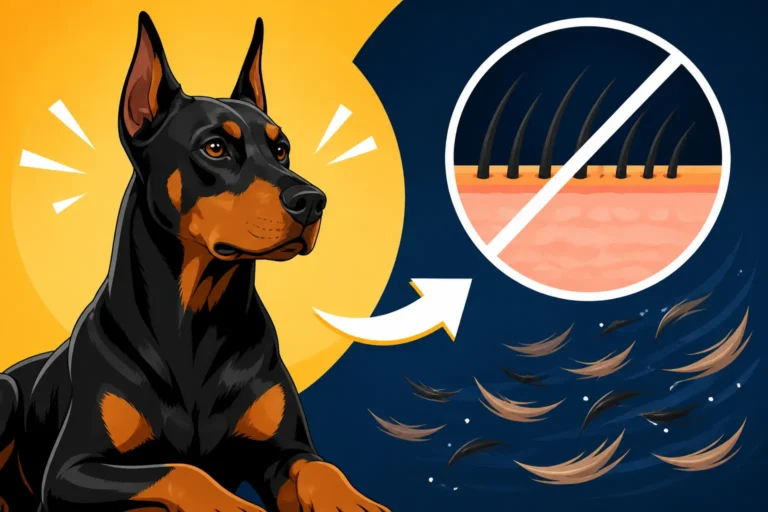
Unlike many breeds bred for working in harsh outdoor climates, the Doberman Pinscher has a single coat. This means they lack the thick, insulating undercoat that breeds like German Shepherds or Huskies possess, which acts as a natural barrier against cold and moisture. Their short, dense, and close-lying outer coat feels sleek to the touch but offers very little in terms of thermal regulation or water repellence. It’s designed more for an elegant appearance and ease of movement than for warding off a winter downpour.
Think about it this way: when you step out in just a t-shirt in the rain, you're soaked through almost immediately. That’s essentially what happens to a Doberman. The water quickly penetrates their thin fur, reaching their skin and chilling them to the bone. This isn't just uncomfortable; it can be genuinely detrimental, especially for a breed that already struggles with certain health sensitivities. Their streamlined build, while athletic, doesn't carry a lot of extra body fat to act as insulation, either. This is why you often hear owners talk about Why a Doberman Feels the Cold Before Other Dogs.
This thin coat means that on a rainy day, even a quick dash outside can result in a thoroughly soaked dog. The water isn’t just sitting on top; it's absorbed right down to their skin. The process of drying off naturally then expends a lot of their body heat, making them susceptible to feeling very cold, very quickly.
The Impact of Cold and Damp on Doberman Health
Being cold and wet isn't just about shivering; it can have tangible health implications for your Doberman. Prolonged exposure to dampness and cold can lead to a weakened immune system, making them more susceptible to common illnesses. For a breed that already faces significant health challenges, adding avoidable stressors like persistent cold is something we as owners want to prevent.
Consider an older Doberman, perhaps one who is already dealing with health issues like The Heart Disease That Reaches Most Dobermans. Their ability to regulate body temperature might be compromised, and getting thoroughly chilled could exacerbate existing conditions or simply lead to profound discomfort. Even for younger, healthy Dobermans, constant cold can lead to stiffness, especially in their joints, and generally diminish their zest for life on a gloomy day. No one wants to see their typically energetic Doberman A Doberman That Tires Faster Than It Used To just because they're perpetually chilly.
Beyond internal discomfort, dampness can also affect their skin and coat. While Dobermans don't have a long coat to mat, constant dampness can create a breeding ground for skin irritations or fungal issues, especially if they aren't dried properly. Their short hair might seem easy to dry, but getting deep down to the skin can still be a chore, and any lingering moisture can cause problems. Especially for Skin and Coat Care for a Blue or Fawn Doberman, whose skin can be more sensitive, preventing them from getting soaked in the first place is a proactive step in their care.
The Practical Benefits of a Doberman Raincoat
Given their susceptibility to cold and wet, a raincoat isn't just an accessory; it's a functional piece of gear that offers genuine benefits for both your Doberman and your daily routine. It’s about more than just avoiding a bath; it’s about comfort, health, and convenience.
Keeping Your Doberman Dry and Comfortable
The primary, and most obvious, benefit of a raincoat is keeping your Doberman dry. When the rain starts, slipping on a waterproof coat means your dog isn't absorbing every drop. Instead, the rain beads off, leaving their core and most of their body protected. This immediately translates to a more comfortable walk, free from shivering and the immediate chill that sets in when their short fur becomes saturated.
Imagine this scenario: you step outside for a quick potty break, and it's suddenly pouring. Without a coat, your Doberman is drenched in seconds, running back inside to shake off a gallon of water, leaving trails everywhere. With a good raincoat, they're largely dry, needing just a quick towel-off of their legs and head. It makes those necessary trips outside, even in the worst weather, far less of a big deal for everyone involved. For a longer adventure, like a walk around the park, the difference in their comfort and willingness to engage is night and day. They can actually enjoy their time outside, rather than just enduring the elements.
This comfort extends beyond the immediate moment. A dry Doberman is less likely to feel stiff or sore from the cold later, and can settle more easily once back indoors. It means they aren't expending precious energy trying to warm themselves up, allowing them to relax and recover fully from their exercise, especially important as they enter The Doberman Years When Everything Shows Up.
Protecting Their Health and Your Home
Beyond immediate comfort, a raincoat plays a crucial role in safeguarding your Doberman's health. By preventing them from getting thoroughly chilled, you reduce the risk of them developing minor ailments often associated with exposure, like kennel cough or general sniffles that can pop up when their immune system is under stress. For older Dobermans or those with existing conditions, preventing a chill is even more critical. It’s a simple preventative measure that can save you worry and potentially costly vet visits.
The health of your Doberman is always paramount, but let's be honest, the benefit to your home environment is a huge bonus too! How many times have you dreaded coming back from a rainy walk, knowing your Doberman is about to transform into a mud-and-water-slinging machine? A raincoat drastically reduces the amount of moisture and dirt they bring indoors. The water and mud largely stay on the coat's exterior, making cleanup incredibly simple. Instead of a full-body rub-down and frantic mopping, you can usually just remove the coat, wipe down exposed paws and perhaps their head, and let them get on with their day.
This means less mud on your floors, less damp-dog smell permeating your furniture, and fewer wet spots on your car seats. It transforms the post-walk routine from a dreaded chore into a quick, manageable task. And who among us hasn’t struggled to effectively Washing a Doberman Without Stripping Its Skin after an unnecessarily muddy outing? A raincoat means less frequent, intensive washing, which is better for their skin and your back.
Choosing the Right Raincoat for Your Doberman
Deciding that your Doberman needs a raincoat is the first step; finding the right one is the next. Dobermans have a distinctive build – deep chests, sleek bodies, and often long legs – which means not just any dog coat will fit them properly.
Key Features to Look For
When you're eyeing raincoats, think function and fit. First and foremost, you want a truly waterproof material, not just water-resistant. Look for fabrics like nylon or polyester with a durable, waterproof coating or membrane. These materials will effectively shed water, keeping your Doberman dry underneath. Lightweight options are usually best, as you're primarily aiming for protection from moisture, not necessarily extreme warmth, unless you're specifically looking for an insulated raincoat for colder, wetter conditions.
The fit is absolutely critical. Dobermans have those broad chests and often narrow waists, which can make off-the-rack sizing tricky. Look for coats with adjustable straps around the neck and belly, ensuring a snug but not restrictive fit. A coat that gapes will let rain in, defeating the purpose. You also want good coverage. A jacket that just covers their back might look nice, but a significant portion of their lean body, especially their chest and belly, will still be exposed. Opt for coats that extend down their sides and ideally have a belly panel for maximum protection from splashing mud and rain. Some coats even come with small leg loops to keep the back end from flapping up in the wind. Reflective accents are also a huge plus for visibility during dim, rainy days or early morning/evening walks.
| Feature Type | Description | Pros for Dobermans | Cons for Dobermans |
|---|---|---|---|
| Material | Nylon, Polyester, with waterproof coatings | Lightweight, quick-drying, fully waterproof for their single coat | Can be noisy or stiff, some less breathable |
| Lining | Mesh (for breathability), thin fleece (for light warmth), none | Improves comfort, adds slight insulation, prevents clamminess | Can add bulk, fleece can hold moisture longer if it gets wet |
| Closure | Adjustable Velcro straps, buckles, snaps | Easy to put on/take off, allows for custom fit around chest/belly | Velcro can snag hair, can wear out over time, some designs are fiddly |
| Coverage | Full (back, sides, belly, often high neck), Partial (back only) | Maximum protection from rain, mud, and wind chill for their lean body | Can sometimes restrict movement if not well-designed, may feel bulky |
| Reflectivity | Reflective strips, piping, or overall reflective fabric | Enhances visibility during low-light conditions, critical for safety | Not all coats include this, reflective elements can fade with wear/washing |
Sizing and Finding the Perfect Fit
This is where many Doberman owners hit a snag. The standard sizing charts found on most pet product websites might not always translate perfectly to the Doberman's athletic build. They are often too loose around the middle if the chest fits, or too tight on the chest if the back length is right. The best approach is always to measure your Doberman carefully. You'll want their back length (from the base of the neck to the base of the tail), their chest girth (the widest part of their chest, right behind the front legs), and often their neck circumference.
Don't be afraid to try a few different brands or sizes. What works for a Bulldog certainly won't work for a Doberman. Some brands are known for fitting more athletic or deep-chested breeds better. Online retailers like Chewy often provide comprehensive sizing guides, and even customer reviews can be invaluable, as other Doberman owners might share their experiences with specific models and how they fit their dogs. You might find that a large or extra-large is needed for the length, but then you need to cinch in the belly significantly.
When shopping, consider looking at options available on platforms like Amazon, where a vast array of brands can be compared. Reading reviews from other Doberman owners can be particularly insightful regarding fit issues. Sometimes, it takes a bit of trial and error, but finding a coat that fits well and allows full range of motion without chafing or gapping is worth the effort. After all, the goal is comfort and protection, not a constricting or ineffective piece of clothing.
Alternatives and When a Raincoat Might Not Be Necessary
While raincoats offer fantastic benefits, it's also true that not every Doberman or every rainy situation demands a full waterproof jacket. Understanding when it's truly beneficial and when you can get by with other methods can help you make the best decision for your specific circumstances.
Quick Drying and Towel Routines
For those moments when the rain is just a light sprinkle, or your Doberman is only popping out for a very quick potty break, a dedicated towel routine might be all you need. Investing in high-quality, super-absorbent microfiber towels can make a world of difference. These towels are designed to soak up significantly more water than standard cotton towels, making the drying process much more efficient.
The key is to be thorough. Don't just rub the surface; work the towel down to the skin, especially on their back, chest, and legs. Pay extra attention to their paws, as they’ll track the most water and dirt indoors. Even with their short coats, it's surprising how much moisture they can hold. For dogs who aren't keen on being towel-dried, making it a positive experience with treats and praise can help. You might even consider having a designated drying spot or mat by the door. While it's more effort than simply taking off a coat, it's a viable alternative for brief outings or when you've forgotten the raincoat. And remember, thorough drying isn't just about your floors; it's about preventing skin irritation from lingering dampness.
When Your Doberman Really Doesn't Care
Let's face it, some Dobermans are just built differently. You might have one of those rare individuals who genuinely loves the rain, splashing through puddles with unbridled joy, seemingly oblivious to the cold and wet. In milder climates, or during warmer rain showers, a raincoat might indeed be overkill for such a dog. If the temperature isn't dropping, and your Doberman shows no signs of discomfort or shivering, a raincoat might simply restrict their movement or be an unnecessary layer.
However, even for these rain-loving Dobermans, discretion is advised. Prolonged exposure to dampness can still lead to skin issues or a chill if the temperatures unexpectedly drop, or if they remain wet for an extended period indoors without proper drying. It’s always about assessing the individual dog, the temperature, the duration of exposure, and the intensity of the rain. A light summer shower is very different from a cold, driving rain in late autumn. For more comprehensive protection against truly chilly weather, you might want to look into Winter Coats and Cold-Weather Gear for a Doberman which often feature insulation in addition to water resistance.
Ultimately, you know your Doberman best. Observe their behavior. Do they shiver? Do they rush back inside? Do they seem miserable? If so, a raincoat is likely a fantastic investment in their well-being and your sanity. If they're romping happily and the conditions are mild, perhaps a good toweling is indeed sufficient. But for the average Doberman in typical rainy weather, a raincoat is far more than just a novelty; it’s a necessary piece of their wardrobe.
Disclaimer
This article is for general informational purposes only and does not constitute professional advice. Laws, prices and regulations vary by location and change over time. Consult a qualified professional for guidance on your specific situation.