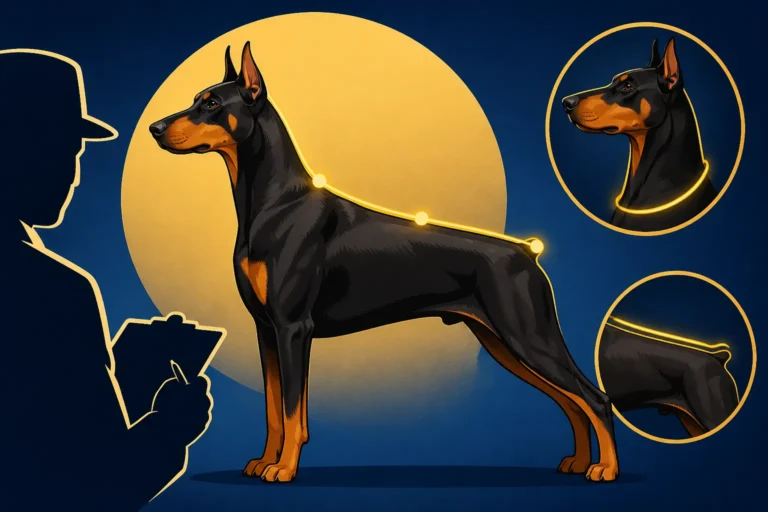
The Z in a Doberman Registration Number
You're looking through a Doberman's pedigree, admiring the long line of champions and health clearances, when suddenly, you spot it: a "Z" prefix in front of some of the registration numbers. Your mind races – what on earth does that mean? Is it a special lineage? A health concern? This guide is going to clear up the confusion surrounding the "Z" in a Doberman's registration, explaining its origin, what it signifies for the dog, and the important considerations for owners and breeders alike.
What the "Z" Actually Signifies
When you encounter a "Z" in a Doberman's registration number, it's not some obscure, fancy designation. It points directly to a specific genetic trait: albinism. This can be a bit of a shock, especially for those who picture a Doberman exclusively in its iconic black and rust or red and rust coats. The "Z" effectively flags a dog that carries or expresses the gene for albinism, distinguishing it from standard-colored Dobermans in official records. It's a critical piece of information that speaks volumes about the dog's genetic background and potential physical characteristics.
Understanding the Albino Gene
The "Z" in a Doberman's registration directly correlates to the presence of the albino gene. Unlike typical Doberman coat colors, which are governed by a complex interplay of genes for black, red, and rust markings, albinism is caused by a recessive gene that inhibits the production of melanin. Melanin is the pigment responsible for all color in the skin, fur, and eyes. When a Doberman inherits two copies of this recessive albino gene, it results in a lack of pigment, leading to what is often mistakenly called a "white Doberman." However, it's not white in the sense of a white German Shepherd or a Samoyed; it's truly an albino, with characteristic pink skin, pale or blue eyes (which can sometimes appear pinkish due to blood vessels showing through the unpigmented iris), and a complete absence of colored coat. This genetic factor, known as tyrosinase-related oculocutaneous albinism (OCA1), is what the "Z" is there to identify. Why a White Doberman Is Really an Albino
This genetic marker serves as an important warning sign within the breed. A dog with a "Z" in its number means it's either an albino Doberman itself, or it's a carrier for the albino gene, even if it appears to be a standard color. The implications of this gene go far beyond just aesthetics, affecting the dog's health and sensitivity in significant ways that are not seen in normally pigmented Dobermans. It's not a color dilution, like blue or fawn, but a complete absence of pigment.
Distinguishing from Dilute Colors
It's easy to confuse an albino Doberman with the dilute colors of the breed, such as blue and fawn. These dilute colors are beautiful in their own right, and while they do have their own specific health considerations, they are fundamentally different from albinism. Blue Dobermans, for instance, have a diluted black coat, appearing grayish-blue, with blue eyes often seen in puppies that typically darken to amber or brown as they mature. Fawn Dobermans are a diluted red, appearing light tan or Isabella, also often with lighter eyes. Both blue and fawn Dobermans produce some pigment, just less intensely than black and red Dobermans. Doberman Colors and the Two That Cause Trouble
An albino Doberman, on the other hand, lacks any pigment. Their coat isn't just lighter; it's white or cream. Their eyes aren't blue or amber; they are typically a very pale blue, sometimes appearing pinkish, and their skin, nose, and paw pads are distinctly pink, not black, brown, or even gray. This complete absence of melanin is the key differentiator. The "Z" specifically flags this albinism, separating these dogs from standard and dilute colors, and signaling the unique set of challenges and responsibilities that come with owning or breeding them. Understanding this distinction is crucial for anyone involved with the breed, as the health needs and ethical considerations differ significantly.
The History and Controversy of the "White" Doberman
The appearance of the "white" Doberman was a surprising and, for many, unwelcome development in the breed. It sparked immediate debate and controversy, dividing breeders, clubs, and enthusiasts. Understanding the roots of this unique genetic trait and the subsequent discussions around it helps to grasp why the "Z" factor became such a significant point of contention within the Doberman community.
The Origin Story
The story of the "white" Doberman begins with a single female Doberman Pinscher named Padula's Queen Of Sheba, born in 1976. She was a black and rust Doberman, but she carried the recessive gene for albinism. When bred, some of her descendants eventually expressed the full albino phenotype, resulting in the first truly albino Dobermans. This was not a planned breeding outcome; it was an unforeseen genetic lottery that produced a highly unusual and visually striking dog. The original albino Doberman, named Sheba, captured immediate attention, partly because of her unusual appearance, and partly because of the significant genetic implications she represented for the breed. The White Doberman and Where It Came From
The lineage of these dogs was meticulously tracked, and soon, all albino Dobermans, or "Z-factor" Dobermans, could be traced back to this one foundational carrier. This sudden emergence of albinism raised questions about the breed's genetic purity and the potential health consequences, leading to a scramble among breed enthusiasts and health organizations to understand and manage this new genetic variant. The concern wasn't just about the aesthetics, but about the welfare of these dogs, as albinism in other species often comes with associated health issues.
Why the "White" is an Albino
Despite being commonly referred to as "white Dobermans," these dogs are, genetically speaking, albinos. This isn't just a matter of semantics; it's a fundamental biological distinction with profound implications. True albinism is characterized by a complete or near-complete lack of melanin, the pigment that determines color in skin, hair, and eyes. This is different from a dog with a white coat due to other genes, like a Samoyed or a white German Shepherd, which still have pigment in their skin, nose, and eyes. An albino Doberman has unpigmented, pink skin, a pink nose and paw pads, and distinctively pale blue or pinkish-red eyes due to the visibility of blood vessels in the absence of iris pigment.
The Doberman Pinscher Club of America (DPCA) and the American Kennel Club (AKC) both officially recognize these dogs as albinos. The AKC implemented the "Z" designation in the registration number to specifically identify these dogs and their immediate descendants. This was a direct response to the ethical concerns surrounding breeding animals with known health predispositions linked to albinism. The "Z" is a clear signal that the dog carries the genetic trait for albinism, even if the dog itself is a standard color but descended from an albino. What the Doberman Z Registry Flags This distinction underscores a commitment to transparency and informs potential buyers about the unique considerations associated with these dogs.
Health Implications for Z-Factor Dobermans
The lack of pigment in albino Dobermans isn't just a cosmetic trait; it has significant health ramifications. Melanin plays a crucial role in protecting the body from ultraviolet (UV) radiation and contributes to the normal development and function of the eyes. Without it, Z-factor Dobermans are far more vulnerable to a range of health issues, making their care more intensive and requiring careful management throughout their lives. This is perhaps the most compelling reason why the "Z" designation is so critical.
Vision and Eye Problems
One of the most immediate and impactful health issues for albino Dobermans is their vision. The complete absence of pigment in their eyes, including the iris and retina, means they lack the natural filtration and protection from light that pigmented eyes provide. This often leads to severe light sensitivity, a condition known as photophobia. Imagine trying to navigate a brightly lit world when even normal light feels painfully harsh – that's often the reality for these dogs. They might squint, shy away from direct sunlight, or prefer to be in dimly lit areas. Light Sensitivity in an Albino Doberman
Beyond light sensitivity, many albino Dobermans also suffer from impaired vision, often characterized by poor depth perception and reduced acuity. Their eyes may also exhibit nystagmus (involuntary eye movements) or strabismus (misaligned eyes). The visual cortex in the brain can also be affected by the lack of pigment during development, sometimes leading to abnormal neural pathways and further compounding their visual challenges. This can make them easily startled, prone to bumping into objects, or less confident in unfamiliar environments, requiring owners to be particularly diligent about their safety and environmental management.
Skin Sensitivity and Sunburn
The skin of an albino Doberman is another major area of concern. Without melanin, their skin has no natural protection against the sun's harmful ultraviolet (UV) rays. This makes them extremely susceptible to severe sunburn, even with relatively short exposure. A typical afternoon walk that would be perfectly fine for a black Doberman could leave an albino Doberman with painful, blistering burns. Repeated sunburns significantly increase their risk of developing skin cancers, such as squamous cell carcinoma and hemangiosarcoma, at a much younger age than typically seen in dogs. Why an Albino Doberman Burns and Blisters
Protecting their skin is a lifelong commitment. This often means limiting outdoor exposure, especially during peak UV hours, applying dog-safe sunscreen to exposed areas like the nose, ear tips, and belly, and dressing them in UV-protective clothing. Think doggy sun shirts or even specialized coats for walks. It's not just about comfort; it's about preventing serious, potentially life-threatening skin conditions. Owners must be constantly vigilant about their albino Doberman's sun exposure, treating their skin with the utmost care. You might even want to look on sites like Chewy for special dog sunscreens or protective vests.
Other Potential Health Concerns
While vision and skin issues are the most prominent health concerns directly linked to albinism in Dobermans, there are other potential, albeit less common, issues that owners should be aware of. Some albino Dobermans may exhibit a weaker immune system, making them more prone to infections. While not conclusively proven for Doberman albinism specifically, albinism in other species can sometimes be associated with broader developmental abnormalities, though robust data for Dobermans is limited.
Furthermore, it's important to remember that Z-factor Dobermans are still Dobermans. This means they are inherently predisposed to all the other serious health conditions that plague the breed, such as Dilated Cardiomyopathy (DCM), Von Willebrand's Disease, Wobbler Syndrome, and Hypothyroidism. An albino Doberman could potentially suffer from both the specific challenges of albinism and any of these common Doberman ailments, making their overall health management even more complex and potentially costly. For example, screening an older Doberman more often is already important, and an albino Doberman might require even more comprehensive care due to their compounded vulnerabilities.
Ethical Considerations for Breeders and Owners
The existence of Z-factor Dobermans has ignited significant ethical debate within the Doberman community. For breeders, the question centers on responsibility and the potential perpetuation of known health problems. For prospective owners, it’s about understanding the commitment required and making an informed, compassionate decision.
The Debate Around Breeding Z-Factor Dogs
The primary ethical concern for breeders revolves around intentionally breeding for albinism or breeding carriers of the albino gene without full transparency. Given the significant health challenges associated with albinism – severe light sensitivity, impaired vision, and extreme susceptibility to sunburn and skin cancer – many believe that breeding Z-factor Dobermans is irresponsible and detrimental to the welfare of the individual dogs. The argument is that knowingly producing dogs with such predictable and debilitating health issues goes against the principles of responsible breeding, which prioritize health, temperament, and longevity. Whether a White Doberman Can Be Bred From
The AKC's "Z" designation, and the Doberman Pinscher Club of America's strong stance against breeding albinos, reflect this sentiment. The DPCA explicitly advises against breeding any Doberman that carries the Z-factor, regardless of its own color. They argue that perpetuating these genes adds an unnecessary burden to the breed's already complex health landscape and places unfair challenges on future owners. While some breeders might argue that albinos are "rare" or "unique," the ethical counter-argument emphasizes that rarity should never trump health and quality of life. Owners of "Z-factor" dogs, even those of standard coloration but carrying the gene, face difficult decisions about spaying or neutering to prevent passing on the trait.
Responsible Ownership of an Albino Doberman
For those who choose to own an albino Doberman, either intentionally or through rescue, responsible ownership takes on an elevated meaning. It's not merely about providing basic care; it's about committing to a lifetime of specialized management and a deep understanding of their unique needs. This includes proactively protecting them from the sun, managing their visual impairment, and being prepared for potentially higher veterinary bills due to their predisposition to various health problems. Buying a White Doberman and What It Means
A responsible owner will ensure their albino Doberman has access to shaded outdoor areas, wears dog-safe sunscreen and UV-protective clothing when outside, and receives regular veterinary check-ups to monitor skin health and vision. They will also need to be particularly understanding and patient with their dog's visual limitations, providing a consistent and safe indoor environment. This might involve creating familiar paths, avoiding sudden furniture rearrangement, and using voice cues more extensively. It also means educating friends, family, and even strangers who might be curious about their unusual-looking Doberman, helping to dispel myths and advocate for their dog's well-being. Investing in items like protective clothing or specific dietary supplements from stores like Chewy for overall health can become a regular part of the budget.
Registration and Showing Rules
The "Z" in a Doberman's registration number has direct implications for how these dogs are recognized and what competitive avenues are open to them. Breed clubs and registries have established specific rules to manage the presence of the albino gene within the breed, largely influenced by the health and ethical concerns discussed.
AKC Z-Factor Registry
The American Kennel Club (AKC) maintains a specific "Z-factor" registry for Dobermans that are either albino themselves or are descended from an albino. When a Doberman is registered with a "Z" prefix, it means the AKC has identified it as carrying or expressing the albino gene. This system was put in place to track the lineage of albinos and to make it clear to potential buyers and breeders that these dogs are genetically distinct from standard-colored Dobermans. The "Z" effectively serves as a genetic alert, flagging the presence of this recessive trait. Whether an Albino Doberman Can Be Registered
It's important to understand that while a "Z-factor" Doberman can still be registered with the AKC, this registration comes with significant restrictions, particularly concerning showing and breeding. The AKC's policy aims to both track the lineage and discourage the proliferation of albinism within the breed, aligning with the general consensus among responsible breed clubs. This registry highlights the breed's commitment to transparency regarding genetic health issues, even if it creates a separate category for these unique dogs.
Impact on Conformation Showing
For owners with aspirations in the conformation ring, owning a "Z-factor" Doberman – whether albino or a carrier – presents insurmountable hurdles. The Doberman Pinscher Club of America (DPCA) has a very clear stance: albino Dobermans are disqualified from conformation events. This means an actual albino Doberman cannot compete for championships in the show ring. This disqualification stems from the breed standard itself, which describes a Doberman with a rich, dark pigment, and a strong, fearless expression, characteristics that are fundamentally contradicted by the lack of pigment in an albino. Why the Doberman Club Opposes White Dogs
Furthermore, even Dobermans who are not albino themselves but carry the "Z" designation in their pedigree (meaning they are known carriers of the albino gene) may face unofficial scrutiny or ethical disapproval from judges and fellow exhibitors, even if technically permitted to show. The strong sentiment among breed purists is to actively discourage the breeding and showing of Z-factor dogs due to the associated health problems. Therefore, for most serious conformation competitors, avoiding any "Z" in a pedigree is a critical step in selecting a show prospect, as it directly impacts their ability to compete and their standing within the breeding community.
Living with a Z-Factor Doberman
Bringing any Doberman into your life is a commitment, but living with a Z-factor Doberman, especially a full albino, adds layers of special care and public interaction that standard Doberman owners might not fully appreciate. It’s a journey that demands extra dedication, patience, and a willingness to advocate for your dog.
Special Care Requirements
The daily care routine for an albino Doberman is definitely more involved than for their pigmented counterparts. Their most vulnerable points are their eyes and skin, both of which require constant vigilance. For their eyes, protecting them from bright light is paramount. This might mean keeping them indoors during the sunniest parts of the day, using doggie sunglasses (doggles), or ensuring they have plenty of shaded areas in the yard. Inside, you might find yourself adjusting lighting to be softer, especially in rooms where they spend a lot of time.
For their skin, sun protection is a non-negotiable part of their routine. This isn't just a summer thing; strong UV rays can penetrate clouds year-round. Dog-specific sunscreen, applied to their nose, ear tips, and any other exposed areas, is crucial. Many owners also invest in lightweight, UV-protective clothing for their dogs, such as sun shirts or full-body suits, when they go outside. You can find a decent selection of these items on popular pet supply websites like Chewy. Regular checks for any skin irritation, redness, or suspicious lumps are also vital, as they are at a higher risk for skin cancers. Their diet might also need consideration, not necessarily because of the albinism itself, but because overall good health and skin condition can be supported by a quality diet. Skin Care Costs for a Blue Doberman (This link, while for blue Dobermans, is relevant as both need specialized skin care.)
Dispelling Myths and Educating Others
One of the less-talked-about aspects of living with an albino Doberman is the constant need to educate others. Due to their unusual appearance, these dogs often draw a lot of attention, and with that comes a host of misconceptions. Many people might assume they are simply a rare color variant, a "white Doberman," without understanding the underlying genetic condition and its health implications. Others might incorrectly associate their appearance with temperament issues or even genetic defects beyond albinism.
As an owner, you become an ambassador for your dog and for responsible pet ownership. You'll likely find yourself explaining why your dog squints in the sun, why they wear a special shirt, or why their eyes look the way they do. This can be tiring, but it's an important part of dispelling myths and promoting accurate information about albinism in Dobermans. It's an opportunity to educate people about responsible breeding practices and the ethical considerations behind avoiding the propagation of the albino gene. By openly discussing your dog's needs and the reasons behind them, you can help foster a greater understanding and empathy for these beautiful, yet uniquely challenged, animals.
Table: Comparison of Standard vs. Z-Factor (Albino) Dobermans
| Feature | Standard Doberman (Black, Red, Blue, Fawn) | Z-Factor (Albino) Doberman |
|---|---|---|
| Coat Color | Rich, solid colors with rust markings | White to cream, complete absence of pigment |
| Skin/Nose/Pads | Pigmented (black, liver, gray, tan) | Pink, unpigmented |
| Eye Color | Dark brown to amber, often blue in puppies | Pale blue, pinkish-red (due to visible blood vessels) |
| Vision | Normal | Often light-sensitive (photophobia), impaired acuity |
| Sun Sensitivity | Normal | Extremely high risk of sunburn & skin cancer |
| Breed Standard | Conforming | Disqualified from conformation showing |
| AKC Registration | Standard number, no prefix | "Z" prefix to denote albino or albino carrier |
| Breeding Ethics | Encouraged for health-tested dogs | Strongly discouraged by breed clubs due to health risks |
| Special Care | General care | Extensive sun protection, vision management, frequent vet checks |
Disclaimer
This article is for general informational purposes only and does not constitute professional advice. Laws, prices and regulations vary by location and change over time. Consult a qualified professional for guidance on your specific situation.