Whether a Doberman Bitch Is Much Lighter
When you’re considering bringing a Doberman into your life, or even if you already share your home with one of these magnificent dogs, you’ve probably noticed the difference in physical presence between males and females. It's a common observation, and many prospective owners wonder just how much lighter a Doberman bitch is compared to her male counterpart. It’s not just about a number on a scale; it's about their entire build, their energy, and how they carry themselves. This guide will delve into the nuances of Doberman size, comparing male and female dogs based on breed standards and real-world experiences, and help you understand what to expect.
Understanding the Doberman Breed Standard for Weight and Height
The Doberman Pinscher breed standard, as set by organizations like the American Kennel Club (AKC) and the Fédération Cynologique Internationale (FCI), provides a blueprint for what the ideal Doberman should look like. These standards are crucial for breeders and judges, aiming to maintain the breed's distinctive characteristics, structure, and athleticism. When we talk about size, it’s not just about weight, but also about the overall height and proportion, which dictate how a dog moves and performs.
The Ideal Male Doberman: What the Standards Say
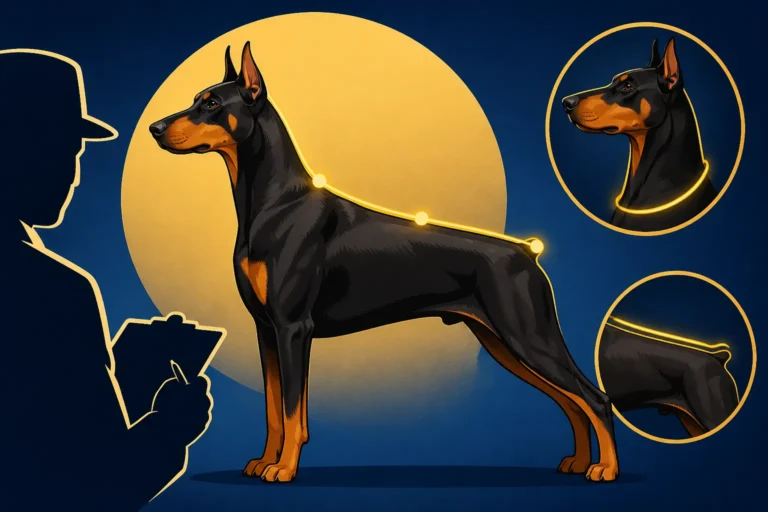
For male Dobermans, the breed standard generally describes a powerful, well-muscled, and substantial dog. The AKC standard, for example, specifies a height range of 26 to 28 inches at the withers (the highest point of the shoulder blade). While it doesn't list a specific weight, it implies a weight that is proportionate to this height, suggesting a dog that is lean and athletic, but with good bone and substance. Many males will fall into the 80 to 100-pound range, sometimes a little more, depending on their lines and conditioning. They should never appear bulky or coarse, but rather elegant and powerful. If you look at The Doberman the AKC Standard Describes, you'll find a clear picture of the desired physique: a dog built for endurance and speed, with a regal bearing.
This isn't just about looking good in the show ring; it's about function. A male Doberman needs enough muscle and bone to be truly formidable, capable of executing the tasks for which the breed was originally developed. Think of that deep chest, the powerful hindquarters, and the confident stride. These physical attributes are a testament to the breed's heritage as a protector and working dog. However, it's important to remember that these are ideals. Not every male Doberman will hit the exact top end of the height range, and fluctuations in muscle mass due to activity levels can influence their weight.
The Ideal Female Doberman: A Look at the Guidelines
Female Dobermans, often referred to as bitches, are also described by the breed standard, and they are consistently smaller than their male counterparts. The AKC standard for females calls for a height range of 24 to 26 inches at the withers. Again, a specific weight isn't listed, but the expectation is that they will be proportionate to their height. In practical terms, this usually means female Dobermans weigh anywhere from 60 to 80 pounds. They should still possess the elegance and athleticism of the breed, but with a distinctly feminine appearance – less robust and often more refined in bone structure.
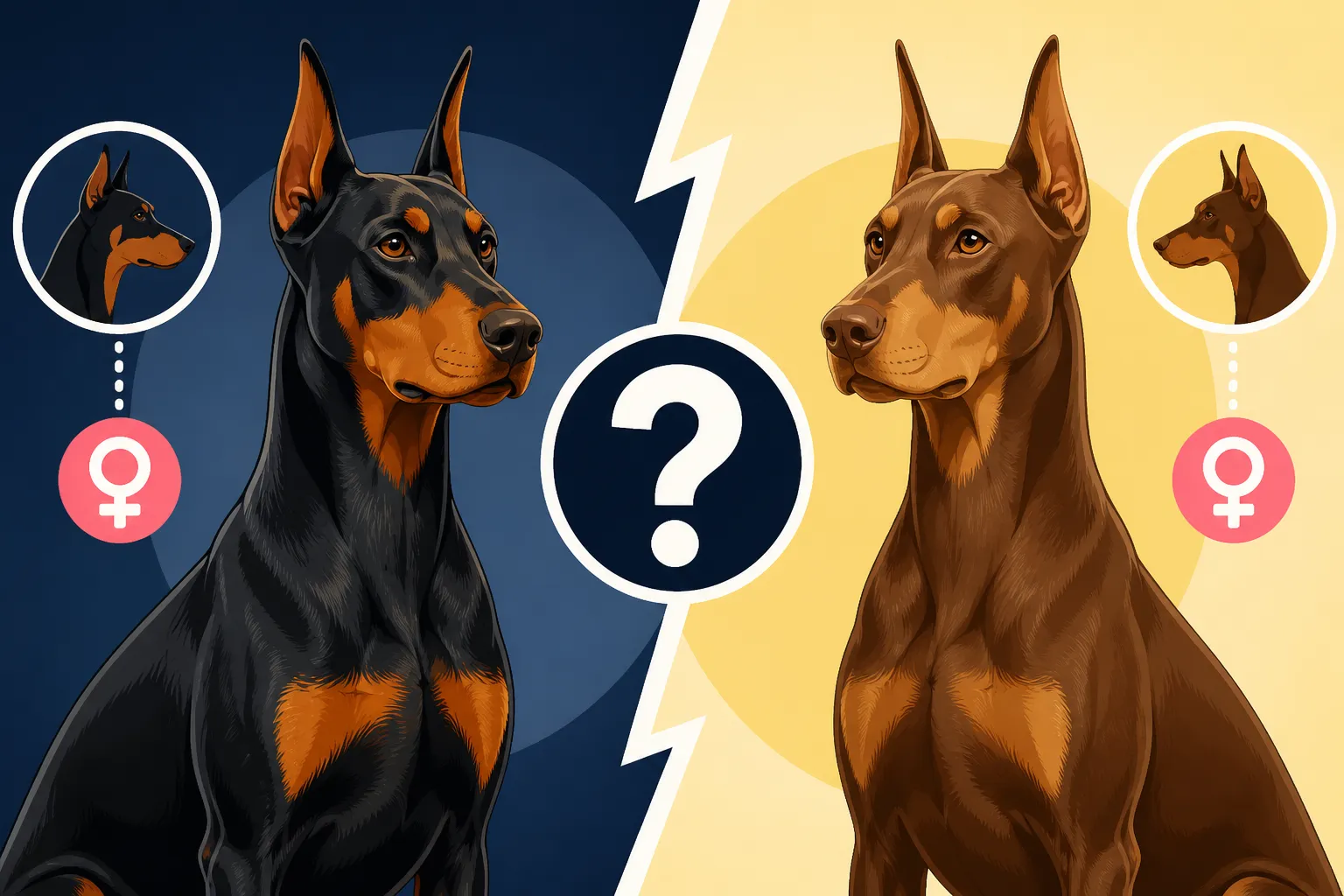
When you stand a well-bred male and female Doberman next to each other, the difference is usually quite striking. The female often has a more delicate head, a slightly finer coat, and a more graceful outline. She should not appear dainty, but rather a smaller, more agile version of the male. This size difference is an intrinsic part of the breed's sexual dimorphism. It's not just about being "a bit smaller"; it's about a consistent and expected difference in overall build and presence. Owners of female Dobermans often marvel at their agility and speed, which is partly a result of their lighter frame.
Why the Standard Matters and Why Reality Can Differ
The breed standard serves as a crucial guide for responsible breeding. Breeders strive to produce dogs that conform to these ideals, not just for aesthetics but also because the standard describes a dog that is structurally sound and fit for purpose. It helps ensure that Dobermans retain their working capabilities and health. When a breeder is selecting dogs for their breeding program, they're looking for individuals that embody these traits, including appropriate size and weight for their sex. This is why when you look at a reputable breeder's website or meet their dogs, you should generally see a noticeable size difference between their adult males and females. It also impacts What Breeders Ask for a Doberman Puppy, as the pedigree and adherence to standard are key.
However, reality isn't always a perfect reflection of the standard. Individual genetics play a huge role. You might encounter a smaller-than-average male or a larger-than-average female. Sometimes, the differences in "lines" – whether a dog comes from more American show lines or European working lines – can influence their build. European Dobermans, for example, are often noted for having a slightly heavier bone structure and a more robust appearance overall, which can mean their females might be on the higher end of the weight spectrum compared to an American-bred female. We'll dive into How a European Doberman Is Built Differently a bit later. Nutrition and exercise also contribute; a Doberman that is overfed and under-exercised, regardless of sex, will carry more weight, potentially blurring the lines between what's considered appropriate.
Real-World Differences: More Than Just Numbers
Beyond the strict numbers of the breed standard, there’s a qualitative difference in how male and female Dobermans present themselves. It’s not just about the pounds on the scale, but the overall impression they make, their build, and even their energy. This distinction can be quite noticeable even to the untrained eye and influences everything from how they move to how you might need to adjust their daily care.
The "Feel" of a Female Doberman
When you interact with a female Doberman, you often notice a sense of refinement and elegance that is distinct from a male. They tend to have a more graceful gait and a lighter, more agile feel. Their bone structure, while still strong, is typically finer, and they carry less overall muscle mass compared to a fully developed male. This isn't to say they aren't powerful—far from it! A female Doberman is still a strong, athletic dog, but her power often manifests with more precision and less brute force. They often give the impression of being "racier" or more aerodynamic.
Many owners describe their female Dobermans as being more "sleek" or "streamlined." This can translate into different movement patterns; they might be quicker to turn or have a more fluid stride. This physical difference often aligns with certain temperament traits, where females might be perceived as slightly more independent or perhaps more cunning in their approach, though temperament is highly individual. This physical subtlety also means you might notice changes in their body condition more quickly. Learning to read Reading Ribs and Hip Points on a Doberman is crucial for both sexes, but especially for females, whose leaner build can make even small weight fluctuations more apparent.
Factors Influencing a Doberman's Size and Weight: Beyond Gender
While gender is a primary determinant of size, it's certainly not the only one. Several other factors play a significant role in a Doberman's final weight and stature:
- Genetics and Lineage: As mentioned, a Doberman's specific bloodlines—whether they trace back to working dogs, show champions, or a blend of both—can influence their mature size. Some lines simply produce larger, heavier-boned dogs, regardless of gender, while others might consistently produce more moderately sized individuals. This is why researching a breeder's dogs and their pedigrees is so important.
- Nutrition: The quality and quantity of food a Doberman receives, especially during their crucial growth phases, directly impacts their development. An improperly fed puppy can be stunted, while an overfed one can become overweight, putting strain on their developing joints. Providing a balanced, high-quality diet, like those found on platforms such as Chewy, is paramount. Even for adult dogs, consistent, appropriate feeding is key. If you're wondering about general feeding guidelines, articles like Feeding an Eighty-Pound Doberman Well can offer insights, but always tailor it to your specific dog.
- Exercise and Activity Level: A Doberman that gets regular, vigorous exercise will develop strong, lean muscle mass. A more sedentary dog, even one fed appropriately, might carry less muscle and potentially more fat, altering their overall weight and body condition. Dobermans are active dogs, and their musculature is a reflection of their activity.
- Overall Health: Underlying health conditions can also affect a dog's weight. Chronic illness, metabolic disorders, or even parasites can lead to weight loss or difficulty gaining weight. Conversely, some hormonal issues, such as hypothyroidism, can cause unexplained weight gain. Keeping an eye on their health through regular vet check-ups is vital throughout The Doberman Years When Everything Shows Up.
It's important to differentiate between a naturally smaller dog and one that is underweight or unhealthy. A healthy Doberman, whether male or female, should always look lean and athletic, with visible muscle definition and a tucked abdomen. You should be able to easily feel their ribs, but not see them protruding. If you're concerned about your Doberman's weight, always consult your veterinarian.
When a Doberman's Weight Raises Questions
It's natural to have concerns if your Doberman's weight seems outside the typical range. If your female Doberman appears excessively light or frail, or if your male seems unusually heavy or bulky, it's a good idea to assess the situation.
- Too Light: A female Doberman that looks bony, with ribs, hip bones, and vertebrae clearly visible even with a short coat, might be underweight. This could be due to insufficient food, a high metabolism, or an underlying health issue. While Whether a Doberman Is Meant to Look Thin is a valid question (and the answer is generally "lean, not starved"), true emaciation is a red flag.
- Too Heavy: Conversely, a Doberman, male or female, that lacks a clear waistline, has fat rolls, or whose ribs are difficult to feel, is likely overweight. This puts undue stress on their joints, heart, and other organs, increasing the risk of various health problems. It's especially concerning for a breed prone to heart issues like Dilated Cardiomyopathy (DCM). Overweight dogs also tend to be less agile and can struggle with the exercise levels Dobermans thrive on.
Always ensure your Doberman is receiving adequate nutrition for their age, activity level, and individual needs. High-quality dog food brands available at stores like Chewy offer formulations for different life stages and activity levels. If diet and exercise adjustments don't bring your dog into a healthy weight range, a veterinary check-up is definitely warranted to rule out any medical reasons for the weight discrepancy.
Practical Implications for Doberman Owners
The size difference between male and female Dobermans isn't just an interesting fact; it has practical implications for daily life, care, and management. From what they eat to the gear they wear, recognizing these differences can help you provide the best possible environment for your Doberman.
Tailoring Nutrition and Exercise to Your Doberman's Size
Because male Dobermans are generally larger and carry more muscle mass, they typically require a higher caloric intake than females. They need more fuel to maintain their body weight and support their higher energy output during exercise. This doesn't mean feeding them more at each meal necessarily, but rather ensuring their overall daily ration meets their needs. For example, a vigorous working male might need food like certain formulations found on Chewy that are designed for high-energy dogs, whereas a moderately active female might thrive on a standard adult formula. Always measure their food precisely and adjust based on their body condition. You can get more specific guidance from your vet, but generally, a male Doberman that is Feeding an Eighty-Pound Doberman Well will have a different baseline than a 65-pound female.
Exercise routines also need consideration. While both sexes need ample exercise, a larger male might have the endurance for longer, more strenuous activities, whereas a female might excel in agility or speed-focused sports. Their joint health, especially in the Doberman years when everything tends to show up, is also a concern. High-impact activities should be managed carefully for both, but a heavier male might put more stress on his joints simply due to mass. Always warm up your Doberman before strenuous exercise and cool them down afterward to protect their muscles and joints.
Equipment Sizing: Collars, Harnesses, and Crates
This is where the size difference really hits home. You can't just buy a "Doberman size" collar or harness and expect it to fit both a male and a female.
- Collars: Males will generally need larger collar sizes, both in length and sometimes in width, to accommodate their thicker necks. A female might comfortably wear a 1.5-inch wide collar, while a male might need a 2-inch wide collar for comfort and control.
- Harnesses: Harnesses and Leads for a Strong Doberman require careful selection. A male Doberman’s deeper chest and broader shoulders mean he'll need a different harness size than a female, who typically has a narrower, but still deep, chest. You’ll need to take accurate measurements of your dog's chest girth and neck to ensure a proper, comfortable, and secure fit, rather than just guessing by gender.
- Crates: While both sexes will need a large crate, a full-grown male might need the absolute largest size available (e.g., 54-inch for giant breeds), whereas many females can be comfortable in a slightly smaller (e.g., 48-inch) large dog crate. Crate Sizing for a Doberman at Full Height is critical for comfort and safety, ensuring your Doberman can stand up, turn around, and lie down comfortably without feeling cramped.
Always err on the side of slightly larger rather than too small for safety and comfort, and check sizing charts carefully when purchasing any equipment. Brands like those carried by Chewy typically offer detailed sizing guides.
The Impact on Training and Handling
While temperament varies more by individual dog and breeding than by sex, the physical strength and size difference can influence handling. A male Doberman, particularly a larger one, simply has more mass and strength behind him. This means a strong, consistent leash hand is even more vital. If a male Doberman decides to pull on the leash, the force exerted can be substantial. For this reason, many owners find certain training tools, like head halters or front-clip harnesses, incredibly helpful for managing an eighty-pound dog on a walk.
Female Dobermans, while still powerful, might be slightly easier to physically manage for some handlers due to their lighter weight. However, this doesn't mean they require less training or attention to leash manners. A well-trained Doberman, regardless of sex, is a pleasure to walk, but understanding their physical capabilities is part of responsible ownership. Consistent, positive reinforcement training from a young age is paramount to building a well-mannered Doberman who respects boundaries and responds to cues, irrespective of their gender or size.
Debunking Myths and Setting Expectations
There are many misconceptions floating around about Dobermans, and some relate specifically to their size and gender. It's important to separate fact from fiction to have realistic expectations and make informed decisions, whether you're bringing a Doberman puppy home or simply learning more about the breed.
The Myth of the "Giant" Doberman Female
One common misconception is the idea of a "giant" Doberman female – a female who is as large as or even larger than an average male. While individual dogs can vary, a truly oversized female Doberman is generally not desirable according to the breed standard and can sometimes indicate poor breeding practices. Responsible breeders aim for dogs within the established height and weight ranges, ensuring correct structure and proportion. Dogs bred for extreme size often come with health issues, particularly joint problems, and may not possess the athleticism and elegance characteristic of the breed.
Beware of breeders who advertise "oversized" or "King Dobermans" of any sex. These terms are often marketing ploys and can be a red flag. A Doberman should be a powerful, athletic animal, but not an exaggerated one. The focus should always be on health, temperament, and adherence to the breed standard, which describes a balanced and functional dog. A female Doberman's beauty lies in her strength combined with her undeniable feminine grace, not in trying to mimic the size of a male.
European vs. American Lines: A Nuance in Size
When discussing Doberman size, it's impossible to ignore the distinction between American and European Doberman lines. While both fall under the umbrella of the Doberman Pinscher breed, there are notable differences in their appearance, with European Dobermans often presenting a more substantial, heavier-boned look. This can influence the perceived size difference between males and females within these respective lines.
Generally, European Dobermans are bred to a standard that often emphasizes a more robust, powerful physique suitable for working roles. This means that both male and female European Dobermans may appear slightly larger and heavier overall than their American counterparts. A European female, for example, might be on the higher end of the weight spectrum for females, potentially reaching 70-85 pounds, while still being distinctly smaller than a European male who could easily top 100 pounds. This doesn't mean they are outside the standard, but rather that the interpretation of the standard leans towards a more substantial build. Understanding this nuance is crucial, especially if you're looking at specific lineages. If you're comparing a European female to an American male, the size difference might feel less pronounced than if you were comparing two dogs from the same lineage. For more information, check out How a European Doberman Is Built Differently.
Temperament and Size: Are They Linked?
It's a common human tendency to link physical size with temperament, assuming that larger dogs are inherently more dominant or aggressive, and smaller dogs are more docile. However, with Dobermans, this correlation is largely a myth. A Doberman's temperament is primarily a product of genetics (responsible breeding!), early socialization, and consistent training, rather than their size or sex.
While a larger male Doberman might have a more imposing physical presence, a well-bred and well-trained female can be just as confident, protective, and determined. Conversely, a large male from poor breeding or lacking proper socialization can be fearful or unstable. Size might influence how a Doberman is perceived by strangers, but it doesn't dictate their inherent personality or behavior. Doberman Temperament as the Standard Describes It emphasizes intelligence, loyalty, and courage, traits that are found in both sexes. Therefore, when choosing a Doberman, focus on the breeder's practices, the parents' temperaments, and your commitment to training and socialization, rather than relying on the dog's size or sex to predict their personality. Both male and female Dobermans require dedicated owners who understand the breed's needs.
| Characteristic | Male Doberman (Typical) | Female Doberman (Typical) |
|---|---|---|
| Height (Withers) | 26-28 inches | 24-26 inches |
| Weight | 80-100+ pounds | 60-80 pounds |
| Build | More robust, heavier bone, broader | More refined, finer bone, elegant |
| Muscle Mass | Generally more developed | Leaner, more agile |
| Caloric Needs | Higher due to larger size/mass | Slightly lower than males |
| Physical Presence | More imposing, substantial | Graceful, sleek, athletic |
In conclusion, yes, a Doberman bitch is indeed much lighter and smaller than her male counterpart. This is a characteristic feature of the breed, enshrined in the breed standard, and generally quite noticeable in healthy, well-bred individuals. Understanding these differences goes beyond mere curiosity; it helps you provide appropriate care, nutrition, and equipment, and to appreciate the unique qualities each sex brings to the Doberman family.
Disclaimer
This article is for general informational purposes only and does not constitute professional advice. Laws, prices and regulations vary by location and change over time. Consult a qualified professional for guidance on your specific situation.