Whether a Doberman Positive for Both Genes Is Doomed
It's an utterly terrifying moment when you get those Doberman genetic test results back, especially if you see "positive" next to more than one of those dreaded DCM markers. Your heart sinks, a cold knot forms in your stomach, and suddenly, you're picturing the worst. It’s natural to feel utterly overwhelmed, to immediately jump to the conclusion that your beloved Doberman is somehow "doomed." This guide is here to walk you through what it truly means when your Doberman tests positive for both known DCM gene variants, offering clarity, context, and a realistic perspective on managing their health.
Understanding Doberman DCM Genetics: The Basics You Need to Know
For Doberman owners, Dilated Cardiomyopathy (DCM) is often the elephant in the room, the shadow that looms over their dog's lifespan. It's the most common cause of death in the breed, and understandably, we clutch at any information that might help us understand or prevent it. Genetic testing has emerged as a tool, but interpreting those results can feel like cracking a secret code.
The DCM1 Gene Test Explained for Doberman Owners
The DCM1 gene, specifically a PDK4 deletion, was one of the first genetic markers identified with a strong association with DCM in Dobermans. When your Doberman tests positive for the DCM1 gene, it means they carry a specific deletion on the PDK4 gene. This deletion is believed to affect mitochondrial function in the heart cells, which can predispose the dog to developing DCM.
It's important to understand that a "positive" result doesn't mean your dog will develop DCM, but rather that their risk is significantly increased. Think of it like a red flag. Researchers initially believed this gene played a major role, and while it's still considered a risk factor, our understanding has evolved to recognize it's just one piece of a much larger, more complex puzzle. For some Dobermans, carrying this gene might mean an earlier onset of the disease, or a more rapid progression once clinical signs appear. However, many Dobermans with the DCM1 gene live long, healthy lives without ever showing symptoms of heart disease, highlighting that genetics are not the sole determinant.
The DCM2 Titin Variant in Dobermans
The discovery of the DCM2 Titin variant added another layer to the genetic picture of Doberman DCM. Unlike DCM1, which is a deletion, DCM2 refers to a specific variant within the Titin gene (TTN). The Titin gene is absolutely crucial for cardiac function, coding for a massive protein that helps provide elasticity and structural integrity to heart muscle cells. Mutations or variants in Titin can lead to abnormalities in these proteins, compromising the heart's ability to contract effectively.
A positive result for the DCM2 variant indicates your Doberman carries this particular change in their Titin gene. Research has suggested that the DCM2 variant is actually a stronger predictor of DCM development and progression in Dobermans than DCM1. It's been found in a higher percentage of Dobermans diagnosed with DCM, and particularly in those with severe forms of the disease. This doesn't make it a death sentence either, but it does mean it's a significant marker that demands attention and proactive management. Understanding these two key genetic markers is the first step toward informed decision-making for your Doberman's health. You can learn more about these specific genetic markers in our detailed article, "The Two Doberman DCM Gene Tests."
How These Genes Contribute to Dilated Cardiomyopathy
So, how do these seemingly small genetic changes wreak such havoc on a Doberman's heart? It’s not a simple one-to-one relationship where gene X equals disease Y. Instead, it’s a more intricate dance of predispositions. DCM1, the PDK4 deletion, is thought to impact the energy production within heart cells. Heart muscle is incredibly energy-intensive, and if those energy factories (mitochondria) aren't running optimally, the muscle can weaken over time. This weakening leads to the characteristic enlargement and thinning of the heart chambers, reducing its pumping efficiency.
The DCM2 Titin variant, on the other hand, directly affects the structural integrity of the heart muscle. Titin acts like a giant spring within muscle cells, maintaining their structure and elasticity during contraction and relaxation. A faulty Titin protein means the heart muscle fibers are less resilient, more prone to damage, and less able to stretch and recoil properly. Over time, this structural weakness contributes to the dilation of the heart chambers and a decline in function. Essentially, DCM1 might be seen as affecting the fuel for the heart, while DCM2 impacts the engine's components themselves. Both, individually or in combination, can nudge a Doberman closer to developing the devastating condition that is The Heart Disease That Reaches Most Dobermans.
Decoding "Positive for Both Genes": What the Results Actually Imply
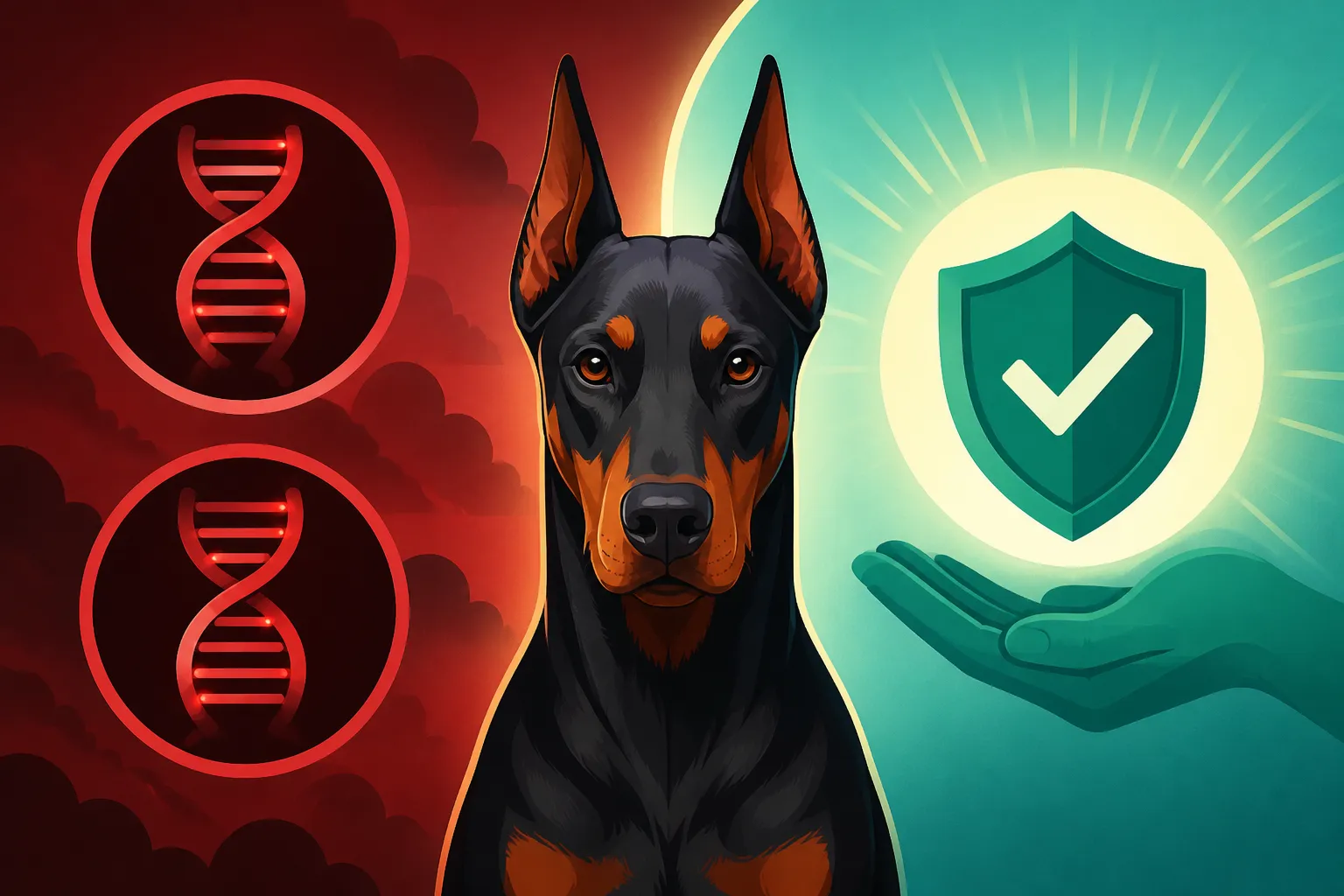
When you receive results showing your Doberman is positive for both the DCM1 and DCM2 gene variants, it's easy to feel a profound sense of despair. The term "doomed" might echo in your mind. However, while such a result indicates a higher genetic predisposition, it does not seal your Doberman's fate. It signals that you need to be exceptionally diligent in their care and monitoring, but it’s crucial to understand the nuances of this genetic "double whammy."
The Stacking Effect: Do Both Genes Worsen the Prognosis?
This is the big question on every owner's mind: if one gene increases the risk, do two genes double the trouble, or worse? Current research suggests there is a stacking effect. Dobermans positive for both the DCM1 and DCM2 gene variants are generally considered to be at a higher risk of developing DCM, and potentially at a younger age, compared to those with only one variant or neither. It's like having multiple risk factors piling up. Each gene contributes to a weakened cardiac system in its own way, and when combined, these vulnerabilities can accelerate the disease process.
However, "higher risk" is not "certainty." It means the probability is increased, but not that the outcome is inevitable. The prognosis is not necessarily "worsened" to the point of being a lost cause the moment you get the results. Instead, it means you have a clearer picture of their genetic landscape, which empowers you to be proactive. For instance, a Doberman positive for both genes might begin showing the earliest signs of DCM, known as the occult phase, earlier than a Doberman with no genetic markers or only one. This knowledge should prompt earlier and more frequent cardiac screening.
A Doberman That Tests Clear and Still Gets DCM
This is a critically important point that often gets overlooked in the anxiety surrounding positive genetic tests. Dilated Cardiomyopathy is a complex, multifactorial disease. This means it’s influenced by a combination of genetics, environmental factors, diet, and perhaps even other genetic mutations we haven’t identified yet. It’s not solely determined by the DCM1 and DCM2 genes. In fact, a significant percentage of Dobermans diagnosed with DCM will test clear for both known genetic markers. This can be incredibly confusing and frustrating for owners who have invested in genetic testing hoping for definitive answers.
What this tells us is that while these two genes are important risk factors, they don’t tell the whole story. There are likely other genetic influences at play, or even cases where environmental triggers are strong enough to cause the disease even in a genetically "clear" dog. Perhaps they have different, as-yet-undiscovered genetic predispositions, or their diet and lifestyle contribute more heavily. This reality underscores why genetic testing, while valuable, should never replace regular cardiac screening. The most disheartening truth for many owners is that a Doberman that tests clear and still gets DCM is not an anomaly, proving how elusive this disease can be. This is why it's so important to understand Why a Doberman Heart Fails Before Anyone Notices.
Whether Two Doberman Variants Stack Up
Yes, the current scientific consensus is that the two Doberman variants, DCM1 and DCM2, do indeed "stack up." This isn't just a casual observation; it's supported by epidemiological studies within the Doberman population. When a Doberman inherits both gene variants, the collective risk of developing DCM is considered to be greater than if they only carried one. It's not necessarily a simple additive effect, but rather a synergistic one where the presence of both compounds the vulnerability of the heart.
Imagine building a wall. If one gene makes a brick a little weaker, and the other gene makes the mortar a little less sticky, having both compromises the entire structure much more significantly than just one flaw. For a Doberman carrying both, the statistical likelihood of developing DCM in their lifetime is considerably higher, and there's an increased chance of early onset and more aggressive progression. This data becomes especially critical for breeders who are trying to make informed decisions about mating pairs to reduce the prevalence of this devastating disease in future generations. It's a heavy burden, but knowing allows for intervention.
Beyond Genetics: The Multifactorial Nature of Doberman DCM
While genetic testing offers crucial insights into a Doberman's predisposition to DCM, it's vital to remember that genetics are not the sole arbiters of fate. The development of DCM is a complex interplay of genetic inheritance and a host of other factors that influence how and when the disease manifests. Focusing solely on genes can give a misleadingly deterministic view, overlooking important aspects of care that can genuinely impact a Doberman's health trajectory.
Environmental Factors and Lifestyle Influences
It's tempting to think that once you know the genetics, the outcome is set. But that simply isn't true for DCM. Environmental factors and lifestyle choices play a significant, though sometimes less understood, role. For instance, diet has come under intense scrutiny in recent years, particularly concerning the link between "boutique," "grain-free," and "exotic ingredient" (BG-E) diets and cases of atypical DCM in various breeds, including Dobermans. While the exact mechanisms are still being researched, it's thought that certain ingredients, particularly legumes like peas and lentils, or potatoes, might interfere with taurine and carnitine absorption or synthesis – vital amino acids for heart health. For a Doberman already genetically predisposed, a diet lacking in these crucial nutrients or interfering with their metabolism could potentially exacerbate their risk.
Beyond diet, factors like intense athletic training at a young age, chronic stress, or even exposure to certain toxins could theoretically impact heart health over time, though these are less clearly defined in research for Doberman DCM specifically. The general principles of good health – proper nutrition, appropriate exercise, a low-stress environment, and regular veterinary care – contribute to overall cardiac resilience. A Doberman is designed for activity, but over-exertion, especially in a predisposed individual, needs careful consideration.
The Silent Years Before a Doberman's Heart Shows
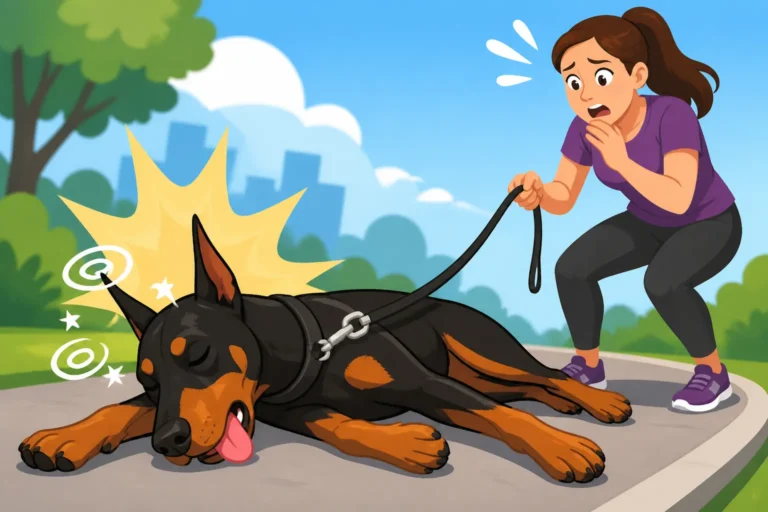
One of the cruelest aspects of Doberman DCM is its "occult" or asymptomatic phase. This refers to the period where the disease is actively progressing in the heart, but the dog shows absolutely no outward signs of illness. They might be running, playing, and acting completely normal, all while their heart is slowly enlarging and losing function. This phase can last for years, often beginning around 3-5 years of age, but sometimes even earlier. It's precisely why many owners are caught off guard when a seemingly healthy Doberman suddenly collapses or shows acute symptoms.
During these silent years, the heart undergoes structural changes – the muscle thins, and the chambers dilate – but the body compensates remarkably well. The dog doesn't cough, doesn't faint, doesn't get winded easily. This long occult phase is why relying on symptoms alone for diagnosis is a perilous strategy, particularly for a breed like the Doberman. It emphasizes the critical need for proactive screening before any external signs emerge. If you've ever wondered about this period, our article "The Silent Years Before a Doberman's Heart Shows" delves deeper into this hidden progression.
How Many Dobermans Develop DCM
The statistics surrounding DCM in Dobermans are sobering and truly underscore the breed's vulnerability. Estimates suggest that a staggering 50% or more of Dobermans will develop DCM in their lifetime. Out of those, a significant percentage, perhaps even 30%, will succumb to sudden cardiac death before any overt symptoms of heart failure are even noticed. This makes DCM the leading cause of death in the breed, far surpassing other conditions.
These figures are a stark reminder of the pervasive nature of this disease. It's not a rare occurrence; it's an inherent challenge within the breed that owners and breeders must confront head-on. The high prevalence also explains why genetic testing has become such a hot topic and why proactive screening is absolutely non-negotiable for Doberman owners. Regardless of genetic test results, the sheer numbers dictate that every Doberman should be monitored. It is a frightening reality to consider how many Dobermans develop DCM, and it underscores the collective responsibility we have to protect this magnificent breed.
Here's a quick comparison of the two main gene variants:
| Feature | DCM1 (PDK4 Deletion) | DCM2 (Titin Variant) |
|---|---|---|
| Gene Affected | PDK4 (Pyruvate Dehydrogenase Kinase 4) | TTN (Titin) |
| Type of Anomaly | Specific deletion | Specific variant/mutation |
| Proposed Mechanism | Affects mitochondrial energy production in heart | Affects structural integrity of heart muscle cells |
| Risk Contribution | Increases risk, but less potent than DCM2 | Stronger predictor of DCM, higher incidence in affected |
| Prevalence in Dobermans | Common in affected and unaffected Dobermans | Highly prevalent in DCM-affected Dobermans |
| Clinical Significance | Risk factor, often seen in combination with DCM2 | Major risk factor, often associated with severe DCM |
| "Stacking" Effect | Risk increases significantly when combined with DCM2 | Risk increases significantly when combined with DCM1 |
Proactive Management and Hope: Living with a Genetically Predisposed Doberman
Receiving a genetic test result indicating your Doberman carries both DCM1 and DCM2 can feel like a punch to the gut. The fear of what lies ahead is palpable. However, this knowledge is not a death sentence; it's a call to action. It empowers you to be an even more vigilant advocate for your dog's health, focusing on proactive management strategies that can genuinely improve their quality of life and potentially extend their healthy years. There truly is hope, and action makes a difference.
Annual Echo and Holter Screening for a Doberman
This cannot be stressed enough: regular cardiac screening is the single most important tool in managing a Doberman with a genetic predisposition to DCM, especially one positive for both variants. An echocardiogram (echo) provides a real-time ultrasound image of the heart, allowing a veterinary cardiologist to assess its size, structure, and pumping function. A 24-hour Holter monitor, a portable ECG device, records every heartbeat over an entire day, detecting arrhythmias (irregular heartbeats) that might not be present during a brief vet visit.
For Dobermans with both gene variants, starting these screenings early – often by two or three years of age – and conducting them annually is crucial. These tests can catch the earliest signs of the occult phase, long before your dog shows any symptoms. This early detection is a game-changer because it opens the door to early intervention. For any Doberman owner, understanding what these tests entail is paramount, which is why we recommend reading "Annual Echo and Holter Screening for a Doberman." The peace of mind, or the warning, these screenings provide is invaluable. You'll want to explore the details of "Reading a Doberman's Holter Result" to be fully informed.
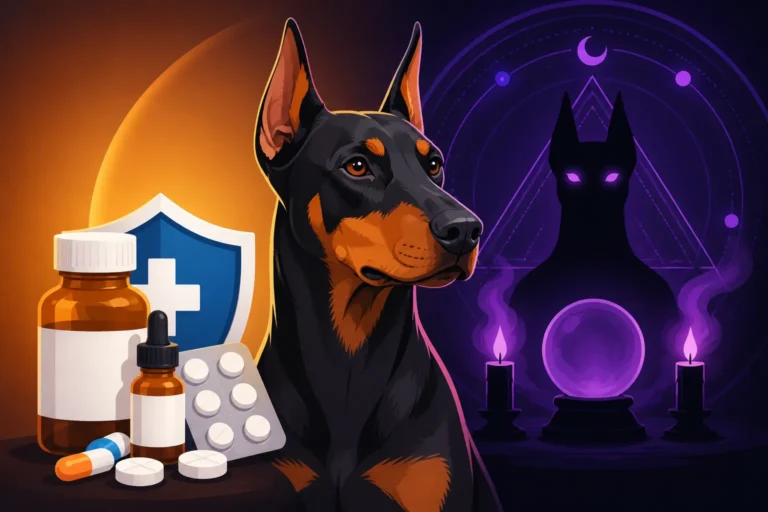
Medication for a Doberman in the Occult Phase
The landscape of DCM treatment has evolved significantly, particularly with the understanding of the occult phase. The development of drugs like Pimobendan (Vetmedin) has been a breakthrough. Pimobendan is a positive inotrope and vasodilator, meaning it helps the heart muscle contract more forcefully and opens up blood vessels, reducing the workload on the heart. Crucially, studies have shown that initiating Pimobendan treatment during the occult phase – when the heart is changing but before symptoms appear – can significantly delay the onset of clinical signs of heart failure and extend a Doberman's lifespan.
This is why early detection through annual screenings is so vital. If your Doberman, especially one with a genetic predisposition, shows early echocardiographic changes or significant arrhythmias on a Holter, your cardiologist might recommend starting Pimobendan. While it won't cure DCM, it can buy your Doberman precious additional time, extending their asymptomatic period and enhancing their quality of life for months, sometimes even years. This is a powerful testament to the value of proactive care and is discussed further in "Medication for a Doberman in the Occult Phase." The goal is to keep them feeling like a Doberman should, for as long as possible.
Support and Resources for Doberman Owners
Living with a Doberman predisposed to DCM, especially with positive genetic test results, can be an emotionally taxing journey. It's easy to feel isolated, but you are absolutely not alone. There's a vast community of Doberman owners, breeders, and veterinary professionals dedicated to supporting dogs with this condition. Breed-specific clubs, like the Doberman Pinscher Club of America (DPCA), often have health committees and forums where you can connect with experienced individuals. Online support groups, particularly on platforms like Facebook, can offer a daily dose of shared experiences, advice, and emotional camaraderie.
Your veterinary cardiologist is your most crucial resource. Building a strong, trusting relationship with a board-certified cardiologist is paramount. They are at the forefront of DCM research and treatment and can offer the most up-to-date and tailored advice for your Doberman. Don't hesitate to seek second opinions if you're unsure. Furthermore, consider pet insurance providers like Healthy Paws; while every policy differs, having coverage for unexpected vet bills, especially for chronic conditions like DCM that require ongoing medication and diagnostics, can provide immense financial relief and ensure you can always provide the best care without undue stress. Exploring these resources can help you navigate the challenges and focus on celebrating every moment with your cherished Doberman.
Responsible Breeding and Future Considerations
For those involved in Doberman breeding, understanding the implications of genetic test results for both DCM1 and DCM2 is not just about individual dog health, but about the future of the breed. Making ethical and informed breeding decisions is a complex balancing act between reducing disease prevalence and maintaining genetic diversity. It requires a deep dive into pedigrees, health testing, and a commitment to transparency.
Whether a Carrier Doberman Should Be Bred
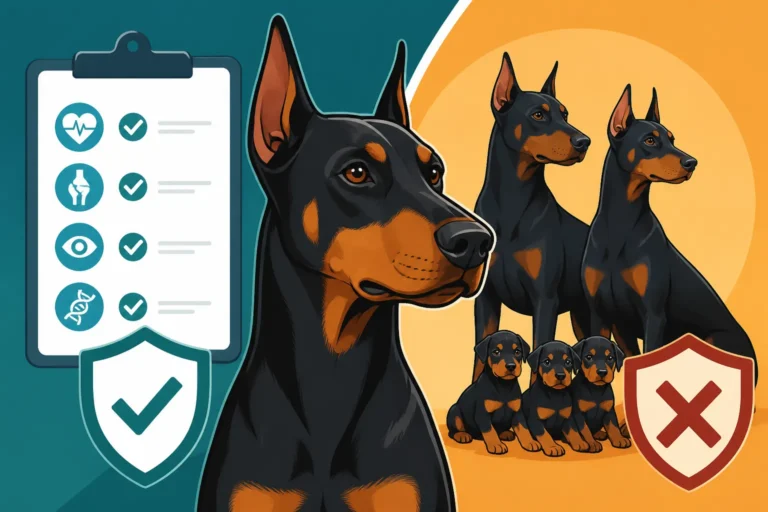
The question of whether to breed a Doberman that is a "carrier" – meaning positive for one or both DCM gene variants – is one of the most contentious and ethically challenging debates within the Doberman community. On one hand, the desire to eradicate DCM from the breed might suggest that only Dobermans clear of both genes should be bred. However, such a drastic approach, especially with a disease as widespread as DCM in the Doberman, could severely bottleneck the gene pool, leading to an increase in other genetic health issues due to reduced diversity.
Many reputable breeders advocate for a more nuanced approach, often referred to as "test and breed responsibly." This means that a Doberman positive for one or both genes might still be considered for breeding if they possess exceptional qualities in temperament, conformation, and working ability, and if they come from a line with a good history of longevity and health, and if they themselves have consistently clear cardiac screenings (echos and Holters) into old age. Crucially, they should only be bred to a mate that is completely clear of both DCM1 and DCM2, and ideally, from a line with no history of early-onset DCM. The goal is to produce puppies that have at least one clear parent, thereby minimizing the chances of producing offspring that are positive for both variants. This complex decision-making process is explored further in "Whether a Doberman Should Be Screened Before Breeding." It’s a significant responsibility to carefully consider "Whether a Carrier Doberman Should Be Bred."
What the Doberman DCM3 and DCM4 Variants From Europe Mean
The research into Doberman DCM is constantly evolving, and what we know today may be expanded upon tomorrow. Recently, there has been increasing discussion and research, particularly from European researchers, into additional genetic variants potentially associated with DCM, sometimes referred to as DCM3 and DCM4. These newer findings highlight that the genetic picture is far more intricate than just the two initial markers, PDK4 (DCM1) and Titin (DCM2).
These potential new variants, still largely in the research phase and not yet widely available for commercial testing with the same level of validation as DCM1 and DCM2, suggest that there are likely multiple genes or combinations of genes contributing to the development of DCM in Dobermans. This further complicates the breeding puzzle but also offers new avenues for understanding and eventually mitigating the disease. It underscores the point that even Dobermans testing clear for DCM1 and DCM2 can still develop DCM if they carry these or other undiscovered genetic predispositions. For owners, it's a reminder that genetic testing is a snapshot of current knowledge, not an exhaustive prediction of future health. Continued research and collaboration across the globe are essential to unraveling the full genetic blueprint of Doberman DCM. Our understanding continues to deepen, and articles like "The DCM3 and DCM4 Doberman Variants From Europe" provide more insight into these emerging discoveries.
Disclaimer
The information provided in this article is for general informational purposes only and does not constitute veterinary medical advice. Always consult with a qualified veterinary professional, ideally a board-certified veterinary cardiologist, for any health concerns or before making any decisions about your Doberman's care, diagnosis, or treatment. Genetic test results should always be interpreted in conjunction with comprehensive physical examinations and cardiac screenings.