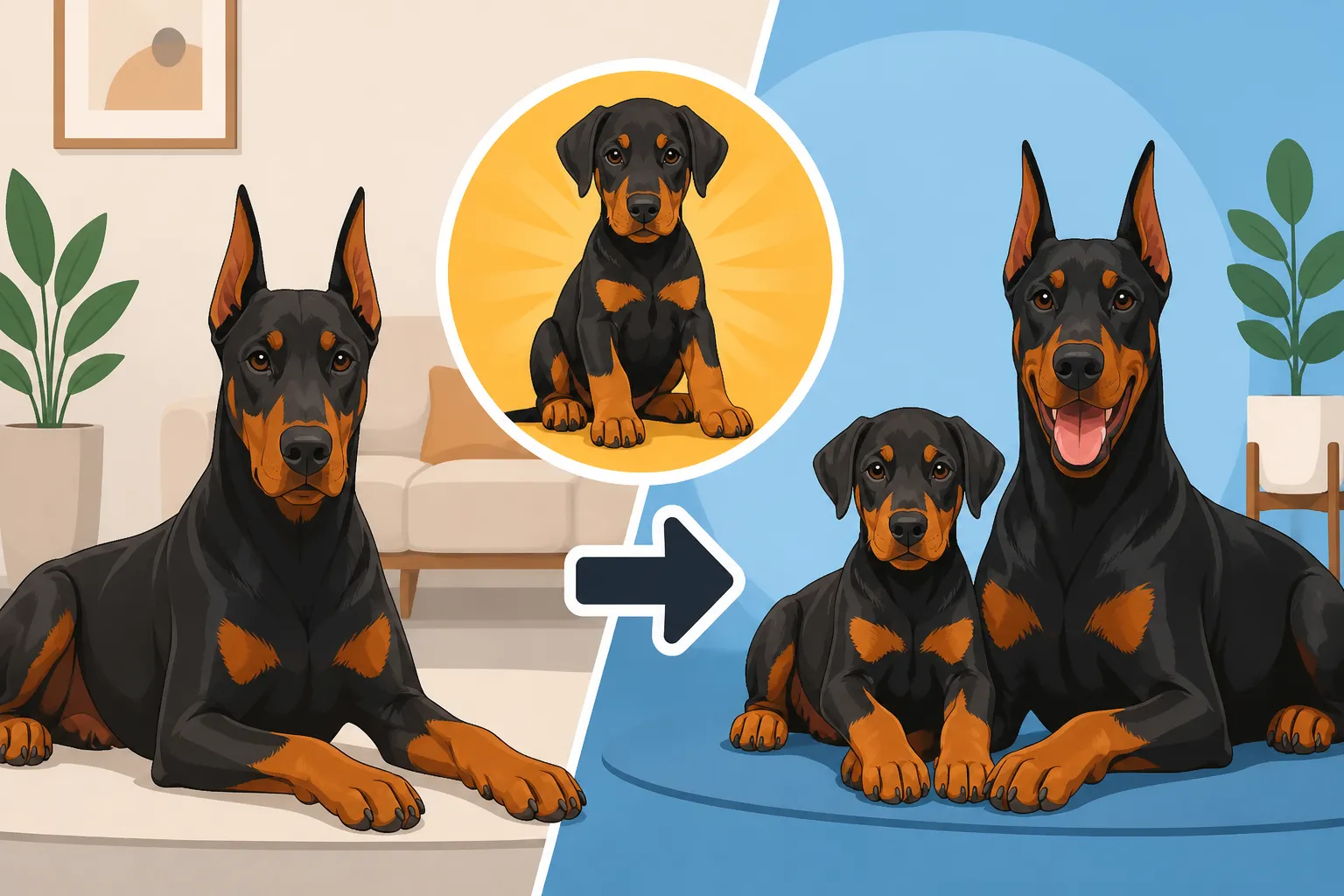
Adding a Doberman to a Household That Has One
Bringing a second Doberman into a home that already cherishes one is often a dream for devoted owners, envisioning double the loyalty, double the cuddles, and double the impressive presence. However, the reality can sometimes be a bit more complex than just adding another wagging tail; introducing two powerful, intelligent, and often sensitive Dobermans requires careful planning, patience, and a deep understanding of their unique breed traits to ensure a smooth transition and a harmonious household. This guide will walk you through the essential steps and considerations to help your Doberman duo thrive together.
Before You Bring Another Doberman Home: The Crucial Prep Work
The excitement of bringing a new Doberman into your life is undeniable, but it's vital to pause and consider some practical and behavioral aspects before making that commitment. This isn't just about finding any Doberman; it's about finding the right Doberman to complement the one you already have and ensuring your home can genuinely support two such magnificent animals.
Assessing Your Current Doberman's Temperament
You know your Doberman better than anyone. Is your resident Doberman a social butterfly who loves every dog it meets, or is it more reserved, perhaps even a bit particular about its canine companions? Some Dobermans are naturally more tolerant and adaptable, while others might exhibit Doberman Guarding Instinct and Where It Tips Over when it comes to their space, toys, or even your affection. Take an honest look at your dog's history with other dogs. Has it lived with another dog successfully before? Does it have a clear play style? Is it prone to resource guarding with its current favorite toys or spots on the couch?
If your existing Doberman shows signs of reactivity towards other dogs, even if it's generally well-behaved with people, bringing another Doberman into the mix without addressing those underlying issues first could lead to significant stress for both animals and your family. Observe your Doberman closely during interactions at the dog park, on walks, or during visits to friends with dogs. Pay attention to body language: relaxed posture, loose tail wags, play bows, and mutual deference are good signs. Stiff bodies, hard stares, excessive barking, or attempts to control another dog's movement could signal potential challenges. If there are existing behavioral concerns, seeking guidance from a professional trainer or behaviorist before introducing a new dog is a wise investment. They can help you prepare your current Doberman for the changes ahead, making the transition much smoother for everyone involved.
Age and Gender Dynamics
The dynamics between two Dobermans can often be influenced by their age and gender. Generally, pairing a male and a female Doberman often leads to fewer conflicts than same-sex pairings, though exceptions certainly exist. When two males are involved, there can sometimes be competition for dominance, particularly if both are intact and possess strong personalities. Similarly, Two Female Dobermans and What Can Go Wrong is a common concern among Doberman owners and breeders, as two females can sometimes clash more intensely and less predictably than males. If considering two males, read up on Two Male Dobermans in One House. It's crucial to acknowledge that while many same-sex pairs live together happily, careful selection of temperament and consistent management are paramount.
Age also plays a significant role. Bringing a young puppy into an older Doberman's established routine can be a mixed bag. An older, more sedate Doberman might find a rambunctious puppy irritating, leading to stress for both. Conversely, a confident, well-socialized adult Doberman might be an excellent mentor for a puppy, teaching it appropriate social cues and boundaries. If you're Bringing a Doberman Puppy to an Older Doberman, ensure the puppy's energy levels won't overwhelm your older dog and that the older dog has plenty of quiet space to retreat to. On the other hand, introducing two adult Dobermans requires both dogs to be quite flexible and tolerant, as they both come with established habits and personalities. A significant age gap (e.g., an adult with a puppy) often works better than two dogs of very similar age and maturity, as it naturally establishes a mentor-mentee dynamic rather than a rivalry.
Space, Resources, and Time
Before committing to a second Doberman, realistically assess your living situation. Do you have enough physical space for two large, active dogs to relax comfortably without constantly being in each other's personal bubbles? This isn't just about floor space; it's about having multiple sleeping areas, feeding stations, and even separate crates or quiet zones where each dog can retreat. You'll need at least two of everything: beds, bowls, and favorite toys to minimize competition and potential resource guarding. Websites like Chewy offer a wide variety of durable dog beds and bowls perfect for two Dobermans, ensuring each has their own.
Beyond physical space, consider your most valuable resource: time. Two Dobermans will require double the individual attention, training, exercise, and mental stimulation. You'll need time for separate walks, individual training sessions, and one-on-one cuddle time to reinforce your bond with each dog and prevent feelings of favoritism. Remember, Dobermans are intelligent and active, and a bored Doberman can quickly become a destructive one. Can you commit to the increased daily exercise demands, which might include longer walks, dedicated play sessions, or participation in working sports? Think about the financial aspect too; Monthly Spending on an Adult Doberman will essentially double for many items, from food to vet care and potential emergency situations. Being realistic about your capacity to provide for two Dobermans emotionally, physically, and financially is paramount for their well-being and your peace of mind.
The Art of Introduction: Making First Impressions Count
The way you introduce your new Doberman to your resident dog sets the stage for their entire relationship. Rushing this process or doing it haphazardly can create unnecessary stress and potentially foster negative associations that are hard to undo. Patience and careful management are your best tools here.
Neutral Territory and First Impressions
The very first meeting should always happen in neutral territory. This means somewhere that neither dog perceives as their space, minimizing any territorial instincts. A quiet park, a friend's large, fenced yard, or even a long, parallel walk around the neighborhood can work well. Keep both dogs on leash with secure, non-corrective harnesses or flat collars. Avoid retractable leashes, as they offer little control. Bring along a helper so each dog has their own handler.
Start with parallel walking, giving each dog ample space (at least 10-15 feet apart). Allow them to walk in the same direction, sniffing the ground and observing each other from a distance without direct pressure. After a while, if both dogs appear relaxed, you can gradually decrease the distance. Watch their body language closely. Look for loose tails (not tucked or stiff), soft eyes, relaxed mouths, and a willingness to occasionally glance at each other without staring. Avoid forcing direct eye contact or a face-to-face greeting initially. If they seem calm and interested, allow a brief, supervised sniff of each other's rear ends, then calmly move on. Keep initial interactions short and positive, ending on a good note before either dog becomes overstimulated or stressed. You want them to associate each other with calm, pleasant experiences.
Structured Interactions and Supervision
Once initial neutral territory meetings have gone well, you can gradually move to supervised interactions in your home. Before bringing the new Doberman inside, ensure your resident Doberman is calm and relaxed. You might even want to take them on a tiring walk beforehand. Upon entering the home, keep both dogs on leashes initially, especially in common areas. Have separate, high-value chew toys or kongs ready, available from Chewy, for each dog to enjoy in their own designated spaces. This helps create a positive association with each other's presence without direct interaction pressure.
Supervised play sessions can be introduced next, but always keep them short and positive. Watch for appropriate play signals: play bows, taking turns, self-handicapping (where a larger dog might get down to a smaller dog's level). Interrupt any intense staring, stiffness, or over-the-top corrections with a cheerful sound or a quick recall. It's better to end a play session a little too early than to let it escalate into an uncomfortable situation. Never leave the two Dobermans unsupervised until you are absolutely certain they are comfortable and safe with each other. This can take weeks, even months. Overnight crating or keeping them in separate rooms when you're not actively supervising is a crucial safety measure. Remember, even dogs that seem to get along can have unexpected squabbles, and with powerful breeds like Dobermans, these can quickly become serious if not managed. Learn to recognize the subtle cues that indicate a breakdown in communication, and be ready to calmly intervene.
Setting Up Separate Spaces
Creating individual safe zones for each Doberman is non-negotiable for a multi-dog household. Each dog needs its own crate, bed, or quiet room where it can retreat without interruption from the other. This space should be viewed as their sanctuary, a place where they can relax, chew a bone, or simply nap without feeling the need to guard against the other dog. Feed them in separate locations—either in different rooms, crates, or at least a significant distance apart to prevent any food-related aggression. A Doberman That Suddenly Stops Eating could be a sign of stress if it feels its food source is threatened.
These separate spaces are not just for sleeping or eating; they are essential for decompression. Dobermans are intelligent and can be sensitive, and constant interaction with another strong-willed dog can be tiring. Having a private retreat allows them to recharge and reduces overall household tension. You can use baby gates or ex-pens to define these zones. Make these areas highly desirable with comfortable bedding, safe toys, and positive associations. Rotate which Doberman gets access to which prime resting spots (like the couch or certain sunny spots) to avoid one dog claiming all the best resources. This strategic separation helps prevent many common multi-dog household conflicts and contributes significantly to the overall harmony of your Doberman pack.
Building a Harmonious Multi-Doberman Household
Once the initial introductions are complete, the real work of building a lasting, peaceful relationship between your two Dobermans begins. This is an ongoing process that requires consistent management, fair distribution of resources, and continued attention to each dog's individual needs.
Managing Resources and Attention
Resource guarding is a common issue that can arise when two dogs share a home, and it’s especially important to manage with Dobermans due to their strong protective instincts. Resources can include food, water bowls, toys, beds, favored resting spots (like the couch), and even human attention. To minimize conflict, ensure there are always enough high-value items for both dogs, plus a little extra, to prevent scarcity. For example, if you have two Dobermans, have at least three or four desirable chew toys available, not just two.
Feed dogs in separate, designated areas, ideally in crates or different rooms, and pick up food bowls once they’re finished eating. Supervise chew sessions with long-lasting chews and separate the dogs if you notice any tension or stiff body language. When it comes to attention, be mindful not to shower one dog with affection while ignoring the other. Try to give both dogs individual one-on-one time daily—even if it's just a few minutes of quiet petting or a short training session. This helps prevent one Doberman from feeling overlooked or jealous, which can manifest as negative behaviors towards the other dog. Remember that Dobermans are often called "Velcro dogs" for a reason, bonding intensely with their humans, so ensuring both feel equally loved is crucial for their emotional well-being and the stability of the pack. Whether a Doberman Accepts a New Partner (human or canine!) often depends on how well this shared affection is managed.
Dealing with Tensions and Play Styles
Even in the most harmonious multi-dog homes, minor tensions or misunderstandings can occur. Dobermans, being strong and intelligent, can sometimes have strong opinions about how play should proceed or who gets what. It's crucial to understand their communication signals and intervene calmly before small spats escalate into full-blown fights. Learn to recognize the signs of escalating tension: stiff body postures, hard stares, growls that don't immediately resolve, lip curling, or one dog persistently "bullying" the other by blocking access or pinning. If you see these signs, it's time to interrupt.
Instead of yelling or punishing, which can create negative associations between the dogs, calmly separate them. You can use a cheerful "Let's go!" and lead one dog into a different room for a brief "time out" or redirect their energy with a favorite toy in a different area. Encourage appropriate play by praising relaxed, reciprocal interactions. If play becomes too rough or one-sided, step in. Teach both dogs a "break" cue to stop play when things get too intense. If genuine fights do break out, understanding how to Breaking Up a Fight Between Dobermans safely is vital, but ideally, you'll manage situations to prevent them from getting to that point. If you consistently observe significant tension, fear, or aggression between your Dobermans, don't hesitate to seek professional guidance from a certified canine behaviorist who specializes in multi-dog households.
Long-Term Harmony and Routine
Consistency and routine are the bedrock of a stable multi-Doberman household. Dogs thrive on predictability, and having a clear schedule for feeding, walks, training, and playtime reduces anxiety and helps both Dobermans understand what's expected of them. Maintain individual training sessions for each dog, even after they've settled in. This reinforces their manners and strengthens their individual bond with you. Remember, Training a Doberman That Is Smarter Than You Expect requires ongoing engagement, and doing this one-on-one ensures each dog gets your undivided attention.
Continue to provide ample mental and physical exercise for both dogs. Two Dobermans will need significant outlets for their energy, whether it's long walks, structured play, puzzle toys from Chewy, or dog sports. Bored Dobermans are more likely to create their own (often destructive) entertainment or channel their energy into inter-dog conflict. Regularly reassess the dynamics between your dogs. As dogs age, their temperaments and needs can change. An older Doberman might become less tolerant of a younger dog's antics, or a young, energetic Doberman might need more individual adventures. Be prepared to adapt your management strategies as their relationship evolves. With dedication, clear boundaries, and lots of love, a multi-Doberman household can be an incredibly rewarding and joyful experience, offering companionship not only to you but to each other.
Disclaimer
This article is for general informational purposes only and does not constitute professional advice. Laws, prices and regulations vary by location and change over time. Consult a qualified professional for guidance on your specific situation.