The Nine to Twelve Year Doberman Lifespan
It’s a truly heartbreaking moment for any Doberman owner when you first realize that your magnificent companion, so full of life and energy, often doesn't get to live as long as many other beloved breeds. We all want our dogs by our side for as many years as possible, and facing the reality of a nine to twelve year Doberman lifespan can be a difficult pill to swallow. This guide aims to shed light on why Dobermans typically fall within this age range and what you, as a dedicated owner, can do to support their health and potentially extend their vibrant years.
The Heartbreaking Reality of Doberman Lifespan
Bringing a Doberman into your home is an unparalleled joy. Their loyalty, intelligence, and striking presence fill your life with purpose. But along with that immense love comes the quiet, often unspoken, anxiety about their shorter-than-average lifespan. You see other breeds living well into their teens, and it's natural to wonder why our sleek, athletic Dobermans often don't reach those same milestones. This isn't about fear-mongering; it's about being informed and prepared, so you can make every single day count with your cherished companion.
Why the Nine to Twelve Year Window
The nine to twelve year window for a Doberman's lifespan isn't a hard and fast rule, but it is the generally accepted average. Many owners feel a pang of sadness when they hear this, especially if they’ve previously had breeds known for their longevity. It’s a stark contrast to, say, a Jack Russell Terrier who might easily hit 15 or 16 years. This average reflects the cumulative impact of breed-specific genetic predispositions, a tight gene pool, and the unfortunate prevalence of certain serious health conditions that are rampant within the Doberman breed. These majestic dogs are bred for specific traits, and sometimes, those traits come with a hidden cost that manifests later in life.
When we talk about an average lifespan, it’s important to remember that it’s a spectrum. Some Dobermans, sadly, pass away much younger due to aggressive cancers or sudden heart failure, while a fortunate few might push past the twelve-year mark, even touching fourteen or fifteen with exceptional care and luck. The reality for most, however, lies squarely in that decade-long range, leaving many owners wishing for just a few more years with their loyal shadows. It's a heavy burden to carry, knowing that their time with us might be more limited than we’d hoped, but it also fuels our determination to give them the absolute best life possible.
Common Misconceptions About Doberman Longevity
There are a few myths floating around about Doberman longevity that can add to an owner's confusion or, worse, give false hope. One common misconception is that "all Dobermans are fragile" or "they just don't live long at all," painting a picture of a dog that's constantly ill. While they are prone to certain serious conditions, a healthy Doberman, especially in their prime, is a robust and resilient animal. It's not about them being inherently weak; it's about specific genetic vulnerabilities that require vigilance and proactive management. Many Dobermans live full, active lives right up until the point a major illness strikes.
Another widely discussed topic is the idea that European Dobermans inherently live longer than American Dobermans. While there can be differences in health testing protocols and breeding philosophies between continents, the core genetic predispositions to diseases like Dilated Cardiomyopathy (DCM) exist across the entire breed. It's not a simple case of one line being universally healthier than the other. Both American and European lines face similar health challenges, and responsible breeders on both sides of the Atlantic are working tirelessly to mitigate these risks. Ultimately, a Doberman's individual health and the care it receives are far more significant factors than its geographical lineage when it comes to longevity.
Major Health Issues That Impact Doberman Lifespan
Understanding the specific health challenges Dobermans face is crucial for any owner. Knowing what to look for, and what preventative steps to take, can genuinely make a difference. These aren't just minor ailments; many of these conditions are serious, progressive, and can significantly shorten your Doberman's time with you. It’s a lot to take in, but knowledge truly is power when it comes to advocating for your dog's health.
Dilated Cardiomyopathy DCM – The Silent Killer
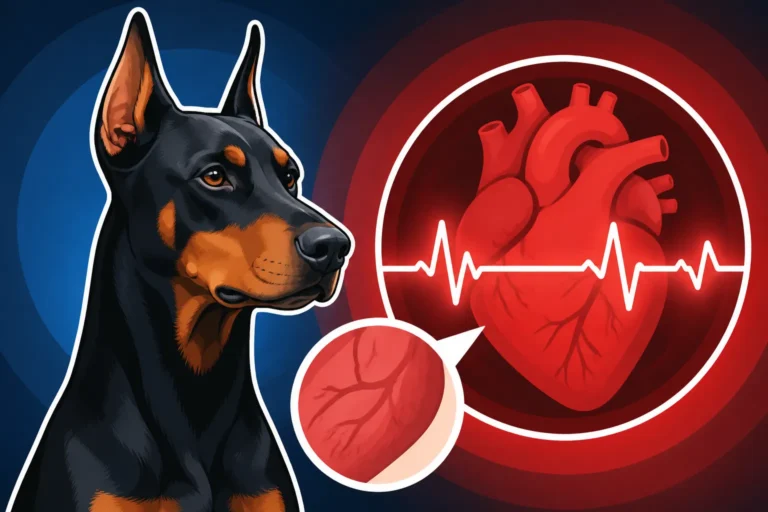
Without a doubt, Dilated Cardiomyopathy (DCM) stands as the single biggest threat to a Doberman's lifespan. It's a devastating heart condition where the heart muscle becomes thin and weak, leading to an enlarged heart that struggles to pump blood effectively. The scariest part about DCM is its insidious nature – it's often referred to as "the silent killer" because it can progress without any outward symptoms for years. Your Doberman might look completely healthy, full of energy, and thriving, while internally, their heart is slowly failing. This is a profound frustration for owners, as dogs often collapse or experience sudden death before showing any obvious signs of illness. For a deeper dive, read about The Heart Disease That Reaches Most Dobermans.
The genetic component of Doberman DCM is significant and complex. There are two known gene mutations (DCM1 and DCM2) that have been identified, and while testing for these can provide valuable information, a Doberman can still develop DCM even if they test clear for these specific markers. This adds another layer of complexity and worry for owners, reinforcing the need for ongoing vigilance. The initial "occult" phase, where the heart changes are detectable by echocardiogram and Holter monitor but show no clinical signs, can last for years. Understanding Why a Doberman Heart Fails Before Anyone Notices is crucial for proactive management. Once clinical signs appear, such as coughing, lethargy, or fainting spells, the disease is often in its more advanced stages, making treatment more challenging. This is where investing in pet insurance from a provider like Healthy Paws early in your Doberman’s life can be a game-changer, potentially covering the extensive diagnostic tests, specialist consultations, and lifelong medications needed to manage this devastating condition.
Wobbler Syndrome and Spinal Concerns
Another serious condition that can severely impact a Doberman’s quality of life and, in severe cases, its longevity, is Wobbler Syndrome, also known as Cervical Spondylomyelopathy (CSM). This neurological condition affects the cervical (neck) spine, where compression of the spinal cord and/or nerve roots leads to an unstable, wobbly gait, particularly in the hind limbs. Imagine trying to walk on uneven ground with numb feet – that’s a bit like what a Doberman with Wobbler Syndrome experiences. Owners often notice their dog scuffing their nails, dragging their feet, or having difficulty coordinating their movements, especially after rest.
The onset of Wobbler Syndrome typically occurs in middle-aged Dobermans, though it can appear earlier or later. It’s a painful and often progressive disease. Diagnosis usually involves advanced imaging like an MRI to pinpoint the exact location and severity of the spinal compression. Treatment options range from conservative management with anti-inflammatory medications and strict rest to complex surgical interventions aimed at decompressing the spinal cord. However, surgery can be incredibly costly, carries risks, and doesn't always guarantee a full recovery. Understanding Wobbler Syndrome in the Doberman is vital for early recognition and management to preserve as much mobility and comfort as possible for your dog.
Von Willebrand Disease and Bleeding Disorders
Dobermans are disproportionately affected by Von Willebrand Disease (vWD), a common inherited bleeding disorder. This condition results from a deficiency in von Willebrand factor, a protein necessary for normal blood clotting. For owners, this means that even minor cuts, scrapes, or routine procedures like nail trims can lead to excessive, prolonged bleeding. More seriously, it poses a significant risk during surgeries, dental cleanings, or if your Doberman experiences an injury that requires medical intervention. The anxiety of knowing your dog might bleed uncontrollably from a seemingly small issue is a constant worry.
Thankfully, there's a DNA test available to determine if your Doberman is clear, a carrier, or affected by vWD. This test is highly recommended, especially before any surgical procedure, to allow your veterinarian to take necessary precautions. Knowing your dog's status allows you to inform any veterinary professional who will be performing procedures, enabling them to have blood products on hand or administer a medication like desmopressin, which can temporarily increase von Willebrand factor levels. Learning about The Bleeding Disorder Almost Every Doberman Line Carries and getting The Von Willebrand DNA Test for Dobermans are crucial steps for responsible Doberman ownership.
Other Significant Health Challenges
Beyond these major concerns, Dobermans are also prone to several other serious health issues that can impact their lifespan and quality of life. Cancer, unfortunately, is a leading cause of death in many dog breeds, and Dobermans are no exception. They can develop various types, including osteosarcoma (bone cancer), lymphoma, and hemangiosarcoma. Early detection through regular veterinary check-ups and being vigilant about any new lumps, limps, or changes in behavior is paramount. Further insights into this can be found in Cancer Types That Reach Dobermans.
Bloat, or Gastric Dilatation-Volvulus (GDV), is another acute, life-threatening emergency common in deep-chested breeds like the Doberman. This terrifying condition occurs when the stomach fills with gas and twists, cutting off blood supply and leading to rapid shock and death if not treated immediately. Symptoms include unproductive retching, distended abdomen, and restlessness. Knowing Why a Doberman's Narrow Deep Chest Twists and recognizing the signs are critical; every minute counts. Prophylactic gastropexy, a surgical procedure to tack the stomach to the abdominal wall, is often recommended, especially if your Doberman is already undergoing another abdominal surgery like spaying or neutering. Managing the costs associated with these emergencies, whether it's surgery for bloat or cancer treatments, is another area where pet insurance from a company like Healthy Paws can provide immense relief and allow you to make decisions based on your Doberman's health, not just your wallet.
Hypothyroidism, an underactive thyroid gland, is also quite common in Dobermans. While not immediately life-threatening, if left untreated, it can lead to a host of problems including lethargy, weight gain, skin issues, and coat loss. Thankfully, it's easily managed with daily oral medication, and proper treatment can significantly improve your Doberman's quality of life.
Proactive Measures to Maximize Your Doberman's Life
While some health challenges are undeniably tied to genetics, there's a lot you can do as a dedicated Doberman owner to give your dog the best possible chance at a long, healthy life. It requires a proactive mindset, a commitment to regular veterinary care, and an understanding of their unique needs. Think of it as being your Doberman's health advocate, constantly striving to minimize risks and optimize their well-being.
Importance of Early and Regular Health Screening
When it comes to Dobermans, early and regular health screening isn't just a recommendation; it's a necessity. For DCM, this means annual cardiac screenings, typically starting around two years of age. A comprehensive screening includes an echocardiogram, which uses ultrasound to visualize the heart's structure and function, and a 24-hour Holter monitor, which records the heart's electrical activity over a full day. The Holter is especially crucial for detecting arrhythmias (irregular heartbeats) that might not be present during a brief echo appointment. Knowing The Age to Start Screening a Doberman's Heart is vital for establishing a routine. Consistent Annual Echo and Holter Screening for a Doberman can detect DCM in its occult phase, potentially allowing for earlier intervention with medications like pimobendan that can slow disease progression and significantly improve quality of life.
Beyond cardiac health, regular blood work, including thyroid panels, is important. Annual physical exams, checking for any unusual lumps or changes in gait, are also crucial. For breeds prone to vWD, genetic testing should be done as early as possible. While these screenings can add up, especially if you have to visit a specialist like a veterinary cardiologist, they are an investment in your Doberman’s future. This proactive approach not only helps catch potential issues early but also gives you peace of mind, knowing you're doing everything you can. Again, pet insurance plans from providers like Healthy Paws can be instrumental in managing the costs of these critical annual screenings and any subsequent treatments.
Nutritional and Lifestyle Considerations
Feeding your Doberman a high-quality, balanced diet specifically formulated for large breeds is paramount. Look for reputable brands that have undergone AAFCO feeding trials. Avoid overfeeding, as maintaining a lean body condition is critical. Excess weight puts undue strain on joints and the cardiovascular system, which is particularly risky for Dobermans. You should be able to easily feel your Doberman's ribs without seeing them sharply defined, and they should have a discernible waist when viewed from above. Learn more about Feeding an Eighty-Pound Doberman Well to ensure they get the right nutrients without becoming overweight.
Exercise should be consistent and appropriate for their age and health status. Dobermans are active dogs that thrive on daily walks, runs, and mental stimulation. However, if your Doberman has been diagnosed with DCM, your veterinarian or cardiologist will advise on activity restrictions. Avoid extreme bursts of activity, especially in hot weather, and always ensure access to fresh water. Mental enrichment through training, puzzle toys, and interactive games is just as important as physical exercise for this intelligent breed. Providing proper dental care, including regular brushing and professional cleanings as needed, also contributes to overall health, as poor oral hygiene can lead to systemic infections.
Choosing a Responsible Breeder
The foundation of a healthy Doberman begins with responsible breeding practices. When looking for a Doberman puppy, selecting a breeder who is transparent about the health of their breeding stock is non-negotiable. A responsible breeder will conduct extensive health testing on both parent dogs, not just for the Doberman-specific issues but for general canine health as well. This includes annual Holter monitoring and echocardiograms for DCM, thyroid testing, Von Willebrand Disease (vWD) genetic testing, and often hip and elbow evaluations (OFA or PennHIP). They should be willing to show you verifiable results for these tests, not just tell you they were done.
A good breeder will also be knowledgeable about the health history of their lines, willing to discuss potential predispositions, and offer a health guarantee. They won't breed dogs simply because they have titles or a "unique" color. They prioritize health, temperament, and longevity. Educating yourself on The Health Testing a Doberman Breeder Must Show is crucial before bringing a puppy home. While it’s impossible to guarantee a Doberman will never develop health problems, choosing a puppy from health-tested parents significantly reduces the risk and gives your new companion the best possible start in life.
Understanding the Different Life Stages of a Doberman
Just like humans, Dobermans go through distinct life stages, each with its own set of developmental milestones and health considerations. Recognizing these stages and adapting your care accordingly can significantly contribute to their overall well-being and, hopefully, help them reach the upper end of that nine to twelve year lifespan.
Puppyhood to Adolescence (0-2 years)
The Doberman puppy stage is a whirlwind of growth, learning, and boundless energy. They grow incredibly fast, sometimes seemingly overnight, going from a tiny bundle to a gangly teenager in a blink. During this rapid growth phase, proper nutrition is absolutely critical. Feeding a high-quality large-breed puppy food helps ensure they get the right balance of nutrients to support bone and muscle development without growing too quickly, which can contribute to orthopedic problems. Early socialization is also paramount; exposing your Doberman puppy to a wide variety of sights, sounds, people, and safe dogs helps them develop into a confident, well-adjusted adult, reducing the likelihood of fear-based aggression or reactivity.
This is also the time for their initial veterinary visits, vaccination series, and preventative parasite control. While major health screenings for conditions like DCM usually don't start until two years of age, establishing a strong relationship with your veterinarian during puppyhood is essential. They can guide you on everything from diet to exercise appropriate for a growing Doberman, ensuring their joints are protected during their formative months.
Prime Adult Years (2-6 years)
These are often the golden years for a Doberman. They've usually filled out, their personalities are well-established, and they are typically at their physical and mental peak. This is the stage where their impressive athleticism and intelligence truly shine. Consistent exercise, advanced training, and plenty of mental stimulation are crucial to keep them happy and well-behaved. Many Dobermans excel in dog sports like obedience, agility, tracking, or protection work during these years, utilizing their natural drives and intelligence.
However, these are also the critical years when major health screenings for DCM become an annual necessity. Starting regular Holter and echocardiogram screenings at two years of age, or even earlier if recommended by your breeder or vet, is vital for catching the subtle, early signs of heart disease. This proactive monitoring during their prime adult years is your best defense against the "silent killer." This period is also when issues like Wobbler Syndrome might begin to manifest, so paying close attention to any changes in gait or demeanor is important. Truly, The Doberman Years When Everything Shows Up are often these adult years.
Senior Dobermans (7+ years)
As Dobermans enter their senior years, typically around seven years of age, you’ll start to notice subtle changes. Their energy levels might decrease, they might sleep more, their coat might thin slightly, and they may become a bit stiffer or slower to get up. This is a natural part of aging, but it also signals the need for increased vigilance and tailored care. Senior Dobermans often require more frequent veterinary check-ups, potentially twice a year, to monitor for age-related conditions. These check-ups might include comprehensive blood panels to assess organ function, especially kidneys and liver, and more frequent checks for arthritis.
Adapting their lifestyle is key: shorter, more frequent walks, a softer bed to cushion aging joints, and a diet specifically formulated for senior dogs can make a huge difference in their comfort. Unfortunately, DCM often progresses into its clinical stages during these later years, so ongoing cardiac monitoring is paramount. Managing chronic conditions like arthritis, hypothyroidism, or advanced heart disease becomes a primary focus. Providing comfort, love, and a peaceful environment is the greatest gift you can give your senior Doberman. It's during these challenging times that having pet insurance, such as Healthy Paws, can provide much-needed support for ongoing medical treatments, helping you ensure your beloved Doberman remains as comfortable and healthy as possible in their golden years.
Comparing Doberman Lifespan to Other Breeds
To put the Doberman's lifespan into perspective, here's a quick comparison with a few other popular dog breeds:
| Breed | Average Lifespan (Years) |
|---|---|
| Doberman Pinscher | 9 – 12 |
| Labrador Retriever | 10 – 12 |
| German Shepherd Dog | 9 – 13 |
| Golden Retriever | 10 – 12 |
| Rottweiler | 8 – 10 |
| Great Dane | 7 – 10 |
| Beagle | 12 – 15 |
| Poodle (Standard) | 12 – 15 |
| Australian Shepherd | 13 – 15 |
As you can see, Dobermans fall within the range of many large and giant breeds, which generally have shorter lifespans than smaller dogs. However, their specific genetic predispositions mean that the causes of their shortened lives are often concentrated around particular diseases like DCM, making proactive health management even more critical.
Disclaimer
The information provided in this guide is for general informational purposes only and is not intended as a substitute for professional veterinary advice, diagnosis, or treatment. Always seek the advice of your veterinarian or other qualified animal health provider with any questions you may have regarding a medical condition or the health and well-being of your Doberman.