Whether a Doberman With DCM Should Exercise
It's heartbreaking to learn your beloved Doberman has been diagnosed with Dilated Cardiomyopathy (DCM). One of the most common worries that immediately floods your mind, beyond the medication and the myriad of appointments, is how this diagnosis impacts their daily life – specifically, how much they can still run, play, and just be a Doberman. It’s a terrifying prospect to think that an activity they once loved could now be a danger, and finding the right balance can feel like walking a tightrope without a net. This guide aims to walk you through the nuances of exercise for a Doberman living with DCM, offering realistic advice and empathetic understanding.
Understanding Dilated Cardiomyopathy and Its Impact on Activity
Before we dive into exercise specifics, let's really grasp what DCM means for your Doberman's heart. This isn't just a minor issue; it's a progressive disease where the heart muscle becomes thin and weak. Imagine a balloon that's been overinflated and then deflated multiple times; it loses its elasticity and strength. That's essentially what happens to the ventricles of a Doberman's heart. They stretch and become flabby, unable to pump blood efficiently to the rest of the body. This diminished pumping capacity directly affects their ability to handle physical exertion.
When a healthy dog exercises, their heart rate increases, and it pumps more blood to meet the demands of working muscles. For a Doberman with DCM, this vital compensatory mechanism is compromised. Their weakened heart struggles to increase output sufficiently, leading to a backlog of blood in the lungs and other organs. This can quickly escalate into symptoms like breathlessness, weakness, and even collapse. It's why an innocent game of fetch or a strenuous hike, once joyous activities, can become incredibly risky, triggering acute heart failure. The frustrating part is that this disease can progress quietly, often showing no outward signs until it's quite advanced. Many owners are shocked when they realize Why a Doberman Heart Fails Before Anyone Notices, attributing their dog's occasional cough or slower pace to aging rather than a serious underlying condition.
The silent nature of DCM, particularly in its early, occult phase, makes it especially insidious. Your Doberman might still seem their usual energetic self, but internally, their heart is already remodeling and losing function. This is why proactive screening through tools like the Annual Echo and Holter Screening for a Doberman is so crucial, allowing us to catch the disease before clinical signs emerge. Understanding that the heart's ability to cope with stress – physical or emotional – is diminished is key to making informed decisions about exercise for your Doberman with DCM.
Tailoring Exercise to Your Doberman's DCM Stage
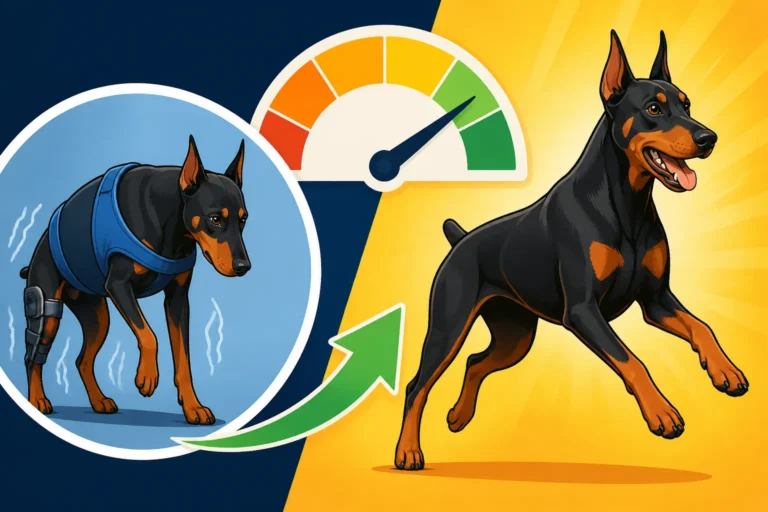
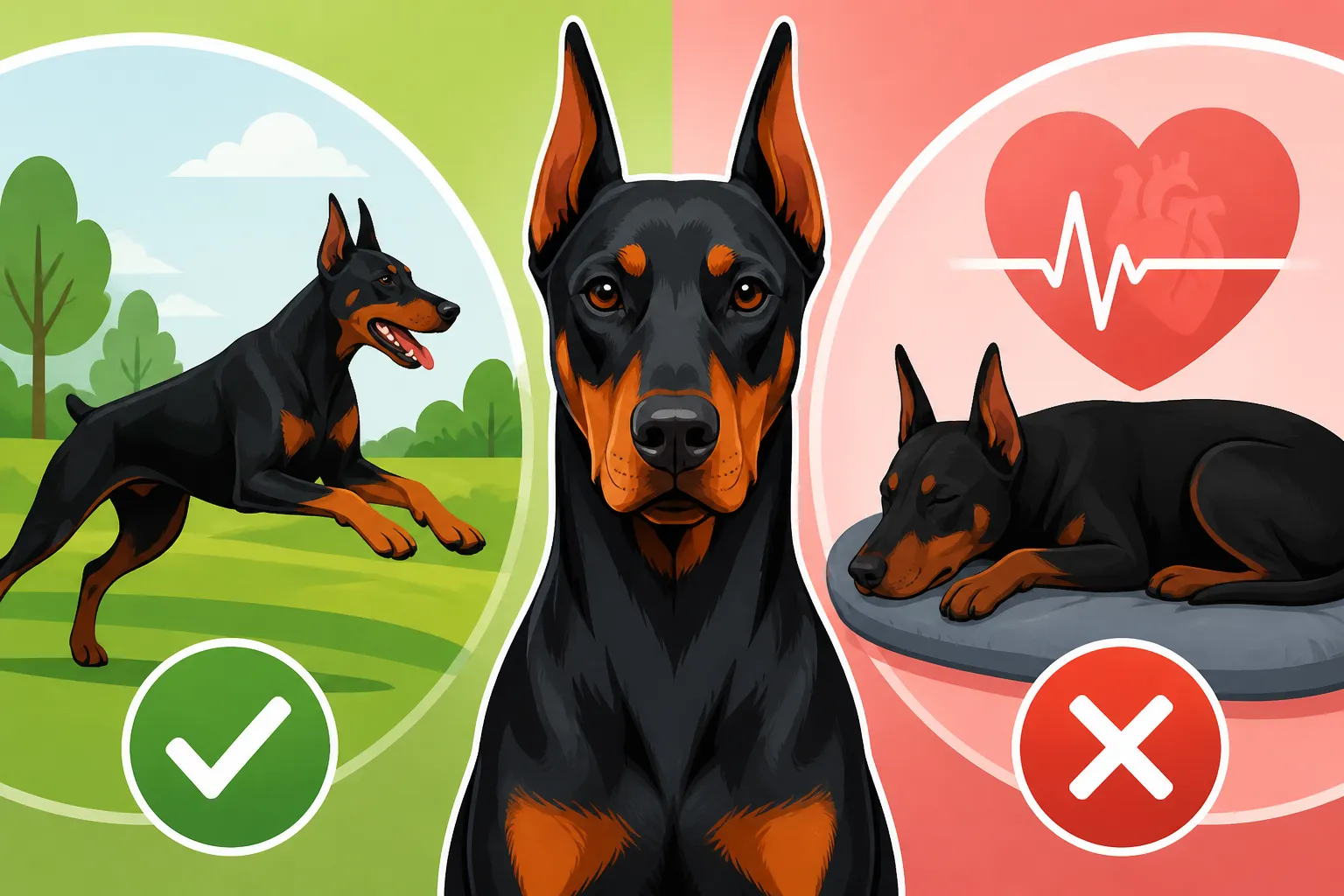
The question of whether a Doberman with DCM should exercise isn't a simple yes or no; it's a qualified "it depends entirely on the stage of the disease and individual response to treatment." Working hand-in-hand with your veterinary cardiologist is paramount to determining a safe and beneficial exercise regimen. What's appropriate for a dog in the occult phase could be life-threatening for one in advanced heart failure.
Exercise in the Occult (Asymptomatic) Phase
When a Doberman is diagnosed with DCM but isn't yet showing any clinical signs – what veterinarians call the occult phase – the approach to exercise is usually more lenient, but still cautious. Many Dobermans in this stage can maintain a relatively normal activity level, especially if they are already on preventative medications like Pimobendan, which can help support heart function. The goal here is to preserve muscle mass, maintain mental well-being, and prevent obesity, which would put additional strain on the heart.
During this phase, exercise often involves regular, moderate walks on a leash. Think quality over quantity. Instead of long, strenuous runs or intense games of fetch, focus on consistent, shorter walks multiple times a day. Monitor their energy levels closely. Are they keeping up without lagging? Are they recovering quickly? Avoid high-intensity activities that cause panting, excessive excitement, or rapid changes in pace, which can overtax the heart. For some Dobermans, especially those on early medication, this period can last for quite some time, giving them a good quality of life. The challenge is often remembering that while they look fine, their heart still has a condition that needs respect and monitoring, and understanding How a Doberman Heart Enlarges Before Symptoms even when they seem normal.
Exercise for Dobermans with Mild Clinical Signs
Once your Doberman starts to show mild clinical signs of DCM, such as a slight cough after exertion, reduced stamina, or needing more rest, exercise recommendations become much stricter. This typically means the heart's pumping efficiency has significantly declined, and fluid might be starting to accumulate in the lungs or abdomen. The focus shifts dramatically from maintaining normal activity to preventing cardiac crises and ensuring comfort.
At this stage, your Doberman's exercise should be strictly limited to short, slow, leashed walks for potty breaks only. The emphasis is on gentle movement and avoiding any activity that might trigger a symptom. This means no running, no jumping, no intense play with other dogs, and absolutely no off-leash excursions where they might suddenly chase a squirrel or sprint across the yard. Even emotional excitement can put a strain on their heart, so try to keep their environment calm and predictable. It’s a tough adjustment for both dog and owner, especially for a breed as active and intelligent as the Doberman. Pet owners often struggle with the thought of their once-vibrant companion having such restricted movement, but it’s a necessary step to prolong their comfort and life. Many find support in pet insurance like Healthy Paws, knowing that the frequent vet visits and medication costs are partially covered, allowing them to prioritize their Doberman's health without added financial stress.
Exercise in Advanced Heart Failure
For Dobermans in advanced stages of DCM, exercise is usually contraindicated except for essential movements. This means their heart is severely compromised, and they are likely experiencing significant symptoms such as persistent coughing, difficulty breathing, profound weakness, or even episodes of A Doberman That Faints on a Walk. At this point, the priority is absolute comfort and minimizing any strain on their fragile heart.
Exercise will be limited to very brief, supervised excursions solely for toileting. If even these short walks cause labored breathing or extreme fatigue, then carrying them outside for quick relief might be necessary. The goal is to avoid any exertion that could precipitate an acute decompensation or sudden death. Providing comfortable, easily accessible bedding, keeping food and water bowls close by, and maintaining a calm, quiet home environment become central to their care. This is a profoundly difficult time for Doberman owners, witnessing their strong, athletic dog so weakened. Your veterinary team, particularly your cardiologist, will provide specific guidance, often adjusting medications frequently to manage symptoms and improve their quality of life for as long as possible. Understanding the difficult decisions involved in Deciding When a Doberman With DCM Has Had Enough is part of the painful reality of this stage.
Recognizing Signs Your Doberman's Exercise Needs Adjustment
One of the hardest parts of managing DCM is that Dobermans are incredibly stoic animals. They often try to hide their discomfort, a trait that stems from their protective and resilient nature. This means owners must be extra vigilant and learn to recognize subtle signs that their dog is struggling, especially during or after activity. These signs are often the heart's cry for help, indicating that the current exercise level is too much or that the disease has progressed.
Common Warning Signs to Watch For
The most critical signs to look out for are those related to cardiovascular distress. These aren't just minor quirks; they are indicators that your Doberman's heart is struggling to keep up.
- Excessive Panting or Labored Breathing: While some panting is normal after activity, observe if it's disproportionate to the effort exerted, prolonged, or sounds raspy. If your Doberman is panting heavily after a short, slow walk, or struggling to catch their breath, it's a huge red flag. This often points to fluid accumulation in the lungs, a symptom of congestive heart failure. This is often described as Coughing and Breathlessness in a Doberman.
- Persistent Coughing: A soft, hacking cough, especially after waking up, eating, drinking, or during/after exercise, can be a sign of fluid building up in the lungs, irritating the airways. It can sometimes sound like they are trying to clear their throat. Don't dismiss it as just a "kennel cough" or allergy if your Doberman has DCM.
- Lethargy and Reduced Stamina: If your Doberman is suddenly less interested in walks, tires more quickly, or needs to lie down frequently during activities they once enjoyed, their heart may be struggling. A dog that used to jog for miles now only wants to stroll around the block before heading back inside is showing a clear change in stamina.
- Weakness or Exercise Intolerance: This goes beyond simple tiredness. You might notice them wobbling, stumbling, or even collapsing during or after activity. This is extremely serious and indicates the brain and muscles aren't getting enough oxygen-rich blood. An episode where A Doberman That Faints on a Walk requires immediate veterinary attention.
- Changes in Gum Color: Healthy gums should be pink and moist. If they appear pale, bluish, or purplish (cyanotic), it indicates poor oxygenation, which is a medical emergency. Check their gums during and after exertion, especially if you suspect they are struggling.
- Abdominal Distension (Bloating): While less directly related to immediate exercise, fluid accumulation in the abdomen (ascites) can be a sign of right-sided heart failure. If you notice their belly looking swollen or feeling tight, it's a symptom that requires veterinary assessment, and certainly indicates no strenuous activity is appropriate.
What to Do If You See Warning Signs
If you observe any of these symptoms, especially a combination of them, it's crucial to act immediately. First, stop all physical activity and allow your Doberman to rest in a cool, quiet place. Contact your veterinary cardiologist or emergency vet clinic without delay. These signs often mean that your Doberman's heart is no longer coping with its current medication regimen or the disease has progressed. Prompt intervention can make a significant difference in their prognosis and comfort.
It's also essential to keep a detailed log of these events – when they occurred, what your Doberman was doing, how long the symptoms lasted, and how they recovered. This information is invaluable for your vet to make informed decisions about adjusting medications, such as diuretics to reduce fluid, or other heart-supporting drugs. Remember, managing DCM is a dynamic process that requires constant observation and adaptation.
Working With Your Vet and Managing Expectations
Living with a Doberman diagnosed with DCM is an emotional rollercoaster, and navigating their exercise needs is a huge part of that. It's not just about managing a disease; it's about preserving the quality of life for a cherished family member. This journey absolutely requires a strong partnership with your veterinary team, particularly a board-certified cardiologist.
The Indispensable Role of a Veterinary Cardiologist
While your primary care veterinarian is a vital resource, a Doberman with DCM truly benefits from the expertise of a veterinary cardiologist. These specialists have advanced training in diagnosing and managing heart diseases. They can interpret complex diagnostics, recommend the most effective medications and dosages, and provide precise guidance on activity levels. They understand the nuances of the disease in Dobermans, including specific genetic predispositions like The DCM1 Gene Test Explained for Doberman Owners or The DCM2 Titin Variant in Dobermans, and can tailor a management plan that's specific to your dog's condition.
Your cardiologist will typically perform regular check-ups, which include echocardiograms to assess heart function and size, and Holter monitoring to detect arrhythmias. Based on these findings, they will advise you on safe exercise boundaries. This might mean incrementally increasing or decreasing activity as your Doberman's condition changes. For instance, if The Age Doberman Heart Disease Usually Starts and they are diagnosed early in the occult phase, they might have more leeway initially, but that can change rapidly. Don't hesitate to ask them explicit questions about what activities are safe and what to avoid. A good specialist will understand your desire to keep your Doberman active while prioritizing their health.
Adapting Your Lifestyle and Managing Expectations
It's crucial to accept that your Doberman's life will likely change significantly after a DCM diagnosis, and your lifestyle will need to adapt as well. If your Doberman was previously a jogging partner or an agility star, those activities are almost certainly off the table. This can be incredibly difficult, as you mourn the loss of shared activities and the vitality your dog once possessed. Allow yourself to feel that grief, but then focus on the new ways you can enrich their life within their physical limitations.
Here are some ways to adapt:
- Short, Frequent Leashed Walks: As discussed, these are the cornerstone of exercise for Dobermans with DCM. Focus on sniffing opportunities and mental stimulation rather than speed or distance. Explore new, quiet routes to keep things interesting.
- Mental Stimulation: Since physical activity is restricted, mental enrichment becomes even more important. Puzzle toys, KONGs stuffed with treats, scent work games (like hiding treats around the house), and gentle trick training can keep their minds engaged without taxing their heart. Dobermans are highly intelligent; they thrive on having a job to do, even if it's a calm one.
- Comfort and Routine: Establish a predictable daily routine to minimize stress and excitement. Ensure they have comfortable, easily accessible resting spots. For a breed with little body fat, a quality orthopedic bed is essential for joint comfort, especially as they spend more time resting.
- Monitor Weight: Keeping your Doberman at a healthy weight is vital to reduce strain on their heart. Work with your vet to determine the appropriate caloric intake, especially if their activity level has decreased. For this, it's good to consider their specific nutritional needs, like avoiding Whether Grain-Free Food Adds to Doberman DCM or ensuring they get Taurine and Carnitine for a Doberman Heart.
- Emergency Preparedness: Have an emergency plan in place. Know the signs of an acute crisis, the contact information for your cardiologist and emergency clinic, and consider carrying a mobile phone with you on walks in case your Doberman needs immediate assistance. Having robust pet insurance coverage, like a plan from Healthy Paws, can provide significant peace of mind when facing Emergency Vet Fees for a Collapsing Doberman or managing The Yearly Heart Bill for a Doberman. Being financially prepared means you can always make decisions based on your Doberman's health, not just your wallet. For many, investigating Insuring a Doberman Before the Heart Turns is a critical step in responsible ownership.
This journey with a Doberman with DCM is challenging, but by understanding the disease, working closely with your vet, and adapting your expectations, you can still provide a loving, comfortable, and fulfilling life for your cherished companion. Focus on the joy in the quieter moments, the gentle snuggles, and the undeniable bond you share.
| DCM Stage | Recommended Exercise | Activities to Avoid | Key Monitoring Points |
|---|---|---|---|
| Occult (Asymptomatic) | Moderate, regular leash walks (20-30 min, 1-2x daily) | High-intensity running, intense fetch, agility, strenuous hikes | Energy levels, recovery time, occasional cough, any changes in breathing post-exercise |
| Mild Clinical Signs | Short, slow leash walks for potty breaks (5-10 min, 3-4x daily) | Any running, jumping, intense play, stairs, high excitement | Panting, coughing, lethargy, difficulty breathing, changes in stamina |
| Advanced Heart Failure | Very brief, supervised potty breaks; minimal movement only | All physical activity beyond essential toileting | Persistent severe coughing, labored breathing, collapse, extreme weakness, gum color |
Disclaimer
The information provided in this article is for general informational purposes only and is not intended as a substitute for professional veterinary advice, diagnosis, or treatment. Always seek the advice of your veterinarian or other qualified animal health provider with any questions you may have regarding a medical condition or treatment plan for your Doberman.