The DCM3 and DCM4 Doberman Variants From Europe
As Doberman owners, we often feel like we’re walking a tightrope, constantly vigilant about our beloved dogs’ health, especially when it comes to the specter of Dilated Cardiomyopathy (DCM). It’s an agonizing reality that this breed is disproportionately affected, and the scientific understanding of it seems to evolve constantly, leaving many of us feeling overwhelmed and confused. This guide aims to shed light on some of the newer, less commonly discussed genetic factors: the DCM3 and DCM4 variants, which primarily originate from European Doberman lines, helping you understand their significance and what they mean for your Doberman's future.
Understanding Dilated Cardiomyopathy Beyond DCM1 and DCM2
For years, many Doberman owners and even some veterinarians have focused primarily on DCM1 and DCM2 genetic variants when discussing Doberman heart health. These two markers, found through various genetic testing panels, certainly play a significant role in the predisposition to Dilated Cardiomyopathy. We’ve become accustomed to the idea that a Doberman testing positive for one or both of these genes might be at a higher risk, driving decisions about breeding and proactive screening. However, the world of canine genetics is far more complex than a couple of known markers, and assuming these are the only pieces of the puzzle can lead to a false sense of security or, conversely, undue panic.
The heartbreaking truth is that many Dobermans still develop DCM even if they test clear for the established DCM1 and DCM2 mutations. This painful reality highlights a crucial point: DCM is a polygenic disease, meaning it's influenced by multiple genes, not just one or two. Environmental factors, diet, and other unknown genetic predispositions also play a part. This ongoing research is why we continue to hear about new discoveries and variants, each adding another layer to our understanding of this devastating condition. It’s a constant race against time and disease, and staying informed is one of the best tools we have.
The Silent Threat of Doberman DCM
The insidious nature of Doberman DCM is one of its most frustrating aspects. Unlike many illnesses that present with obvious symptoms early on, DCM often progresses silently for years, a period known as the "occult phase." Your energetic, happy Doberman might be developing significant heart changes without showing any outward signs of illness. This hidden progression is why conditions like The Heart Disease That Reaches Most Dobermans are so devastating, often leading to sudden collapse or death before symptoms like coughing, lethargy, or breathlessness even become apparent. It's a cruel trick of nature that our dogs can appear perfectly healthy right up until their heart can no longer compensate.
This silent progression means that by the time you notice your Doberman slowing down, coughing, or experiencing fainting spells, the disease is often in its advanced stages, making treatment more challenging and prognosis less favorable. This is the period when many owners scramble to understand why their seemingly healthy dog is suddenly so ill, often feeling immense guilt for not recognizing the signs sooner, even when there were none to see. It’s not your fault; it’s the nature of this particular beast.
Why New Variants Are Important for Doberman Owners
Understanding new genetic variants like DCM3 and DCM4 is critical because it helps paint a more complete picture of a Doberman's genetic risk. While DCM1 and DCM2 are important, they don't account for all cases of DCM. Ignoring other potential genetic factors, especially those more prevalent in certain lines, would be like trying to solve a puzzle with half the pieces missing. For instance, if you have a Doberman from a European lineage, focusing solely on the American-prevalent DCM1 and DCM2 might give you an incomplete risk assessment.
Every new variant identified, though it might add to the initial complexity, brings us closer to a more accurate understanding of individual risk. This knowledge empowers owners to make more informed decisions about health screening, dietary considerations, and even breeding choices. It acknowledges that the Doberman breed is not a monolithic entity, and genetic predispositions can vary significantly depending on their ancestral lines and geographical origins. It’s a step towards personalized canine medicine, offering hope for earlier intervention and, hopefully, a better quality of life for our dogs.
The European Connection: Unpacking DCM3 and DCM4
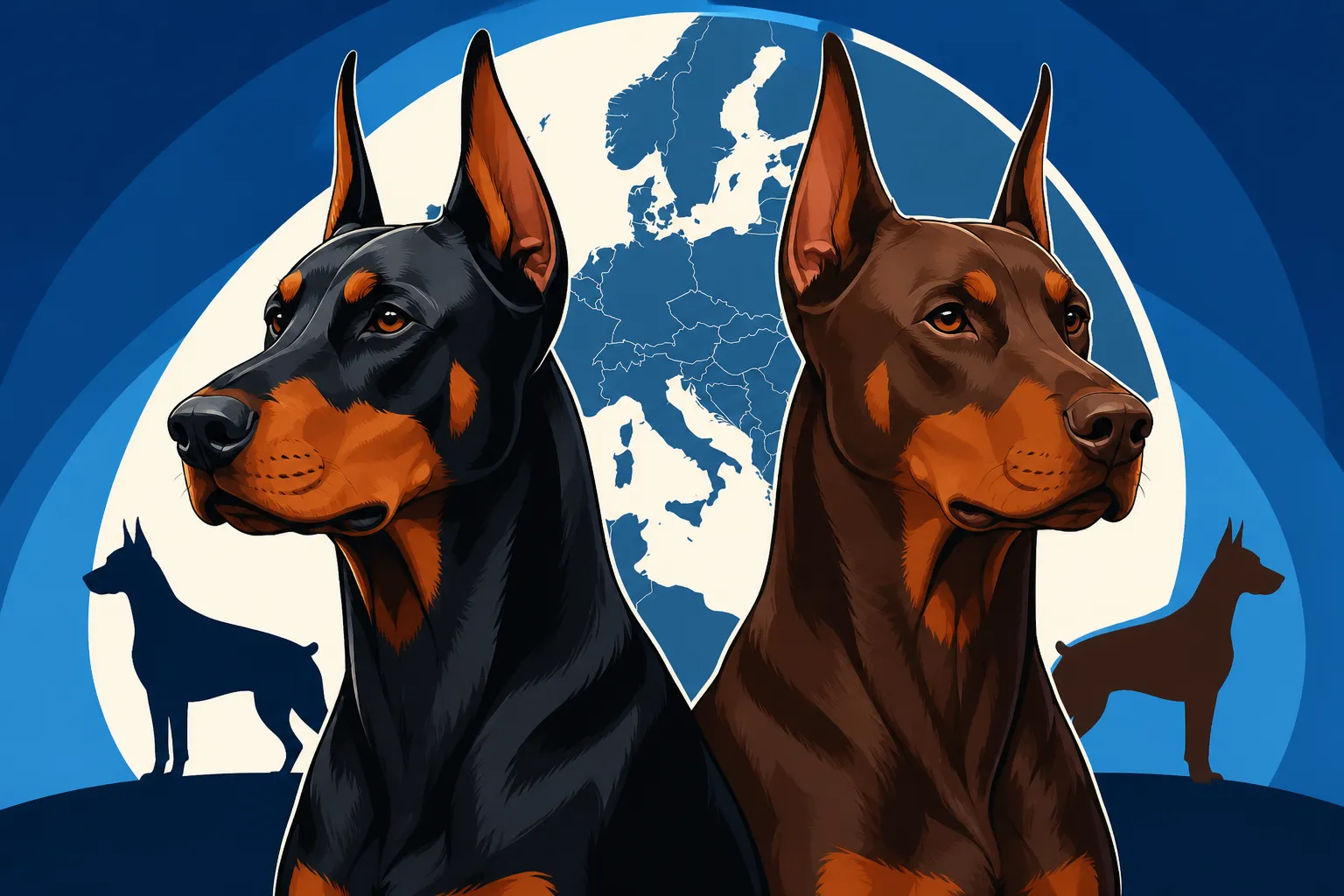
When we talk about DCM3 and DCM4, we're specifically delving into variants that have primarily been identified and researched within European Doberman populations. This geographical distinction is important because Doberman lines in Europe and America have, over time, developed somewhat independently, leading to different genetic prevalences for various health conditions. Owners of European Dobermans or those with mixed American and European lineage need to be particularly aware of these additional genetic markers, as standard testing panels in the U.S. might not always include them.
The distinction between Why European and American Doberman Rates Differ when it comes to certain diseases, including DCM, is a crucial part of understanding these variants. Breeders in Europe have historically focused on different aspects, often emphasizing working ability and a slightly heavier build, which can influence the genetic landscape of their dogs. This divergence means that while DCM is a global concern for the breed, the specific genetic pathways can vary.
Origins and Research Behind DCM3
DCM3, often associated with a mutation in the TTN gene (Titin), has garnered attention in European Doberman research as another significant risk factor for DCM. The TTN gene is massive and complex, playing a crucial role in cardiac muscle structure and function. Mutations within this gene can disrupt the heart's ability to contract effectively, leading to the dilated, weakened chambers characteristic of DCM. Research into TTN variants has been ongoing, particularly in Germany and other European countries, where Doberman breeders and researchers have been diligently working to identify additional genetic causes for the high incidence of DCM in their lines.
The identification of DCM3 highlights the continuous effort to pinpoint every possible genetic predisposition. While the TTN gene is also implicated in DCM2 (a different part of the same gene), DCM3 refers to distinct mutations that contribute to the disease. It's a reminder that even within the same gene, different specific changes can lead to the same devastating outcome. For owners, this means that even if their Doberman tests clear for the more commonly known DCM2 variant, there could still be other TTN mutations, like DCM3, that are silently at play. This complex genetic landscape underscores the need for comprehensive and up-to-date testing, rather than relying on a limited panel.
The Elusive Nature of DCM4
DCM4 is a bit more enigmatic. While often discussed in the context of European Doberman DCM, it's generally considered to be a collective term for other, as-yet-unidentified or less-studied genetic markers that contribute to DCM, beyond DCM1, DCM2, and DCM3. It represents the "unknown unknowns" in Doberman cardiac genetics. Think of it as a placeholder for the remaining percentage of Dobermans who develop DCM despite being clear of all currently identifiable genetic risk factors. This is why A Doberman That Tests Clear and Still Gets DCM is such a heartbreaking and common occurrence, driving researchers to look further.
The very existence of DCM4 points to the multifaceted nature of DCM. It's not just about one or two easily identifiable gene mutations. It's a syndrome influenced by a complex interplay of genetic, environmental, and perhaps even epigenetic factors. For breeders and owners, this elusiveness can be frustrating, as it means there's still a component of risk that current genetic tests can't fully quantify. It emphasizes the need for a holistic approach to Doberman health, combining genetic testing with rigorous cardiac screening and optimal care.
How These Variants Differ from American Lines
The primary difference between the DCM3 and DCM4 discussion and the more common DCM1 and DCM2 discourse in the US lies in their observed prevalence and the focus of research. While DCM1 (PDK4 gene mutation) and DCM2 (TTN gene mutation, specific variant) are widely discussed and tested for in North American Doberman lines, DCM3 and the broader concept of DCM4 are more frequently encountered in research and breeding programs originating from Europe. This is not to say that a Doberman in America couldn't carry DCM3, especially with imported lines becoming more common, but the initial research and prevalence are rooted in European populations.
This divergence means that genetic testing panels offered by labs may not always be comprehensive across the board. An American breeder might send samples to a lab that primarily tests for DCM1 and DCM2, while a European breeder might utilize a lab with a broader panel, including some of the TTN gene variants that are collectively or individually referred to as DCM3. This geographical difference in testing availability and focus can create gaps in our understanding of a Doberman’s complete genetic risk profile, especially for those with mixed ancestry. This is also why having a clear understanding of The Two Doberman DCM Gene Tests available and their limitations is so crucial.
| DCM Variant | Primary Gene Involved | Typical Region of Research/Prevalence | Known Impact/Nature |
|---|---|---|---|
| DCM1 | PDK4 | Predominantly American Dobermans | Increases risk of DCM, particularly earlier onset |
| DCM2 | TTN (specific variant) | Both American and European Dobermans | Increases risk of DCM, often later onset |
| DCM3 | TTN (other variants) | Predominantly European Dobermans | Increases risk of DCM, further TTN mutations |
| DCM4 | Unknown / Multiple | Predominantly European Dobermans | Placeholder for other unidentified genetic factors contributing to DCM |
What a Positive DCM3 or DCM4 Result Means for Your Doberman
Receiving any positive genetic test result for a condition like DCM can be incredibly anxiety-inducing. It's a moment when your heart sinks, and you immediately start wondering about your dog's future, how long you have, and what you need to do next. It’s important to remember that a positive genetic test for DCM3 or DCM4, much like DCM1 or DCM2, is a risk factor, not a definitive diagnosis of active heart disease. It means your Doberman carries a genetic predisposition, making them more likely to develop DCM at some point in their life, but it doesn't guarantee they will.
This nuance is often lost in the initial shock of the news. Many Dobermans with genetic markers for DCM live long, healthy lives without ever developing clinical signs, while others, unfortunately, succumb early. The genetic lottery is complex and cruel. However, having this knowledge is power, allowing you to be proactive rather than reactive. It empowers you to work closely with your veterinary team to monitor your Doberman's heart health vigilantly, giving you the best chance to intervene early if and when the disease begins to manifest.
Interpreting Your Doberman's Genetic Report
When you get a genetic report back, especially one that includes DCM3 or hints at other variants like DCM4, it's essential to understand exactly what you're looking at. Genetic reports can be dense, filled with scientific jargon, and often don't provide a clear "yes" or "no" answer regarding your dog's future. For instance, a report for DCM3 might specify the exact TTN gene mutation found, indicating a known risk factor. However, for DCM4, the report might be less definitive, perhaps stating "additional predisposition markers found" or simply acknowledging that not all DCM is accounted for by known tests.
It's crucial to discuss these results thoroughly with your veterinarian, ideally one who has experience with Dobermans and their unique health challenges. They can help you decipher the scientific language and translate it into practical implications for your specific dog. Remember that genetic tests for DCM are typically done using a simple cheek swab or blood sample. Labs like Embark or Canine HealthCheck (CHIC) offer panels, but you'll need to confirm which specific DCM variants they cover, especially if you're looking for European-specific markers. A positive result should prompt a conversation, not immediate despair. It's a data point to integrate into a comprehensive health plan.
Living with a Doberman Positive for European Variants
Living with a Doberman who tests positive for DCM3 or other European variants means embracing a heightened sense of vigilance and proactive care. It means accepting that your Doberman might fall into the category of How Many Dobermans Develop DCM despite all precautions, but also knowing you’re doing everything possible to mitigate the risk. This proactive approach includes regular cardiac screenings, even if your dog is showing no symptoms. Think of it as your early warning system.
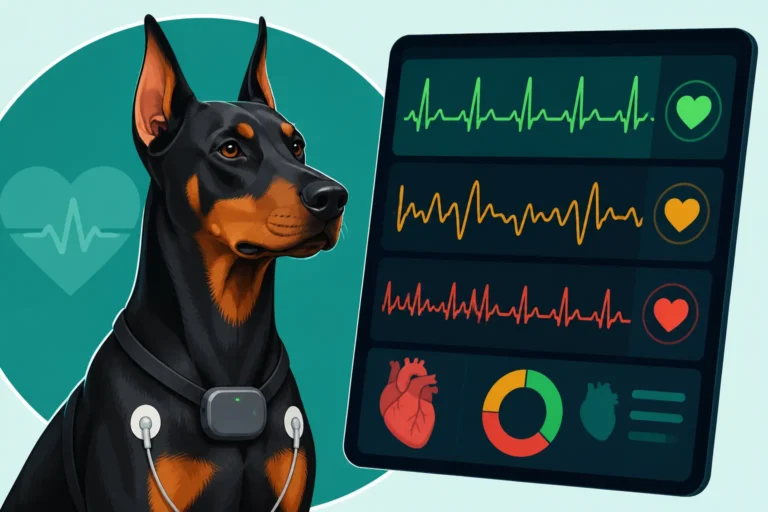
This usually involves annual (or even bi-annual for higher-risk dogs) echocardiograms and 24-hour Holter monitoring. An echocardiogram, performed by a veterinary cardiologist, provides a detailed ultrasound image of your Doberman's heart, allowing them to measure chamber sizes, wall thickness, and blood flow, catching subtle changes before they become significant. Holter monitoring, which involves your dog wearing a special vest that records their heart rhythm for a full day, helps detect irregular heartbeats (arrhythmias) that are often the first sign of DCM. Having these tests done regularly will help your vet establish a baseline and quickly spot any deviations. For many, pet insurance from companies like Healthy Paws can be a lifesaver, helping to cover the significant costs associated with these specialized cardiac diagnostics and any subsequent treatments.
The Role of Proactive Veterinary Care
Proactive veterinary care for a Doberman with DCM3 or DCM4 genetic markers is paramount. It's not just about waiting for symptoms; it's about actively monitoring their heart health to catch the disease in its earliest, most manageable stages. As discussed, this involves regular cardiac workups. Your vet might recommend starting these screenings earlier than for a Doberman with no known genetic risks. Typically, The Age to Start Screening a Doberman's Heart is around two to three years old, but for a genetically positive dog, your cardiologist might suggest earlier or more frequent screenings.
Beyond diagnostics, your veterinarian will discuss lifestyle management. This might include recommendations for specific diets, supplements like taurine and L-carnitine (though their efficacy for genetically predisposed Dobermans not yet showing deficiency is still debated), and careful management of exercise routines. The goal is to support heart health and minimize stress on the cardiovascular system. Being on top of these things means you can potentially extend the healthy, happy years you have with your Doberman, making every moment count. When it comes to managing the long-term costs of such care, a robust pet insurance plan can be invaluable, offering peace of mind to Doberman owners facing these potential health challenges.
Navigating Genetic Testing and Breeder Responsibility
The world of Doberman health testing can feel like a minefield. Between the various diseases, the evolving science, and the different testing labs, it's easy to get lost. When considering DCM3 and DCM4, the complexity only increases, especially given their specific ties to European lines. As responsible Doberman owners and prospective puppy buyers, it's vital to know what questions to ask and what information to seek to make informed decisions. This isn't just about protecting your own dog; it's about supporting ethical breeding practices that aim to improve the health of the entire Doberman breed.
The frustration often stems from the fact that not all breeders are equally transparent or diligent about health testing. It's not uncommon to encounter breeders who downplay the significance of certain tests or only perform the bare minimum. This is where your persistence and informed questioning become critical.
Finding Labs That Test for European Variants
The challenge with DCM3 and DCM4 is that not every genetic testing panel automatically includes these specific variants. Many popular commercial genetic tests, while excellent for identifying a broad range of genetic conditions, may still primarily focus on DCM1 and DCM2 if they are catering to a predominantly American market. If you have a Doberman from European lineage or are importing one, you'll need to specifically inquire about the scope of DCM genetic testing.
Some European labs or specialized canine genetic testing facilities might offer broader TTN gene sequencing or panels that are more comprehensive for European Doberman lines. It’s always best to contact the labs directly, such as Embark, Wisdom Panel, or sometimes even university veterinary genetic labs, and ask specific questions about their DCM panels, particularly if they include additional TTN gene variants beyond the standard DCM2 mutation. Don't be afraid to be specific – this is your dog's health we're talking about! Knowing Which Labs Run Doberman Heart Gene Tests can significantly help in your search.
Ethical Breeding Practices and Genetic Diversity
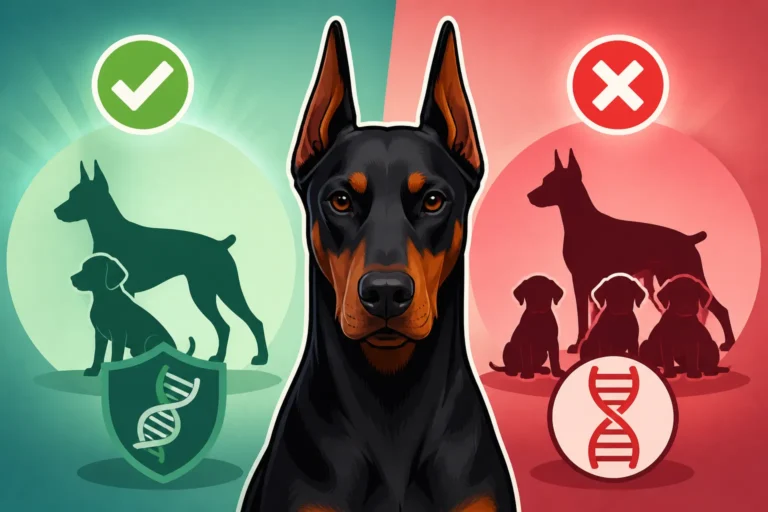
For breeders, the identification of DCM3 and the continued acknowledgment of DCM4 (as unknown risk factors) add another layer of responsibility. Ethical Doberman breeders are those who not only test for known genetic variants but also engage in thorough cardiac screening of their breeding stock through annual echocardiograms and Holter monitoring. They understand that a clear genetic panel for DCM1 and DCM2 is not a free pass, especially if their lines have European ancestry where DCM3 might be more prevalent. They are transparent about their dogs’ health histories, screening results, and genetic test results.
Moreover, responsible breeders strive to maintain genetic diversity within the breed, avoiding over-reliance on a few popular sires, which can inadvertently concentrate undesirable genes. They use genetic testing as a tool to make informed breeding decisions, aiming to reduce the incidence of DCM without excessively narrowing the gene pool. If you're looking for a puppy, always ask a breeder about The Health Testing a Doberman Breeder Must Show, including detailed cardiac screening results (echos and Holters) for both parents, going back several generations if possible. Don’t be shy about asking about specific DCM variants relevant to their lines.
The Bigger Picture: A Holistic Approach to Doberman Health
Ultimately, our understanding of Doberman health, particularly DCM, must be holistic. Genetic testing, while an invaluable tool, is just one piece of the puzzle. It informs us about predispositions, but it doesn't tell the whole story. Regular, proactive cardiac screening with a board-certified veterinary cardiologist remains the gold standard for early detection of DCM, regardless of genetic test results. An Annual Echo and Holter Screening for a Doberman is critical for all Dobermans, especially as they enter the years The Doberman Years When Everything Shows Up – typically from age three or four onwards.
Beyond genetics and screening, factors like diet, exercise, and stress management all contribute to a Doberman's overall well-being. Work closely with your veterinarian to ensure your Doberman receives the best possible care, tailored to their individual needs and genetic profile. And remember, advocating for your Doberman means staying informed, asking tough questions, and being prepared to provide the comprehensive care they deserve. This commitment, alongside the support of a good pet insurance policy like those offered by Healthy Paws, can help ensure your cherished Doberman has the longest, happiest, and healthiest life possible.
Disclaimer
This article is intended for informational purposes only and does not constitute professional veterinary advice. Always consult with a qualified veterinarian or veterinary cardiologist for any health concerns or before making any decisions about your Doberman's care, diet, or treatment.