Scuffed Nails on a Wobbler Doberman
It’s heartbreaking to watch your beloved Doberman start to struggle with movement, and when you begin noticing those tell-tale scuffed nails, it's a stark reminder that something isn't quite right. This seemingly small detail is often one of the earliest, most insidious signs that a Doberman suffering from Wobbler Syndrome is experiencing progressive neurological impairment. This guide will walk you through why those scuffed nails appear, what they truly signify, and how you can manage this challenging symptom to help your Doberman maintain comfort and quality of life.
Understanding Wobbler Syndrome and Its Impact on Gait
Wobbler Syndrome, medically known as Cervical Spondylomyelopathy (CSM), is a neurological condition primarily affecting large and giant breed dogs, with Doberman Pinschers being particularly predisposed. It’s a progressive disease that results from compression of the spinal cord and/or nerve roots in the neck region. This compression can be due to various issues, including disc herniations, bony abnormalities, or overgrown ligaments.
Imagine trying to walk normally when the signals from your brain to your feet are constantly interrupted or delayed – that's essentially what your Doberman experiences. Their legs might not know exactly where they are in space, or how much force to apply, leading to an uncoordinated, wobbly gait that gives the syndrome its common name. Owners often describe it as their dog "walking like they're drunk" or having a strange, exaggerated high-stepping movement, especially in the hind limbs, but the front limbs can be affected too. Recognizing The Age Doberman Wobbler Signs Appear is crucial for early intervention.
The Mechanics of Neck Compression and Nerve Damage
At its core, Wobbler Syndrome is a mechanical problem in the cervical spine. The Doberman's long neck, combined with genetic predispositions, makes them vulnerable to various forms of spinal cord compression. The spinal cord is a superhighway of nerves, transmitting crucial information between the brain and the rest of the body. When something like an unstable vertebra, a bulging disc, or thickened ligament pushes on this delicate cord, those signals get jammed.
This compression doesn't just block signals; it can also cause direct damage to the nerve fibers themselves. Over time, the sustained pressure leads to inflammation, demyelination (loss of the protective sheath around nerves), and even nerve cell death. This is why the symptoms often progress from subtle clumsiness to more severe neurological deficits. The specific location and severity of the compression dictate which limbs are affected and to what degree. For instance, compression closer to the head might impact all four limbs, while lower cervical compression might predominantly affect the hind legs, giving them that characteristic "wobble." It's a complex condition, and understanding Why Doberman Neck Vertebrae Compress the Cord helps grasp the gravity of the situation.
How a Doberman's Proprioception Is Affected
Proprioception is your dog's "sixth sense"—it's the unconscious awareness of their body's position and movement in space. Think of walking in the dark; you still know where your feet are without looking. This is proprioception at work. In Dobermans with Wobbler Syndrome, the nerve damage in the neck directly impairs these proprioceptive pathways. The brain struggles to receive accurate, real-time feedback from the limbs, particularly the paws.
This loss of proprioception means your Doberman might not lift their paws high enough, or they might not place them down precisely. They might drag their feet, stumble, or scuff their knuckles along the ground without even realizing it. This isn't laziness; it's a genuine neurological deficit. The hind legs are often more noticeably affected, leading to a wide-based, unbalanced stance, but the front legs can also show signs of instability. This impairment is a key reason why you start seeing those tell-tale scuffed nails, as the dog simply isn't picking up their feet correctly. It’s an unavoidable consequence when they are Living With a Doberman That Cannot Walk Straight.
Why Scuffed Nails Are a Red Flag for Wobbler Dobermans
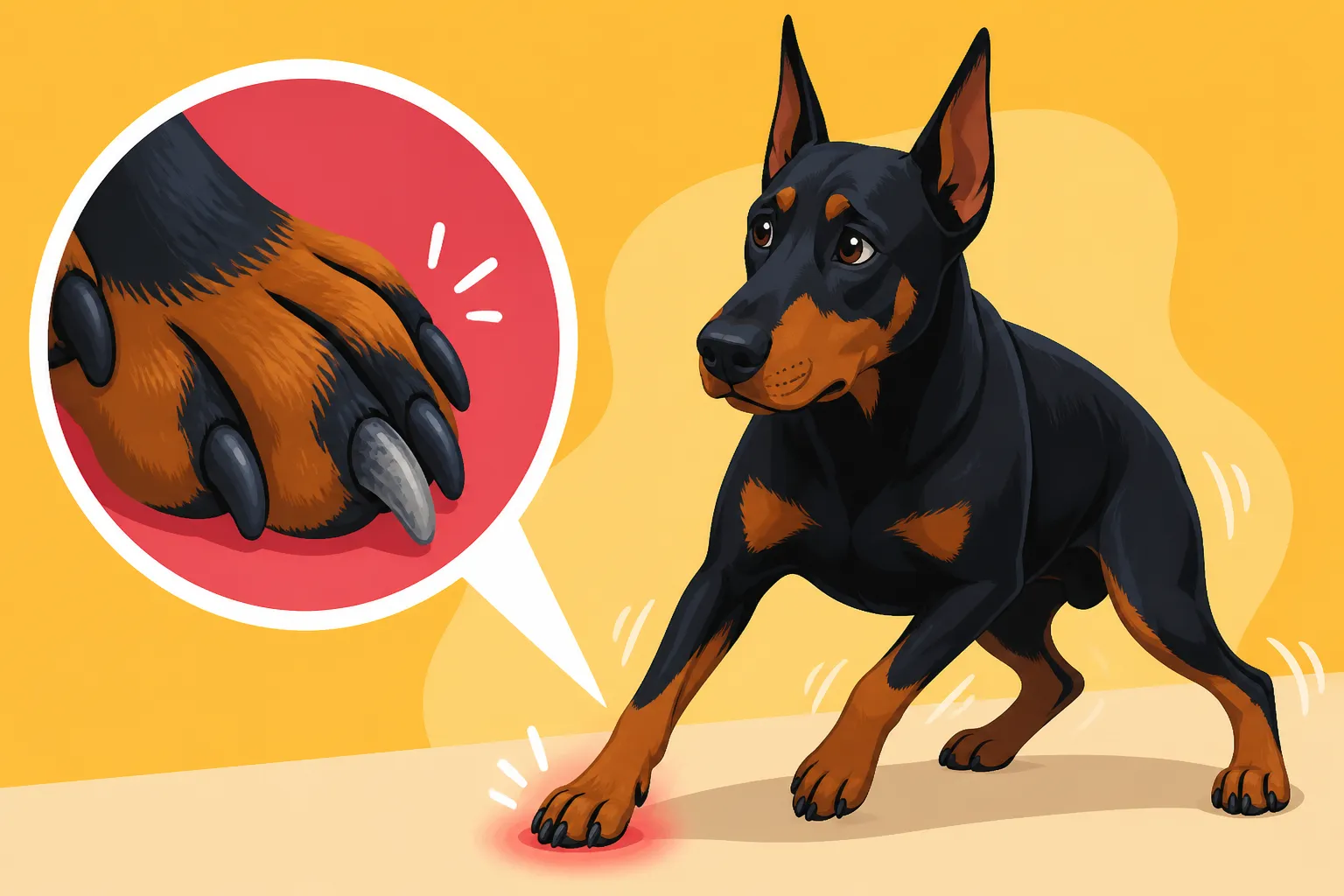
Scuffed nails, particularly on the dorsal (top) surface of the digits, are one of the most common and often earliest indicators of proprioceptive deficits associated with Wobbler Syndrome. While a healthy dog might occasionally scuff a nail if they stumble, persistent and noticeable scuffing or even bleeding from worn-down nails points directly to an underlying neurological problem. It’s a symptom that, once identified, should prompt immediate veterinary investigation.
This isn't just about cosmetic damage; it's a sign of ongoing trauma to the paw. Imagine walking around on the tops of your shoes all day – the constant friction and pressure can lead to pain, infections, and further mobility issues. For a Doberman, these scuffs mean they're not clearing their paws properly from the ground, signaling a significant issue with their gait and coordination.
Recognizing the Specific Wear Patterns on Nails
When dealing with a Doberman showing signs of Wobbler Syndrome, the pattern of nail wear is incredibly telling. You're not just looking for short nails; you're looking for specific types of damage. Typically, you'll see excessive wear, flattening, or even raw, bleeding areas on the top of the nails, particularly on the central digits. The nails might appear unusually short or blunted, especially compared to the nails on the unaffected limbs or historical photos.
Sometimes, the entire top of the nail will be worn down, revealing the quick, which can be incredibly painful and prone to infection. In severe cases, the skin on the top of the paw, around the knuckles, might also be raw or scraped, indicating that the dog is actually dragging their entire foot. This kind of specific damage is a strong indicator of impaired proprioception. Pay close attention to all four paws, as the pattern can vary depending on where the compression is occurring in the neck. Keeping a close eye on Doberman Nail, Ear and Tooth Care can help you spot these changes sooner.
Differentiating Scuffing from Normal Nail Wear
It’s important not to confuse Wobbler-related scuffing with normal nail wear or other issues. Healthy Dobermans, especially active ones, will naturally wear down the underside and tips of their nails through walking on various surfaces like pavement, gravel, and dirt. This normal wear helps keep nails shorter and prevents them from becoming overgrown. This type of wear is even, generally smooth, and doesn’t typically expose the quick or damage the top of the nail.
| Feature | Normal Nail Wear | Wobbler-Related Scuffing |
|---|---|---|
| Location of Wear | Underside and tips of nails, evenly distributed. | Top (dorsal) surface of nails, often the central digits. |
| Appearance | Smooth, blunted tips, sometimes slightly angled. | Flattened tops, rough, chipped, raw, or bleeding quick. |
| Associated Signs | Healthy paw pads, normal gait. | Uncoordinated gait, stumbling, dragging paws, raw knuckles. |
| Pain Level | Typically painless. | Can be very painful, leading to lameness or reluctance to walk. |
| Progression | Consistent with activity level, stable over time. | Progressive, worsening as neurological signs advance. |
Conversely, scuffing from Wobbler Syndrome involves the top of the nail. The nail might be completely flattened from being dragged against the ground, rather than worn from contact with the tip. This is often accompanied by other gait abnormalities such as an exaggerated high-stepping (ataxia) or a general lack of coordination. If you notice these specific signs, don't dismiss them. It's a critical clue to an underlying neurological problem that requires veterinary attention. Many pet insurance providers like Healthy Paws would consider this a symptom of an underlying condition that should be addressed promptly by a professional.
Practical Strategies for Managing Scuffed Nails and Supporting Gait
Managing scuffed nails in a Doberman with Wobbler Syndrome is a multi-faceted approach, focusing not just on the nails themselves, but also on supporting their compromised gait and preventing further injury. Since the underlying issue is neurological, these strategies aim to mitigate symptoms and improve comfort. This isn't a cure, but it's about making daily life as good as possible for your dog.
It’s crucial to partner with your veterinarian or a veterinary neurologist to tailor a plan specific to your Doberman's needs. Every dog's progression of Wobbler Syndrome is unique, so what works for one might need adjustments for another.
Regular Nail Care and Protective Measures
Consistent and careful nail care is paramount for a Doberman with scuffed nails. Because they aren't wearing their nails down naturally from the bottom, their nails can become overly long at the tips while still being painfully worn on top.
- Frequent Trimming: Keep nails as short as possible without quicking. This reduces the surface area that can be dragged and caught. If your Doberman is sensitive, use a dremel tool for a smoother, less jarring experience. Many Dobermans find the vibration less intimidating than clippers, and it allows for more gradual shortening.
- Paw Protection:
- Dog Boots: High-quality dog boots or paw protectors are an absolute game-changer. Brands like Ruffwear or Pawz (disposable rubber boots) can offer an excellent barrier against concrete, asphalt, and rough terrain. Look for boots with good traction and a secure fit that won't twist or fall off during walks. It might take some time for your Doberman to get used to them, so introduce them gradually with positive reinforcement.
- Toe Grips: These are small, non-slip rings that slide onto your dog's nails, providing immediate traction on slippery indoor surfaces and preventing splaying. They can be incredibly helpful for improving stability, though they don't protect the top of the nail from dragging.
- Nail Caps: While often used for indoor scratch protection, soft vinyl nail caps (like Soft Claws) can also provide a smooth, protective layer over the top of the nail, preventing further scuffing. These need to be professionally applied or you’ll need good instruction on how to do it yourself safely.
- Moisturizing and Healing: If nails are raw or exposed, keep the area clean and apply a veterinarian-approved topical balm or antibiotic ointment to prevent infection and promote healing. Your vet might recommend a medicated paw soak if irritation is severe.
Environmental Modifications and Mobility Aids
Adjusting your home environment can significantly improve your Doberman's safety and confidence, reducing the likelihood of falls and further injury.
- Non-Slip Surfaces: Hardwood floors, tile, and linoleum can be treacherous for a dog with an unsteady gait. Lay down non-slip rugs, carpet runners, or yoga mats in high-traffic areas, especially where your Doberman eats, drinks, or sleeps.
- Ramps and Stairs: Avoid stairs whenever possible. Use ramps for accessing cars, beds, or going up small sets of steps. This minimizes the risk of falls and reduces strain on their neck and joints.
- Harnesses with Handles: A supportive harness, particularly one with a handle over the back, is invaluable. This allows you to provide gentle support and stabilize your Doberman when they stumble, go up or down steps, or navigate uneven terrain. Brands like Ruffwear's Web Master Harness or Help 'Em Up Harness are designed for this purpose, offering excellent support.
- Elevated Bowls: Since looking down can exacerbate neck pain for some Wobbler dogs, using elevated food and water bowls can make meal times more comfortable.
- Soft Bedding: Provide thick, orthopedic bedding to cushion their joints and prevent pressure sores, especially if they are less mobile.
These modifications, combined with proper medication management such as Steroids and Rest for a Doberman Wobbler, can make a significant difference in their daily comfort.
Veterinary Interventions and Rehabilitation
Beyond immediate symptom management, your vet will discuss options for addressing the Wobbler Syndrome itself, which in turn will help with the scuffed nails.
- Medication: Anti-inflammatory drugs (NSAIDs or corticosteroids), pain medications, and muscle relaxants are often prescribed to manage pain and inflammation associated with the spinal cord compression.
- Physical Rehabilitation: A certified veterinary rehabilitation specialist can develop a tailored exercise program. This might include:
- Therapeutic Exercises: Gentle exercises to maintain muscle mass, improve balance, and strengthen core muscles.
- Hydrotherapy: Swimming or underwater treadmill therapy can provide a low-impact way for Dobermans to exercise and build strength without putting excessive strain on their joints or neck.
- Massage and Stretching: To improve circulation and maintain flexibility.
- Acupuncture: Some owners find acupuncture helpful for pain management and improving neurological function.
- Surgery: In some cases, surgical intervention may be considered to decompress the spinal cord. This is a major decision with significant risks and costs but can offer the best chance for long-term improvement, especially if conservative management isn't yielding results. You can read more about Surgery Against Management for Doberman Wobblers to understand the considerations. Pet insurance, such as a comprehensive policy from Healthy Paws, can be incredibly beneficial for covering a significant portion of these expensive treatments and rehabilitation costs, especially if enrolled before diagnosis.
When to Seek Veterinary Attention and What to Expect
Noticing scuffed nails on your Doberman is a definite sign that you need to schedule an appointment with your veterinarian as soon as possible. Don't wait for other, more severe symptoms to appear. Early diagnosis and management are key to improving your Doberman's prognosis and quality of life.
Your regular vet can perform an initial neurological exam, but be prepared for a referral to a veterinary neurologist for specialized diagnostics and treatment planning. This is a serious condition, and getting an expert opinion early on can make a world of difference.
The Importance of Early Diagnosis and Monitoring
Catching Wobbler Syndrome early is critical. The sooner you understand A Doberman That Wobbles on Its Back Legs and get a diagnosis, the more options you'll have for managing the condition and potentially slowing its progression. Early intervention can help prevent irreversible nerve damage and severe mobility issues.
When you bring your Doberman in, your vet will perform a thorough physical and neurological examination. They'll assess gait, reflexes, and proprioception. If Wobbler Syndrome is suspected, they will likely recommend advanced imaging.
- X-rays: While useful for ruling out other spinal issues, X-rays alone often aren't enough to definitively diagnose Wobbler Syndrome as they don't show soft tissue or spinal cord compression directly.
- MRI or CT Scan: These are the gold standard for diagnosing Wobbler Syndrome. Scanning a Doberman for a Compressed Neck using an MRI allows the neurologist to visualize the spinal cord and identify the exact location and nature of the compression, whether it's a disc, bone, or ligament. This detailed information is crucial for treatment planning. You can also dive deeper into What a Doberman MRI Shows for Wobblers.
- CSF Tap: In some cases, a cerebrospinal fluid (CSF) tap may be performed to rule out inflammatory or infectious causes of neurological signs.
After diagnosis, continuous monitoring is vital. This might involve regular vet check-ups, follow-up imaging, and close observation at home for any changes in gait, pain levels, or overall mobility.
Discussing Prognosis and Quality of Life with Your Vet
A diagnosis of Wobbler Syndrome can be devastating, and it’s natural to feel overwhelmed. Your veterinary neurologist will discuss the prognosis, which can vary widely depending on the severity of the compression, the specific type of Wobbler Syndrome, and whether surgical or conservative management is chosen.
It’s important to have an open and honest conversation about your Doberman's quality of life.
- Conservative Management: For mild to moderate cases, conservative management (medication, physical therapy, environmental modifications) can significantly improve comfort and slow progression. The goal is to manage pain and maintain as much mobility as possible.
- Surgical Intervention: For severe cases or those unresponsive to conservative treatment, surgery may be recommended. While surgery carries risks and requires extensive recovery, it often offers the best chance for significant improvement in neurological function. However, it's not a guaranteed fix, and some degree of residual neurological deficit may remain.
- Long-term Outlook: Wobbler Syndrome is often a progressive disease. Even with successful treatment, ongoing management and adaptation will likely be necessary. Some Dobermans can live a good quality of life for years with proper care, while others may experience more rapid deterioration. Understanding How Fast Doberman Wobbler Signs Progress can help prepare you.
Your vet will help you weigh the pros and cons of different treatment options, considering your Doberman’s age, overall health, and your family's financial and emotional resources. Making these decisions can be incredibly tough, but remember, you’re doing your best for your loyal companion. Many Doberman owners find solace and practical advice in support groups dedicated to the breed or to dogs with neurological conditions. Having a good pet insurance plan like Healthy Paws in place before a diagnosis can provide immense relief, allowing you to focus on treatment without the added stress of overwhelming vet bills.
Disclaimer
The information provided in this article is for educational purposes only and is not a substitute for professional veterinary advice. Always consult with a qualified veterinarian or veterinary specialist for any health concerns or before making any decisions about your Doberman's medical care.