Where a Surrendered Doberman Ends Up
It's an unspoken fear for many Doberman owners: what happens if, for reasons beyond your control, you can no longer care for your beloved dog? The thought of a Doberman being surrendered is heartbreaking, often filled with guilt and uncertainty. This comprehensive guide will pull back the curtain on the complex journey a surrendered Doberman often takes, from the moment they leave their home to the hope of a new beginning.
The Difficult Decision: Why Dobermans Are Surrendered
No one ever envisions giving up their dog, especially not a Doberman, a breed known for its intense loyalty and deep bond with its family. Yet, the reality is that many Dobermans find themselves in situations where their owners, often through no fault of their own, must make the agonizing decision to surrender them. This isn't a judgment of those owners; it's an acknowledgment of the often overwhelming circumstances that lead to such a heartbreaking choice.
Common Reasons Owners Must Let Go
Life throws curveballs, and sometimes those curveballs impact our ability to provide for our pets. One of the most common reasons for surrender stems from significant life changes that make continued care impossible. A sudden job loss, for example, can devastate a family's finances, making it impossible to cover the substantial costs of feeding, routine veterinary care, and emergency medical treatment for a Doberman. Imagine a family facing foreclosure, struggling to put food on their own table, let alone providing the specific dietary needs for an eighty-pound Doberman. Economic hardship is a brutal reality.
Another frequent culprit is housing instability. Many rental properties have strict breed restrictions, and the Doberman, unfortunately, often lands on "banned breed" lists due to outdated stereotypes. A family might be forced to choose between a roof over their heads and keeping their dog. Similarly, relocating for work to an area with no suitable pet-friendly housing can present an impossible dilemma. It's not about not loving their dog; it's about being cornered by external pressures. Major health crises within the human family, divorce, or the death of an owner also leave Dobermans without their accustomed home, forcing relatives or friends to make difficult decisions if they cannot take on such a demanding breed.
Unexpected Challenges with the Breed
Dobermans, while brilliant and devoted, are not a "set it and forget it" breed. They are intensely intelligent and require significant mental stimulation and physical exercise. Many first-time Doberman owners, or those who didn't fully research the breed, can quickly become overwhelmed by the dog's high energy levels, strong prey drive, and tendency for a phenomenon known as the "Living With a Doberman That Follows You Everywhere" or "Velcro dog" behavior. This clinginess, coupled with a deep desire to be involved in everything their human does, can be challenging for families with busy schedules or those expecting a more independent dog.
Behavioral issues are also a significant factor in surrenders. A Doberman puppy that wasn't adequately socialized can develop fear-based behaviors or reactivity as an adult, leading to problems like "A Doberman That Reacts to Every Dog It Sees" on walks. Owners might struggle with an adolescent Doberman testing boundaries or a dog exhibiting resource guarding, behaviors that require consistent, knowledgeable training and management. Without the right guidance and resources, these issues can escalate, making the dog unmanageable for even well-intentioned owners. Compounding this, the Doberman's protective instincts, while desirable to some, can be overwhelming if not properly channeled, sometimes tipping over into inappropriate guarding that makes having guests over a nightmare.
The Stigma and Emotional Toll on Owners
The decision to surrender a pet is rarely made lightly. For owners, it's often a deeply painful and guilt-ridden experience. They face not only the emotional anguish of parting with a cherished family member but also the judgment, perceived or real, from friends, family, and even shelter staff. Many Doberman owners adore their dogs but find themselves in an impossible bind, feeling like failures for not being able to provide the ideal home. This emotional burden is immense, often leading to isolation and shame.
When an owner walks into a shelter to surrender their Doberman, they are typically met with a barrage of questions designed to ascertain the reasons for relinquishment. While these questions are crucial for the shelter to understand the dog's history and potential needs, they can feel intrusive and accusatory to an already vulnerable owner. The stigma attached to pet surrender often prevents owners from seeking help sooner, creating a vicious cycle where problems fester and become harder to resolve, ultimately increasing the likelihood of surrender. It’s a tragic situation where owners often feel they’ve exhausted all options, and the last resort becomes the hardest one.
Navigating the Initial Steps: General Shelters vs. Breed Rescues
When an owner makes the heartbreaking decision to surrender their Doberman, they typically have two main avenues: a local municipal animal shelter or humane society, or a Doberman-specific breed rescue. Both play crucial roles in caring for homeless animals, but their approaches, resources, and capacity for specific breeds can differ significantly. Understanding these differences is key to appreciating the journey a surrendered Doberman embarks upon.
The Role of Municipal Shelters and Humane Societies
Municipal animal shelters and humane societies are the frontline responders for stray and surrendered animals in most communities. They are typically open admission, meaning they cannot turn away any animal brought to them, regardless of breed, age, or health status. This can be a double-edged sword: while it provides a safety net for all animals, it also means these shelters are often overcrowded, understaffed, and stretched thin on resources.
When a Doberman arrives at a municipal shelter, it enters a bustling, often high-stress environment. These facilities are designed to handle a wide variety of breeds and temperaments, but they rarely have specific expertise in Doberman behavior or health quirks. Staff members are dedicated, but the sheer volume of animals means they might not have the time to provide the intensive one-on-one attention, specialized training, or breed-specific enrichment that a Doberman thrives on. The kennels can be loud, overwhelming, and terrifying for a sensitive Doberman, potentially exacerbating any existing anxiety or behavioral issues. While these shelters do their best, they operate under immense pressure, and a Doberman’s unique needs can sometimes be overlooked in the sea of many breeds.
The Specialized Care of Doberman Breed Rescues
In contrast to general shelters, Doberman breed-specific rescues are organizations dedicated solely to the rescue, rehabilitation, and rehoming of Doberman Pinschers. These rescues are typically volunteer-run, non-profit organizations that operate through networks of foster homes. Their staff and volunteers are often lifelong Doberman enthusiasts, trainers, or veterinary professionals who possess an intimate understanding of the breed's temperament, common health issues, and specific needs.
When a Doberman is surrendered to a breed rescue, it usually enters a foster home environment, which is significantly less stressful than a kennel. In a foster home, the Doberman receives individualized attention, consistent training, and often lives as part of a family unit, allowing for a more accurate assessment of its personality and behavioral nuances. These rescues are particularly adept at handling Doberman-specific health concerns, such as The Heart Disease That Reaches Most Dobermans or Wobbler Syndrome, and they often have established relationships with veterinary specialists. They can also provide a realistic assessment of a Doberman's likely "Doberman Lifespan and Why It Is Short" given the breed's predispositions. This specialized knowledge means they are better equipped to match the Doberman with an appropriate adopter who understands the breed's demands and commitment.
Making the Right Choice for a Doberman in Need
For an owner needing to surrender their Doberman, choosing between a general shelter and a breed rescue can profoundly impact the dog's future. While municipal shelters offer an immediate intake option, a Doberman breed rescue often provides a more tailored and less stressful transition. However, breed rescues often have limited capacity, relying on available foster homes, and may have waiting lists.
Comparison of Surrender Avenues for Dobermans
| Feature | Municipal Shelter/Humane Society | Doberman Breed Rescue |
|---|---|---|
| Intake Policy | Open admission (accepts all animals) | Limited by foster home availability; may have waitlists |
| Environment | Kennel-based, often high-stress, noisy | Foster home-based, lower stress, individualized care |
| Breed Expertise | General animal care knowledge | Deep Doberman-specific knowledge (health, behavior) |
| Assessment | Basic health and temperament checks | Comprehensive behavioral and medical evaluation specific to Dobermans |
| Resources | Broad but often stretched thin | Focused on Doberman needs, often with specialist vets |
| Adoption Match | General matching criteria | Strict breed-specific matching, thorough vetting |
| Volunteer Base | Diverse volunteers | Dedicated Doberman enthusiasts, trainers, specialists |
| Timeframe | Can be limited by space/policies (e.g., stray hold periods) | No time limits; Dobermans stay until the right home is found |
Many general shelters recognize the benefit of breed-specific knowledge and will actively reach out to Doberman rescues when a Doberman enters their care. This collaboration is vital, as it allows Dobermans to transition from a potentially overwhelming shelter environment to one where their unique needs can be better met. Ultimately, the best outcome for a surrendered Doberman often involves finding its way to an organization that truly understands and advocates for the breed.
The Intake Process: What Happens When a Doberman Enters the System
Once a Doberman is surrendered, whether to a general shelter or a breed-specific rescue, it doesn't immediately go up for adoption. There's a comprehensive intake process designed to assess the dog's physical and mental state, gather crucial information, and begin its journey toward a new life. This period is vital for the Doberman's well-being and for ensuring a successful rehoming.
Initial Assessment and Medical Evaluation
The first priority upon a Doberman's arrival is a thorough medical examination. This isn't just a quick once-over; it's a critical step to identify any immediate health concerns, infectious diseases, or chronic conditions that might impact its adoptability or require ongoing treatment. The vet team will typically check for parasites, injuries, skin conditions, and signs of neglect or abuse. They'll also assess its vaccination status, microchip information, and perform necessary blood work. For a Doberman, this often includes checking for predispositions to conditions like Von Willebrand disease, a common bleeding disorder, or early signs of heart issues.
Any medical issues discovered are addressed promptly. This might involve vaccinations, deworming, spaying or neutering if not already done, or starting treatment for specific ailments. For example, a Doberman showing signs of a severe ear infection might receive immediate medication, or one with a chronic skin issue might be put on a special diet or medicated baths. These initial medical investments are significant, and organizations often rely on donations or grants to cover what can quickly become substantial veterinary bills, adding to "The Yearly Heart Bill for a Doberman" or other health concerns. The goal is to ensure the Doberman is as healthy as possible before being considered for adoption, giving them the best chance at a long, happy life.
Behavioral Profiling and Training Needs
Beyond physical health, a comprehensive behavioral assessment is paramount, especially for a breed like the Doberman. This assessment helps shelter or rescue staff understand the dog's temperament, personality quirks, and any potential behavioral challenges. They'll observe how the Doberman interacts with different people (men, women, children), other dogs, and even cats, if possible. They'll test for common Doberman behaviors, such as sensitivity to sound, resource guarding, or separation anxiety, which can manifest as "A Doberman That Cannot Cope When You Go Out."
This profiling helps identify specific training needs. A Doberman who pulls relentlessly on the leash might benefit from structured leash training; one that displays anxiety might need confidence-building exercises. This is where the expertise of Doberman breed rescues really shines, as they often have dedicated trainers or volunteers experienced in "Training a Doberman That Is Smarter Than You Expect" and can implement immediate behavioral modification protocols. The information gathered from this profiling is critical for creating an accurate profile for potential adopters and ensuring a safe and successful placement. It’s about setting both the dog and the new family up for success, acknowledging that Dobermans are not for everyone.
Quarantining and Socialization Efforts
To prevent the spread of illness and allow the new arrival to decompress, Dobermans often undergo a period of quarantine upon intake. This might be in a separate section of a shelter or a dedicated space in a foster home. This initial isolation period, while necessary for health, can be stressful for a breed that thrives on companionship. Therefore, staff and volunteers make a concerted effort to provide mental stimulation, gentle interaction, and enrichment during this time. Puzzle toys, Kongs filled with treats from Chewy, and short, supervised walks are often used to keep the Doberman engaged and reduce stress.
Once cleared medically and deemed behaviorally stable, the socialization process begins. This involves carefully managed introductions to other stable, well-socialized dogs, different people, and various environments. For Doberman puppies or young adults, this is crucial for continued development. For older, potentially undersocialized Dobermans, it's about rebuilding trust and teaching them appropriate social behaviors. Breed rescues, in particular, excel at this, often leveraging their network of foster homes to provide a stable, home-like environment where a Doberman can learn to relax and trust again. This careful, phased approach helps prepare the Doberman for the diverse experiences it will encounter in its forever home.
The Path to a Forever Home: Fostering, Adoption, and the Waiting Game
After a Doberman has gone through the intake process, received medical care, and had its behavioral profile established, the ultimate goal is to find it a permanent, loving home. This journey involves several crucial stages, each designed to ensure the best possible match for the Doberman and its prospective family.
The Critical Role of Foster Homes
For many Doberman breed rescues, foster homes are the backbone of their operation. Without them, rescues couldn't save nearly as many dogs. A foster home provides a safe, nurturing, temporary environment that mimics a real home setting, which is especially beneficial for a breed as sensitive and people-oriented as the Doberman. Instead of languishing in a kennel, a Doberman in foster care experiences daily family life, learns house manners, and often receives basic obedience training.
Foster parents play a vital role in further assessing a Doberman's personality. They observe how the dog interacts with children, other pets, visitors, and how it behaves when left alone. This hands-on, daily insight is invaluable for the rescue organization, allowing them to provide potential adopters with a much more accurate and detailed picture of the Doberman's true temperament. They can share insights on whether the Doberman is a "Doberman That Guards the Yard Line" or how well it manages being crated. This intimate knowledge helps prevent mismatched adoptions, which can be devastating for both the dog and the new family. Foster homes truly give these surrendered Dobermans a second chance at learning to be a cherished family member again.
The Adoption Process and Applicant Screening
Finding the right home for a Doberman is not a quick process; it's a careful, multi-step screening designed to ensure a lifelong commitment. Doberman breed rescues, in particular, are meticulous. The process typically begins with a detailed application where prospective adopters provide information about their living situation, previous dog experience, lifestyle, and what they are looking for in a dog. They'll ask about work schedules, whether the family is active, and if they understand the dedication required for a Doberman, including the financial implications of "What a Doberman Costs Month to Month."
Following the application, there are usually reference checks (veterinary references are crucial), home visits to ensure a safe and appropriate environment (e.g., secure fencing, suitable indoor space, awareness of any potential hazards), and multiple interviews. Some rescues may require applicants to meet the Doberman several times or even bring their existing dogs for a supervised "meet and greet." The goal isn't to be exclusive, but to be responsible. Dobermans, with their intelligence and protective instincts, need experienced, committed owners who understand the breed’s needs and are prepared for the long haul. This thorough screening is paramount for the welfare of the Doberman, preventing them from ending up in a similar situation again.
What Happens During the Waiting Period
Once an application is approved, there can still be a waiting period before a Doberman goes to its new home. Sometimes, the right Doberman isn't immediately available, and applicants might need to wait for a suitable match to enter the rescue. During this time, the Doberman continues its rehabilitation in its foster home, potentially receiving further training or addressing any lingering medical issues.
The waiting period is also an opportunity for the prospective adopters to prepare their home. This might involve purchasing essential supplies like a suitable "Crate Sizing for a Doberman at Full Height," high-quality food (perhaps from Chewy or considering specialized diets like Ollie for picky eaters), and engaging toys. They might also use this time to educate themselves further on Doberman ownership, perhaps reviewing articles on "Doberman Guarding Instinct and Where It Tips Over" or other behavioral traits. Many rescues offer support and advice during this preparation phase, providing resources and guidance to ensure a smooth transition. This collaborative effort between the rescue, foster, and adopter significantly increases the chances of a successful and lasting placement, giving the Doberman the stable, loving home it deserves.
The Challenges of Rehoming a Doberman
Rehoming any dog has its complexities, but placing a Doberman can come with its own unique set of hurdles. Despite their loving nature and intelligence, Dobermans often face an uphill battle due to pervasive stereotypes and the specific demands of their breed. This makes the job of rescues even more challenging as they strive to find the perfect family.
Breed Stereotypes and Misconceptions
Perhaps the biggest hurdle Dobermans face in the rehoming process is their undeserved reputation. Often portrayed in media as aggressive, vicious guard dogs, the Doberman is unfortunately subject to significant breed prejudice. People often mistake their alert demeanor and powerful physique for inherent aggression, overlooking their deep sensitivity, loyalty, and often goofy personalities. This leads to a smaller pool of potential adopters compared to other breeds.
Rescue organizations constantly work to counteract these stereotypes through education. They emphasize the Doberman's true temperament as described in "The Doberman the AKC Standard Describes," highlighting their intelligence, trainability, and devotion to their families. They stress that a well-socialized and properly trained Doberman is typically a gentle, loving companion. However, convincing the general public to look past the myths can be an arduous task. Many landlords and insurance companies also have breed-specific restrictions against Dobermans, further limiting potential homes, even for families who understand and love the breed.
Managing Specific Doberman Health Issues
Beyond behavioral concerns, Dobermans are unfortunately predisposed to several significant health issues, which can be a deterrent for potential adopters, especially those who might not be prepared for the financial commitment. The most prominent of these is Dilated Cardiomyopathy (DCM), a heart condition that affects a substantial portion of the breed. Rescues often incur significant costs for "The Health Testing a Doberman Breeder Must Show" including echocardiograms and Holter monitoring, to assess a Doberman's cardiac health before adoption.
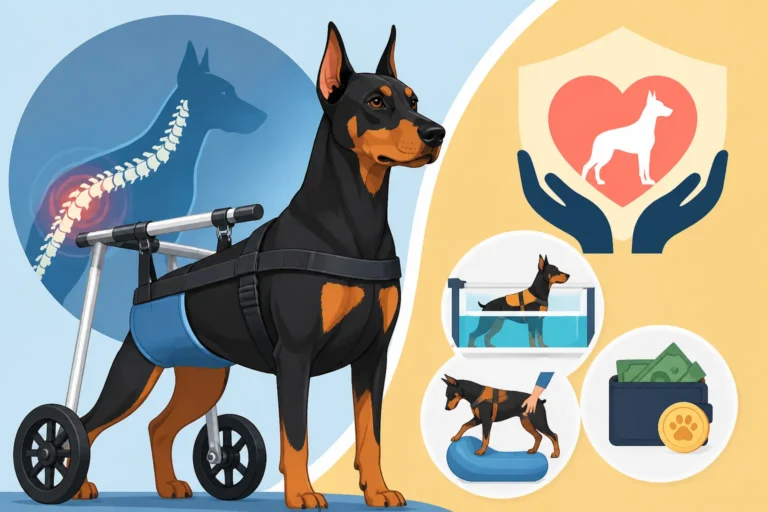
Other common Doberman health problems include Wobbler Syndrome (a spinal cord compression), hypothyroidism, and certain cancers. A Doberman in rescue might arrive with an existing diagnosis or develop one shortly after intake. This means rescues must be transparent with adopters about potential or confirmed health issues and ensure the new family is financially and emotionally prepared to manage them. This can involve discussing the reality of "Insuring a Doberman Before the Heart Turns" and the potential for lifelong medication or specialized care. It's a heavy responsibility, and it naturally reduces the number of suitable homes willing to take on such a commitment.
Finding the Perfect Behavioral Match
Dobermans thrive in specific environments with confident, consistent leadership. They are not suited for every home. Rescues carefully screen potential adopters to ensure a good behavioral match, which is arguably more critical for a Doberman than many other breeds. An ideal Doberman owner understands the breed's need for mental engagement, consistent training, and ample physical exercise. They appreciate the "Velcro dog" tendency and want a constant companion, rather than an independent dog.
Rescues often look for homes where the Doberman won't be left alone for long periods, as they can develop separation anxiety. They also consider the dynamics of existing pets or children. A Doberman with a strong "Doberman Guarding Instinct and Where It Tips Over" might not be suited for a home with frequent visitors, or one with a high prey drive might not be compatible with cats or small pocket pets. The goal is to avoid situations where the Doberman's inherent traits clash with the family's lifestyle, leading to another surrender. This intensive matching process is time-consuming and often means that Dobermans, especially those with more complex needs, may spend longer in rescue waiting for that truly perfect home.
When Rehoming is Difficult: Long-Term Stays and Hard Choices
Despite the best efforts of shelters and breed rescues, not every surrendered Doberman finds a forever home quickly, or sometimes, at all. This harsh reality leads to difficult choices, including long-term residency in rescue, sanctuary placement, or, in the most tragic circumstances, euthanasia. These outcomes weigh heavily on the hearts of those dedicated to saving these magnificent dogs.
Sanctuary and Hospice Care for Unadoptable Dobermans
Some Dobermans arrive in rescue with severe medical conditions, advanced age, or deeply entrenched behavioral issues that make them virtually unadoptable to the general public. These dogs, through no fault of their own, may be deemed "unadoptable" in the traditional sense. For these special cases, dedicated breed rescues often step in to provide sanctuary or hospice care.
Sanctuaries offer a permanent, safe, and loving environment where these Dobermans can live out their lives with dignity. This might be a physical facility or a long-term foster home specifically designated for this purpose. Here, they receive consistent veterinary care, specialized diets (perhaps tailored by companies like Ollie for their specific needs), enrichment, and endless love, without the pressure of needing to be "adopted." Hospice care is similar but focuses on Dobermans with terminal illnesses or significant pain, ensuring their final months or years are as comfortable and peaceful as possible. While immensely rewarding, providing sanctuary and hospice care is incredibly expensive, requiring continuous fundraising and dedicated resources to cover ongoing medical costs, specialized food, and general care for dogs who might never contribute financially through adoption fees.
The Painful Reality of Euthanasia in Overwhelmed Systems
While Doberman breed rescues strive to be "no-kill" and will often go to extraordinary lengths to save a dog, the reality in many municipal shelters, particularly those that are open-admission, can be different. Overcrowding is a persistent problem, and when space runs out and adoptions don't keep pace with intake, difficult decisions must be made. For Dobermans, who can take up a lot of space and command extra resources, this can be a particularly vulnerable position.
Euthanasia is never a first choice; it is a last resort, typically reserved for Dobermans who are suffering from incurable illness, have a severe and untreatable injury, or present an insurmountable public safety risk due to extreme, unmodifiable aggression. The decision is excruciating for shelter staff and veterinarians, who dedicate their lives to saving animals. It's a stark reminder of the immense pressures faced by animal welfare organizations and the critical importance of responsible pet ownership and support for rescues. This painful reality underscores why proactive prevention of surrender and robust support for rescue organizations are so vital.
The Emotional Burden on Rescue Workers
Working in animal rescue, especially with a breed like the Doberman that often carries a heavy medical and behavioral burden, is emotionally taxing. Rescue workers and volunteers witness the best and worst of humanity, from the selfless acts of foster parents to the tragic consequences of neglect or irresponsible ownership. They pour their hearts and souls into saving these dogs, investing countless hours and often their own money.
The emotional toll is constant. They celebrate every successful adoption but grieve every loss, whether it's a Doberman who succumbs to an illness like DCM or one that simply cannot be rehabilitated. They carry the weight of knowing they can't save every single one and the responsibility of making life-or-death decisions. This burnout is real, and it’s why supporting rescue organizations, not just financially but also through volunteering and spreading awareness, is so crucial. These dedicated individuals are the unsung heroes who pick up the pieces and fight for every Doberman's second chance.
Supporting Doberman Owners to Prevent Surrender
The most effective way to address the issue of surrendered Dobermans is to prevent it from happening in the first place. Many owners find themselves in a crisis not because they don't love their dogs, but because they lack the resources or knowledge to overcome challenges. Providing accessible support can make all the difference, keeping Dobermans in their loving homes.
Accessing Training and Behavioral Support
Behavioral issues are a leading cause of surrender, and for a powerful and intelligent breed like the Doberman, these issues can quickly escalate. Many owners simply don't know where to turn or feel overwhelmed by the prospect of training a Doberman that seems to "Outsmart Its Owner." Education and accessible training resources are paramount. Local humane societies often offer affordable group classes or can recommend certified professional dog trainers experienced with Dobermans. Online resources, webinars, and breed-specific forums can also connect owners with invaluable advice and support networks.
Furthermore, some rescues and non-profits offer behavioral hotlines or free consultations for owners struggling with their Dobermans. Early intervention is key. Addressing common Doberman puppy issues like biting and mouthing, or adolescent reactivity before they become ingrained problems, can save a dog from ending up in a shelter. Programs that focus on positive reinforcement and relationship-building, rather than harsh corrections, are especially important for sensitive Dobermans. These resources empower owners with the tools and knowledge to manage their Doberman's unique personality and energy levels effectively.
Financial Aid for Veterinary Care
The cost of veterinary care is a significant financial burden, and unexpected medical emergencies can easily push an owner to their breaking point. For a breed prone to serious health conditions like Doberman DCM, the expenses can be astronomical. Organizations like The Doberman Pinscher Club of America's Charitable Trust (DPCACT) often provide financial assistance for Doberman owners facing overwhelming vet bills, helping to cover critical treatments, surgeries, or ongoing medication.
Additionally, many general animal welfare organizations and even some private foundations offer emergency grants or low-cost veterinary services. Programs that subsidize spay/neuter surgeries, vaccinations, and microchipping also reduce initial costs and prevent common reasons for surrender. Exploring pet insurance options, perhaps from providers like Healthy Paws, early in a Doberman's life can also provide a crucial safety net against unforeseen medical expenses, although it's important to understand the details of "Why a Doberman Heart Result Ends Coverage" if not enrolled before health issues appear. Being proactive about managing the "The Yearly Heart Bill for a Doberman" and other health expenses can be the difference between keeping a beloved pet and facing the difficult decision of surrender.
Community Resources and Owner Education
Beyond direct training and financial aid, a strong community support system and comprehensive owner education are vital. This includes ensuring prospective Doberman owners thoroughly research the breed before bringing one home, understanding "What a First Doberman Demands of Its Owner." Reputable breeders will also provide extensive support and often have clauses in their contracts that require the return of a Doberman if the owner can no longer care for it, preventing it from ever entering the shelter system.
Pet food banks, community outreach programs, and temporary foster care initiatives can also offer lifelines to owners experiencing short-term crises. Imagine an owner hospitalized unexpectedly; a temporary foster can keep their Doberman safe until they recover. These resources help stabilize situations that might otherwise lead to surrender. Ultimately, a well-informed, well-supported Doberman owner is less likely to face the impossible choice of giving up their dog. It’s about building a robust network that champions responsible ownership and provides a safety net for those who need it most.
The Impact on the Doberman Itself
While we focus on the systems and solutions, it's crucial to remember the Doberman at the heart of the story. Surrender is a profoundly disruptive and often traumatic experience for these intelligent and sensitive dogs, but their resilience and capacity for love often shine through, given the right support.
Behavioral Changes and Stress in Transition
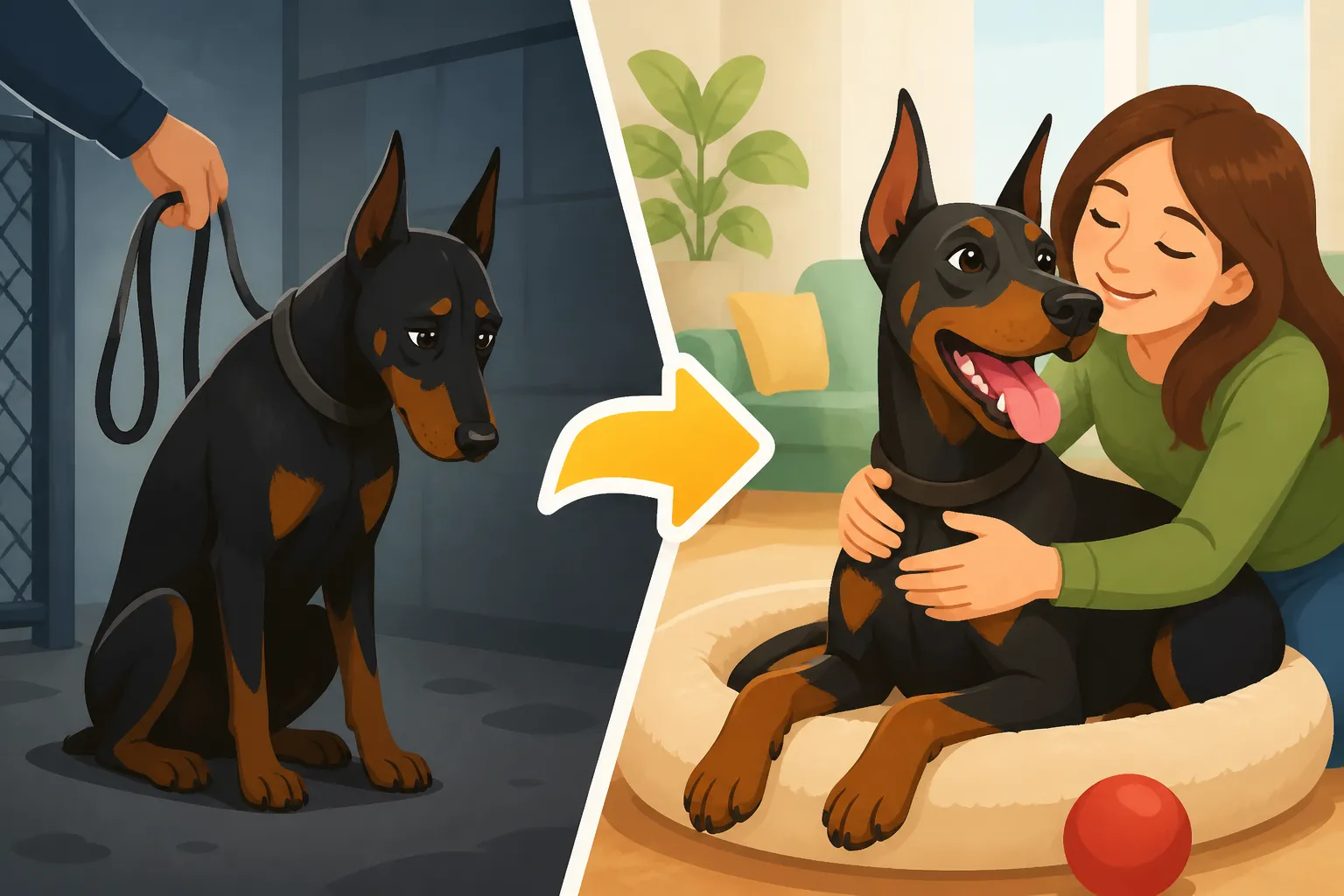
When a Doberman is surrendered, it experiences a dramatic shift in its world. Suddenly, its familiar home, routines, and beloved humans are gone, replaced by an unfamiliar environment, strange smells, and new people. This can be incredibly stressful for a breed known for its strong bonds and need for stability. The stress can manifest in various ways, from anxiety and depression to a temporary regression in house training or obedience.
Some Dobermans might become withdrawn, refusing to eat or interact. Others might exhibit reactive behaviors they never showed before, such as barking excessively, fear-nipping, or resource guarding due to insecurity. Their stress signals, like lip-licking, yawning, or averting gaze, might be subtle but are clear indicators of their emotional state. It's a challenging period for the Doberman as they try to navigate this confusing new reality. Rescue staff and foster parents are trained to recognize these signs and work patiently to help the Doberman decompress and adjust, understanding that these behaviors are often temporary reactions to trauma rather than inherent personality flaws.
The Resilience of the Doberman Spirit
Despite the trauma of surrender, the Doberman spirit is remarkably resilient. These dogs possess an innate capacity for forgiveness and an incredible ability to form deep bonds, even after experiencing loss and upheaval. Once they begin to feel safe and secure in a foster home or rescue environment, their true personalities often re-emerge. The goofy, intelligent, and fiercely loyal Doberman that was once hidden by fear and confusion starts to blossom again.
This resilience is a testament to the breed's character and the dedication of rescue workers. With consistent positive reinforcement, predictable routines, and patient love, Dobermans can heal and learn to trust again. They remember good intentions and respond to kindness. It's truly inspiring to witness a Doberman, once shut down and fearful, slowly open up, seek affection, and begin to play again, a clear sign that they are ready to embrace a new future. Their capacity to bounce back is what drives the rescue community forward, fueling the hope for every single Doberman that passes through their doors.
How a New Home Can Heal
The ultimate healing for a surrendered Doberman comes with finding its forever home. A loving, stable environment where they are understood, cherished, and properly cared for is the most powerful medicine. In a new home, with an owner who understands the breed's needs and commits to their well-being, the Doberman can finally shed the weight of its past.
They thrive on routine, consistent training, and being an integral part of their family's life. The right home provides not just food and shelter, but also mental stimulation, physical exercise, and the deep companionship they crave. Over time, the anxious behaviors fade, the fear dissipates, and the Doberman settles into a life of security and happiness. Witnessing a once-surrendered Doberman curled up on a couch, sleeping peacefully, or confidently walking alongside its new human, is the ultimate reward for everyone involved in its journey. It’s a powerful reminder that every Doberman deserves that second chance, and with the right resources and dedicated people, many of them find it.
Disclaimer
The information provided in this guide is for general informational purposes only and should not be considered a substitute for professional veterinary advice, diagnosis, or treatment. Always seek the advice of your veterinarian or other qualified animal health provider with any questions you may have regarding a Doberman's health or medical condition.