Annual Echo Costs for a Doberman
Bringing a Doberman into your life is an incredible joy, but it also comes with a unique set of responsibilities, particularly when it comes to their health. One of the biggest worries, and often one of the most significant financial considerations, is the dreaded Doberman heart disease, Dilated Cardiomyopathy (DCM). This guide is here to walk you through what to expect when it comes to the annual echocardiograms your Doberman will need, breaking down the costs and helping you prepare for this essential part of their care.
Why Annual Echocardiograms Are Non-Negotiable for Dobermans
If you own a Doberman, or are considering bringing one home, you've likely heard the whispers, or perhaps even the shouts, about their heart health. It's not just a rumor; Dobermans are tragically predisposed to a serious condition called Dilated Cardiomyopathy, or DCM. Understanding why routine heart screening is so critical can help ease some of the anxiety around these necessary annual veterinary visits.
The Silent Threat of DCM in Dobermans
Imagine a silent, invisible enemy slowly weakening your beloved Doberman's most vital organ. That's essentially what DCM is. This progressive disease causes the heart muscle to thin and weaken, making it less efficient at pumping blood. Initially, your Doberman can appear completely normal, full of energy and life, completely unaware of the changes happening inside their chest. This is why DCM is often called The Heart Disease That Reaches Most Dobermans—it creeps up unnoticed, making early detection incredibly challenging without proper screening.
The insidious nature of DCM means that by the time you notice any outward symptoms—like a persistent cough, lethargy, or even fainting spells—the disease is often quite advanced. This makes treatment more difficult and can significantly impact their quality of life and prognosis. As Doberman owners, we carry the heavy responsibility of being proactive, because our dogs won't show us they're struggling until it's almost too late.
The Importance of Proactive Screening
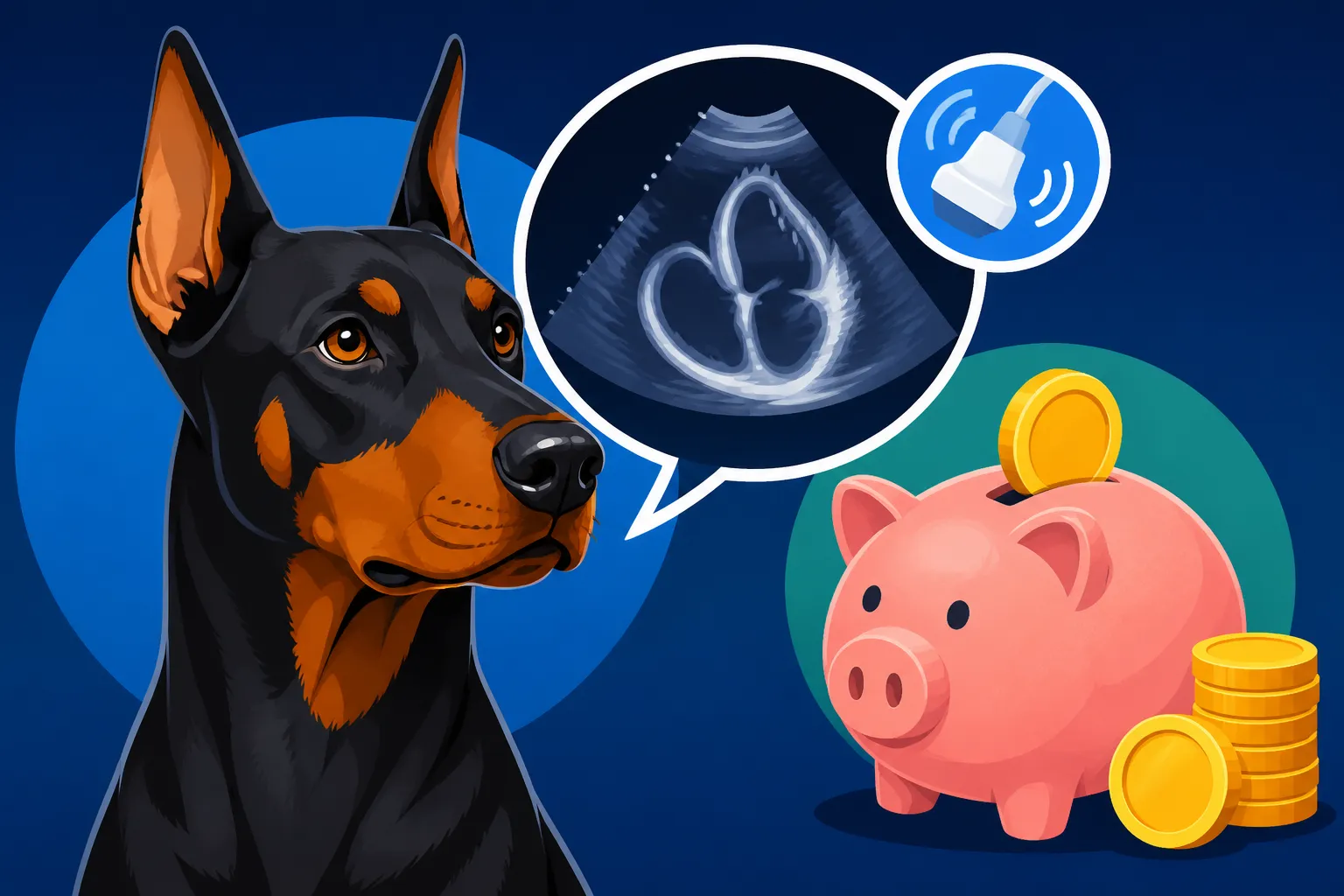
This brings us to the absolute necessity of proactive screening. An echocardiogram, often simply called an "echo," is a non-invasive ultrasound of the heart that allows a veterinarian to visualize the heart's chambers, valves, and overall function in real-time. It can detect subtle changes in heart size and pumping ability long before your Doberman starts to show any clinical signs of illness.
Think of it like a regular oil change for your car, but for your Doberman's heart. You wouldn't wait for your engine to seize before checking the oil, and similarly, you shouldn't wait for your Doberman to start showing symptoms of heart disease. Waiting until you notice Coughing and Breathlessness in a Doberman or A Doberman That Faints on a Walk means you've likely missed the crucial "occult" phase of the disease, where the heart is silently deteriorating without external signs. Early screening, ideally starting around The Age Doberman Heart Disease Usually Starts, gives us the best chance to intervene and manage the condition effectively, hopefully extending their precious years with us.
Deconstructing the Cost of a Doberman Echocardiogram
So, you know why the echo is important, but what about the actual cost? This is often where the real stress for Doberman owners kicks in. These aren't cheap tests, and understanding what influences the price can help you budget and prepare.
Factors Influencing the Price Tag
The cost of an echocardiogram for your Doberman can swing pretty wildly, and it's not always easy to get a straight answer over the phone. A significant factor is location. If you live in a bustling metropolitan area, say Los Angeles or New York, you can generally expect to pay more than someone in a smaller, rural town in the Midwest. The overhead costs for veterinary practices in high-rent areas, as well as the demand for specialized services, directly impact pricing.
Another major influence is who performs the echo. Is it your general practice veterinarian, or a board-certified veterinary cardiologist? A general vet might charge less because they are typically using an in-house machine and providing a basic assessment. However, a specialist has advanced training and equipment specifically for cardiology, and their expertise comes at a premium. The complexity of the equipment and the highly specialized skills needed to interpret the images accurately are also reflected in the price. Finally, whether your Doberman needs any sedation for the procedure can add another layer of cost, though many Dobermans can tolerate an echo without it if they are calm and well-behaved.
What Your Payment Covers
When you're handed that bill, it's often a single, daunting number. But what exactly are you paying for? It's more than just a quick scan. The cost typically covers several key components. First, there's the initial veterinary consultation, where the vet or cardiologist discusses your Doberman's history, current health, and the need for the echo. This isn't just a chat; it's a critical part of the diagnostic process.
Next is the actual echocardiogram procedure itself. This involves a trained technician or the vet/cardiologist carefully positioning your Doberman (usually lying comfortably on their side) and using the ultrasound probe to capture detailed images of the heart. This can take anywhere from 20 to 45 minutes, requiring skill and patience to get all the necessary views. Finally, and perhaps most importantly, your payment covers the cardiologist's time and expertise in interpreting those intricate images and generating a comprehensive report. They're looking for subtle changes in wall thickness, chamber size, blood flow, and valve function—all the vital information that tells us What a Doberman Echo Actually Measures. This interpretation is critical for an accurate diagnosis and subsequent treatment plan, if needed.
General Vet vs. Board-Certified Cardiologist: Where to Go
This is a common dilemma for Doberman owners trying to balance optimal care with financial realities. Deciding between your trusted family vet and a specialist can feel overwhelming, but understanding their roles can simplify the choice.
The General Practitioner's Role
Many general veterinary practices are equipped with ultrasound machines and can perform basic echocardiograms. The main advantages of going to your general vet for an echo are accessibility and potentially lower cost. You likely already have a relationship with your vet, and scheduling an appointment might be easier and faster than getting into a specialist. For some initial screenings, especially if your Doberman is young and has a clear family history, a general vet's echo might provide a baseline.
However, it's crucial to understand the limitations. While general vets are skilled in a broad range of veterinary medicine, their expertise in cardiology might not be as deep as a board-certified specialist. They might not have the most advanced cardiac ultrasound equipment, or the same level of experience in spotting the nuanced early signs of DCM specific to Dobermans. If your general vet performs an echo and finds anything concerning, they will almost certainly recommend a referral to a cardiologist for a more definitive diagnosis and treatment plan, adding another layer of cost and time.
The Specialist's Edge and Associated Costs
For Dobermans, especially as they approach the ages where DCM typically manifests, a board-certified veterinary cardiologist is often the gold standard. These specialists have undergone years of additional, intensive training specifically in heart diseases. They possess state-of-the-art ultrasound equipment designed for highly detailed cardiac imaging, and their eyes are trained to recognize the earliest, most subtle indicators of DCM. They are intimately familiar with How Many Dobermans Develop DCM and the specific characteristics of the disease in the breed.
Yes, choosing a specialist will almost always incur a higher cost. A typical echo performed by a board-certified cardiologist can range significantly more than one done by a general vet, often falling into the $500 to $1,000 range, depending on your location and the specific services included. However, this increased cost is an investment in accuracy and expertise. A cardiologist can provide the most precise diagnosis, predict progression more accurately, and develop the most effective treatment plan, which can make all the difference in managing a Doberman's heart disease. When it comes to something as critical as your Doberman's heart, many owners feel the peace of mind offered by a specialist is worth the extra expense. This is why when considering Whether a Doberman Needs a Specialist for Its Echo, the answer is almost always yes, especially once they reach the critical screening ages.
Additional Heart Screening Costs Beyond the Echo
While the echocardiogram is a cornerstone of Doberman heart health screening, it's often not the only diagnostic tool in a comprehensive screening protocol. To get a full picture of your Doberman's cardiac health, your vet or cardiologist might recommend other tests, each with its own associated cost.
The Crucial Role of Holter Monitoring
An echocardiogram provides a snapshot of your Doberman's heart at a specific moment in time. But what about the heart's electrical activity over a longer period? That's where Holter monitoring comes in. A Holter monitor is a small, portable ECG device that your Doberman wears for 24 to 48 hours, continuously recording their heart's electrical activity. This is incredibly valuable for Dobermans because DCM often first manifests as arrhythmias (irregular heartbeats) that might not be present during a brief echo appointment.
The cost of a Holter monitor usually includes the rental of the device, the fitting and removal by a veterinary technician, and the interpretation of the several thousand heartbeats recorded by a cardiologist. This can add anywhere from $200 to $600 to your annual screening bill. While it might seem like yet another expense, catching these arrhythmias early is vital, as they can sometimes be the first sign of DCM and can lead to serious complications like Sudden Death in a Young Doberman. Understanding Twenty-Four Hours of Holter on a Doberman and how to analyze Reading a Doberman's Holter Result can provide crucial insights into your Doberman's heart rhythm.
Blood Tests and Genetic Screening
Beyond imaging and electrical monitoring, blood tests can also offer clues about your Doberman's heart health. One common test is the NT-proBNP blood test, which measures a hormone released in response to stretching and stress on the heart muscle. Elevated levels can indicate heart disease, even before clinical signs are apparent. While not diagnostic on its own, it can be a useful screening tool, especially in conjunction with other tests. A typical NT-proBNP test might cost $80-$150.
Then there's genetic screening. Dobermans are known to carry specific genetic mutations linked to DCM, most notably the DCM1 and DCM2 genes. While a positive genetic test doesn't guarantee your Doberman will develop DCM, nor does a clear test guarantee they won't, it provides valuable information. Breeders often use these tests to make informed decisions, and owners might find peace of mind or prepare for a higher risk. You can learn more about The Two Doberman DCM Gene Tests and What a Doberman DCM Gene Test Costs, which typically range from $150-$300 for a panel that includes multiple health conditions. It's important to remember that genetic tests do not replace the need for regular echocardiograms, as DCM is a complex disease influenced by multiple factors beyond just these two known genes.
Here's a quick comparison of approximate costs for common Doberman heart screenings:
| Service | General Vet (Approx. Low) | Specialist (Approx. High) | What it Covers | Frequency |
|---|---|---|---|---|
| Echocardiogram | $300 | $1000 | Heart ultrasound, vet/cardiologist interpretation, report | Annually |
| Holter Monitor (24-48 hr) | $200 | $600 | Device rental, fitting, cardiologist interpretation of ECG data | Annually |
| NT-proBNP Blood Test | $80 | $150 | Blood draw, laboratory analysis of cardiac biomarker | Annually |
| DCM Genetic Panel | N/A (specialized labs) | $150-$300 | DNA test for known DCM gene variants | Once |
Note: Prices are estimates and can vary widely based on location, clinic, and specific services included.
Managing the Financial Burden of Doberman Heart Care
Let's be real: these costs add up. The thought of shelling out hundreds, even thousands, of dollars each year for preventative heart care, especially when your Doberman seems perfectly healthy, can be daunting. But there are ways to manage this financial burden.
Pet Insurance: A Lifeline for Doberman Owners
This is one area where I cannot stress enough the importance of being proactive. Pet insurance can be an absolute lifeline for Doberman owners, especially given the breed's predisposition to DCM. However, the key phrase here is proactive. You absolutely need to enroll your Doberman in a comprehensive pet insurance plan before any signs or diagnoses of heart disease emerge. Once a condition is documented in their medical record, it will likely be considered a "pre-existing condition," and insurance typically won't cover treatment for it.
Many Doberman owners wish they had enrolled their dogs earlier, ideally when they were still puppies or very young adults. Companies like Healthy Paws are popular choices, but there are many reputable providers out there. Research different plans, understand their deductibles, reimbursement percentages, and annual limits. It's a hard pill to swallow to pay monthly premiums for a healthy dog, but when you consider The Yearly Heart Bill for a Doberman or the costs of Lifetime Heart Medication for a Doberman, that investment can save you tens of thousands of dollars down the line. Don't wait until you're wondering Why a Doberman Insured at Four Is Late; get coverage early!
Budgeting and Other Support Options
Even with insurance, there will be deductibles and co-pays, and some owners choose to forego insurance altogether. This means budgeting becomes paramount. Setting aside a dedicated "Doberman Health Fund" each month, even a small amount, can help soften the blow of those annual echo and Holter bills. Treat it like another utility bill – an unavoidable cost of Doberman ownership.
Don't be afraid to talk to your veterinary clinic about payment options. Many practices understand the financial strain of specialized care and may offer payment plans or work with third-party financing services like CareCredit. Additionally, some breed-specific Doberman rescues or clubs might have hardship funds or resources available for owners facing significant veterinary expenses. You might also find savings on prescription foods or ongoing supplies through online retailers like Chewy, which often offer competitive pricing and auto-ship options. While less directly tied to echo costs, taking advantage of these can free up funds for the critical heart screenings.
What Happens After a DCM Diagnosis?
Discovering your Doberman has DCM is heartbreaking news, and it shifts the focus from preventative screening to active management. The financial implications also change dramatically, moving from annual check-ups to ongoing medical care.
Ongoing Monitoring and Medication Costs
Once your Doberman receives a DCM diagnosis, the frequency of echocardiograms and Holter monitoring will likely increase significantly. Your cardiologist will want to closely track the progression of the disease and the effectiveness of medication. Instead of yearly, you might be looking at echoes every 6 months, or even more frequently, depending on the severity and stability of their condition. Each of these follow-up visits carries the same cost as the initial screenings, if not more, for additional diagnostics.
Medication becomes a daily, ongoing expense. Drugs like Pimobendan (Vetmedin), which helps the heart pump more efficiently, and various antiarrhythmics to control irregular heartbeats, are essential for managing DCM. These medications, especially for a large Doberman, can easily run into hundreds of dollars per month. Learning about Medication for a Doberman in the Occult Phase can help you understand what might be coming. These costs continue for the remainder of your Doberman's life, which, tragically, is often shortened by DCM. You'll need to refill these prescriptions regularly, and while generics may be available for some drugs, the specialized nature of others means they remain expensive.
Quality of Life and End-of-Life Considerations
Living with a Doberman diagnosed with DCM is a journey filled with love, vigilance, and often, emotional and financial strain. Owners often find themselves balancing the desire to provide the best possible care with the realities of what they can afford. Beyond the medications, there might be additional supportive therapies, special diets, or even emergency visits for sudden exacerbations of heart failure, such as fluid buildup on the lungs (Fluid on a Doberman's Lungs and How It Is Cleared). These emergencies can quickly rack up thousands of dollars in vet bills for critical care and hospitalization.
It's a heavy burden, and at some point, owners must grapple with difficult decisions about their Doberman's quality of life. Understanding How Long a Doberman Lives After a DCM Diagnosis can help prepare you for this difficult phase. The ultimate decision on Deciding When a Doberman With DCM Has Had Enough is one of the hardest parts of Doberman ownership, and it often comes after exhausting every possible treatment option and seeing their beloved companion's quality of life diminish despite best efforts and significant financial investment.
Disclaimer
This article is intended for informational purposes only and does not constitute veterinary advice. Always consult with a qualified veterinarian or a board-certified veterinary cardiologist for diagnosis and treatment options for your Doberman. Costs mentioned are estimates and can vary significantly.