Copper Liver Treatment as a Recurring Doberman Cost
Finding out your beloved Doberman has copper storage disease in their liver is absolutely heartbreaking, and the immediate worry often jumps to their prognosis and, let's be honest, the practical reality of what managing such a condition will entail financially. This isn't just a one-time vet visit; it's a long-term commitment that can feel overwhelming. This guide aims to break down the recurring costs associated with treating copper liver disease in Dobermans, offering a realistic look at the financial journey ahead.
Understanding Copper Storage Disease in Dobermans
When you hear about your Doberman's liver struggling to process copper, it's a gut punch. Many Doberman owners are familiar with the breed's predispositions, but copper liver disease, also known as copper-associated hepatopathy, can still come as a complete shock. It’s a serious genetic condition where the liver accumulates excessive amounts of copper, which then leads to cell damage, inflammation, cirrhosis, and eventually liver failure if not managed. It's not something that just goes away on its own; it requires vigilant, lifelong care.
The Genetic Predisposition
Dobermans, particularly females, are genetically predisposed to this condition. It's believed to be an autosomal recessive trait, meaning a dog needs to inherit two copies of the faulty gene to be affected. However, the exact genetic mechanisms are still being researched, and sometimes even dogs without a clear genetic marker can develop issues. This genetic component means it's often a ticking time bomb from puppyhood, even if symptoms don't show up until much later in life. It's one of those silent battles our Dobermans can be fighting without us knowing, making early detection and proactive management so critical.
The frustrating part is that this isn't just a simple dietary sensitivity; it's a fundamental flaw in how their bodies handle a vital trace mineral. Copper is essential for many bodily functions, but in Dobermans with this genetic predisposition, their liver cells can’t excrete it properly. Instead, it builds up, acting like a slow poison. This accumulation primarily impacts the liver, but the toxic effects can eventually spill over, affecting other organs as the disease progresses and the liver's ability to detoxify the body diminishes.
How Copper Harms the Liver
Imagine a sponge that's designed to soak up water and then wring it out. In a Doberman with copper storage disease, their liver acts like that sponge, but it can't wring out the copper. It just keeps holding onto it. Over time, this excess copper causes oxidative damage to liver cells, triggering inflammation. This inflammation leads to cell death and scarring, a process known as fibrosis. Eventually, this scarring becomes so extensive that the liver tissue hardens, leading to cirrhosis.
When the liver becomes cirrhotic, it loses its ability to perform its many crucial functions: filtering toxins, producing proteins, and aiding digestion. Your Doberman might start showing non-specific symptoms like lethargy, loss of appetite, vomiting, or jaundice (yellowing of the skin and eyes). By the time these obvious clinical signs appear, the disease is often quite advanced, making management more challenging. Understanding Copper Liver Disease in Doberman Females often reveals that these silent processes can be at play for years before manifesting visibly.
Initial Diagnostic Costs and Confirmation
Before any recurring treatment costs can begin, you're looking at a series of diagnostic tests. This initial phase can be emotionally taxing as you wait for answers, and financially, it's where the first significant bills often appear. Pinpointing copper storage disease isn't always straightforward, and it typically involves multiple steps, from routine bloodwork to specialized procedures.
Liver Enzyme Results in a Doberman
Often, the first hint that something is amiss comes from routine blood tests, specifically elevated liver enzymes like ALT (alanine aminotransferase) and AST (aspartate aminotransferase). If your vet sees these numbers creeping up, it's a red flag. However, elevated liver enzymes aren't specific to copper storage disease; they can indicate various liver issues, from infections to other toxicities. This is why further investigation is always necessary.
Your vet might suggest a complete blood count (CBC) and a biochemistry panel, which could cost anywhere from $100 to $300, depending on your clinic and region. While these initial tests are crucial for flagging potential problems, they won't give you a definitive diagnosis for copper storage disease. They just open the door to a deeper dive into your Doberman's liver health. For a closer look at what these numbers might mean, consider reading about Liver Enzyme Results in a Doberman.
The Need for a Liver Biopsy
To truly confirm copper storage disease and rule out other conditions, a liver biopsy is usually required. This is where a small piece of liver tissue is taken and sent to a specialized lab for analysis. The pathologist will not only look for signs of copper accumulation but also assess the extent of liver damage, inflammation, and fibrosis. This information is vital for determining the appropriate course of treatment and understanding the prognosis.
A liver biopsy is an invasive procedure, requiring general anesthesia. This means you're looking at costs that include:
- Pre-anesthetic bloodwork (to ensure your Doberman is healthy enough for anesthesia).
- The anesthesia itself, which is often monitored by a dedicated technician.
- The surgical procedure to collect the biopsy sample.
- Post-operative care and pain medication.
- The histopathology fees for the lab analysis.
Total costs for a liver biopsy can range significantly, typically from $1,000 to $3,000 or more, especially if a specialist surgeon or internal medicine vet is involved. This is often the single most expensive diagnostic step. It can feel daunting, but it's the gold standard for diagnosis and provides the clarity needed to proceed. When considering What It Costs to Confirm Doberman Liver Disease, a biopsy is usually the biggest line item.
Chelation Therapy: The Ongoing Treatment
Once copper storage disease is confirmed, the cornerstone of treatment for Dobermans with significant copper accumulation is chelation therapy. This is where the recurring costs truly begin, as these medications are usually given for life, or at least for many years, to actively remove excess copper from the body.
The Role of Chelation Drugs
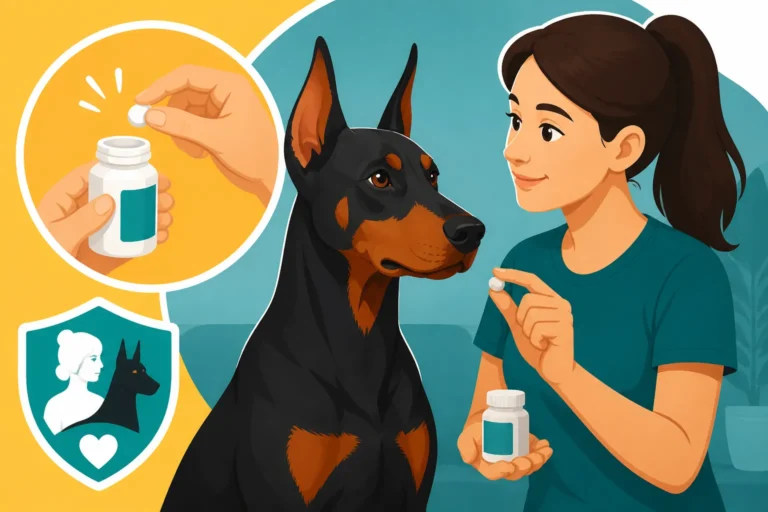
Chelation drugs work by binding to the copper in your Doberman's body, forming a complex that can then be excreted through the urine. Think of them as tiny magnets that grab onto the copper and help flush it out. This process is crucial for preventing further damage and, in some cases, can even reverse some existing liver damage, especially if caught early. The goal is to reduce the liver's copper load to a safe level and maintain it there.
This isn't a quick fix; it's a marathon. Your Doberman will need to take these medications consistently, typically once or twice a day, for extended periods. It can be a challenge to remember daily dosages, but consistency is key for the therapy to be effective. The dosage might be adjusted over time based on follow-up testing, but the principle remains the same: keep that copper moving out of the system.
Different Chelation Medications
The most commonly prescribed chelation drug for Dobermans with copper storage disease is D-penicillamine (brand names include Cuprimine or Depen). Another option is Trientine (brand name Syprine), which is often used if D-penicillamine causes side effects or isn't effective enough. Both are oral medications and come with their own set of potential side effects, which your vet will monitor closely. These can include gastrointestinal upset, loss of appetite, or skin reactions.
The cost of these medications can vary significantly depending on your Doberman's size (which dictates the dosage), the specific drug chosen, and whether you purchase generic or brand-name versions. On average, you might expect to pay anywhere from $50 to $200 per month for D-penicillamine, with Trientine often being more expensive, sometimes running $200 to $500 or more per month. Given the lifelong nature of the treatment, these costs add up quickly. Understanding Chelation Drug Costs for a Doberman is a significant part of planning for ongoing care.
| Chelation Drug | Estimated Monthly Cost (for an average Doberman) | Common Side Effects |
|---|---|---|
| D-penicillamine | $50 – $200 | Nausea, vomiting, anorexia, skin reactions |
| Trientine | $200 – $500+ | Nausea, vomiting, lethargy (generally fewer than D-penicillamine) |
Please note: These are estimated costs and can vary widely based on your location, pharmacy, and specific dosage requirements.
Dietary Management and Supplementation
Beyond medication, diet plays an absolutely critical role in managing copper storage disease. What goes into your Doberman's bowl directly impacts how much copper they're ingesting and, consequently, how hard their liver has to work. This means rethinking their food entirely and often adding specific supplements to support liver function.
Low-Copper Diets for a Doberman
The first and most important dietary change is transitioning your Doberman to a low-copper diet. This isn't just about picking a random "healthy" dog food; it requires specific formulations designed to minimize copper intake. Many commercial dog foods, especially those rich in organ meats, certain fish, or legumes, can be surprisingly high in copper. It's a hidden enemy in many seemingly benign ingredients.
Your vet, or ideally a veterinary nutritionist, will guide you on appropriate food choices. This might involve:
- Prescription veterinary diets: Brands like Hill's Prescription Diet l/d, Royal Canin Hepatic Support, or Purina Pro Plan Veterinary Diets EN Gastroenteric have formulations specifically designed for liver support, which includes controlled copper levels. These specialized diets can cost anywhere from $70 to $120 per bag (around 25-30 lbs) and your Doberman will likely go through a bag every 3-4 weeks. Understanding Prescription Diet Costs for a Doberman Liver is essential.
- Home-cooked diets: Some owners opt for carefully balanced home-cooked meals, developed with a veterinary nutritionist, to have full control over ingredients. While this can sometimes be more cost-effective for the ingredients themselves, the time commitment and the need for meticulous balancing (often with added supplements) are significant. This is a big undertaking to ensure your Doberman is getting all necessary nutrients without excessive copper. Resources like Chewy may offer some ingredients, but precise formulation often comes from a vet. For those considering this route, research into Home Cooking for a Doberman With Liver Disease is invaluable.
The important thing is to avoid foods known to be high in copper, such as organ meats (liver, kidney), shellfish, mushrooms, nuts, and certain cereals. Even treats need to be carefully chosen. It's a lifestyle change for you and your Doberman, demanding constant vigilance over their diet. To delve deeper, read about Low-Copper Diets for a Doberman.
Supplements to Support Liver Health
In addition to a low-copper diet and chelation therapy, your vet might recommend certain supplements to help support liver function and reduce oxidative stress. These are not alternatives to chelation but complementary therapies aimed at protecting the liver cells that are still functioning.
Common supplements include:
- Zinc: Zinc can interfere with copper absorption in the gut, reducing the amount of copper that enters the bloodstream and reaches the liver. It's often given in specific forms like zinc acetate or zinc gluconate.
- S-Adenosylmethionine (SAMe): This supplement is a potent antioxidant that helps protect liver cells from damage and supports liver detoxification pathways.
- Milk Thistle (Silybin): Known for its liver-protective properties, it's often used as a supportive therapy for various liver conditions.
- Vitamin E: Another antioxidant that can help combat the oxidative stress caused by excess copper.
The cost of these supplements can range from $20 to $80 per month, depending on the combination and dosage required for your Doberman. While not as expensive as chelation drugs, they are another recurring cost that adds to the overall financial burden. For more information on maintaining a careful balance, refer to Zinc and Copper Balance in a Doberman Bowl. It's crucial to only give supplements under veterinary guidance, as some can interact with medications or even be harmful if not dosed correctly. While companies like Ollie offer fresh food options, they might not automatically meet the strict low-copper requirements or include specific therapeutic supplements unless custom-formulated by a veterinary nutritionist.
Regular Monitoring and Follow-Up Care
Managing copper storage disease isn't a "set it and forget it" situation. Regular monitoring is absolutely essential to assess the effectiveness of treatment, adjust medication dosages, and catch any potential complications early. These follow-up appointments and tests represent another significant recurring cost.
Bloodwork and Re-Biopsies
Your Doberman will need regular blood tests to monitor their liver enzyme levels, overall liver function, and sometimes even serum copper levels. These tests help your vet gauge how well the chelation therapy and diet are working to reduce the copper burden. Initially, these blood tests might be done every few weeks or months, and once stable, perhaps every 3-6 months. Each blood panel can cost $100-$300.
In some cases, especially if there's concern about treatment efficacy or progression of the disease, your vet might recommend a repeat liver biopsy after 1-2 years of treatment. While invasive, it provides the most accurate picture of the liver's copper content and the extent of any healing or ongoing damage. The cost for a repeat biopsy would be similar to the initial diagnostic biopsy, potentially $1,000-$3,000. This is a serious consideration, but sometimes necessary to fine-tune the long-term plan. Staying on top of Monitoring Bloodwork for a Doberman Liver is paramount.
Imaging and Specialist Consults
Beyond bloodwork and biopsies, other diagnostic imaging might be used. Ultrasounds of the abdomen can help your vet visualize the liver, assess its size, look for signs of cirrhosis, and check for any fluid accumulation (ascites) or other complications. An abdominal ultrasound typically costs between $300 and $600. These might be performed annually or as needed if new symptoms arise.
It's also highly recommended that Dobermans with copper storage disease are managed by a board-certified veterinary internal medicine specialist. These specialists have advanced training in complex diseases like liver conditions and can offer the most up-to-date treatment protocols. While your primary vet will handle routine care, specialist consults (initial and follow-up) can add $150-$400 per visit, depending on the complexity of the case. While these aren't monthly costs, they are significant recurring expenses that contribute to the comprehensive care your Doberman needs.
Navigating Insurance and Financial Planning
The cumulative costs of managing copper liver disease in a Doberman can easily run into thousands of dollars annually, making financial planning and exploring pet insurance options critical for many owners. It's a reality that no one wants to face alone, and understanding your options can provide much-needed peace of mind.
Pet Insurance Coverage
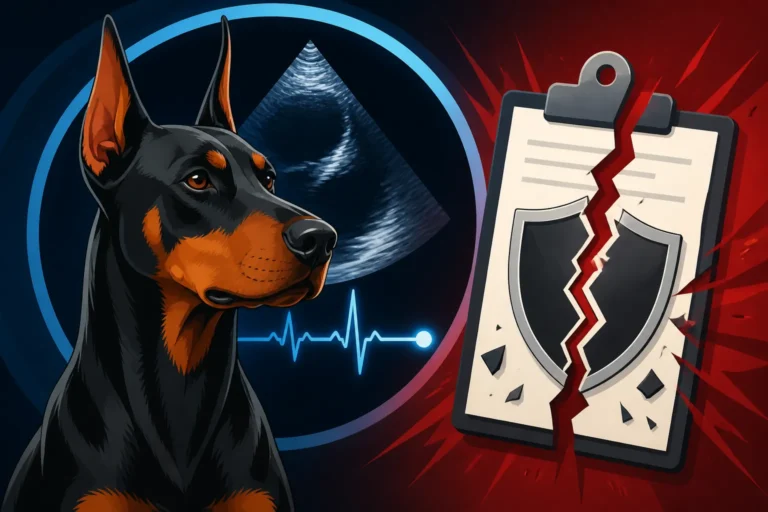
Pet insurance can be a lifesaver, but it's crucial to understand how it works, especially with a chronic condition like copper storage disease. Most pet insurance policies consider genetic conditions, even if latent, as pre-existing conditions once diagnosed. This means if your Doberman is diagnosed before you enroll in a policy or during the waiting period, the treatments related to copper liver disease likely won't be covered.
Therefore, the best advice is to enroll your Doberman in a comprehensive pet insurance plan as early as possible – ideally when they are a puppy. Policies from providers like Healthy Paws can offer extensive coverage for accidents and illnesses, but the timing of enrollment relative to diagnosis is everything. If your Doberman is already diagnosed, finding coverage for this specific condition will be extremely difficult, if not impossible. However, insurance might still cover other unrelated illnesses or accidents that could occur.
If you have pet insurance, thoroughly review your policy's terms regarding chronic conditions, genetic predispositions, and pre-existing conditions. Understand your deductible, reimbursement percentage, and any annual limits. These factors significantly impact your out-of-pocket expenses.
Setting Money Aside for Long-Term Care
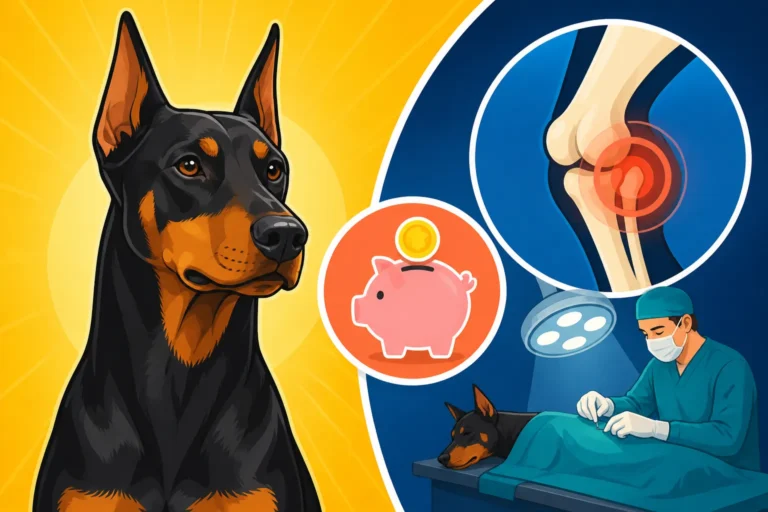
For those whose Dobermans are already diagnosed or who choose not to pursue pet insurance, establishing a dedicated savings fund for their care is a wise decision. Think of it as self-insurance. Calculate the estimated annual costs for medication, specialized food, and monitoring tests, and then divide that by 12 to determine a monthly savings goal.
For example, if yearly costs average $2,500 (medication, food, blood tests), you'd aim to save around $200-$210 per month. Having these funds readily available can alleviate the stress during vet visits and ensure your Doberman receives consistent, uninterrupted care. This proactive approach helps buffer the financial impact of recurring treatments and allows you to focus on your Doberman's health rather than scrambling to cover unexpected bills. Even small, regular contributions can grow into a substantial safety net over time. While the internal link Setting Money Aside for a Doberman's Heart refers to a different condition, the principle of financial preparation for chronic health issues remains critically important for copper liver disease as well.
Living Comfortably with Copper Liver Disease
Managing copper liver disease is a marathon, not a sprint. It requires dedication, consistency, and a deep understanding of your Doberman’s needs. While the financial commitment can be significant, the ultimate goal is to provide your beloved companion with the best possible quality of life for as long as possible.
Maintaining a Consistent Routine
One of the most important aspects of managing this condition is maintaining a consistent routine for your Doberman. This means administering medications exactly as prescribed, feeding the low-copper diet without deviation, and keeping all scheduled veterinary appointments. Dobermans thrive on routine, and consistency in their medical care is paramount to their stability. Any changes, even seemingly minor ones, can upset their delicate system and potentially impact their liver health.
It's easy to get complacent when your Doberman is doing well, but that's precisely when consistency is most critical. Missing doses or sneaking "just one" off-diet treat can slowly undermine months of careful management. Keep a detailed log of medication administration and any observed symptoms. This not only helps you stay on track but also provides invaluable information for your vet during follow-up visits.
Watching for Changes in Your Doberman's Health
Despite the best care, Dobermans with copper storage disease can experience flare-ups or disease progression. It's vital for you, as their primary caregiver, to be attuned to any subtle changes in their behavior or physical condition. Early detection of complications can make a significant difference in their outcome.
Be on the lookout for:
- Changes in appetite or thirst: A sudden decrease or increase.
- Lethargy or reduced activity levels: More tired than usual, less interested in walks or play.
- Vomiting or diarrhea: Persistent gastrointestinal upset.
- Jaundice: Yellowing of the gums, whites of the eyes, or skin.
- Increased urination: A potential sign of kidney involvement or other issues.
- Fluid retention: Swelling of the abdomen (ascites) or limbs.
Any of these signs warrant an immediate call to your veterinarian. They could indicate a worsening of the liver condition or the development of new complications. Being proactive and observant is one of the most powerful tools you have in ensuring your Doberman lives a long and comfortable life with this condition. While it's a different condition, recognizing subtle signs of decline is similar to how owners must monitor How Long a Doberman Lives After a DCM Diagnosis, emphasizing the importance of owner vigilance in managing chronic diseases.
Embracing Support and Community
Living with a Doberman with a chronic illness like copper storage disease can be emotionally draining. It’s okay to seek support. Connecting with other Doberman owners who have experience with similar health challenges can provide a sense of community, shared understanding, and practical advice. Online forums, breed-specific Facebook groups, or local Doberman clubs can be excellent resources.
You don't have to carry this burden alone. Your veterinary team is also a crucial part of your support system. Don't hesitate to ask questions, voice concerns, or seek clarification on treatment plans or financial considerations. Their expertise is invaluable. Embracing this journey with a supportive network can make the challenges more manageable and allow you to focus on the joy your Doberman brings to your life, even amidst the ongoing care.
Disclaimer
This guide is intended for informational purposes only and does not constitute professional veterinary advice. Always consult with a qualified veterinarian or veterinary specialist regarding your Doberman's specific health condition and treatment options. Medical information and costs can vary significantly based on individual circumstances, location, and the progression of the disease.