What Doberman Rescue Charges for an Adult
Bringing a Doberman into your home is a big step, and while the idea of rescuing an adult dog is incredibly rewarding, it often comes with a looming question: how much is this actually going to cost? Many assume rescue means "free" or "cheap," only to be surprised by adoption fees and the real, ongoing financial commitments. This guide will walk you through what to expect when adopting an adult Doberman from a rescue organization, covering not just the initial adoption fee but also the crucial follow-up expenses and long-term costs that every Doberman owner needs to budget for.
Understanding Doberman Rescue Adoption Fees
When you look at Doberman rescues, you'll quickly notice that they all charge an adoption fee. It’s easy to misunderstand these fees as a profit motive, but let me assure you, they are anything but. These organizations pour their hearts, souls, and significant funds into caring for these incredible dogs, often operating on the thinnest of margins.
Why Rescue Fees Exist
Rescue fees are the lifeblood of these organizations. They aren't in it for the money; they are driven by a deep passion for the Doberman breed and a commitment to giving these dogs a second chance. The fee you pay helps to offset just a fraction of the costs associated with rescuing, rehabilitating, and rehoming Dobermans. Think about it: every Doberman that comes into their care needs immediate veterinary attention. This includes a thorough physical exam, often vaccinations if they’re overdue or unknown, deworming, and sometimes even emergency treatment for injuries or illnesses they arrived with. Many Dobermans come in needing extensive dental work, for example, or treatment for skin conditions.
Beyond the initial medical care, there's the cost of food, bedding, toys, and enrichment during their stay. There's also the staff or volunteer time involved in their daily care, training assessments, and matching them with the right home. Rescues often incur significant expenses for behavioral evaluations and sometimes even professional training to address specific issues, ensuring the dog is as ready as possible for a new family. Without these fees, rescues simply couldn't continue their vital work. They’re effectively asking you to contribute to the collective effort of saving lives, rather than directly profiting from your adoption.
Typical Fee Ranges for Adult Dobermans
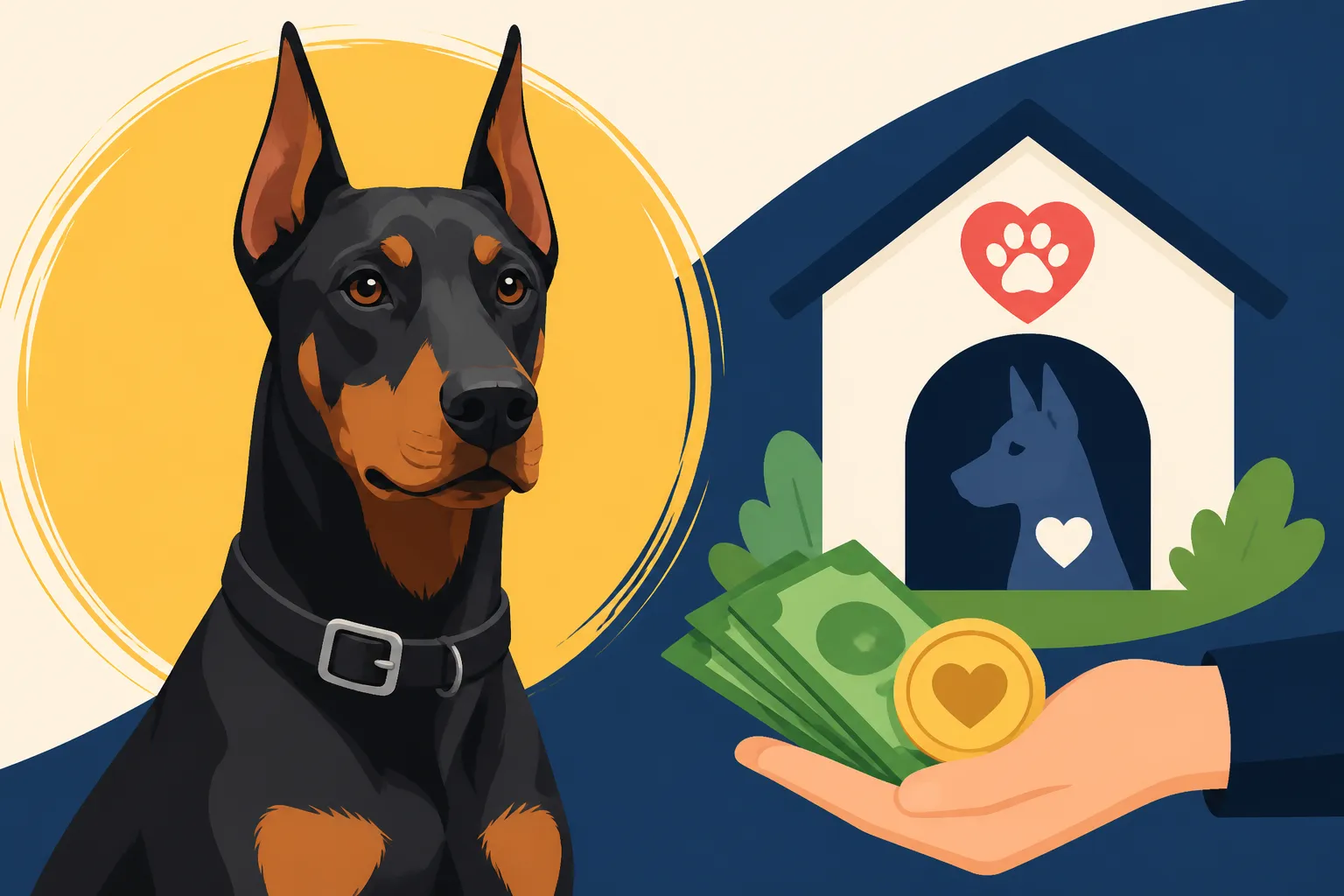
The adoption fee for an adult Doberman from a reputable rescue can vary quite a bit, typically ranging anywhere from $300 to $700. You might see some on the lower end, around $250-$350, especially for older or "senior" Dobermans, or those with known medical conditions that will require ongoing management. On the higher end, closer to $600-$700, you'll often find young adult Dobermans (say, 1 to 3 years old) who are in excellent health, temperamentally sound, and have received extensive veterinary care and perhaps even some foundational training.
Factors like the dog's age, health status, and even the rescue's location can influence these prices. A Doberman who arrived needing extensive surgery, for instance, might still have an adoption fee within this range, even though the rescue's actual outlay for that dog could have been thousands of dollars. They absorb those higher costs to ensure the dog gets what it needs. A rescue that has invested heavily in thorough health screening, including cardiac evaluations, might also have slightly higher fees, reflecting their commitment to placing truly healthy dogs.
What the Adoption Fee Usually Covers
What's really important to understand is the incredible value packed into that adoption fee. When you adopt an adult Doberman from a legitimate rescue, you're not just getting a dog; you're getting a canine companion who has already received a significant amount of upfront investment. Most Doberman rescue adoption fees include:
- Spay/Neuter Surgery: This is almost always a requirement and is a major expense if you were to pay for it yourself.
- Up-to-Date Vaccinations: Your Doberman will typically come with core vaccinations (distemper, parvovirus, adenovirus, rabies) current.
- Microchipping: A vital form of permanent identification, which ensures your Doberman has a much better chance of being returned if lost.
- Initial Veterinary Examination: Many rescues provide a full vet check-up upon intake, and sometimes a follow-up visit before adoption.
- Heartworm Testing and Prevention: Dobermans from rescues are typically tested for heartworm and placed on appropriate prevention.
- Deworming: Treatment for common internal parasites.
- Flea and Tick Prevention: Often, they'll have received a dose before going home.
- Behavioral Assessment: Rescues spend time evaluating each Doberman's temperament, ensuring they can provide accurate information to potential adopters about how the dog might fit into various home environments, including with children or other pets.
When you consider that a spay/neuter alone can run several hundred dollars, plus the cost of vaccines, microchipping, and deworming, the adoption fee often barely covers these immediate, essential medical procedures. It truly makes adopting from a rescue a fantastic value, as many of the initial "setup" medical costs have already been handled for you. This is a far cry from a cheap Doberman puppy from an unknown source, who will come with a whole host of initial vet bills.
Beyond the Adoption Fee: Initial Setup Costs
While the rescue fee covers a lot of the initial medical needs, bringing a new Doberman home means preparing your living space and budget for a few more immediate expenses. These are the things you’ll need to buy or arrange for right away to make your new companion comfortable and safe.
Essential Supplies for a New Doberman
Before your new Doberman even steps paw inside, you'll want to have some fundamental items ready. Dobermans are large, powerful dogs, so quality and size matter for everything you purchase. You can read more about what's needed for a growing Doberman in Kitting Out for a Doberman Puppy That Will Hit Eighty.
First off, you'll need food and water bowls. Stainless steel is durable and easy to clean. Next, a sturdy collar or harness and a strong leash are non-negotiable. For a Doberman, a 6-foot standard leash made of durable nylon or leather is a good start. Many Doberman owners prefer a front-clip harness or a head halter for better control, especially if your dog is prone to pulling.
A crate is another vital piece of equipment. Even if you don't plan to crate your Doberman long-term, it provides a safe den for them to decompress in their new environment and is invaluable for house-training. Make sure it's appropriately sized for an adult Doberman – they need enough room to stand, turn around, and lie down comfortably. Along with the crate, a comfortable dog bed is essential. Dobermans are lean dogs with little body fat, so a thick, orthopedic bed can make a huge difference in their comfort, especially as they age. Look for beds that cushion a bony Doberman to protect their joints.
Finally, stock up on toys. Dobermans are intelligent and can be destructive chewers if bored. Durable chew toys, puzzle toys to keep their minds active, and soft toys for comfort are all great choices. You might find a good selection of these and other supplies from retailers like Chewy, which often has bulk options for larger breeds.
Veterinary Check-ups and Preventatives
Even if your rescue Doberman comes with a clean bill of health and up-to-date vaccinations, scheduling an initial visit with your own veterinarian within the first week or two is crucial. This allows your vet to establish a baseline, check for any issues specific to your home environment, and ensure all records are properly transferred.
During this initial visit, your vet will likely discuss ongoing heartworm, flea, and tick prevention. These are monthly or quarterly medications that are essential for protecting your Doberman's health. For an eighty-pound Doberman, these preventatives can add up. They might also recommend a fecal test to ensure no lingering internal parasites. If you adopted an older Doberman, your vet might suggest a senior panel of bloodwork to assess organ function, or they might want to perform specialized health screening for Doberman-specific issues.
Beyond this initial check, remember that every Doberman needs a The Yearly Checkup a Doberman Still Needs. These routine visits are crucial for early detection of potential problems and maintaining overall wellness, covering vaccinations, physical exams, and discussions about nutrition and behavior.
Training and Socialization Needs
Adopting an adult Doberman, especially one with an unknown history, means you might need to invest in some training and socialization. Even well-behaved Dobermans benefit from continued education and bonding with their new family.
If your Doberman shows any signs of reactivity, anxiety, or simply needs a refresher on basic manners, professional training can be a lifesaver. Look for trainers who have experience with Dobermans and positive reinforcement methods. Group classes can help with socialization and obedience, while private sessions can address specific issues. Trainer Rates for a Reactive Doberman can vary widely, so it's wise to research local options. Sometimes, a rescue Doberman may have developed habits that need gentle redirection, or they might be wary of new people or environments. Patient, consistent training not only helps them adjust but also strengthens your bond and builds their confidence.
Ongoing Financial Commitments for a Rescued Doberman
Bringing home a Doberman is definitely a long-term commitment, and much of the financial planning centers on the day-to-day and year-to-year costs. These are the expenses that will consistently be part of your budget for the lifespan of your Doberman.
Monthly Food and Nutrition Expenses
Feeding an eighty-pound Doberman well is not a small feat for your grocery budget. Dobermans are active, athletic dogs, and they thrive on a high-quality diet that supports their lean muscle mass and energy levels.
The specific cost will depend heavily on the type of food you choose. A premium kibble brand can cost anywhere from $70-$120 per month, sometimes more, depending on the brand and where you purchase it. If you opt for fresh food delivery services, like Ollie, or a raw diet, your monthly expenses could easily climb to $200-$400 or higher. Some owners combine kibble with fresh supplements to get the best of both worlds. Regardless of the type, it's vital to choose a food that provides balanced nutrition. You can delve deeper into what to expect in A Month of Food for an Eighty-Pound Doberman. Remember, good nutrition is preventative medicine, contributing significantly to your Doberman's overall health and longevity.
Routine Veterinary Care and Health Screening
This is perhaps the most significant ongoing financial commitment for a Doberman owner, due to the breed's predispositions to certain health conditions. Beyond the annual wellness exam and routine preventatives, Dobermans require specific health screenings as they age.
The most critical concern for Dobermans is Dilated Cardiomyopathy (DCM), a devastating heart disease. To catch it early, regular cardiac screening is paramount. This typically involves an annual echocardiogram (echo) and a 24-hour Holter monitor. Annual Echo Costs for a Doberman can range from $300-$600, and a Holter monitor reading might add another $150-$300 each year. These tests are essential, especially as a Doberman enters The Doberman Years When Everything Shows Up, usually starting around 3-4 years old. The total The Yearly Heart Bill for a Doberman can be substantial, but early detection and treatment can significantly extend and improve their quality of life. Other potential health issues include Wobbler Syndrome, Von Willebrand Disease, and certain cancers, all of which can incur significant diagnostic and treatment costs.
Pet Insurance Considerations
Given the Doberman's genetic predispositions, pet insurance is something every Doberman owner should seriously consider. It acts as a financial safety net, helping to cover unexpected veterinary costs, especially for expensive treatments related to breed-specific conditions.
It's wise to get your Doberman insured as early as possible. If you can get Enrolling a Doberman Before Its First Echo and other health screenings that might reveal a pre-existing condition, you'll have much broader coverage. Insurance companies like Healthy Paws are popular choices, but it's crucial to compare policies, understanding what they cover (accidents, illnesses, hereditary conditions) and what they exclude (pre-existing conditions, wellness care). While monthly premiums can range from $40-$100+ depending on coverage, deductible, and reimbursement percentage, having insurance can literally save you thousands of dollars if your Doberman faces a major health crisis, such as DCM, cancer, or an emergency surgery like for bloat.
Miscellaneous Costs: Grooming, Toys, and Comfort
Don't forget the smaller, yet recurring expenses that add up over time. Dobermans are relatively low-maintenance when it comes to grooming. Their short, sleek coat requires minimal brushing, but they still benefit from occasional baths, nail trims, and ear cleaning. You’ll need a good quality brush, dog shampoo that won't strip their skin, and nail clippers or a grinder. Their short coat means they Why a Doberman Feels the Cold Before Other Dogs, so a winter coat will be a necessary purchase in colder climates.
Toys are an ongoing expense. As mentioned, Dobermans can be tough on toys, so you might find yourself replacing them fairly regularly. Investing in durable, high-quality toys will save you money in the long run. Lastly, comfortable bedding is important. Dobermans love to be cozy, and their thin coats mean they often seek soft places to rest. You may need to replace beds over time as they wear out or if your Doberman has an accident.
Preparing for the Unexpected: Emergency Funds
No matter how well you plan, life with a Doberman will inevitably throw some curveballs. Having a financial cushion for emergencies is not just a good idea; for a Doberman owner, it's practically a necessity.
Doberman-Specific Health Risks and Emergencies
Dobermans are prone to several serious conditions that can require urgent and costly veterinary intervention. We've already touched on DCM, but acute heart failure can be an emergency. Another life-threatening condition is bloat, or Gastric Dilatation-Volvulus (GDV), where the stomach twists. Recognizing a Doberman Stomach Twist in Time is critical, as this condition requires immediate emergency surgery and can cost thousands of dollars overnight. This is why many Doberman owners opt for a prophylactic gastropexy during spay/neuter, if not already done by the rescue.
Other potential emergencies include severe injuries (e.g., from an accident or a sudden fall leading to a Cruciate Injury in an Athletic Doberman), or the sudden onset of Wobbler Syndrome in the Doberman, which can sometimes require extensive diagnostics like an MRI and potentially surgery. While less common, a Doberman that A Doberman That Faints on a Walk needs immediate veterinary attention, as this can be a sign of advanced heart disease.
Building an Emergency Fund
Because of these inherent breed risks, it's highly recommended to start building a dedicated emergency fund specifically for your Doberman. Even with pet insurance, there will be deductibles, co-pays, and potential treatments not fully covered. Many veterinary specialists recommend having at least $3,000 to $5,000 readily available for unexpected emergencies.
This fund can make the difference between being able to afford life-saving treatment and having to make heartbreaking decisions based on finances. The financial strain of Emergency Vet Fees for a Collapsing Doberman or a major surgery can be immense, and having savings set aside provides peace of mind. Start small, setting aside a little each month, and watch it grow. It’s an investment in your Doberman's future and your own emotional well-being.
Here’s a quick overview of potential costs when adopting an adult Doberman from a rescue:
| Cost Category | Description | Estimated Range (USD) | Frequency |
|---|---|---|---|
| Adoption Fee | Covers rescue's expenses (vet, spay/neuter, microchip, etc.) | $300 – $700 | One-time |
| Initial Supplies | Food/water bowls, collar, leash, crate, bed, toys | $200 – $500 | One-time |
| First Vet Check-up | Follow-up with your vet, baseline establishment | $50 – $150 | One-time |
| Monthly Food | High-quality kibble or fresh food for an 80lb Doberman | $70 – $400 | Monthly |
| Monthly Preventatives | Heartworm, flea, tick | $30 – $70 | Monthly |
| Annual Vet Exam | Wellness check, vaccinations, routine bloodwork | $150 – $300 | Annually |
| Annual Cardiac Screening | Echocardiogram & 24hr Holter monitor (essential for Dobermans) | $450 – $900 | Annually |
| Pet Insurance Premium | Accident & illness coverage (highly recommended) | $40 – $100+ | Monthly |
| Training/Classes | Group obedience, private sessions, addressing specific issues | $150 – $500+ (per course/package) | As needed |
| Miscellaneous | Grooming supplies, replacement toys, seasonal items (coat, boots) | $20 – $50 | Monthly |
| Emergency Fund | Savings for unexpected health crises (bloat, severe DCM, injury) | $3,000 – $5,000 | Recommended saving goal |
Disclaimer
This article is for general informational purposes only and does not constitute professional advice. Laws, prices and regulations vary by location and change over time. Consult a qualified professional for guidance on your specific situation.