Preventives Priced for an Eighty-Pound Doberman
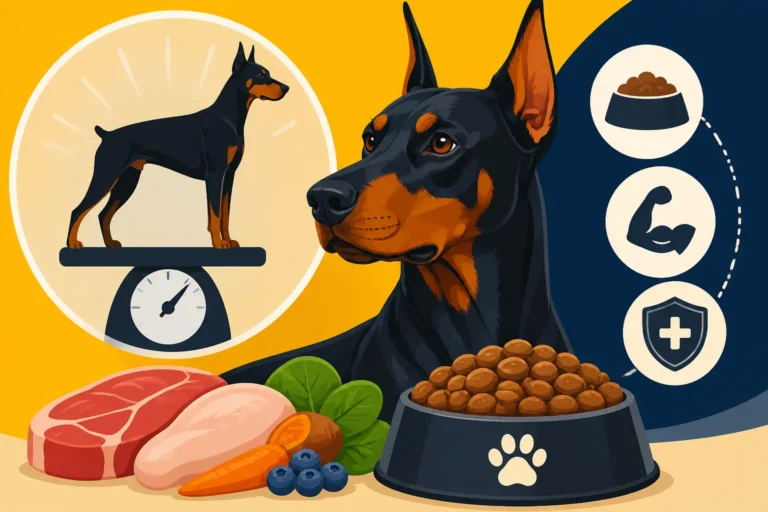
Many Doberman owners worry about the ongoing costs of keeping their beloved companions healthy, especially when it comes to routine preventive care for an eighty-pound dog. This guide will walk you through the essential preventives Dobermans need, explore the factors influencing their cost, and offer practical strategies to manage these expenses without compromising your dog's well-being.
The Foundation of Doberman Health: Essential Preventative Care
Dobermans, like all dogs, rely on consistent preventive care to live long, healthy lives. But with their specific breed predispositions and larger size, staying on top of these essentials isn't just a suggestion; it's a necessity. It’s not just about avoiding immediate illness, but about safeguarding against chronic conditions that can become far more expensive and heartbreaking down the line. A proactive approach here truly saves money and worry in the long run.
Protecting Against Heartworm: A Year-Round Commitment
Heartworm disease is a silent, insidious threat spread by mosquitoes. For a Doberman, a breed already predisposed to heart issues like The Heart Disease That Reaches Most Dobermans, consistent heartworm prevention is absolutely non-negotiable. Imagine the devastation of learning your active, seemingly healthy Doberman has heartworms, potentially compounding an already stressed cardiovascular system. This isn't just a summer concern; mosquitoes can be present year-round in many climates, making continuous monthly prevention crucial.
Many owners, especially those new to large breeds, might underestimate the financial impact of lifelong heartworm medication. They might balk at the cost, perhaps thinking a gap in coverage won't hurt, or that their indoor dog is safe. However, just one mosquito bite can transmit the larvae, leading to adult worms that can wreak havoc on the heart, lungs, and blood vessels. Treatment for established heartworm disease is not only expensive—often thousands of dollars—but also incredibly hard on the dog, involving strict activity restriction and potentially painful injections, not to mention the long-term damage already done. It's a prime example of where prevention truly is far cheaper and kinder than a cure.
It's vital to remember that heartworm prevention requires a veterinary prescription. Your vet will typically perform an annual heartworm test – something you absolutely need to factor into your budget. If you want to understand more about the testing, consider reading The Blood Test That Flags a Doberman Heart. This routine check ensures your Doberman isn't already infected before starting or continuing medication, preventing a potentially dangerous reaction to the preventive itself. Thinking about the overall health picture for your Doberman, remember that Whether the Heart Takes Most Dobermans is a very real concern for our breed.
Battling Fleas and Ticks: More Than Just an Itch
Fleas and ticks aren't just annoying pests; they're carriers of serious diseases that can severely impact your Doberman's health. Ticks can transmit Lyme disease, Ehrlichiosis, Anaplasmosis, and Rocky Mountain Spotted Fever, while fleas can cause severe allergic reactions (Flea Allergy Dermatitis), lead to tapeworm infections, and, in heavy infestations, even cause anemia, especially in puppies or older dogs. For a powerful, athletic Doberman, these diseases can mean joint pain, lethargy, and a host of other debilitating symptoms that sideline their active lifestyle and lead to costly vet visits.
The market is flooded with flea and tick products—from oral chews and topical spot-ons to collars and sprays. Choosing the right one for your eighty-pound Doberman isn't always straightforward. Factors like your dog's lifestyle (are they a hiking companion or a backyard lounger?), the prevalence of pests in your area, and any existing health conditions (such as skin sensitivities) will influence your veterinarian's recommendation. Some products target only fleas, others only ticks, and many offer broad-spectrum coverage. It’s crucial to discuss these options with your vet to ensure maximum efficacy and safety, rather than just grabbing the cheapest option off the shelf.
A single missed dose or an ineffective product can quickly lead to an infestation, not just on your Doberman, but in your home. Eradicating fleas from your house can be an intensive and expensive process, involving professional exterminators, constant vacuuming, and treating all pets. It far outweighs the cost of consistent monthly or quarterly prevention. For Dobermans with their short, fine coats, fleas might be easier to spot than on a shaggier dog, but don't let that fool you into thinking they're less susceptible. Their lean physique and active nature mean they are just as likely to encounter these pests, and suffer from their bites.
Staying Current on Vaccinations and Annual Health Checks
Vaccinations are fundamental to protecting your Doberman from highly contagious and potentially fatal diseases like rabies, distemper, parvovirus, and adenovirus. While puppies receive an initial series, adult Dobermans still require regular boosters, typically every one to three years, depending on the vaccine and your veterinarian's protocol based on local risk factors. Rabies vaccination is legally mandated in most places, and failing to keep it current can have serious consequences beyond just health risks, including legal penalties and quarantine requirements.
Beyond the specific vaccines, the annual veterinary health check is a cornerstone of preventive care. This isn't just a quick jab; it's a comprehensive physical examination where your vet assesses everything from your Doberman's teeth and ears to its heart, lungs, joints, and overall body condition. For a breed like the Doberman, prone to issues such as The Doberman Years When Everything Shows Up, this yearly check-up can be crucial for early detection of subtle changes that might indicate the onset of health problems. Early detection, whether it's a new heart murmur or a suspicious lump, can lead to more effective and less invasive treatment options, often saving you significant money and heartache in the long run.
These annual visits also provide an invaluable opportunity to discuss your Doberman's diet, exercise routine, behavior, and any concerns you might have. It's your chance to ask questions about new products, training challenges, or changes in your dog's temperament. Think of it as a wellness strategy session, ensuring your eighty-pound Doberman is thriving not just physically, but mentally too. It's also the perfect time to discuss any concerns you might have about Vaccination and Anesthesia in a Doberman, ensuring all procedures are safe.
The Cost of Keeping an Eighty-Pound Doberman Protected
Understanding the financial commitment required for preventive care is key to responsible Doberman ownership. While specific prices fluctuate based on location, veterinary practice, and brand choices, we can break down the general cost structure you're likely to encounter. This transparency helps you budget effectively for the life of your large, beloved companion.
Deconstructing the Heartworm Prevention Bill
Heartworm preventives for an eighty-pound Doberman typically come in monthly doses, and their cost can vary. Oral chews are very popular, often combined with flea/tick prevention, making them convenient. There are also injectable options that last six or twelve months, which can be a good choice for owners who struggle to remember monthly dosing, but these often have a higher upfront cost. Generally speaking, expect the larger dose required for a Doberman of this weight to be on the higher end of the price spectrum for heartworm medication compared to smaller breeds.
When evaluating costs, consider the convenience versus the raw price per dose. A multi-parasite oral chew might seem more expensive upfront, but if it covers heartworm, fleas, ticks, and common intestinal worms, it might be more cost-effective than buying separate products. Conversely, a stand-alone heartworm medication might be cheaper if you prefer a different method for flea/tick control. The annual heartworm test itself also adds to the cost, typically ranging from a smaller fee to a moderate amount depending on the clinic and if it's bundled with other annual blood work.
It's also worth noting that prices can differ significantly between your local veterinary clinic, online pet pharmacies, and big-box pet retailers. While your vet might offer a competitive price or loyalty discounts, online sources often provide subscriptions or bulk pricing that can lead to savings, especially for year-long supplies. Always compare, but remember that many heartworm preventives require a prescription, so you'll need your vet's approval no matter where you purchase.
Flea and Tick Control: Exploring Your Options
The cost of flea and tick prevention for an eighty-pound Doberman depends heavily on the type of product you choose and its duration of efficacy. It's not a one-size-fits-all situation, and what works for one dog or household might not be ideal for another.
- Oral Chews: These are often given monthly or quarterly and are highly effective, with costs varying by brand and whether they also contain heartworm or intestinal worm preventives. They tend to be a preferred choice for Dobermans because they are internal and not affected by bathing or swimming, which is great for active dogs.
- Topical Spot-Ons: Applied directly to the skin, usually between the shoulder blades, these are typically monthly treatments. Their cost can be slightly lower than oral chews, but they might not be suitable for Dobermans with sensitive skin or those that swim frequently, as the effectiveness can be reduced by water.
- Collars: Some newer collars offer 6-8 months of protection and can be a cost-effective option for long-term prevention. However, make sure the collar is appropriate for a large, active Doberman and won't cause irritation or get lost during rough play. Some Doberman owners also find that certain collars interfere with the aesthetics of their dog's cropped ears, which is a personal consideration.
- Sprays and Shampoos: While these can offer immediate relief during an active infestation, they are generally not recommended as primary long-term preventives due to their shorter efficacy and labor-intensive application on a large dog. They are best used as adjuncts or for acute situations, not routine prevention.
Here's a general comparison table for different flea and tick preventive types, keeping an eighty-pound Doberman in mind:
| Preventive Type | Administration Frequency | Pros for a Doberman | Cons for a Doberman |
|---|---|---|---|
| Oral Chews | Monthly or Quarterly | Highly effective, not affected by water, often multi-parasite, easy to administer to food-motivated dogs. | Can be more expensive per dose, requires veterinary prescription. |
| Topical Spot-Ons | Monthly | Generally effective, less expensive than oral chews, good for dogs who won't take pills. | Can be messy, affected by bathing/swimming, potential for skin irritation at application site, needs careful application to ensure full dose. |
| Collars | 6-8 Months | Long-lasting, can be very cost-effective over time, no oral medication. | May cause neck irritation, can get lost or damaged during activity, some brands less effective than others, appearance might conflict with cropped ears. |
Always remember that for a robust Eighty-Pound Doberman, consistent protection against fleas and ticks is crucial for their comfort and health.
Annual Vet Visits and Vaccination Costs
The annual vet visit for an eighty-pound Doberman will encompass the physical exam fee, necessary vaccinations, and any recommended annual bloodwork (like the heartworm test mentioned earlier, or general wellness panels, especially as your Doberman enters its middle to senior years). Exam fees can vary widely depending on your region and the type of clinic (e.g., a small town vet vs. a specialized urban practice or a university teaching hospital). Expect to pay more in metropolitan areas.
Vaccination costs are usually calculated per vaccine. Core vaccines (like distemper/parvovirus combo) are generally less expensive than non-core vaccines (such as kennel cough or leptospirosis) that are given based on your Doberman's risk factors. If your Doberman is regularly boarded, attends doggy daycare, or spends time outdoors in areas with wildlife, your vet might recommend additional vaccines, which will naturally increase your annual bill. Discuss these risk factors openly with your vet to tailor a vaccination schedule that provides adequate protection without unnecessary expenses.
It's tempting to skip annual check-ups to save money, but for a Doberman, this can be a false economy. Screening an Older Doberman More Often becomes even more critical as they age, with early detection of conditions like hypothyroidism or emerging cardiac issues leading to better outcomes and often less costly management in the long run. These routine appointments are your first line of defense against the more serious, and expensive, health challenges Dobermans can face. It's much easier to manage a condition when it's caught early, before it progresses into a crisis.
Smart Strategies for Managing Doberman Preventive Care Costs
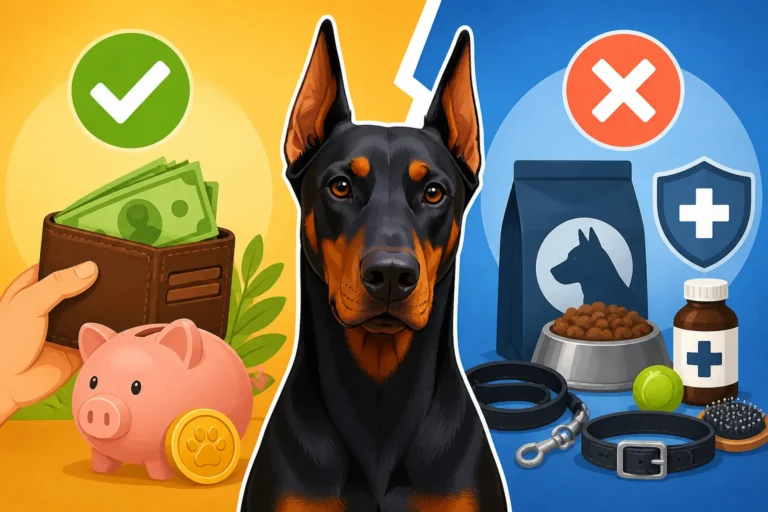
Responsible Doberman ownership means being proactive about health and finances. Luckily, there are several smart strategies you can employ to manage the cost of preventives for your eighty-pound Doberman without ever cutting corners on their care. It's about being informed and making savvy choices.
Leveraging Online Pharmacies and Subscription Services
One of the most effective ways to save on prescription preventives and over-the-counter flea/tick products is by using reputable online pharmacies or pet supply retailers. Companies like Chewy often offer competitive pricing, especially if you opt for auto-ship subscriptions, which can provide a discount on recurring orders. This is particularly useful for monthly heartworm medication or quarterly flea/tick chews that you know you'll need consistently for your large Doberman. The convenience of having them delivered to your door is an added bonus.
However, a crucial point here is that for prescription medications, these online pharmacies still require your veterinarian's approval. You'll place your order, and the online pharmacy will contact your vet for verification. Always ensure you're using a Veterinary-Verified Internet Pharmacy Practices Sites (Vet-VIPPS) accredited pharmacy to guarantee the quality and authenticity of the medications. While convenience and potential savings are huge benefits, never compromise on safety or efficacy by purchasing from unverified sources. You can also sometimes get discounts if you purchase a 6- or 12-month supply at once, which can lead to significant savings over the year.
Consider that these online retailers don't just carry medication. They can also be a source for high-quality food, treats, and other supplies. For example, if you're exploring fresh food options for your Doberman, a service like Ollie, while primarily a fresh food delivery, emphasizes overall canine well-being, which indirectly supports preventive health through optimal nutrition. While not directly a preventive medication provider, these kinds of services highlight the broader landscape of pet care products that can be sourced smartly.
The Role of Pet Insurance and Wellness Plans
Pet insurance can be a game-changer for Doberman owners, especially considering the breed's predispositions to conditions like DCM and Wobbler Syndrome in the Doberman. While most standard pet insurance policies focus on accidents and illnesses (and often exclude pre-existing conditions), many providers, including reputable ones like Healthy Paws, offer optional wellness add-ons or separate wellness plans. These plans are designed to cover or reimburse a portion of routine preventive care costs, such as annual exams, vaccinations, heartworm tests, and sometimes even flea/tick and heartworm medications.
It's vital to read the fine print with any pet insurance policy. Understand what exactly is covered under a wellness plan, what the reimbursement percentages are, and if there are any annual caps. For an eighty-pound Doberman, those monthly preventive costs add up, so a plan that offers a significant reimbursement could lead to substantial savings over the year. The peace of mind that comes with knowing routine care is budgeted for, and that you have coverage for unexpected emergencies, is invaluable. For more on this, you might explore Insuring a Doberman Before the Heart Turns.
Some clinics also offer in-house wellness packages, which are essentially pre-paid bundles of common preventive services (exams, vaccines, certain tests) at a discounted rate. These can be a good alternative if you prefer to deal directly with your vet and want a predictable monthly payment for routine care. Always compare these options against traditional pet insurance wellness riders and online pharmacy costs to see which combination offers the best value for your specific Doberman's needs and your budget. This foresight can prevent you from facing difficult choices later.
Strategic Purchasing and Vet Relationships
Building a strong relationship with your veterinarian is not just about medical care; it can also indirectly help with cost management. A good vet understands your financial concerns and can guide you toward the most cost-effective yet medically sound preventive choices. They might be aware of manufacturer rebates on heartworm or flea/tick medications, or offer bundled discounts on services like annual exams and bloodwork. Don't be afraid to have an honest conversation about your budget – a good vet will work with you to prioritize care, helping you avoid issues like The Bleeding Disorder Almost Every Doberman Line Carries through informed decisions.
Consider purchasing preventives in bulk when possible, if your vet allows. Buying a year's supply of heartworm medication at once, for example, can sometimes come with a per-dose discount compared to buying it month-to-month. This also ensures you never miss a dose, which can lead to far greater costs if your Doberman contracts a preventable disease. For general supplies, remember that A Month of Food for an Eighty-Pound Doberman and other recurring costs can be optimized by strategic shopping and bulk buys.
Finally, always be on the lookout for legitimate promotions or savings programs offered by pharmaceutical companies. Sometimes, buying a specific brand of heartworm and flea/tick preventive together can unlock rebates. Your veterinary clinic often has information on these programs. By combining smart shopping, leveraging technology, and maintaining open communication with your vet, you can effectively manage the preventive care costs for your eighty-pound Doberman, ensuring they live their healthiest, happiest life. These costs are just one part of A Doberman's Whole-Life Total that requires careful planning, and being prepared is the best way to be a responsible owner.
Disclaimer
This article is for general informational purposes only and does not constitute professional advice. Laws, prices and regulations vary by location and change over time. Consult a qualified professional for guidance on your specific situation.