Getting a Doberman Covered Before the First Echo
It's a heartbreaking reality for Doberman owners: the looming shadow of Dilated Cardiomyopathy (DCM), a devastating heart condition that can strike even seemingly healthy dogs. The thought of facing staggering veterinary bills when your beloved Doberman needs critical care is enough to keep anyone up at night. This comprehensive guide will walk you through the crucial steps of securing pet insurance for your Doberman before they undergo their first cardiac screening, aiming to prevent the agonizing scenario of a pre-existing condition exclusion.
The Urgency of Early Doberman Insurance Enrollment
Dobermans are majestic, intelligent, and fiercely loyal companions, but they are also genetically predisposed to certain health conditions, with heart disease, particularly DCM, being at the top of the list. Many owners, understandably, want to get a baseline on their Doberman's heart health with an echocardiogram (echo) and Holter monitor early on. However, this proactive approach, while excellent for health management, can inadvertently complicate pet insurance coverage if not handled strategically.
Why the Doberman's Heart Condition Changes Everything
DCM is a progressive disease where the heart muscle weakens and becomes enlarged, losing its ability to pump blood efficiently. It's often silent in its early stages, meaning your Doberman can appear completely normal even as the disease progresses. This is precisely why early screening, like an Annual Echo and Holter Screening for a Doberman, is so vital for the breed. The challenge arises because, once a Doberman has been diagnosed with DCM, or even if an echocardiogram reveals early changes like mild chamber enlargement or arrythmias, these findings are immediately considered a pre-existing condition by insurance companies.
Imagine bringing your energetic two-year-old Doberman to the vet for their first cardiac screening. The vet performs an echo, and while your dog seems fine, the results show some very subtle changes, perhaps a slightly enlarged left ventricle or a few premature ventricular contractions (PVCs) on a Holter monitor. These might not be severe enough for immediate medication, but they are definitive signs that the heart is not perfectly normal. If you haven't enrolled your Doberman in pet insurance before this appointment, any future claims related to DCM or other cardiac issues will almost certainly be denied because the condition existed, even if undiagnosed, prior to your policy's effective date. This is the cruel reality that many Doberman owners face when they try to do right by their dogs' health.
The 'Pre-Existing Condition' Clause and Your Doberman
The "pre-existing condition" clause is perhaps the most significant hurdle for Doberman owners seeking pet insurance. In simple terms, a pre-existing condition is any illness or injury that your pet showed signs of, or was diagnosed with, before your insurance policy's effective date or the end of its waiting periods. This includes conditions that might have been "undiagnosed" but were evident in your pet's medical records or by symptoms.
For Dobermans, this means that if your dog's first echo or Holter reveals any abnormality related to their heart, even a subtle one, that condition, and often any related cardiac issues, will be excluded from coverage for the lifetime of that policy. It doesn't matter if your Doberman seems healthy and full of life; if the vet notes it, the insurer sees it. This is why securing a policy for your Doberman, ideally as a puppy or young adult, before any specialized heart screenings begin, is paramount. You want to ensure that if the devastating diagnosis of The Heart Disease That Reaches Most Dobermans ever comes, you have a financial safety net in place to cover the extensive and often lifelong treatment costs. The financial burden of managing advanced DCM can be immense, easily running into thousands of dollars annually for medications, specialist visits, and emergency care.
Understanding the Waiting Periods for Heart Coverage
Even if you enroll your Doberman in pet insurance when they are young and seemingly healthy, there's another critical factor to consider: waiting periods. Most pet insurance policies have waiting periods—a specified length of time from the policy's effective date before certain conditions are eligible for coverage. These can vary by condition and by provider.
Typically, you'll find:
- Accident Waiting Periods: Often very short, sometimes just a few days.
- Illness Waiting Periods: Usually around 14 days, covering common illnesses.
- Orthopedic/Specialty Waiting Periods: These are often longer, sometimes 6 months or even a year, for conditions like cruciate ligament injuries, hip dysplasia, or certain genetic disorders. While DCM isn't typically listed as an "orthopedic" condition, some insurers might categorize certain chronic or genetic conditions under longer waiting periods or have specific terms for cardiac issues.
It's crucial to read the fine print of any policy you're considering. You want to ensure that by the time your Doberman reaches the age when cardiac screenings are recommended—often starting around 2-3 years old, as The Age Doberman Heart Disease Usually Starts—all relevant waiting periods, especially for chronic and genetic illnesses like DCM, have passed. If a cardiac issue arises or is detected during a screening within a waiting period, it will still be considered pre-existing. It's truly a race against time, as often The Silent Years Before a Doberman's Heart Shows no outward symptoms.
Navigating Insurance Options for Your Young Doberman
Choosing the right pet insurance for a Doberman can feel like navigating a minefield, given the breed's specific health vulnerabilities. It's not just about finding any policy; it's about finding the right policy that offers meaningful coverage when you need it most.
Comparing Policy Types: Accident-Only vs. Comprehensive
When you begin researching pet insurance, you'll generally encounter two main types of policies:
-
Accident-Only Policies: As the name suggests, these policies cover costs associated with unexpected accidents, such as broken bones, swallowed objects, or car-related injuries. They are typically less expensive, but they offer no coverage for illnesses, chronic conditions, or hereditary diseases like DCM. For a Doberman owner, an accident-only policy offers very limited protection against the most significant health risks. While it might cover an emergency visit if your Doberman gets into a scrape, it will leave you completely exposed to the costs of managing Why a Doberman Heart Fails Before Anyone Notices. This is generally not the recommended option for Dobermans.
-
Comprehensive Policies: These are the gold standard for Dobermans. Comprehensive plans cover both accidents and illnesses, including hereditary and chronic conditions, often after waiting periods. This is the type of policy you'll need to help with the costs of diagnosing and treating DCM, Wobbler syndrome, von Willebrand's disease, or other breed-specific ailments. These plans come with more options, like annual limits, deductibles, and reimbursement percentages, allowing you to tailor coverage to your budget and risk tolerance. For a Doberman, investing in a robust comprehensive plan when they are young and healthy is arguably one of the most important financial decisions you'll make as an owner.
Researching Providers That Understand Doberman Risks
Not all pet insurance providers are created equal, especially when it comes to breeds with known predispositions like the Doberman. Some companies might have specific exclusions or less favorable terms for certain genetic conditions. When you're shopping around, be upfront about owning a Doberman. Ask direct questions about coverage for:
- Dilated Cardiomyopathy (DCM)
- Wobbler Syndrome (Wobbler Syndrome in the Doberman)
- Von Willebrand's Disease (The Bleeding Disorder Almost Every Doberman Line Carries)
- Hypothyroidism
- Bloat (Gastric Dilatation-Volvulus)
Look for providers that have a reputation for covering these conditions, assuming they are not pre-existing. Some popular providers like Healthy Paws are often praised for their comprehensive coverage, but it is always vital to check their specific terms regarding hereditary conditions and waiting periods for your breed. You might also find services through retailers like Chewy that partner with various insurance companies, offering a range of options to explore. Keep in mind that "breed-specific" exclusions are rare with reputable insurers, but the impact of the pre-existing clause is amplified for breeds like the Doberman.
What to Look for in a Doberman-Friendly Policy
Beyond comprehensive coverage, several features are particularly important for Doberman owners:
- High Annual Payout Limits or Unlimited Payouts: DCM treatment can be very expensive, especially as How a Doberman Heart Enlarges Before Symptoms and requires multiple medications, specialist visits, and diagnostics. A policy with a low annual limit might quickly be exhausted, leaving you with significant out-of-pocket costs.
- Low Deductible and High Reimbursement: While a higher deductible lowers your monthly premium, a lower deductible means you pay less before your coverage kicks in. Similarly, a higher reimbursement percentage (e.g., 80-90%) means the insurer pays a larger portion of the covered vet bill.
- Clear Policy on Hereditary Conditions: Get a clear understanding of how the policy handles hereditary conditions. Ideally, you want a policy that covers them as long as they are not pre-existing. This is where getting coverage before any issues are flagged becomes crucial.
- Short Waiting Periods for Illness: The shorter the waiting period for illnesses, the sooner your Doberman's conditions (that arise after enrollment) will be covered.
- No Upper Age Limits: While you're getting coverage when your Doberman is young, ensuring the policy doesn't drop coverage or become prohibitively expensive as they enter The Doberman Years When Everything Shows Up later in life is also a good consideration.
Here’s a quick overview of key terms to consider:
| Feature | Description | Doberman Owner's Consideration |
|---|---|---|
| Deductible | The amount you pay out-of-pocket before the insurance company starts reimbursing you. Can be per incident or annual. | Opt for an annual deductible, if available, as chronic conditions like DCM will incur repeat costs. Choose a manageable amount that won't strain your budget for routine specialist visits. |
| Reimbursement Level | The percentage of the covered vet bill that the insurance company pays back (e.g., 70%, 80%, 90%). | Aim for 80-90% reimbursement. Doberman care can be costly, and a higher reimbursement means significantly lower out-of-pocket expenses for ongoing treatments, especially if your dog needs medications like Pimobendan later on. |
| Annual Limit | The maximum amount the policy will pay out in a 12-month period. Some policies offer unlimited payouts. | For a Doberman, an unlimited or very high annual limit is strongly recommended. DCM treatment, emergency care, and specialist visits can quickly exceed lower annual limits, especially for a condition that progresses over years. |
| Waiting Periods | The time frame before certain conditions are eligible for coverage (e.g., 14 days for illness, 6 months for orthopedic). | Enroll your Doberman as early as possible to clear these waiting periods before any diagnostic screenings for heart disease or other genetic conditions. This is the single most critical factor to avoid pre-existing condition exclusions for DCM. |
| Pre-Existing Conditions | Any illness or injury that occurred or showed symptoms before the policy's effective date or during the waiting periods. | This is the biggest hurdle for Dobermans. Ensure you have a policy in place before any cardiac screenings, even if your Doberman appears perfectly healthy, to prevent a future DCM diagnosis from being excluded. Whether Any Insurer Excludes Doberman Heart Disease is a common concern, but the real issue is when you enroll. |
| Wellness Add-Ons | Optional coverage for routine care like annual exams, vaccinations, and parasite prevention. | Generally not critical for covering major Doberman health risks, as they focus on preventive care. However, if your budget allows and you value predictability for routine costs, it can be a nice bonus. For heart screenings, you need a comprehensive plan, not a wellness plan. |
The Practical Steps to Insure Your Doberman Before Screening
It's not enough to simply decide to get insurance; there's a specific, proactive approach Doberman owners should take to ensure maximum coverage for their beloved companions. This means understanding timelines and being diligent with documentation.
Gathering Your Doberman's Initial Health Records
Before you even fill out an application, make sure you have a complete copy of your Doberman's medical history from your veterinarian. This includes:
- Puppy Vaccination Records: Documentation of all their initial shots.
- Spay/Neuter Certificate: If applicable.
- Wellness Exam Notes: Any initial check-ups, even if they showed nothing amiss.
- Breeder Health Clearances: If your Doberman came from a reputable breeder, they should have provided copies of health testing for the parents, which can be valuable context. For example, knowing the status of The Two Doberman DCM Gene Tests on the parents can offer insight, but these DNA tests do not replace physical cardiac screening for your own dog.
Insurance companies will typically request your Doberman's vet records once you file a claim, or sometimes even during the application process, to establish a baseline of health. Having these records readily available ensures a smoother process and helps prove that your Doberman was symptom-free when you enrolled. The goal is to establish that your Doberman was a clean slate health-wise before their policy became effective and before any specific Doberman health concerns were even investigated.
The Application Process and Important Disclosure
When applying for pet insurance, be honest and thorough. Don't withhold information, even if you think it's minor. Most applications will ask about your Doberman's breed, age, and any known health issues. Some might specifically ask about past symptoms or diagnoses.
The key is to apply and have the policy active before any vet visit where cardiac screening might be performed or discussed. Even a note in the vet's chart suggesting a murmur, even if benign, or a plan to "monitor heart" could potentially be flagged as a pre-existing condition later. You want the policy to be firmly in place, and all waiting periods to have passed, before that first baseline echo is ever scheduled. Some pet food and supply companies, such as Ollie, might even offer partnerships or resources for pet insurance, so it's worth checking all avenues as you research. The earlier you apply for pet insurance, the better, ideally when your Doberman is just a puppy.
Maintaining Coverage as Your Doberman Ages
Once your Doberman is insured, it's vital to maintain continuous coverage. Do not let your policy lapse, as this can lead to new waiting periods or even reclassification of previously covered conditions as pre-existing if you re-enroll later. As your Doberman gets older, and enters the years when heart disease is more prevalent, like The Doberman Years When Everything Shows Up, your insurance will become even more valuable.
- Annual Renewals: Be aware of your policy's annual renewal. Premiums may increase slightly each year, but the benefits of continuous coverage, especially for a Doberman, far outweigh these potential increases.
- Review Your Policy: Occasionally review your policy to ensure it still meets your Doberman's needs. While you typically can't add coverage for a condition that has already emerged, understanding your benefits is important.
- Keep Records: Continue to keep detailed records of all vet visits, diagnoses, and treatments. This meticulous documentation will be invaluable if you ever need to file a complex claim.
Remember, pet insurance is designed to protect against the unexpected. For a Doberman, the development of DCM is unfortunately a highly expected, though unwelcome, possibility. Getting coverage early transforms that possibility from a potential financial catastrophe into a manageable health journey.
Maximizing Your Doberman's Health and Financial Protection
Getting pet insurance before the first echo is a smart financial move, but it's just one piece of the puzzle. Comprehensive care for your Doberman involves both proactive health management and understanding the full scope of your insurance protection.
The Role of Routine Screening Even With Insurance
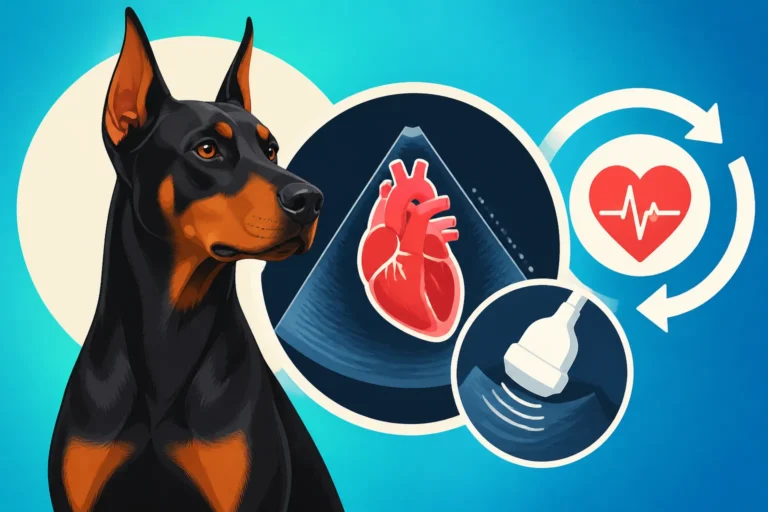
Having pet insurance doesn't mean you should skip regular health screenings. In fact, it should empower you to be more diligent. For Dobermans, annual cardiac screenings, including echocardiograms and Holter monitoring, are crucial for early detection of DCM. While insurance won't usually cover the cost of these routine screenings themselves (unless you have a specific wellness add-on), it will cover the extensive diagnostic work-up and treatment that follows if an abnormality is detected.
Early detection of DCM, even if it's just How a Doberman Heart Enlarges Before Symptoms without outward signs, can allow your veterinarian and a veterinary cardiologist to start medications like Pimobendan in the occult (hidden) phase. Studies suggest that early intervention can significantly extend a Doberman's quality of life. Without insurance, the fear of diagnosis costs alone might deter some owners from these vital screenings. With it, you can confidently pursue the best care for your Doberman, knowing the heavy financial burden of treatment for What an Abnormal Echo Does to a Doberman Policy is largely mitigated.
Considering Lifetime Limits and Payout Structures
As mentioned earlier, the annual limit is crucial, but some policies also have "lifetime limits" per condition or per pet. For a chronic, progressive disease like DCM, which your Doberman might live with for several years once diagnosed, you want to be sure your policy offers sufficient long-term coverage.
Some policies might have a maximum payout for a specific condition over the dog's lifetime. While this is less common with modern, robust policies, it's worth double-checking. For a Doberman, an unlimited annual payout is often the most desirable feature, ensuring that you won't hit a ceiling on covered expenses year after year. Understanding how Renewing a Doberman Policy in the DCM Years works is also essential. Most policies will continue to cover a chronic condition once it's established, provided there was no lapse in coverage and it wasn't pre-existing.
Beyond DCM: Other Doberman-Specific Health Concerns
While DCM rightly gets a lot of attention for Dobermans, the breed is susceptible to several other genetic and acquired conditions that can also be very costly to treat. A good comprehensive insurance policy should ideally cover these as well, again, assuming they are not pre-existing when you enroll:
- Wobbler Syndrome (Cervical Vertebral Instability): This neurological condition affects the neck and can lead to an unsteady gait or paralysis. Diagnosis often requires expensive imaging like MRIs, and treatment can involve surgery or long-term medication and physical therapy.
- Von Willebrand's Disease (vWD): A genetic bleeding disorder that can make even minor injuries or routine surgeries (like spaying/neutering) dangerous due to excessive bleeding. Genetic testing can identify carriers and affected dogs, but medical management for bleeds is crucial.
- Hypothyroidism: While often manageable with medication, diagnosis and monitoring require blood tests.
- Gastric Dilatation-Volvulus (GDV) or Bloat: A life-threatening emergency where the stomach twists. Immediate, expensive surgery is often the only option. While not strictly genetic, deep-chested breeds like Dobermans are at higher risk.
By securing comprehensive pet insurance early in your Doberman's life, before any of these conditions manifest or are diagnosed, you create a financial safety net that allows you to provide the best possible care throughout their life, easing the burden during challenging times. Whether it's the cost of a specialist visit for a suspected Wobbler, or the ongoing medication for heart disease, pet insurance can make a world of difference.
Disclaimer
This article is for general informational purposes only and does not constitute professional advice. Laws, prices and regulations vary by location and change over time. Consult a qualified professional for guidance on your specific situation.