Whether a Doberman Needs Guard Training
Many Doberman owners, or those considering bringing one of these magnificent dogs into their home, often wonder if their Doberman needs formal guard training. It’s a common misconception, fueled by their imposing appearance and historical reputation, that these dogs inherently require specialized bite work or protection training to fulfill their protective role. This guide will explore the Doberman's natural instincts, clarify what "guard training" truly entails, and explain why, for most pet homes, focusing on proper socialization and foundational obedience is not only sufficient but actually far safer and more beneficial.
Understanding the Doberman's Natural Instincts
The Doberman Pinscher was deliberately bred for protection, there's no denying that. Karl Dobermann, the tax collector who first developed the breed, needed a fearless companion to accompany him on his rounds, keeping him safe from bandits. This history has etched certain characteristics deeply into the breed's DNA.
The Doberman's Historical Role
Back in the late 19th century in Apolda, Germany, Karl Dobermann curated a dog that was intelligent, powerful, and unequivocally protective. He wasn't just looking for a strong dog; he needed one with an innate sense of duty and vigilance. This careful selection meant that even the earliest Dobermans possessed a potent combination of courage and discernment. They were expected to assess threats and react appropriately, not just blindly attack. This historical context is vital because it explains why our Dobermans today don't usually need to be taught how to be alert; it's simply part of who they are. They are a breed that truly embodies their past as guardians, capable of incredible loyalty and a watchful eye over their family. You can learn more about The Tax Collector Who Invented the Doberman.
Inherent Alertness and Suspicion
One of the most defining traits of the Doberman is its profound alertness. They are keenly aware of their surroundings, often noticing things long before their human companions do. This isn't something that needs to be "trained" into them; it's practically a built-in feature. When a new sound echoes outside, or a car pulls up the driveway, your Doberman will likely be the first to know and will certainly let you know about it. They possess a natural suspicion of strangers, a trait that makes them excellent deterrents without needing any formal instruction to be aggressive. This suspicion isn't hostility; it's a careful assessment, a natural predisposition to observe and decide if a newcomer is friend or foe. They don't jump to conclusions, but they certainly don't offer indiscriminate greetings either.
The "Velcro Dog" Phenomenon and Protection
Dobermans are famously known as "Velcro dogs" because of their intense bond with their families and their desire to always be close. This isn't just a cute quirk; it's intrinsically linked to their protective nature. A Doberman wants to be where you are, not just for companionship, but because they instinctively see themselves as your guardian. If you're in the kitchen, they're likely nearby. If you move to the living room, they follow. This constant proximity allows them to monitor your safety and be ready to act if they perceive a threat. Their presence alone is often enough to deter unwanted visitors. It's this deep connection and ever-present vigilance that forms the true basis of their protective instincts. Many owners find their Doberman's constant presence comforting, a silent promise of security. For more on this, check out Living With a Doberman That Follows You Everywhere.
What is "Guard Training" Anyway?
The term "guard training" can mean different things to different people, and understanding these distinctions is crucial, especially when it comes to a powerful and intelligent breed like the Doberman. Misinterpreting this term can lead to serious consequences for both the dog and the owner.
Defining Protection Work vs. Home Guarding
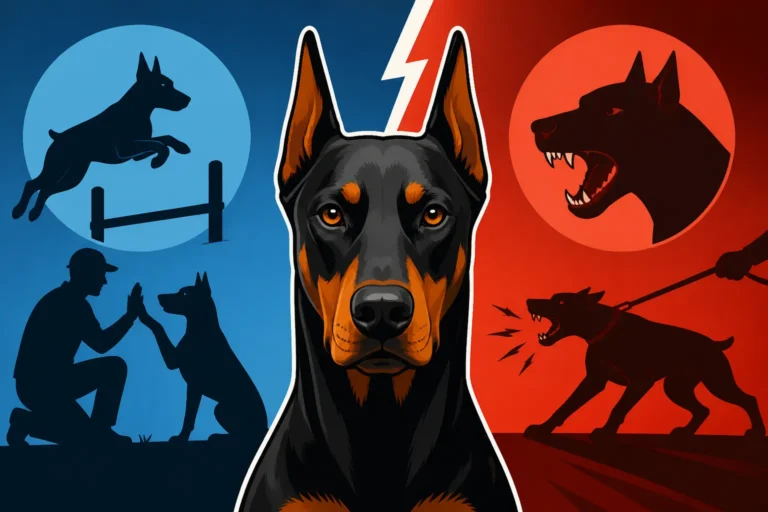
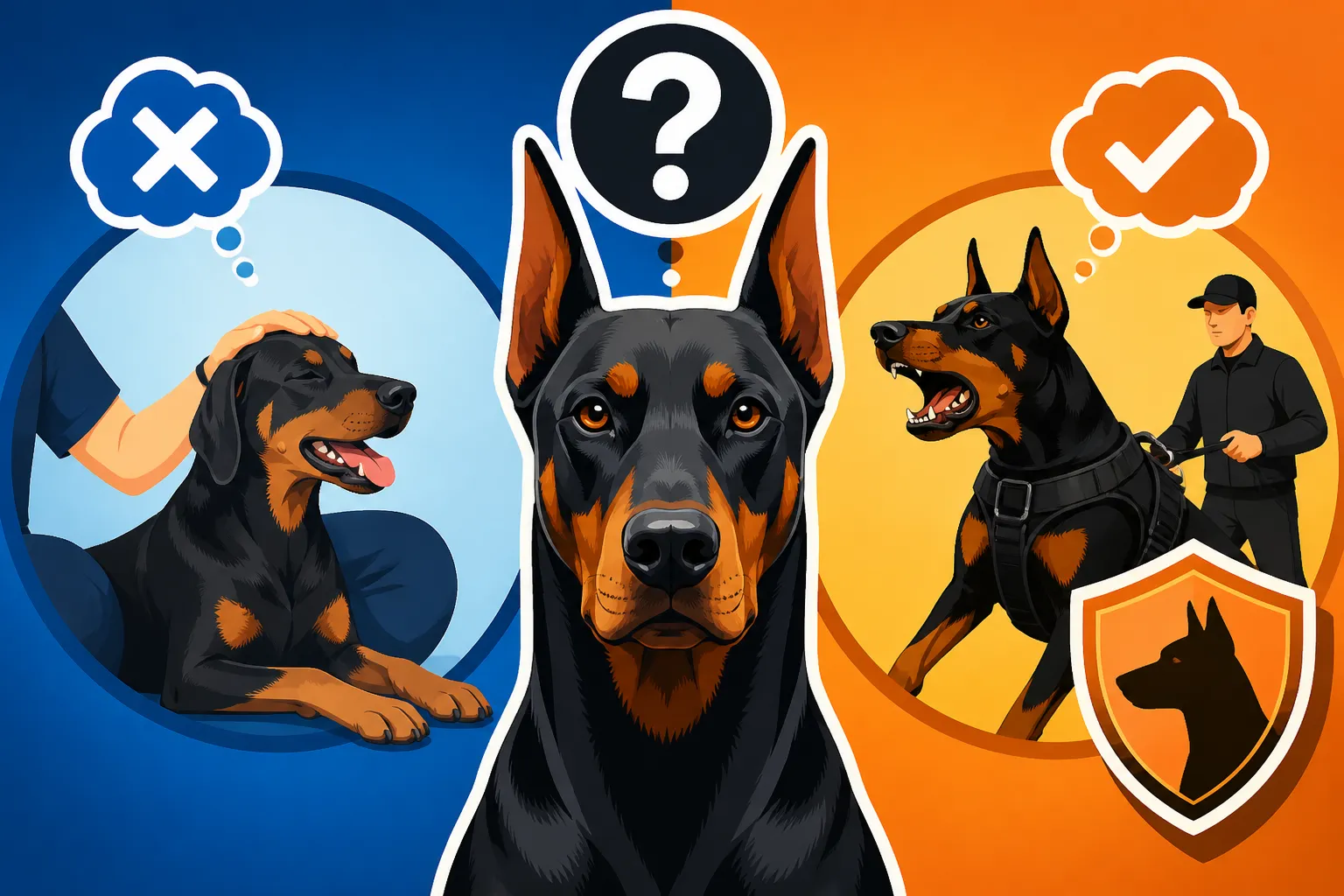
When most people think of "guard training," they often picture a dog trained for bite work or personal protection. This type of training, often seen in professional circles or competitive sports, teaches a dog to bite on command, release on command, and target specific areas of a "threat." This is highly specialized and requires an incredibly stable dog, an experienced handler, and a qualified decoy. This is protection sport, not generally what's needed for a family pet.
On the other hand, home guarding in a pet Doberman often means nurturing their natural instinct to be alert, to bark at suspicious noises, and to simply be present as a deterrent. This doesn't involve teaching them to attack. Their imposing appearance, deep bark, and watchful eyes are usually more than enough to make any intruder think twice. The Doberman's natural temperament, as described by the AKC standard, emphasizes courage and fearlessness, but also dignity and docility with family. It's a balance. The Doberman the AKC Standard Describes speaks to this desired temperament.
The Risks of Professional Guard Training for a Pet
Enrolling a pet Doberman in formal protection or "bite work" training carries significant risks that often outweigh any perceived benefits for a typical family home. These risks include:
- Aggression Misdirection: Training a dog to bite can, in the wrong hands or with an unstable dog, lead to aggression being misdirected. The dog might not be able to differentiate between a real threat and an innocent person, like a child playing rough or a friendly visitor.
- Loss of Control: Once a dog is trained to bite, the owner takes on a massive responsibility. If the dog is not perfectly controlled, or if the owner lacks the expertise to manage such a powerful response, it can lead to tragic accidents and legal liabilities.
- Temperament Changes: A dog’s natural protective instincts are rooted in a stable, discerning temperament. Formal bite work, if not done with extreme care and by highly reputable professionals, can sometimes foster anxiety or an over-reactive state, rather than true confidence. Instead of a calm guardian, you might end up with a dog that is stressed and prone to lashing out.
- Unnecessary for Pet Life: For 99% of pet owners, this level of training is completely unnecessary. The Doberman’s natural presence and alertness are usually sufficient for home security. You can read more about Why Guard Training Ruins Most Pet Dobermans.
When a Doberman Doesn't Need Formal Guard Training
The vast majority of Dobermans do not need formal guard training. Their natural instincts, combined with proper socialization and obedience training, are usually all that is required for them to be excellent family protectors. A Doberman's mere presence is a deterrent.
Consider the typical family scenario: a stranger approaches the house. Your Doberman, without any formal guard training, will likely bark, stand between you and the stranger, and project an air of confidence and watchfulness. This is their natural guarding instinct kicking in. They are communicating clearly, "I am here, and I am watching." This behavior, born of their breed heritage and loyalty, is what most owners desire and need. It's about presence, not aggression. Their loyalty means they will protect you without needing a command to do so; it's an inherent drive based on their bond with you.
Building a Naturally Confident and Protective Doberman (Without Formal Guard Training)
Instead of focusing on formal guard training, the best way to cultivate a protective yet stable Doberman is through comprehensive socialization, consistent training, and a strong, trusting relationship. This approach builds a dog that is confident in any situation, capable of discerning threats, and always loyal to its family.
Foundation of Socialization and Exposure
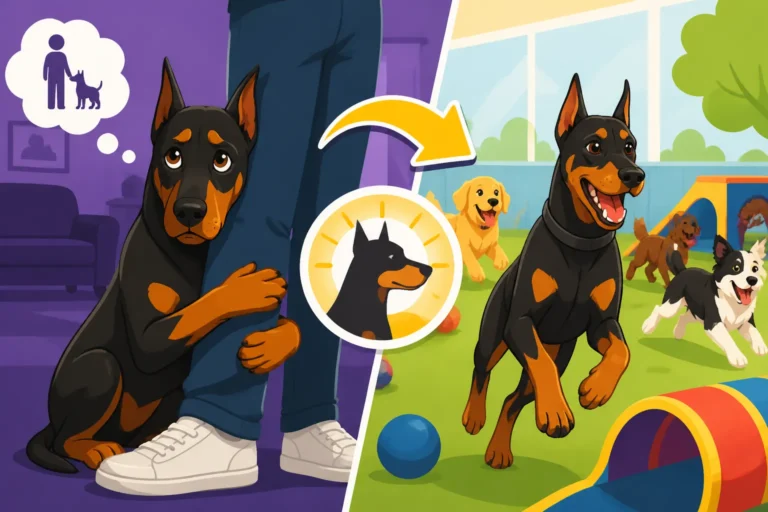
Early and ongoing socialization is the cornerstone of a stable Doberman. A well-socialized Doberman puppy learns to navigate the world with confidence, rather than fear or aggression. This means exposing them to a wide variety of sights, sounds, people, and environments from a young age. Think about taking your Doberman puppy to bustling parks (once fully vaccinated), quiet coffee shops, and even just for car rides through town. Introduce them to different types of people: children, adults, people in hats or uniforms, individuals with canes or wheelchairs. The more positive experiences they have, the less likely they are to react aggressively out of fear later in life.
A fantastic resource for getting this right from the start is an online puppy school. Programs like those offered by BAXTER & Bella can guide you through the crucial early weeks and months, providing structured socialization exercises and foundational obedience that are essential for developing a well-adjusted Doberman. These programs help you introduce new stimuli in a controlled, positive manner, ensuring your Doberman builds confidence, not anxiety. Remember, a confident dog is a calm dog, and a calm dog is a safe dog. Why a Doberman Puppy Must Meet the World Early and Exposing a Doberman Puppy to Strangers dive deeper into this topic.
Nurturing Natural Alertness Through Home Life
You don't need to teach a Doberman to be alert; they are alert. Your role is to guide and manage this natural trait, ensuring it serves your household positively. When your Doberman barks at a delivery driver or someone walking past the window, acknowledge their alert, thank them, and then redirect them. Teach them a "quiet" command. This acknowledges their natural role as a guardian while reinforcing that you are in charge of assessing the threat.
Engage their senses with appropriate enrichment. Toys that require problem-solving, like puzzle feeders, or scent work games can channel their intelligence and keen senses productively. A long line, easily found on Amazon, can be invaluable for safely exploring new environments and allowing them to investigate without being fully off-leash, further nurturing their natural curiosity and alertness in a controlled manner. This approach allows them to be watchful guardians without becoming obsessive or reactive.
The Importance of a Strong Handler-Dog Bond
The most effective "guard training" for a Doberman is simply building an unbreakable bond of trust and respect with your dog. A Doberman that trusts and respects its owner will naturally look to them for guidance and protection cues. This bond is forged through consistent, positive reinforcement training, daily interactions, shared activities, and clear communication. Your Doberman needs to see you as the confident leader, the one who makes the decisions about who is welcome and who is not.
This strong bond means your Doberman will protect you out of loyalty and love, not out of programmed aggression. They will inherently know that their job is to be vigilant and to deter, and if a true threat arises, they will act on instinct to defend their family. This is the essence of Doberman Guarding Instinct and Where It Tips Over – ensuring their natural protective drives are channeled appropriately. Your Doberman wants to please you and keep you safe, and a solid relationship allows them to do this effectively and safely.
Recognizing the Signs of a Doberman "Guarding" Too Much
While a Doberman's natural protective instincts are a desirable trait, it's crucial to distinguish between healthy vigilance and excessive or inappropriate guarding behaviors. When these instincts tip over into problematic territory, it can create stress for both the dog and the owner, and potentially pose risks.
Resource Guarding and What It Looks Like
Resource guarding, sometimes called possession aggression, is when a dog exhibits protective behaviors over items they perceive as valuable—food, toys, a favorite resting spot, or even a person. This isn't unique to Dobermans, but their inherent guarding drives can make it a prominent issue if not managed early.
Signs of resource guarding can include:
- Stiffening: When someone approaches their food bowl, toy, or even their bed, they might freeze and stare intently.
- Growling or Snapping: A low growl or a quick snap might be issued as a warning to back off.
- Body Blocking: Physically placing their body between you and the guarded item.
- Increased Speed in Eating/Playing: Rushing to consume food or frantically playing with a toy if they feel someone might try to take it.
If you notice these behaviors, it's essential to address them immediately and calmly. Avoid confrontational approaches, as this can escalate the issue. Instead, work on positive association: when you approach their food bowl, toss a high-value treat into it, teaching them that your approach means good things, not deprivation. For objects, trade up – offer a better toy for the one they're guarding. Seeking guidance from a professional trainer experienced with Dobermans, as discussed in Finding a Trainer Who Has Worked With Dobermans, can be invaluable here.
Reactivity Towards Strangers or Other Dogs
While a Doberman's suspicion of strangers is natural, it should manifest as cautious observation, not outright aggression or uncontrolled reactivity. Similarly, while some Dobermans may prefer to be the only dog, they should generally be able to coexist peacefully or at least ignore other dogs in public.
Reactivity might look like:
- Excessive Barking or Lunging: At people or dogs on walks, often accompanied by a stiff body and raised hackles.
- Reluctance to Allow Visitors: Hiding, growling, or blocking doorways when guests arrive, even if they've been introduced properly before.
- Fearful Aggression: Displaying aggressive behaviors (growling, snapping) when cornered or feeling threatened by an unfamiliar person or dog.
This kind of reactivity indicates an underlying issue, often fear or insecurity, rather than healthy guarding. It suggests the Doberman isn't confident in handling new situations or stimuli. Instead of true protection, it's often a sign of stress. Proper socialization in puppyhood is key to preventing this, but if it develops, it requires patient, consistent counter-conditioning and desensitization work, potentially with the help of a certified professional.
When Natural Instinct Becomes a Problem
The line between a natural protective instinct and a problematic behavioral issue can sometimes be blurry, but it's crucial to recognize when that line has been crossed. A healthy Doberman guardian is confident, discerning, and responsive to its owner's cues. A Doberman with a problematic guarding issue is often anxious, over-reactive, and acts independently of its owner's direction.
For example, a Doberman that stands between you and a stranger, barks to alert you, and then settles when you give a "thank you" and a "quiet" command, is exhibiting healthy instinct. A Doberman that continues to bark, growl, and lunge even after you've welcomed the visitor, or tries to physically prevent a friend from approaching you, has crossed into problematic territory. This is where their natural Doberman Guarding Instinct and Where It Tips Over becomes a challenge. It's no longer about protective behavior; it's about a lack of control, potentially fueled by fear, poor socialization, or inconsistent training. Addressing these behaviors is paramount for the safety and well-being of everyone involved.
Alternatives to Formal Guard Training for a Doberman
For the vast majority of Doberman owners, fostering a confident, well-behaved, and naturally alert companion through positive reinforcement and engaging activities is far more effective and safer than formal guard training. This approach channels their intelligence and energy into productive outlets.
Advanced Obedience and Confidence Building
Instead of teaching bite work, focus on advanced obedience. A Doberman that is reliably obedient, even under distraction, is a true joy to live with and is inherently more trustworthy as a guardian. Advanced obedience builds a solid foundation for all other behaviors, reinforcing the owner's leadership and the dog's focus. Think about working on a rock-solid "stay," a reliable "come" (recall), and excellent leash manners, even when passing other dogs or people.
Confidence-building exercises can also make a huge difference. Enroll in agility, rally obedience, or even urban dog challenges. These activities encourage problem-solving, develop body awareness, and expose your Doberman to new environments and challenges in a fun, non-threatening way. A confident Doberman is less likely to react out of fear or uncertainty, making them a more stable and reliable presence in your home. Online training platforms, like BAXTER & Bella, offer a wealth of courses that extend beyond puppy basics, covering advanced obedience and confidence-building exercises you can do at home or in your local park.
Engaging in Working Sports (Not Bite Work)
Dobermans thrive on having a job to do. Their intelligence and athletic build make them excellent candidates for various working sports that don't involve bite work. These activities provide mental stimulation and physical exercise, preventing boredom and channeling their energy positively.
Consider:
- Tracking/Nose Work: Dobermans have keen noses. Teaching them to follow a scent trail or find hidden articles is incredibly rewarding and taps into their natural instincts.
- Agility: Navigating obstacle courses requires focus, coordination, and energy, all things a Doberman has in spades.
- Competitive Obedience: Taking their basic obedience to the next level in a competitive setting strengthens the bond and proves their trainability.
- Canicross/Bikejoring: If you're an active person, these sports involve your Doberman pulling you while you run or cycle, offering a fantastic physical outlet.
These sports allow Dobermans to use their powerful bodies and minds without the inherent risks associated with bite work. They build confidence, reinforce teamwork with their handler, and keep them mentally and physically fulfilled. What Protection Sport Involves for a Doberman gives an overview of working sports, and it's crucial to select those that are appropriate for a pet Doberman, steering clear of those specifically focused on aggression. You should also consider Why Bite Work Is Wrong for a Pet Doberman for a deeper understanding of the risks involved.
Seeking Professional Help for Behavioral Issues
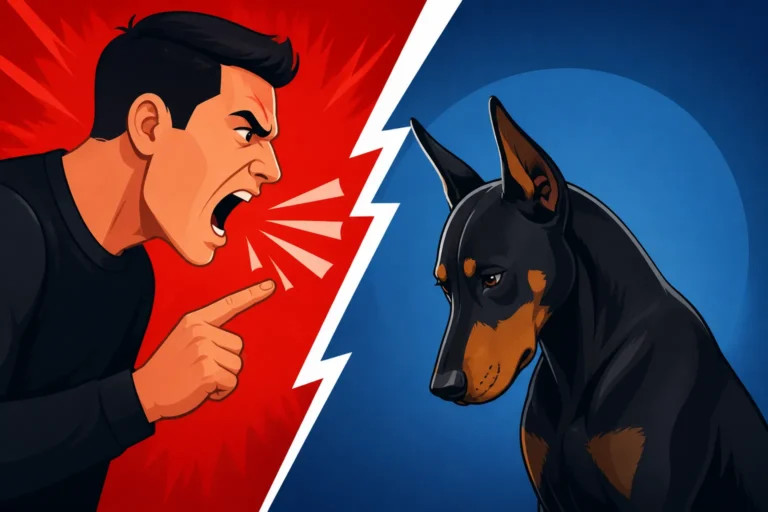
If your Doberman exhibits concerning behaviors such as excessive fear, aggression towards people or other dogs, or resource guarding that you can't manage, it's crucial to seek professional help. Do not attempt to "correct" these issues with harsh methods or by trying to induce aggression, as this often exacerbates the problem.
Look for a certified professional dog trainer or a veterinary behaviorist who uses positive reinforcement methods and has extensive experience with guarding breeds like Dobermans. They can assess the root cause of the behavior, whether it's fear, insecurity, or a lack of appropriate boundaries, and develop a safe, effective modification plan. A good trainer will help you understand your Doberman's body language, teach you how to set clear expectations, and provide you with tools to manage and redirect problematic behaviors. Resources like the Association of Professional Dog Trainers (APDT) or the International Association of Animal Behavior Consultants (IAABC) can help you find qualified professionals in your area.
For example, if your Doberman is struggling with reactivity on walks, a professional might suggest using a long line (available on Amazon) for controlled exposure in low-distraction environments, paired with positive reinforcement for calm behavior. They might also help you teach your Doberman to accept visitors through structured introductions and positive associations, as detailed in Teaching a Doberman to Accept Visitors. Remember, investing in professional guidance for behavioral challenges is an investment in your Doberman's well-being and the harmony of your home.
| Aspect | Naturally Protective Doberman (Pet Home) | Formally Guard-Trained Doberman (Sport/Professional) |
|---|---|---|
| Primary Goal | Deterrence, family vigilance, alert barking | Controlled aggression, bite work, specific target engagement |
| Training Focus | Socialization, obedience, bond-building, confidence | Drive work, bite mechanics, command-based aggression, high-level control |
| Behavior Towards Strangers | Cautious, observant, may bark, stands between family and stranger | Evaluates threat based on handler command, may engage physically |
| Temperament | Stable, discerning, loyal, calm with knowns, suspicious of unknowns | Highly stable, strong nerves, intense focus, very handler-dependent |
| Risks for Pet Homes | Low, if well-socialized and trained; potential for resource guarding | High potential for misdirected aggression, legal liability, stress if unstable |
| Necessity for Pets | Generally sufficient, as instincts are strong | Rarely necessary, often detrimental, requires extreme expertise |
| Key Takeaway | A well-bred, well-raised Doberman is a natural guardian. | "Guard training" goes beyond what most pet owners need or can safely manage. |
Disclaimer
This article is for general informational purposes only and does not constitute professional advice. Laws, prices and regulations vary by location and change over time. Consult a qualified professional for guidance on your specific situation.