Meeting Men in Hats With a Doberman Puppy
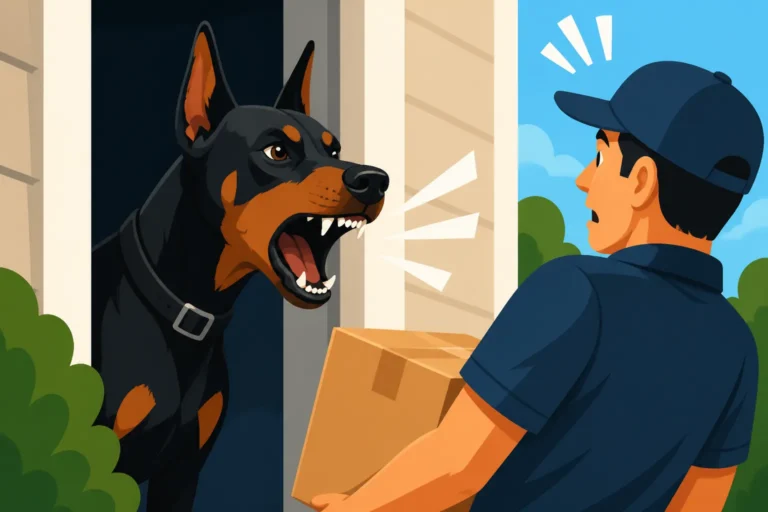
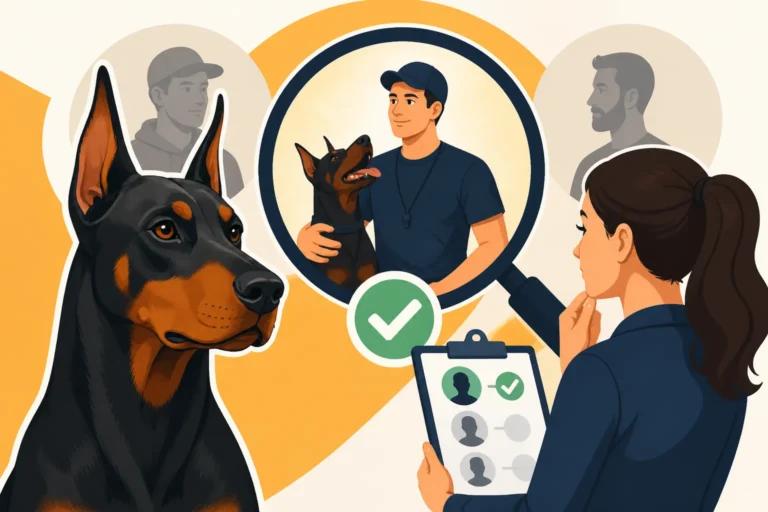
It’s a scenario many Doberman puppy owners face: you're out and about, working hard on socializing your confident new family member, and then you see him. The man in the wide-brimmed hat, or the one with the particularly bushy beard, or even just someone wearing a large, dark coat. Suddenly, your brave little Doberman acts like they've seen a ghost, backing up, barking, or trying to hide. This guide will walk you through exactly why these seemingly innocuous figures can be so startling for a young Doberman and, more importantly, how to build a resilient, confident pup who greets the world with a wag, not a worry.
Why "Men in Hats" (and Other Novelties) Can Be a Big Deal for a Doberman Puppy
It might sound a little silly to specifically call out "men in hats," but it’s a classic example of a common issue: puppies reacting to things that alter a person's familiar silhouette or presence. Our Dobermans are incredibly smart and observant, and they process the world in ways we sometimes take for granted. What seems normal to us can be genuinely startling to a developing puppy.
The Unfamiliar Silhouette and Its Impact
Think about it from your Doberman puppy's perspective. They’re used to seeing faces, body language, and the general shape of a human being. A hat, particularly a wide-brimmed one or one that casts a shadow over the face, can completely change that familiar silhouette. Suddenly, the eyes might be obscured, the top of the head seems… different, and the overall form is no longer what they've learned to recognize as "safe human." It's not necessarily aggression; it's often confusion and a natural instinct to be wary of the unknown.
For a breed like the Doberman, which possesses strong guarding instincts and a keen sense of observation, these subtle changes can trigger a "stranger danger" response faster than in some other breeds. They’re hardwired to assess threats, and an altered human form can certainly register as something that needs further investigation or, in a less confident pup, avoidance. It's not a flaw in their character, but a characteristic that needs careful, positive shaping. You might find this applies to people carrying large packages, wearing sunglasses, or even walking with an umbrella. Any alteration to the "normal" human form can be a trigger.
Critical Socialization Periods and Fear Periods
Doberman puppies, like all dogs, go through crucial developmental phases. The period between roughly 3 to 16 weeks is often called the "primary socialization period." During this time, every positive experience (or negative, unfortunately) is deeply imprinted. If a Doberman puppy doesn't encounter a wide variety of people, sounds, sights, and textures during this window, they can be more prone to fear and reactivity later in life. This is why getting your puppy out and about, carefully and positively, during The Sixteen Weeks That Set a Doberman Up is absolutely non-negotiable.
Beyond the primary socialization window, puppies also experience "fear periods." These are distinct times, often around 8-11 weeks and again between 6-14 months, when they can suddenly become fearful of things they previously ignored or even enjoyed. A Doberman puppy who happily greeted a man in a hat at 12 weeks might suddenly become terrified of one at 8 months, seemingly out of nowhere. Recognizing these periods is key to not making things worse. During a fear period, forcing an interaction or scolding a pup for being scared can create lasting trauma. Instead, gentle, positive exposure and confidence-building exercises are paramount. If your Doberman puppy suddenly starts hiding from new people, it's worth understanding these periods, as covered in A Doberman Puppy That Hides From New People.
Pre-Exposure Prep: Building a Confident Foundation Before You Go Out
Before you even step out the door with your Doberman puppy to conquer the world of hats and sunglasses, it’s vital to lay a solid foundation of confidence and positive association at home. This isn't about avoidance; it's about empowerment.
Creating Positive Associations with Novel Objects at Home
Start by introducing strange objects within the safety and comfort of your home. You become the safe base. Gather an array of "weird" items: hats (all shapes and sizes), sunglasses, coats that change your silhouette, umbrellas, walking sticks, even a backpack. The goal isn't to scare your puppy but to make these objects seem like sources of fun and treats.
- The "Look and Treat" Game: Place a hat on the floor a safe distance from your puppy. The moment your puppy looks at it (even a quick glance), mark the behavior with a verbal marker like "Yes!" or a clicker, and immediately toss a high-value treat near the hat, but not so close they feel threatened. Repeat. The goal is: hat appears = tasty treat appears. This technique is often called Marker Training a Doberman From Scratch.
- The "Moving Object" Game: Once they're comfortable with stationary objects, start moving them. Hold an umbrella closed, walk past your puppy, mark and treat. Then open it quietly a distance away, mark and treat. Gradually reduce the distance and increase the movement, always pairing it with delicious rewards.
- Costume Party for One: Get your family involved! Have different family members put on various hats, sunglasses, or bulky coats. At first, have them sit down, be quiet, and simply toss treats to the puppy. Don't force interaction. Let the puppy approach. Once the puppy is comfortable, they can stand, then move around, always making it rain treats when the puppy shows calm curiosity. This proactive exposure within a controlled, loving environment desensitizes them to the visual changes before they encounter them unexpectedly in public.
Controlled Exposure to Various People and Environments
Your Doberman puppy needs to see the world, but not be overwhelmed by it. Quality over quantity is key. Instead of throwing them into a chaotic dog park, seek out structured and positive experiences.
- Planned "Meet and Greets": Arrange for friends and family members (who understand positive reinforcement and won't overwhelm the puppy) to visit. Ask them to wear different hats, glasses, or coats. Have them toss treats, speak in calm voices, and avoid direct eye contact initially if the puppy is nervous. Encourage them to be "treat dispensers" rather than immediately trying to pet or pick up the puppy.
- Observation Sessions: Take your puppy to a quiet park bench or a pet-friendly café during off-peak hours. Sit and simply observe the world go by. People, bikes, children, other dogs – let your puppy watch from a safe distance, rewarding calm curiosity with treats and praise. The goal is to show them the world isn't scary. If your Doberman learns to associate novel sights and sounds with positive outcomes, they'll build resilience. Many online training platforms, such as BAXTER & Bella, emphasize these types of positive, confidence-building socialization exercises from a young age, offering structured guidance.
- Puppy Classes: A well-run puppy class is invaluable for structured socialization. Beyond meeting other puppies, a good class will expose your Doberman to different people (including instructors who might wear hats!), sounds, and textures in a safe environment. It's often the answer to Whether Puppy Class Is Enough for a Doberman, providing a critical layer of early exposure. Make sure the class focuses on positive reinforcement and isn't just a free-for-all playgroup.
Navigating the Real World: Practical Tips for Meeting Men in Hats (and other new people)
Now that you've built a solid foundation, it's time to apply those skills in real-world scenarios. Remember, always prioritize your puppy's comfort and confidence over pushing them too far, too fast.
Gradual Introductions and Controlled Environments
When you’re ready to introduce your Doberman puppy to novel stimuli in public, think about control and distance. You want to set your puppy up for success, not a fright.
- Start with Distance: If you see someone approaching with a hat that might be a trigger, don't wait for them to be right next to you. As soon as you spot them from a distance where your puppy notices but isn't reacting nervously, start a positive reinforcement game. "Look at the man in the hat! Yes! Treat!" Keep the treats flowing until the person has passed. The goal is to keep your puppy under their "threshold"—the point where they start to feel overwhelmed.
- Positive Interruptions: If your puppy fixates or starts to get worried, gently interrupt their focus with a cheerful noise or a treat tossed in the opposite direction. Then immediately engage them in a fun, short game like "find it" with scattered treats. This redirects their attention and creates a positive association with your presence, even if the external stimulus is a bit scary. Remember, Five-Minute Sessions With a Young Doberman are often more effective than long, drawn-out ones.
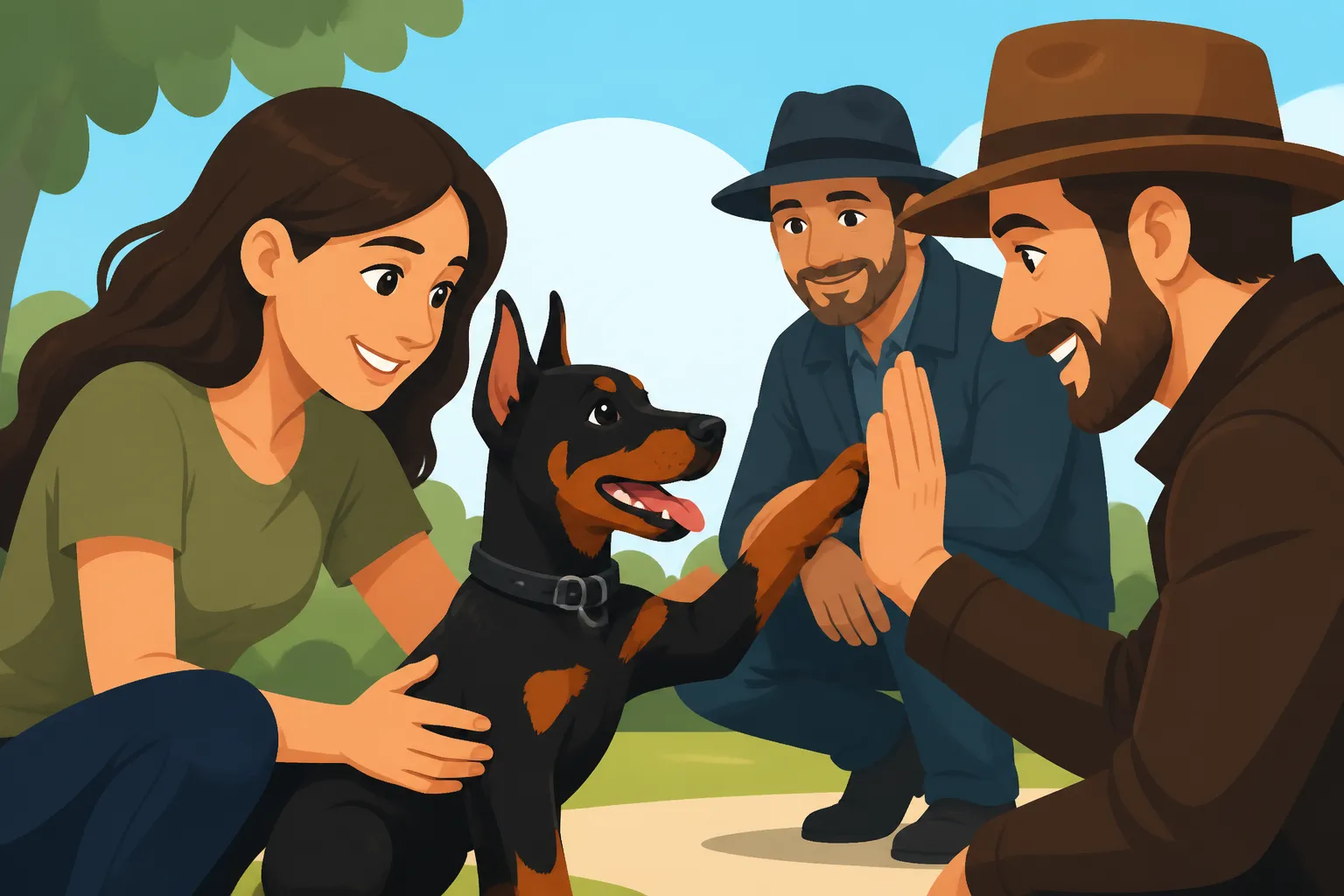
- Enlist Friendly Strangers (Carefully): If you have a friend who is willing to wear a hat and meet your puppy in a controlled setting, that’s ideal. Again, they should be calm, avoid direct eye contact, and gently toss treats to your puppy. No leaning over, no sudden movements. The person wearing the hat becomes a source of good things. A long leash, easily found on Amazon, can be incredibly helpful here, allowing your puppy space while still keeping them safe.
Reading Your Doberman Puppy's Body Language
Your Doberman is constantly communicating with you, and understanding their subtle signals is crucial to successful socialization. Ignoring these signals can lead to a fearful or reactive adult dog.
- Signs of Comfort: Loose body, wagging tail (could be a full body wag!), soft eyes, ears in a relaxed position, approaching with a soft nose nudge or sniffing the ground. These are all signs your puppy is feeling good.
- Signs of Mild Stress/Uncertainty: Lip licking, yawning (when not tired), looking away, sniffing the ground excessively, lowered head, tail tucked slightly, freezing, stiff body, ears slightly back. These are signals that your puppy is feeling a little unsure or stressed and needs more space or a change in approach.
- Signs of Fear/Overwhelm: Barking, lunging, trying to hide behind you, trying to flee, hackles raised, tail tucked tight, wide eyes ("whale eye" where the whites of the eyes are visible), trembling. If you see these signs, you’ve pushed too far. Retreat, create distance, and restart at a lower intensity. Forcing them to endure what they perceive as scary will only make them more afraid. Being able to spot these moments is vital for building a confident companion.
Here’s a quick reference table for recognizing your Doberman puppy's comfort levels:
| Behavior | Interpretation | Action Needed |
|---|---|---|
| Loose body, soft gaze, wagging | Comfortable, curious | Continue positive interaction, reward calm behavior |
| Lip lick, yawn, head turn | Mild stress, unsure | Increase distance, offer high-value treat, engage in easy game |
| Stiff body, tail tuck, freeze | Moderate stress, uneasy | Retreat to a safer distance, observe for improvement |
| Bark, lunge, hide, tremble | Overwhelmed, fearful | Remove from situation immediately, do not punish or force |
| Persistent avoidance, refusal | Severe fear, potential trauma | Re-evaluate approach, seek professional help, focus on safe zones |
Always remember, if your Doberman is wary rather than confident, as discussed in A Doberman That Is Wary Rather Than Confident, slowing down and increasing positive associations is critical.
Troubleshooting: What to Do When Your Doberman Puppy Still Reacts
Even with the best preparation, Doberman puppies can still have moments of fear or reactivity. It’s not a failure, but an opportunity to adjust your approach and reinforce trust.
When Your Puppy Gets Spooked: Damage Control
It happens. Despite your best efforts, a man in a particularly imposing hat might appear unexpectedly, or your puppy might just have an "off" day and get spooked. The key is how you respond in that moment.
- Don't Punish Fear: Never, ever scold, yell at, or physically correct your Doberman puppy for being afraid. This will only teach them that their natural emotional response is wrong, making them suppress their fear until it boils over into a more intense reaction, or worse, making them afraid of you as well as the scary stimulus. You wouldn't yell at a child for being afraid of a spider; apply the same empathy to your puppy.
- Create Distance and Comfort: The absolute first thing to do is increase the distance between your puppy and whatever spooked them. Walk away, step behind a car, or duck into a quiet doorway. Get them to a point where they are no longer actively reacting, even if they’re still a bit wary.
- Redirect and Reassure (Gently): Once at a safe distance, engage them in a familiar, easy game or offer a super high-value treat. Your calm, confident demeanor is vital. You are their safe harbor. Avoid overly gushy reassurance, as this can sometimes inadvertently reward the fearful behavior. Instead, just be a steady, positive presence.
- Assess and Learn: After the incident, take a moment to think about what happened. Was the stimulus too close? Was your puppy already tired or stressed from something else? Use it as a learning experience to adjust future outings. If you find yourself in a situation where you need to rebuild trust with a Doberman who has had a harsh experience, the advice in Rebuilding Trust With a Harshly Handled Doberman can be very helpful.
Seeking Professional Help for Persistent Fear
While this guide offers a lot of practical tips, some Doberman puppies may develop more significant fears or anxieties that warrant professional intervention. There’s no shame in seeking help – it’s a sign of a responsible owner.
- When to Call a Pro: If your Doberman puppy’s fear is intense (e.g., full-blown panic attacks, aggression born of fear), persistent despite your best efforts, or significantly impacting their quality of life, it's time to consult with a certified professional. Look for a Certified Professional Dog Trainer (CPDT-KA), a Certified Dog Behavior Consultant (CDBC), or a Veterinary Behaviorist. Avoid trainers who advocate for harsh corrections or fear-based methods, as these will almost certainly exacerbate fear issues in a Doberman.
- Behavioral Modification Plans: A professional will help you develop a tailored behavioral modification plan. This often involves desensitization (gradually exposing the puppy to the fear-inducing stimulus at very low levels) and counter-conditioning (changing the puppy’s emotional response to the stimulus from negative to positive). They might also suggest specific exercises for Exposing a Doberman Puppy to Strangers in a controlled manner.
- Medication (in severe cases): For severe anxiety or fear, a veterinary behaviorist might discuss medication in conjunction with a behavior modification plan. This isn't a "cure-all" but can help lower your puppy’s overall anxiety levels enough for the behavioral training to be effective.
Remember, raising a Doberman puppy is a journey, and bumps in the road are normal. With patience, consistent positive reinforcement, and a willingness to understand your Doberman’s perspective, you can help them grow into a confident, well-adjusted adult who sees a man in a hat not as a threat, but just another interesting part of their amazing world.
Disclaimer
This article is for general informational purposes only and does not constitute professional advice. Laws, prices and regulations vary by location and change over time. Consult a qualified professional for guidance on your specific situation.