Getting a Doberman Used to Vet Handling
There’s a unique dread that washes over many Doberman owners when it’s time for a vet visit. Our Dobermans are such sensitive, intelligent, and often intensely bonded creatures, and taking them to a place that involves poking, prodding, and unfamiliar smells can quickly turn into a wrestling match, a trembling mess, or even a stressful ordeal for everyone involved. This guide is all about equipping you with the strategies and mindset to transform those dreaded vet appointments into manageable, even positive, experiences for your Doberman.
Understanding Why Vet Visits Can Be So Challenging for Your Doberman
It’s easy to feel frustrated when your Doberman, who is usually so well-behaved, becomes a quivering, resistant mess at the vet. But it’s important to remember that their reactions aren’t personal. There are deep-seated reasons why these visits can be so overwhelming for them, and understanding these can help you approach the situation with more empathy and a better plan.
The Doberman Temperament and Trust
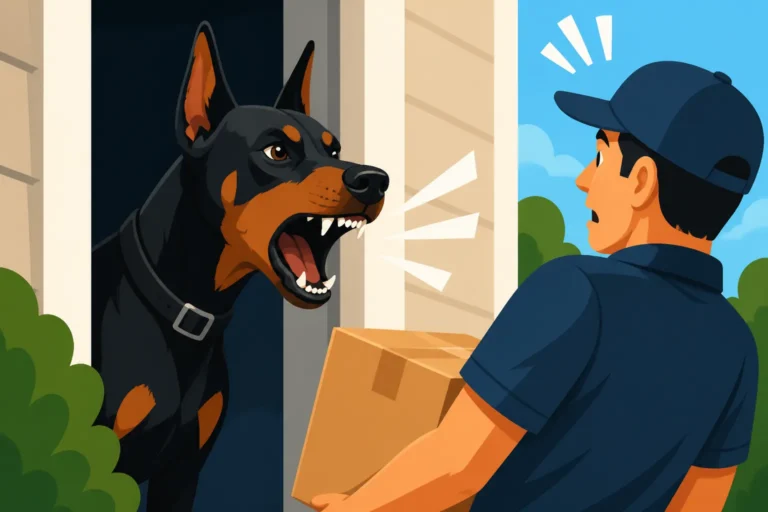
Dobermans are renowned for their loyalty and their protective nature. They often bond incredibly deeply with their primary caregivers and can be wary, sometimes even suspicious, of strangers. In their minds, a vet clinic is often a place full of unfamiliar people (who might smell like other anxious animals), strange noises, and unexpected handling. When a stranger approaches to examine them, especially if they’re feeling vulnerable or unwell, it can trigger their natural guarding instincts or, conversely, a profound sense of unease.
Think about it from their perspective: suddenly, a person they don’t know is touching their paws, looking in their ears, or holding them still for a shot. For a dog whose entire world revolves around trust and safety with their human, this can feel like a betrayal or, at the very least, a deeply uncomfortable invasion of their personal space. Many Dobermans, even those who are outwardly confident, have a hidden sensitivity. They don't want to be perceived as aggressive, but their unease can manifest as stiffness, avoidance, or even a quick snap if they feel cornered. They may simply be A Doberman That Is Wary Rather Than Confident, and the vet's office amplifies that.
Previous Negative Experiences or Lack of Exposure
Even one bad experience can deeply affect a Doberman. Perhaps a routine vaccination was more painful than expected, or they were held down roughly during an uncomfortable procedure. Dobermans are smart, and they remember. That single negative event can quickly generalize to the entire vet experience – the car ride, the waiting room, the smell of disinfectant, and even the sight of a vet tech in scrubs.
Beyond bad experiences, a simple lack of positive, early exposure can also be a major culprit. If your Doberman puppy didn't get enough opportunities to meet a variety of people who handled them gently and offered treats, or if they rarely visited the vet clinic just for a friendly hello and a cookie, they never built up those crucial positive associations. Without a solid foundation, every vet visit starts from a place of apprehension rather than neutrality or curiosity. It's like asking someone who's never been to the dentist to undergo a root canal without any prior positive cleanings.
Laying the Groundwork: Early Socialization and Positive Reinforcement
The old adage "an ounce of prevention is worth a pound of cure" certainly applies here. Building a positive relationship with vet handling starts long before your Doberman ever needs a scary procedure. It’s all about creating a foundation of trust and making every interaction, no matter how small, a good one.
The Critical Puppy Period for Positive Associations
The period between 8 and 16 weeks is absolutely golden for puppy socialization. This is when your Doberman puppy’s brain is a sponge, eagerly soaking up experiences and forming opinions about the world. This is the time to introduce them to as many positive sights, sounds, smells, and types of handling as possible. Don't wait until they're older and more set in their ways; start now! The goal is for your puppy to view new people and new sensations as opportunities for good things to happen, not as threats.
During this time, enlist trusted friends and family members to gently handle your puppy. Have them lightly touch ears, lift paws, gently open the mouth, and run their hands all over your Doberman's body, just like a vet would. Every touch should be immediately followed by a super high-value treat – think tiny pieces of cooked chicken, cheese, or hot dogs. The key is to keep these sessions short, sweet, and overwhelmingly positive. Make it a game, not a chore. If you're looking for guidance on how to structure this, online training platforms like BAXTER & Bella offer comprehensive puppy programs that emphasize positive exposure and cooperative care right from the start, which can be invaluable for setting your Doberman up for success. Remember, The Sixteen Weeks That Set a Doberman Up are crucial.
Making Basic Handling a Positive Experience at Home
This isn't just for puppies; it’s an ongoing process for Dobermans of all ages. Your daily interactions should reinforce that being touched and handled is a pleasant experience. Integrate "mini-exams" into your regular snuggle or playtime.
- Paws: Gently hold each paw for a few seconds, examine the pads, and lightly squeeze between the toes, then immediately reward. Do this while watching TV or relaxing together. This makes nail trims and paw examinations much easier down the line.
- Ears: Lift and look into their ears, give a gentle ear rub, and then treat. If you eventually need to clean them, this foundation will make it less stressful.
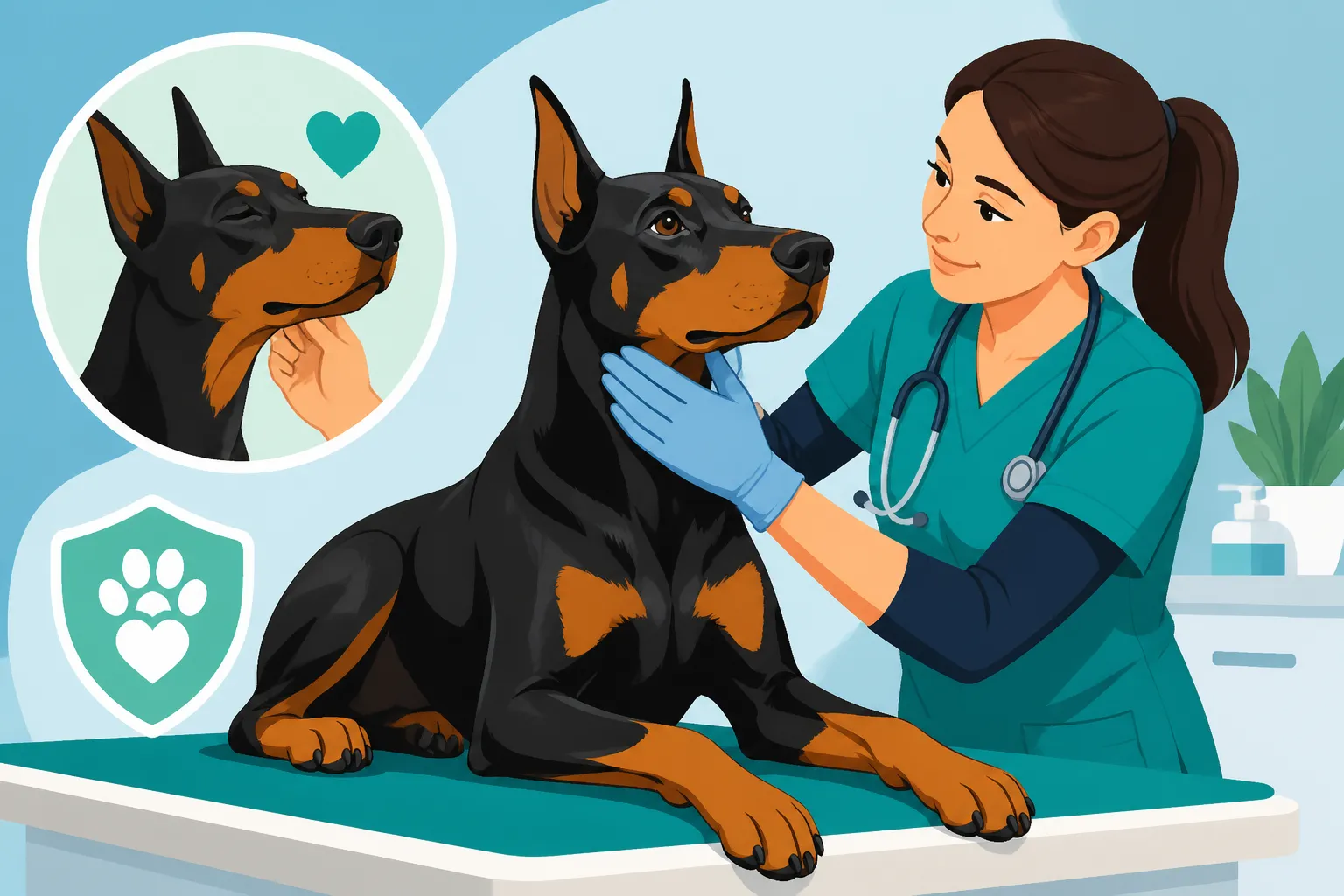
- Mouth: Gently lift their lips to inspect their teeth and gums. Briefly open their mouth, and then reward them. This is vital for dental checks.
- Body: Run your hands all over their body, checking for lumps, bumps, or tender spots. Mimic how a vet might palpate their abdomen or legs. Keep it light, positive, and paired with treats and praise.
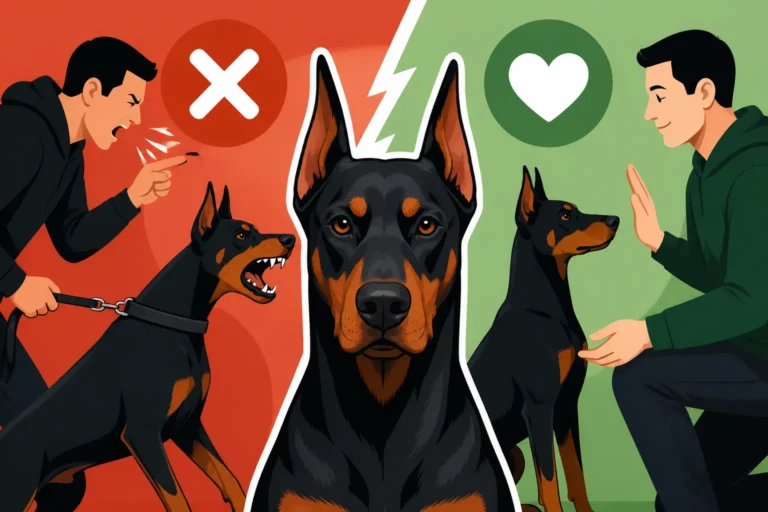
The key is consistency and always ending on a good note. Never force it. If your Doberman pulls away, stop, reset, and try again with even more enticing treats or a lighter touch. You want them to choose to cooperate because they associate it with good things, not because they’re being overpowered. This consistent, gentle exposure helps build resilience and trust, which is far more effective than trying to "fix" a problem only when it arises.
Proactive Training for Cooperative Care at Home
Beyond basic handling, there are specific skills and tools you can introduce at home that will make vet visits significantly smoother. These aren't about forcing compliance but about teaching your Doberman to actively participate in their own care.
Desensitization to Common Vet Procedures
We can simulate many aspects of a vet visit in a safe, familiar environment. This desensitizes your Doberman to the sensations they'll encounter at the clinic, reducing their surprise and anxiety.
- Mock Examinations: Use a soft, blunt object (like the eraser end of a pencil or a smooth, rounded pen cap) to gently touch where needles might go, like the scruff of the neck or a leg. Follow with a treat. Repeat this over many sessions, gradually increasing the pressure or duration, always rewarding calmness. Similarly, use a soft brush or even your hand to mimic the cold, smooth feel of a stethoscope on their chest and sides, paired with delicious treats. Practice briefly holding a thermometer (uninserted, of course!) near their rear end, again, with lavish rewards.
- Standing on a Table: Many vet clinics use examination tables. If you have a sturdy coffee table or a grooming table, practice having your Doberman hop up (or be lifted gently) and stand calmly for short periods, feeding treats the whole time. Build up the duration slowly. The goal is for them to associate the table with good things, not a precarious or scary experience. If you’re unsure how to start these micro-sessions, remember that Five-Minute Sessions With a Young Doberman can be incredibly effective for building these habits without overwhelming them.
- Restraint Practice: While we never want to truly restrain our Dobermans against their will, practicing gentle, non-threatening holding can be beneficial. Have someone else hold them gently while you offer treats and vice versa. Teach them to lean into your side or accept an arm gently draped over their back, associating it with calmness and reward.
The table below offers a simple comparison of at-home desensitization focus areas:
| Vet Procedure Type | At-Home Desensitization Focus | How to Practice | Key to Success |
|---|---|---|---|
| Physical Exam | Full body touch, palpation | Gentle rubs all over, lifting lips, checking ears, touching paws. Reward calm. | Short sessions, high-value treats, positive tone. |
| Injections/Blood Draw | Touch pressure | Gently press on scruff or leg with finger, mimic holding still briefly. Reward. | Gradual increase in pressure/duration, always positive. |
| Temperature Check | Rear end sensitivity | Briefly hold hand or blunt object near rear; reward. | Avoid surprise, always pair with reward. |
| Table Exam | Standing on elevated surface | Practice "up" on a sturdy table, reward standing calmly. | Ensure stability, build duration slowly, lots of treats. |
Muzzle Training as a Safety and Comfort Tool
This is a big one, and often misunderstood. Muzzle training isn't just for Dobermans who have shown aggression; it’s a crucial cooperative care skill for any Doberman. A well-fitting basket muzzle allows your Doberman to pant, drink, and take treats, making it a much more comfortable experience than a tight cloth muzzle. The goal is to make the muzzle a positive, neutral tool, not a punishment.
Introduce the muzzle slowly and positively. Start by letting them sniff it, then put a smear of peanut butter or cream cheese inside and let them lick it out. Gradually, have them put their nose in the muzzle for longer periods, always rewarding. The Muzzle Training a Doberman Before It Is Needed article can provide a detailed step-by-step guide. Once they're comfortable wearing it, they can handle many vet procedures with less stress for everyone. This way, if they're in pain or frightened, the vet staff can safely examine them without fear of being bitten, which ultimately means better care for your dog. You can find comfortable, well-ventilated basket muzzles that allow panting and drinking through retailers like Amazon, making it easy to get started with this crucial training.
Teaching "Relax" and "Stay" in Unfamiliar Settings
A solid "stay" or "settle" command can be a lifesaver at the vet. Teach your Doberman to lie down and relax on a mat or bed in various locations at home, rewarding them for staying calm. Then, slowly introduce this in new environments – a friend’s house, a park bench, and eventually, the vet clinic waiting room (even if it’s just for a minute outside the door). The goal is for them to understand that they can still be calm and safe even when surrounded by novel stimuli.
Teaching a Doberman to Settle in Another Room is an excellent starting point for generalizing this skill. If your Doberman can settle calmly at home, they'll have a much better chance of settling at the vet. This takes consistent practice, but the payoff in reduced stress for both of you is immense. Avoid pushing them too hard, especially if you notice signs of stress like lip licking, yawning, or a frozen posture. Remember, Spotting the Moment a Doberman Is Uncomfortable is key to preventing escalation. If your Doberman tends to A Doberman That Freezes When Corrected or shuts down under pressure, keep training light and positive. Why Yelling Shuts a Doberman Down is especially true for sensitive Dobermans, so gentle guidance is always best.
Navigating the Actual Vet Visit with Confidence
Even with all the preparation, the actual vet visit can still be nerve-wracking. But by being proactive, advocating for your Doberman, and working closely with your vet team, you can make these experiences much less daunting.
Choosing a "Fear Free" or Doberman-Savvy Veterinarian
Not all vet clinics are created equal, especially when it comes to handling sensitive breeds like Dobermans. Look for a "Fear Free" certified practice or a clinic that explicitly advertises low-stress handling techniques. These clinics are designed to minimize fear, anxiety, and stress for pets through a variety of methods, including calming pheromones, separate waiting areas, gentle handling, and strategic use of treats.
Even if a clinic isn't officially "Fear Free," seek out veterinarians and staff who have experience with Dobermans and genuinely understand their unique temperament. A vet who knows that a Doberman's stillness might indicate fear rather than cooperation, or who takes the time to build a rapport before jumping into an exam, is invaluable. Don't be afraid to interview clinics or observe their waiting room environment. A good vet-client relationship is built on mutual respect and understanding, and the right vet team can make all the difference in your Doberman's long-term health and emotional well-being. Ultimately, you want to be The Owner a Doberman Actually Needs in these situations.
Pre-Visit Preparation and Arrival Strategies
A little planning can go a long way in reducing stress on the day of the appointment.
- Practice Car Rides: If your Doberman only gets in the car to go to the vet, they'll quickly associate the car with a negative destination. Take them on regular, fun car rides to the park, a friend's house, or for a drive-thru treat.
- "Happy Visits": Schedule short, pointless visits to the vet clinic. Just walk in, let your Doberman greet the front desk staff (who should ideally offer a high-value treat), maybe weigh them, and then leave. No pokes, no prods, just good vibes. This helps them associate the clinic with positive, low-stakes experiences.
- Exercise Beforehand: A tired Doberman is often a calmer Doberman. A good, stimulating walk or play session before the appointment can help burn off excess energy and anxiety.
- High-Value Treats: Bring the best treats your Doberman could possibly imagine. These aren't normal training treats; these are the "vet visit only" treats that make even the scariest moments a little more palatable. Think liverwurst, spray cheese, or cooked meat.
- Consider Calming Aids: For truly anxious Dobermans, talk to your vet about calming supplements or even a mild sedative for appointments. Sometimes, breaking the cycle of extreme fear is necessary to start building positive associations. Vaccination and Anesthesia in a Doberman can be particularly stressful, so discuss sedative options for these events if needed.
During the Examination: Advocating for Your Doberman
You are your Doberman's best advocate. Don't be afraid to speak up and communicate with the vet staff.
- Communicate: Let the vet and techs know your Doberman's history, anxieties, and what triggers them. Tell them about your training efforts and what helps your dog relax.
- Distraction and Rewards: Keep a steady stream of high-value treats coming, especially during uncomfortable procedures. Licking a treat-filled Kong or a LickiMat (easily found on Amazon) can be incredibly distracting and calming.
- Take Breaks: If your Doberman is becoming overwhelmed, ask for a brief pause. Step outside for a minute, let them shake it off, and then try again. Sometimes, just a moment to decompress makes all the difference.
- Stay Calm: Your Doberman is incredibly attuned to your emotions. If you're stressed and anxious, they will pick up on it and become more anxious themselves. Take deep breaths, speak in a calm, soothing voice, and project confidence, even if you don't feel it.
- Don't Be Afraid to Reschedule: If your Doberman is having a truly terrible day and is shutting down or showing clear signs of extreme distress, it's sometimes better to reschedule for another time, especially for non-urgent procedures. Forcing a bad experience can undo weeks or months of positive training. You want to avoid any situation that would require Rebuilding Trust With a Harshly Handled Doberman.
By implementing these strategies, consistently and patiently, you can significantly improve your Doberman's experience at the vet, turning a source of dread into a manageable part of their healthcare routine. It takes work, but your Doberman's comfort and well-being are absolutely worth it.
Disclaimer
This article is for general informational purposes only and does not constitute professional advice. Laws, prices and regulations vary by location and change over time. Consult a qualified professional for guidance on your specific situation.