Whether Two Dobermans Reduce the Clinginess
It’s a common fantasy for Doberman owners, isn't it? You adore your Doberman, truly, but you also sometimes wish you could walk from one room to another without a shadow, or perhaps even take a bathroom break without a nose nudging the door open. That intense Doberman devotion, often charmingly dubbed the "Velcro dog" syndrome, can be wonderfully endearing but also, let's be honest, a little bit much sometimes. Many owners wonder if adding a second Doberman might magically solve this intense clinginess, allowing them both to keep each other company while you, the human, get a moment of peace. This guide delves into the realities of multi-Doberman households and whether a second dog truly reduces that famous Doberman clinginess.
Understanding the "Velcro Dog" Phenomenon
The Doberman is legendary for its devotion. This isn't just a cute quirk; it's deeply ingrained in their breed history and temperament. Bred to be personal protectors and companions, they were literally developed to be always at their owner's side, observing, assessing, and ready to act. This intense bond is what makes them such loyal guardians, but it also translates into a profound need for human presence and interaction.
Why Dobermans Crave Constant Proximity
It’s not just about guarding; it's about connection. Your Doberman sees you as the center of their universe, their pack leader, their source of comfort, security, and fun. Every step you take, every chore you perform, every time you sit down, they are there, often leaning against you, resting a head on your lap, or simply watching your every move. It’s their way of staying connected, of feeling safe, and of being ready to participate in whatever you're doing. This isn't just a habit; it's a fundamental aspect of their emotional makeup.
Many Doberman owners share stories of their dogs following them from room to room, even to the bathroom, or lying with their head across the threshold of a room you're in, just to maintain that connection. This isn't misbehavior; it's a deeply rooted instinct. They thrive on knowing where you are and what you're up to, often finding reassurance just from your presence. You might wonder Where the Velcro Doberman Nickname Comes From, and it’s precisely because of this unwavering attachment.
The Challenges of Intense Clinginess
While adorable, this constant shadow can sometimes lead to practical frustrations. Tripping over a large dog that’s always underfoot is a genuine concern. More seriously, this intense attachment can sometimes tip over into separation anxiety if not managed carefully. A Doberman who needs to be with you every second might struggle intensely when left alone, even for short periods. This can manifest as destructive chewing, incessant barking, or even self-harm, which is heartbreaking to witness.
The intensity of their bond can also make daily routines challenging. Simple tasks like leaving for work or even stepping out for a quick errand can become fraught with anxiety for both you and your Doberman. It takes a conscious effort to build independence, even in such a devoted breed. It's a balance between appreciating their loyalty and ensuring they have the confidence to be content even when you're not physically by their side. Many wonder Whether a Doberman Ever Enjoys Being Alone, and for most, the answer is "not without careful training."
The Second Doberman Theory: Hope vs. Reality
The idea that two Dobermans will keep each other company, thus reducing their reliance on you for constant companionship, is a very appealing one. It makes sense on paper: if one dog is lonely, two dogs won't be, right? Unfortunately, the reality is often more nuanced and less straightforward than we might hope.
What Owners Hope For
When considering a second Doberman, the primary hope is often that the dogs will bond with each other, becoming a self-sufficient unit of canine companionship. The expectation is that they will play together, nap together, and generally entertain each other, freeing up the human to, say, make dinner without a heavy sigh from beneath the kitchen table. People envision two Dobermans curled up together, contentedly waiting for their return, rather than one pacing anxiously by the door.
This vision often includes the idea that the intense focus one Doberman places on the owner will be diluted, shared between the two dogs. Owners might imagine less nudging, less following, and less overall pressure for constant human interaction. It's a natural leap of logic to assume that another dog, especially of the same breed, would understand and fulfill that companionship need. The thought is, if they have each other, they won't need me quite so much for every single minute of the day.
The Reality: You Might End Up With Two Velcro Dogs
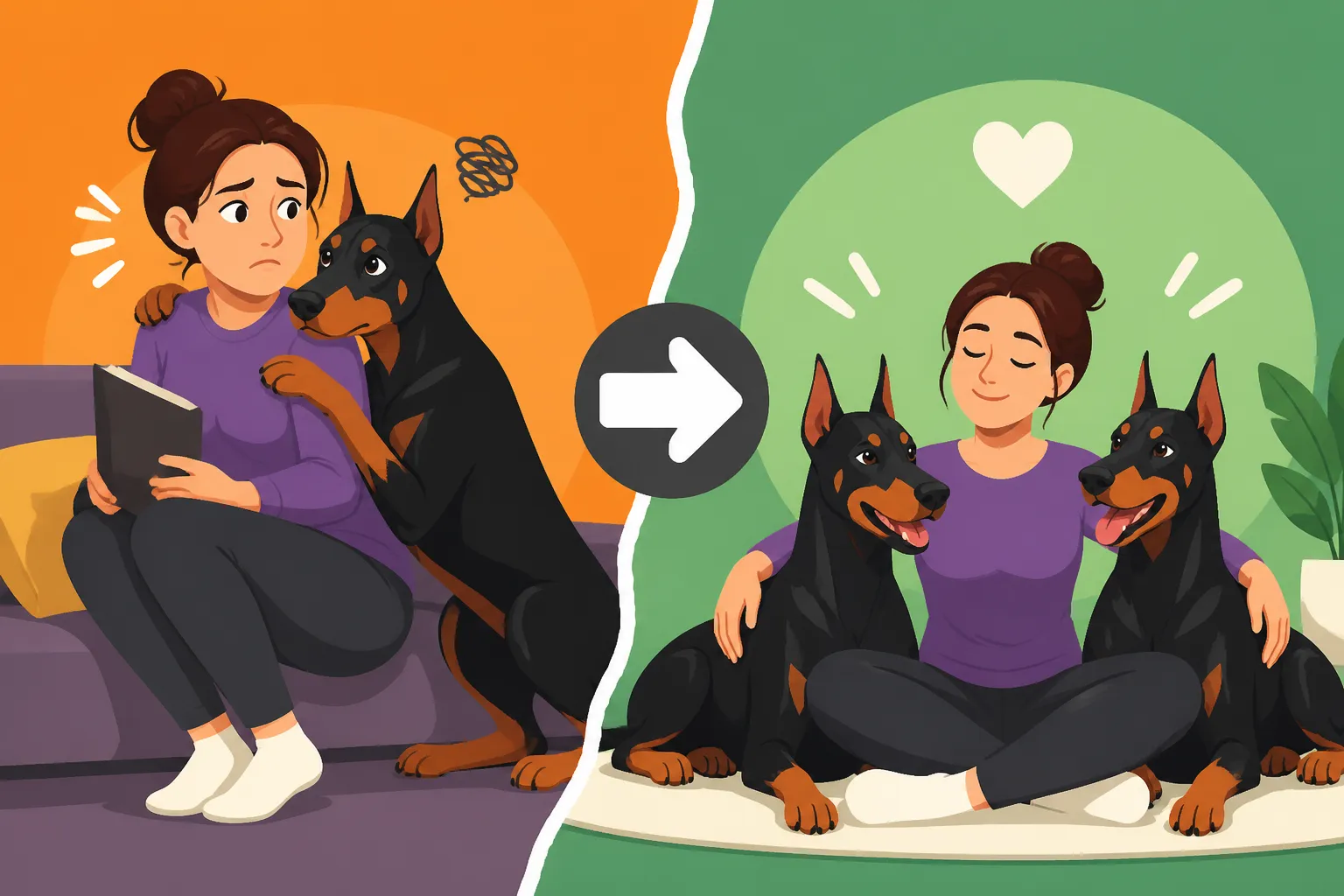
While a second Doberman can provide companionship to the first, it rarely eliminates the "Velcro" tendency entirely. Dobermans are highly people-oriented, and their primary bond will almost always remain with their human family. Instead of transferring all their affection to each other, you might simply end up with two Dobermans who both adore you intensely, following you in tandem, leaning on you from both sides, and needing your attention.
It's not uncommon for the new Doberman to quickly adopt the existing Doberman's habits, including the delightful ritual of shadowing their human. This means you might still have a canine entourage to the bathroom, but now it's a party of two! While they will certainly play and interact, their need for your presence as the central figure in their lives typically remains undiminished. In fact, sometimes having two can escalate certain behaviors if not managed, as they might feed off each other's anxieties or excitements. Understanding this deep-seated bond is key, as Whether a Doberman Bonds to One Person is a common question, and often, it's a strong, central bond to their primary caregiver.
Potential Complications of a Second Doberman
Beyond the continued clinginess, adding a second Doberman introduces new dynamics and responsibilities. While some Dobermans are perfectly happy in a multi-dog household, others can be particular. Two Male Dobermans in One House or Two Female Dobermans and What Can Go Wrong highlight that same-sex aggression, especially with intact dogs, can be a serious issue. Even with spayed/neutered dogs, personality clashes can occur, leading to tension or fights.
Furthermore, a second dog doesn't magically reduce your workload; it usually doubles it. You'll have two mouths to feed, two sets of veterinary bills, and twice the training and exercise needs. If your first Doberman struggles with being left alone, simply adding another dog won't fix the underlying issue of separation distress; it might even complicate it if the new dog picks up on the anxiety or if they become overly co-dependent. You also have to consider the financial aspect, as many owners find that Whether Two Dobermans Double the Bills is often an understatement once health issues arise.
Managing Clinginess with One or Two Dobermans
Whether you have one Doberman or a pair, the core strategies for managing clinginess and fostering independence remain largely the same. It's about proactive training, consistent boundaries, and providing appropriate outlets for their intelligence and energy. A second dog can be a wonderful companion, but it's a supplement to, not a replacement for, good training.
Building Positive Alone Time
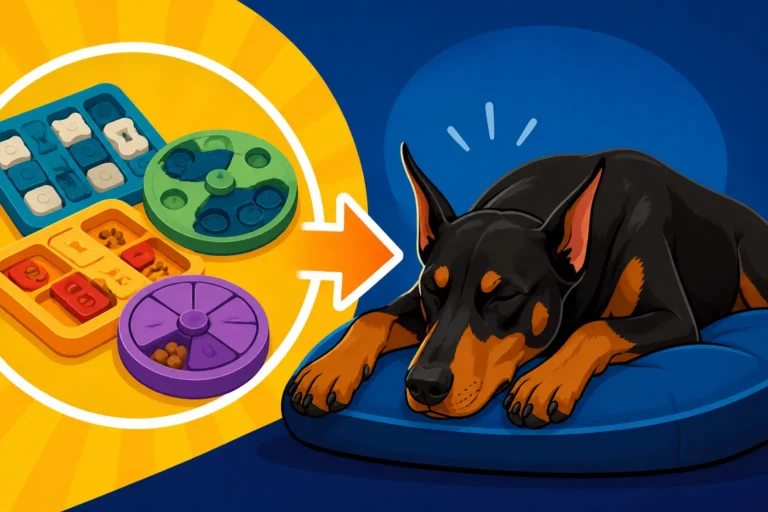
The most crucial step is to teach your Doberman that being alone is not scary, but rather a normal, calm part of their day. This process starts small and builds up gradually. Begin by leaving them alone for just a few minutes, slowly increasing the duration as they show comfort. A great way to do this is by providing high-value, long-lasting enrichment items before you leave. Think of a durable chew toy stuffed with peanut butter or a puzzle feeder that takes time and effort to empty.
Crate training is an invaluable tool here. A crate, when introduced properly, becomes a den—a safe, comfortable space where your Doberman can relax. It helps prevent destructive behaviors and creates a clear boundary during alone time. You can incorporate tools like a pet camera to monitor their progress and ensure they're truly settling down. For those looking for structured guidance, training programs like those offered by BAXTER & Bella can provide excellent resources for building confidence and independence in your dog, whether it's one or two.
Mental and Physical Enrichment
A tired Doberman is a less anxious Doberman. These dogs are highly intelligent and possess significant energy. Without adequate outlets, that energy and mental prowess can turn into anxious behaviors, including heightened clinginess. Regular, vigorous exercise is essential – think long walks, runs, fetch, or even structured playtime in a secure yard. But physical exercise alone isn't enough; their minds need a workout too.
Puzzle toys, scent work, obedience training, and learning new tricks are all fantastic ways to engage their brains. Spending 15-20 minutes on mental exercises can be as tiring as a long walk. When a Doberman's needs for both physical and mental stimulation are met, they are much more likely to be calm and settled when you're busy or away. This helps them learn to self-entertain or relax, rather than constantly seeking your attention. Finding resources on Keeping a Doberman Mentally Tired is vital for their overall well-being.
Establishing Clear Boundaries and Routines
Dobermans thrive on routine and clear expectations. They need to understand when it's "together time" and when it's "calm time." This doesn't mean ignoring them, but rather teaching them to settle in their designated spot (like their crate or a comfy dog bed) while you're occupied. Consistent reinforcement of a "place" command can be incredibly useful. This teaches them that even if you're in the room, they don't always need to be touching you.
Avoid inadvertently rewarding clingy behavior. If your Doberman nudges you for attention and you immediately pet them, you're reinforcing the idea that nudging works. Instead, ask for a calm "sit" or "down" before giving attention. Practice short periods of separation even when you're home. Go into another room, close the door for a minute, and then return calmly. These small, consistent efforts add up over time, teaching your Doberman that your absence is temporary and not a cause for panic. This is precisely the kind of incremental approach discussed in articles like Building a Doberman's Alone Time From Minutes.
The Role of Companionship in a Multi-Doberman Home
While a second Doberman may not magically cure clinginess to you, the human, it undeniably adds another layer of companionship to the household dynamic. For many, the joy of watching two Dobermans interact and bond is worth the added effort.
How Dobermans Interact with Each Other
Two Dobermans can form an incredibly strong bond, providing each other with comfort, play, and a sense of shared experience. You'll see them wrestling, chasing each other in the yard, and often snuggling together on a bed or couch. This peer companionship can certainly fill some of their social needs that you, as a human, simply cannot. It can be particularly enriching for Dobermans who are very dog-social and enjoy having a playmate readily available.
Watching them interact can be incredibly rewarding. They communicate with each other in ways we can't fully grasp, and they offer a different kind of reassurance. For example, if one dog is nervous, the presence of a confident canine companion can sometimes help to alleviate some of that fear. However, it's vital that both dogs are well-socialized and have complementary temperaments to ensure a harmonious relationship. Careful introduction and supervision are key, especially when Bringing a Doberman Puppy to an Older Doberman.
When a Second Doberman Is a Good Idea (and When It's Not)
Adding a second Doberman can be a fantastic decision if your primary goal is to enrich the lives of both dogs and you are prepared for the increased commitment. If you love the Doberman breed and have the time, resources, and space for two, the experience of a multi-Doberman household can be incredibly fulfilling. They can provide comfort to each other during periods of owner absence, even if they still miss you. This can certainly help to mitigate some of the intense focus on the owner that one Doberman might exhibit, making their alone time a bit more pleasant.
However, if your main motivation for getting a second Doberman is solely to reduce the clinginess of the first, you might find yourself disappointed. It's not a quick fix for behavioral issues. Instead, it adds another personality, another set of needs, and potentially another layer of "Velcro" to your life. Before committing, consider whether you can truly dedicate the necessary training, exercise, and attention to two Dobermans, especially if they both possess that characteristic devotion. Remember, you might just end up with double the Doberman love, which, while wonderful, is still a lot of love to manage! You'll need to think about Hours a Doberman Can Be Left Alone for two dogs, not just one.
| Aspect of Clinginess | Single Doberman Household | Two Doberman Household |
|---|---|---|
| Primary Focus | 100% on the human owner. | Still primarily on the human owner, but some shared attention between dogs. |
| Alone Time Comfort | Can be challenging; requires dedicated training for independence. | Can be easier due to peer companionship, but still requires training for human separation. |
| Resource Guarding | Typically less likely to guard you from other dogs. | Potential for guarding human attention/space from the other dog. |
| Training Effort | Focused on one dog's needs and behaviors. | Requires training both dogs individually and together for harmonious interactions. |
| Activity Level | Owner is sole source of play and engagement. | Dogs can entertain each other, but still need human-led activities. |
| Overall Clinginess | Intense "Velcro" behavior directed at owner. | Often still intense "Velcro" behavior, but now from two dogs simultaneously. |
Ultimately, whether you have one Doberman or a pair, the responsibility for managing their behavior and ensuring their well-being rests with you. A second dog is a companion, a friend, a playmate, but rarely a replacement for the central role you play in your Doberman's heart.
Disclaimer
This article is for general informational purposes only and does not constitute professional advice. Laws, prices and regulations vary by location and change over time. Consult a qualified professional for guidance on your specific situation.