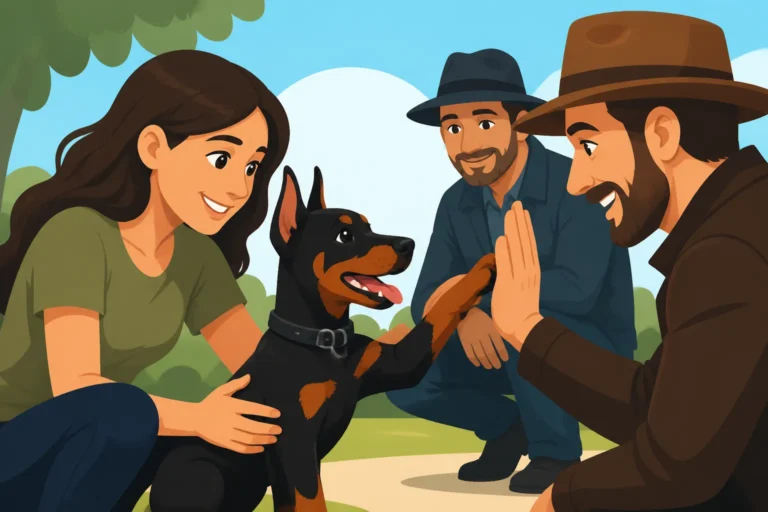
A Doberman That Tests Every Rule at Ten Months
It's incredibly common to suddenly feel like you're living with a different dog when your Doberman hits around ten months old. One day, you have a cooperative, if energetic, puppy, and the next, it feels like they’ve completely forgotten every single rule and boundary you’ve so carefully established, leaving you frustrated and wondering if all your hard work went out the window. This guide will walk you through why this happens, what to expect, and most importantly, how to navigate this challenging adolescent phase with your Doberman, ensuring you come out the other side with a well-adjusted companion.
Understanding the Doberman Adolescent Phase
The adolescent period in dogs is often likened to human teenagers, and honestly, the comparison is pretty apt. It's a time of immense physical and mental change, hormonal shifts, and an almost overwhelming urge to explore the world and their place in it. For a Doberman, a breed already known for its intelligence, intensity, and strong will, this phase can feel particularly dramatic. It's not just a cute puppy growing up; it's a profound transformation that reshapes their behavior and perception.
The Biological Rhythms Behind the Rebellion
Around six to ten months, your Doberman is going through a second fear period, hormonal surges if they haven't been spayed or neutered, and a general "testing of the waters" as their brain matures. They might suddenly be more reactive to things that never bothered them before, or they might seem to have forgotten basic commands. This isn't usually deliberate naughtiness; it's often a biological imperative to re-evaluate their environment, their pack (you!), and their own capabilities. Think of it as a hard reboot of their operating system, and sometimes, things get a little glitchy.
For male Dobermans, testosterone levels can spike, leading to increased marking, sniffing, and a greater interest in female dogs. Females, if intact, will enter their first heat cycle, which brings its own set of hormonal fluctuations and behavioral changes. Even neutered or spayed Dobermans experience a surge in confidence and a drive to challenge established norms as their adult personalities begin to solidify. It’s a natural process, but it requires us, as their human companions, to be prepared and respond thoughtfully rather than reactively.
"Testing the Waters": A Natural Part of Development
Your Doberman isn't trying to upset you; they're trying to figure out the rules of their adult world. They're going to push boundaries to see where they truly lie. This might manifest as ignoring a "stay" command they once knew perfectly, jumping on guests, or even trying to steal forbidden items from the counter. It's their way of asking, "Is this rule still valid? What happens if I try this?" They're essentially conducting little experiments to map out their universe and confirm what they can and cannot get away with.
This "testing" isn't a sign of a failing relationship or poor training in the past. It's a sign that your Doberman is maturing and trying to establish their independence. Your consistent and calm response during this time is crucial. If you give in even once, your clever Doberman will learn that the rule is flexible, and they will absolutely try that flexibility again. Remember, Dobermans are highly intelligent, and sometimes, this intelligence means they are constantly looking for loopholes or easier paths. Whether a Doberman Outsmarts Its Owner is a question many owners ask during this period!
Why Dobermans Feel These Changes So Intensely
Dobermans are a breed known for their sensitive nature and deep bond with their families. This means they often feel things intensely, whether it's fear, excitement, or frustration. During adolescence, these feelings can be amplified. A slight change in routine might lead to more dramatic reactions, or a minor correction might feel like a huge betrayal. Their intensity, which makes them such loyal and engaging companions, also means this "teenage" phase can be a rollercoaster of emotions for both you and your dog.
Their guarding instincts might also start to solidify around this age. While they might have been friendly with everyone as a puppy, they might suddenly become more reserved or even wary of strangers. This isn't aggression, but a natural development of their protective nature. It’s vital to continue positive socialization, ensuring they learn to differentiate between genuine threats and everyday interactions. Read more about Building a Doberman Puppy That Is Confident, Not Sharp to understand how crucial early experiences are.
Common Behaviors When a Doberman Tests Rules
When a Doberman starts testing boundaries, it can feel like a sudden regression, but these behaviors are typically predictable adolescent antics. Knowing what to expect can help you prepare and respond effectively, rather than feeling caught off guard.
Selective Hearing and Ignoring Cues
Ah, selective hearing – the hallmark of many a human teenager, and certainly of the Doberman adolescent. You call their name, they glance at you, and then continue sniffing that interesting patch of grass as if you're speaking another language. The "come" command, which was once so reliable, might suddenly be met with a slow amble or even a complete disregard. This isn't because they've forgotten the command; it's often because something else is more interesting in that moment, and they're testing if you'll really enforce the instruction.
This behavior can be incredibly frustrating, especially if you're in a public space where a strong recall is vital. They might try to bolt through an open door, ignore a "leave it" command when a tempting squirrel appears, or pull on the leash with renewed vigor. It’s a clear signal that you need to go back to basics with obedience, making yourself more rewarding and consistent than the distractions around them. It's time to remember Five-Minute Sessions With a Young Doberman and make training fun and engaging again.
Pushing Boundaries with Space and Possessions
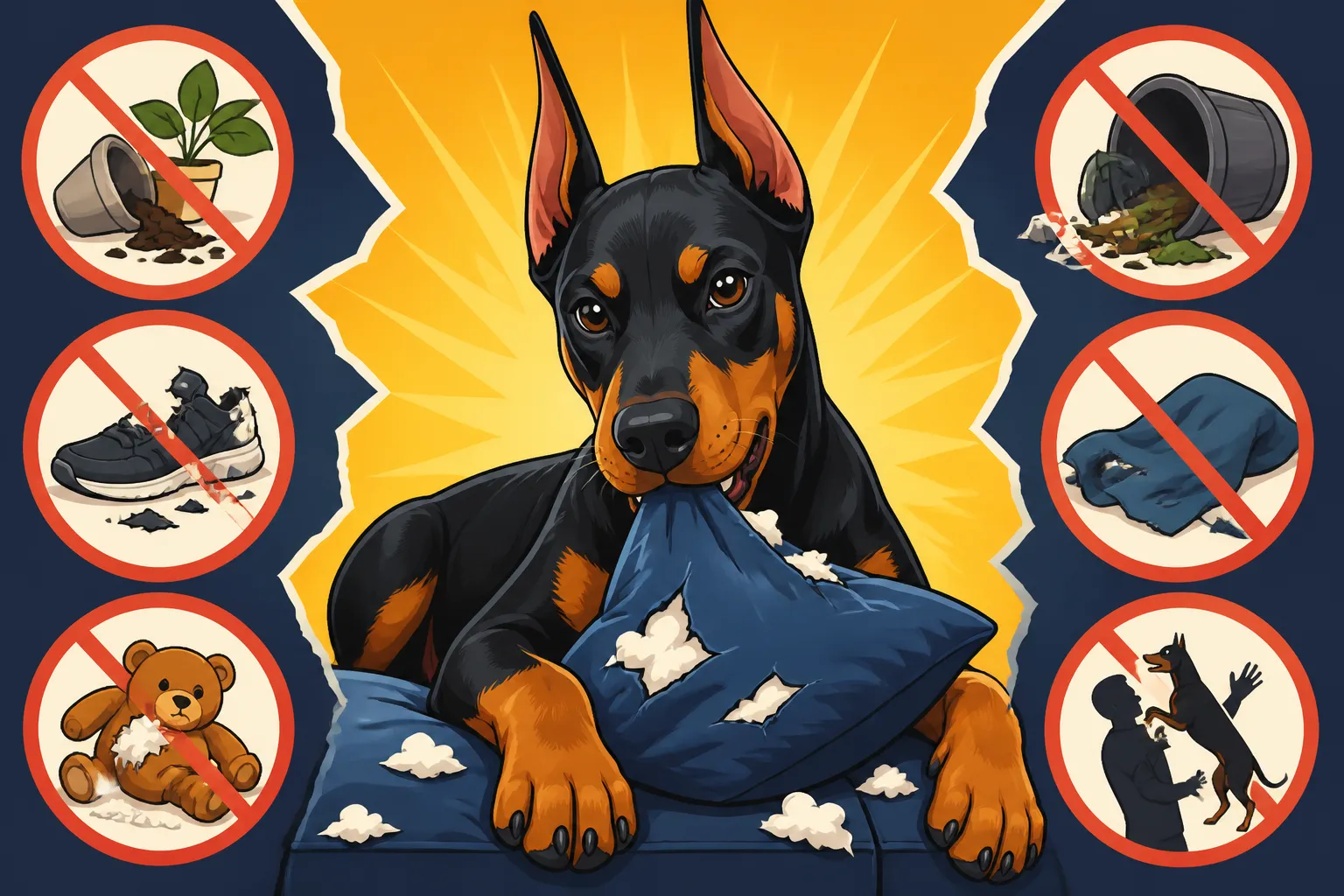
Another common way Dobermans test rules during this phase is by pushing boundaries related to personal space and possessions. This could mean suddenly jumping on the couch when they know it's off-limits, nudging your hand off the remote, or trying to claim a spot on your bed. They might also become more "mouthy," testing the limits of acceptable play biting, which can be alarming given their strong jaws. Doberman Puppy Biting and Adolescent Mouthing often makes a comeback at this age.
They might also try to steal items – socks, shoes, or even food left unattended on the counter – behaviors they rarely exhibited as younger puppies. This isn't necessarily destructive behavior; it's often a bid for attention or an exploration of what's "theirs." Establishing clear boundaries around resources and space, and being consistent about enforcement, is paramount to prevent these behaviors from escalating into real problems.
Increased Reactivity or Boldness
During adolescence, some Dobermans might exhibit increased reactivity or boldness. This could mean barking more at strangers passing by, becoming more vocal towards other dogs on walks, or even showing a newfound confidence in situations that previously made them hesitant. This is often tied to those developing guarding instincts and a general surge in self-assuredness. While confidence is a good thing, unchecked boldness can quickly turn into pushiness or even aggression if not managed correctly.
It’s crucial to monitor these changes closely. If your Doberman starts lunging or growling at things they once ignored, it's a sign that their comfort level is shifting, and they need your guidance to understand appropriate responses. Continued, positive socialization experiences are key, but always prioritize safety and set your Doberman up for success rather than overwhelming them.
Re-establishing Boundaries and Consistency
The key to navigating Doberman adolescence is unwavering consistency and a patient return to fundamental training principles. This isn't a time to get angry or frustrated; it's a time to be the calm, confident leader your Doberman needs.
Going Back to Basics with Training
When your Doberman starts testing every rule, the most effective strategy is to revisit basic obedience as if they're a young puppy again. This means short, frequent training sessions, high-value rewards, and absolutely no room for negotiation on commands. If they suddenly "forget" their sit, go back to luring them into the position and rewarding heavily, just like you did at eight weeks old. Make training fun and engaging again, focusing on success and positive reinforcement.
Consider using tools like a long line in a secure area to practice recall, allowing them freedom while still having control. For leash manners, a front-clip harness can provide better management if they've started pulling. Companies like BAXTER & Bella offer comprehensive online puppy and adolescent training programs that can guide you through these regressions with structured lessons, helping you reinforce those foundational skills effectively. Their approach focuses on building a strong relationship through positive methods, which is exactly what a Doberman thrives on. You can also find great resources for durable training toys and treats on platforms like Amazon to keep your Doberman engaged during these sessions.
Managing the Environment to Prevent Missteps
Prevention is a powerful tool during adolescence. If your Doberman is suddenly counter surfing, don't leave food out. If they're chewing forbidden items, ensure those items are put away. Crating can be an excellent management tool when you can't actively supervise them, preventing them from practicing undesirable behaviors. Think about their environment from their perspective: where are the temptations? How can you remove or manage them so they don't even have the opportunity to make a "mistake"?
For a Doberman that shadows you everywhere, sometimes providing them with a designated "place" command or a comfy bed in another room can help teach them to settle independently, even if it's just for short periods initially. A Doberman That Cannot Cope When You Go Out can be a concern, and building alone time gradually, often starting with a well-managed environment, is crucial. This isn't about punishment; it's about setting them up for success by making the right choices easy and the wrong choices impossible.
The Power of Positive Reinforcement and Clear Communication
Dobermans, with their sensitive nature, respond best to positive reinforcement. Harsh corrections can easily shut them down, making them fearful or resentful, which is the last thing you want during a time when you need them to trust and listen to you. Why Heavy Corrections Backfire on a Doberman is an important read for any owner. Instead, focus on rewarding the behaviors you do want to see. Did they finally come when called? Throw a party! Did they settle on their mat instead of jumping on a guest? Jackpot reward!
Clarity in communication is also vital. Use consistent cues, clear body language, and ensure everyone in the household is on the same page with rules and expectations. If one person lets them jump on the couch, and another corrects them, your Doberman will simply learn that the rule is inconsistent. Their intelligence means they will exploit these inconsistencies. Be patient, be persistent, and celebrate the small victories. The aim is to guide them through this phase, not to "break" their spirit. Marker Training a Doberman From Scratch can be an excellent way to rebuild precise communication.
| Adolescent Behavior | Why It Happens | Effective Response Strategy |
|---|---|---|
| Ignoring Recall/Cues | Testing boundaries, distractions are high, hormones shifting. | Go back to basics in low-distraction environments, use high-value treats, make yourself more exciting than the environment. |
| Counter Surfing/Stealing | Exploring boundaries, seeking attention, high reward for "forbidden" items. | Environmental management (keep counters clear), "leave it" command practice, redirect to appropriate chew toys. |
| Excessive Mouthiness/Nipping | Testing limits, seeking attention, lack of bite inhibition refinement. | Immediately disengage (walk away), redirect to a chew toy, enforce "no teeth on skin" rule. |
| Leash Pulling | Strong prey drive, excitement, testing physical limits. | Use a front-clip harness, practice loose-leash walking in low-distraction areas, reward polite walking heavily. |
| Jumping on Guests | Over-excitement, seeking attention, lack of proper greeting manners. | Teach a "place" command, ignore jumping, reward all four paws on the floor, keep greetings calm. |
| Increased Reactivity to Strangers | Developing guarding instincts, hormonal shifts, lack of confidence. | Positive exposure from a distance, desensitization, classical conditioning (treats when stranger appears), consult a professional. |
When to Call in the Professionals
While Doberman adolescence is a normal phase, some behaviors can escalate or feel overwhelming. Knowing when to seek professional help isn't a sign of failure; it's a sign of responsible dog ownership.
Recognizing When You Need More Support
If you're feeling constantly overwhelmed, frustrated, or even fearful of your Doberman's behavior, it's time to reach out. Signs that professional help might be beneficial include:
- Persistent aggression: This includes growling, snapping, or biting towards people or other animals beyond normal adolescent testing.
- Severe separation anxiety: Destructive behavior, incessant barking/howling, or self-harm when left alone.
- Unmanageable reactivity: Lunging and barking at every dog or person on walks despite your best efforts.
- Excessive fear or phobias: Developing extreme fear of sounds, objects, or people that hinders their quality of life.
- A Doberman that appears genuinely unhappy or distressed: Changes in appetite, lethargy, or obsessive behaviors.
Remember, Dobermans are powerful, intelligent dogs. Unchecked behavioral issues can become dangerous if not addressed promptly and correctly. Don't wait until things are dire; early intervention is always best. The Doberman Years When Everything Shows Up can be a complex time, and a professional can offer crucial guidance.
Finding the Right Trainer for Your Doberman
Choosing a trainer is incredibly important, especially for a sensitive and intelligent breed like the Doberman. Look for trainers who:
- Use positive reinforcement methods: Avoid any trainer who relies heavily on punishment, fear, or pain, such as shock collars or harsh leash corrections. These methods can damage your Doberman's temperament and your bond.
- Have experience with Dobermans or similar working breeds: They'll understand the breed's specific traits, intelligence, and potential challenges. Finding a Trainer Who Has Worked With Dobermans is a critical step.
- Are certified and reputable: Look for certifications from recognized professional organizations.
- Focus on behavior first, then training: A good trainer will help you understand the why behind the behavior, not just try to suppress it.
- Encourage owner participation: The goal is for you to learn how to communicate and train your dog, not for the trainer to "fix" your dog for you.
Don't be afraid to ask questions, observe classes, and get references. A good trainer will be transparent about their methods and philosophy.
Complementary Resources for Doberman Owners
Beyond individual trainers, there are many resources that can complement your efforts during this adolescent phase. Online courses, like those from BAXTER & Bella, can provide a structured curriculum you can follow at your own pace, often with access to live Q&A sessions or a supportive community. These can be particularly helpful for reinforcing skills and troubleshooting specific issues.
Books, reputable blogs, and breed-specific online forums can also offer valuable insights and support. Just be sure to vet your sources carefully, as there's a lot of conflicting information out there. Consider joining a local Doberman owner group for camaraderie and shared experiences. Sometimes, just knowing you're not alone in dealing with a tenacious, rule-testing Doberman at ten months old can make all the difference. Keep Keeping a Doberman Mentally Tired in mind, as a tired Doberman is often a better-behaved Doberman, and a professional can help you structure enrichment activities.
This adolescent phase can feel like a test of your patience and resolve, but it's a temporary one. By understanding what your Doberman is going through, consistently reinforcing boundaries, and not being afraid to ask for help, you can guide them through this tricky period and continue building a strong, loving relationship that will last a lifetime.
Disclaimer
This article is for general informational purposes only and does not constitute professional advice. Laws, prices and regulations vary by location and change over time. Consult a qualified professional for guidance on your specific situation.