Whether a Neutered Doberman Guards Less
It’s a common worry for Doberman owners, isn't it? You get this amazing dog, known for its protective instincts and loyal nature, and then you start thinking about neutering. Immediately, questions pop up: will it change him? Will he still be the vigilant guardian you cherish, or will something essential be lost? This guide dives deep into the complex relationship between neutering, hormones, and the inherent guarding behaviors of Dobermans, helping you understand what to realistically expect and how to foster the best traits in your companion.
The Foundation of Doberman Guarding Instincts
Before we even touch on neutering, it's crucial to understand where a Doberman's guarding instincts come from. These aren't just random behaviors; they're deeply ingrained traits, carefully cultivated over generations since Karl Dobermann first set out to create the ultimate personal protection dog. You're not just getting a pet; you're getting a canine security system with a heart of gold.
Understanding the Breed's Heritage
Dobermans were specifically bred for their courage, intelligence, and protective nature. They were designed to be formidable, alert, and capable of defending their human companions and property. This history means that a certain level of watchfulness and territoriality is hardwired into their DNA. It’s not something you can simply train out of them, nor is it something that solely hinges on the presence of hormones. Think of it less as an aggressive drive and more as an innate sense of responsibility. When your Doberman sits quietly, observing the backyard, or perks up an ear at a distant sound, that's their heritage shining through. This inherent disposition, often described in the breed standard as "determined and alert," means they're always aware of their surroundings. You can read more about this in What Determined and Alert Mean in the Doberman Standard.
Nature Versus Nurture in Protection
While genetics provide the blueprint, environment and training are just as vital in shaping how these instincts manifest. A Doberman puppy from working lines might have a stronger natural inclination towards guarding, but without proper socialization and consistent training, that instinct can become problematic. Imagine a young Doberman, full of potential, but never exposed to new people or situations in a positive way. His natural wariness could quickly escalate into fear-based reactivity, which is very different from calm, confident guarding. On the flip side, a Doberman with less pronounced natural guarding traits can still be an excellent deterrent and watchful companion if channeled correctly. The goal is always to build a Doberman puppy that is Building a Doberman Puppy That Is Confident, Not Sharp, not one that is fearful or overly aggressive.
How Hormones Influence Guarding Behavior
Testosterone plays a significant role in many male canine behaviors, and guarding is often cited as one of them. It's a powerful chemical messenger, influencing everything from physical development to behavioral drives.
The Role of Testosterone in Male Dogs
Testosterone is often associated with traits like increased confidence, territorial marking, and a heightened drive to challenge perceived threats. In unneutered male Dobermans, these hormonal influences can contribute to a more pronounced display of guarding behaviors. This might look like a stronger tendency to patrol boundaries, a deeper bark directed at strangers approaching the property, or a more assertive stance when encountering unfamiliar dogs or people. These behaviors are not necessarily negative, but they can be more intense and require more consistent management and training from the owner. This is particularly true during adolescence when hormone levels are surging and your Doberman is trying to figure out his place in the world.
Hormonal Peaks and Behavioral Changes
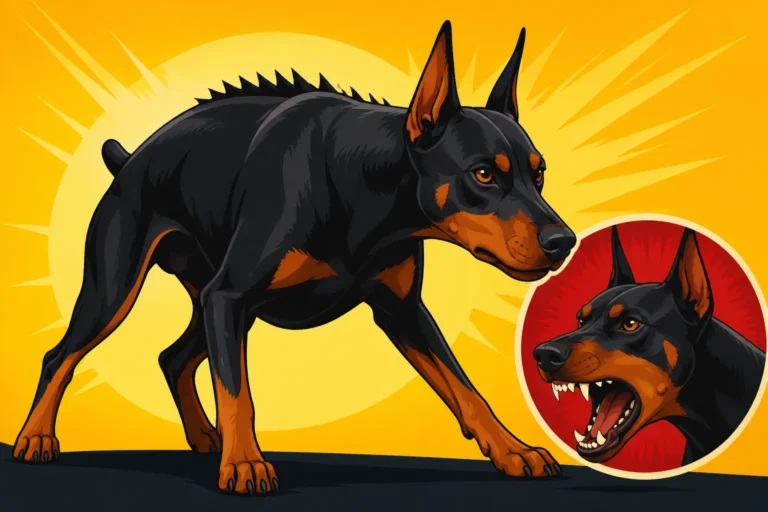
The peak influence of testosterone typically occurs during a Doberman's adolescent period, roughly between 6 months and 2 years of age. This is often when owners start noticing more pronounced guarding behaviors, along with other "male" behaviors like urine marking, mounting, and increased interest in female dogs. At this stage, a Doberman might become more vocal with strangers or show a stronger inclination to "take charge" in social situations. This doesn't mean they become aggressive, but their natural Doberman Guarding Instinct and Where It Tips Over might become more overt. It's a phase that requires firm, fair, and consistent leadership, ensuring that these emerging protective instincts are channeled appropriately rather than allowed to escalate into undesirable behaviors.
The Reality of Neutering and Guarding Tendencies
So, does removing those hormones change everything? It's not as straightforward as a simple "yes" or "no." Neutering can have an impact, but it rarely erases deeply ingrained behaviors or personality traits.
Direct Effects of Neutering on Guarding
Neutering removes the primary source of testosterone, leading to a gradual reduction in its levels within the body. For some Dobermans, this can lead to a decrease in certain testosterone-driven behaviors. You might see less urine marking, reduced humping, and potentially a slight mellowing of their overall demeanor. If a Doberman's guarding was heavily tied to a strong desire to challenge perceived male rivals or was primarily territorial marking behavior, then neutering might lessen that intensity. However, if the guarding behavior stems from a strong genetic predisposition, effective training, or simply being an alert companion, the impact of neutering alone on the core guarding instinct is often minimal. They might still bark at the mail carrier or alert you to someone at the door, but perhaps with slightly less hormonal intensity. The Doberman's fundamental nature of being watchful and attentive to their family often remains unchanged.
What Neutering Doesn't Typically Change
It's important to understand that neutering is not a magic fix for behavioral issues. If a Doberman's guarding behavior is rooted in fear, poor socialization, lack of confidence, or simply a learned response to specific triggers, neutering alone won't address these underlying causes. For example, a Doberman that lunges and barks at every passing stranger due to anxiety, rather than pure territoriality, won't suddenly become calm just because his testosterone levels drop. In fact, if insecurity is a factor, the slight loss of confidence some dogs experience post-neutering could even exacerbate fear-based reactions in rare cases.
Think of it this way: neutering addresses a physiological component, but it doesn't rewind the clock on learned behaviors or rewrite their genetic programming. If your Doberman has learned that barking keeps strangers away, or if he's inherently Whether a Doberman Is Naturally Suspicious of new things, those learned patterns and inherent traits will persist and still require careful management and training.
Here's a quick overview of how neutering might affect different aspects of guarding behavior:
| Behavioral Aspect | Primary Driver | Impact of Neutering |
|---|---|---|
| Territorial Marking | Hormonal | Often significantly reduced |
| Challenging Other Males | Hormonal | Can be reduced |
| Alert Barking at Strangers | Instinctual/Learned | Minimal change, unless fear-based |
| Patrolling Property Boundaries | Instinctual/Learned | Minimal change |
| Physical Confrontation (if applicable) | Hormonal/Learned | Can be reduced, especially if aggression is dominance-driven |
| Overall Vigilance/Watchfulness | Instinctual | Minimal change |
When to Consider Neutering for Behavioral Reasons
If a Doberman's guarding behaviors are truly escalating due to an unchecked hormonal drive – constant marking, aggression towards other intact males, or an inability to focus on training due to sexual urges – then neutering can certainly be a valuable tool to help reduce these specific motivations. However, it should always be considered part of a larger behavioral modification plan, not a standalone solution. Discussing your specific Doberman's behavior and the pros and cons of neutering with your veterinarian and a qualified professional trainer is always the best approach. They can help you determine if hormones are truly the primary driver of the behaviors you're seeing.
Training and Management: Beyond the Surgical Snip
Ultimately, whether your Doberman is neutered or not, consistent training and thoughtful management are the true keys to shaping a confident, well-behaved, and appropriately protective companion. The decision to neuter or not should involve a holistic view of your dog's health, temperament, and your lifestyle.
Harnessing and Directing Natural Instincts
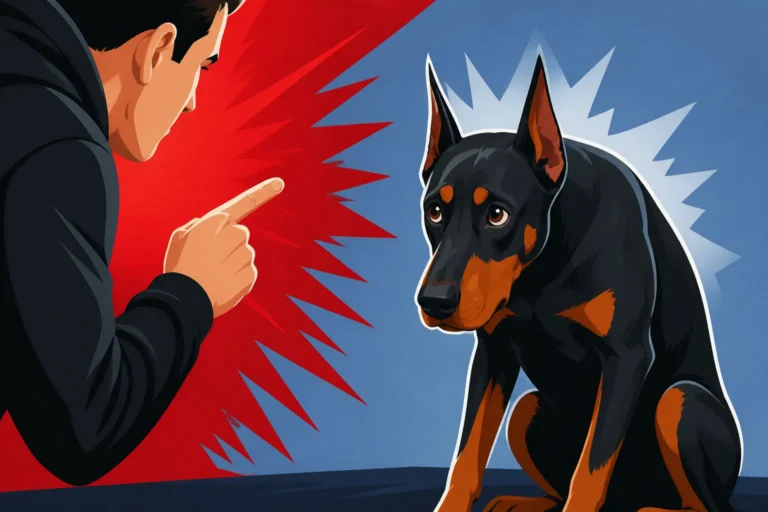
The Doberman's protective instincts are a gift, not a burden, if properly managed. Instead of trying to suppress them entirely, your goal should be to direct them. Teach your Doberman when and how to be protective. This means rewarding calm, alert behavior, and redirecting excessive barking. For example, when someone approaches the door, allow a few barks to alert you, then call your Doberman to a "place" command, rewarding them for settling down. This teaches them that you acknowledge their alert and will take over. This approach is far more effective than punishing them for barking, which can often lead to a nervous dog who barks more because they are anxious about your reaction. You can explore online training programs, such as those offered by BAXTER & Bella, which provide comprehensive guidance on puppy development and manners, teaching you how to instill confidence from a young age.
The Importance of Early Socialization
I cannot stress this enough: early, positive, and varied socialization is paramount for any Doberman, regardless of whether they will be neutered. Exposing your Doberman puppy to a wide variety of sights, sounds, people, and appropriate dog interactions from a young age helps them develop into a stable adult. A well-socialized Doberman learns to differentiate between novel and threatening situations. Without it, even the most genetically sound Doberman can become fearful and reactive, leading to defensive guarding behaviors that are undesirable and dangerous. Read Exposing a Doberman Puppy to Strangers to understand how to do this correctly.
Consistent Training and Clear Boundaries
Dobermans are incredibly intelligent and eager to please, but they also thrive on structure and consistency. Training a Doberman That Is Smarter Than You Expect means you need to be one step ahead! Establish clear rules and boundaries from day one. Use positive reinforcement methods to teach obedience commands like "sit," "stay," "come," and a reliable "leave it." These commands aren't just for tricks; they are crucial tools for managing your Doberman in real-world situations. For instance, a strong "come" can prevent an unwanted greeting, and a solid "stay" can keep them from rushing the door. Consider investing in high-quality training aids available on Amazon, such as puzzle toys or treat pouches, to keep training engaging and rewarding. Remember, effective training helps your Doberman feel secure in your leadership, reducing the need for them to feel solely responsible for guarding.
Professional Guidance When Needed
If you're struggling with intense guarding behaviors or reactivity, don't hesitate to seek help from a professional. Look for trainers experienced with working breeds, particularly Dobermans, who use modern, science-based, force-free methods. A trainer who understands the breed's nuances can provide tailored strategies and help you understand the root cause of the behavior, whether it's fear, over-arousal, or a genuine protective instinct that needs refinement. Avoid trainers who advocate harsh corrections or punitive methods, as these can easily backfire on a sensitive breed like the Doberman, potentially creating a dog that is Rebuilding Trust With a Harshly Handled Doberman or even more reactive. A good trainer will help you teach your Doberman to be Teaching a Doberman to Accept Visitors calmly.
Disclaimer
This article is for general informational purposes only and does not constitute professional advice. Laws, prices and regulations vary by location and change over time. Consult a qualified professional for guidance on your specific situation.