Dandruff and Flaking on a Doberman
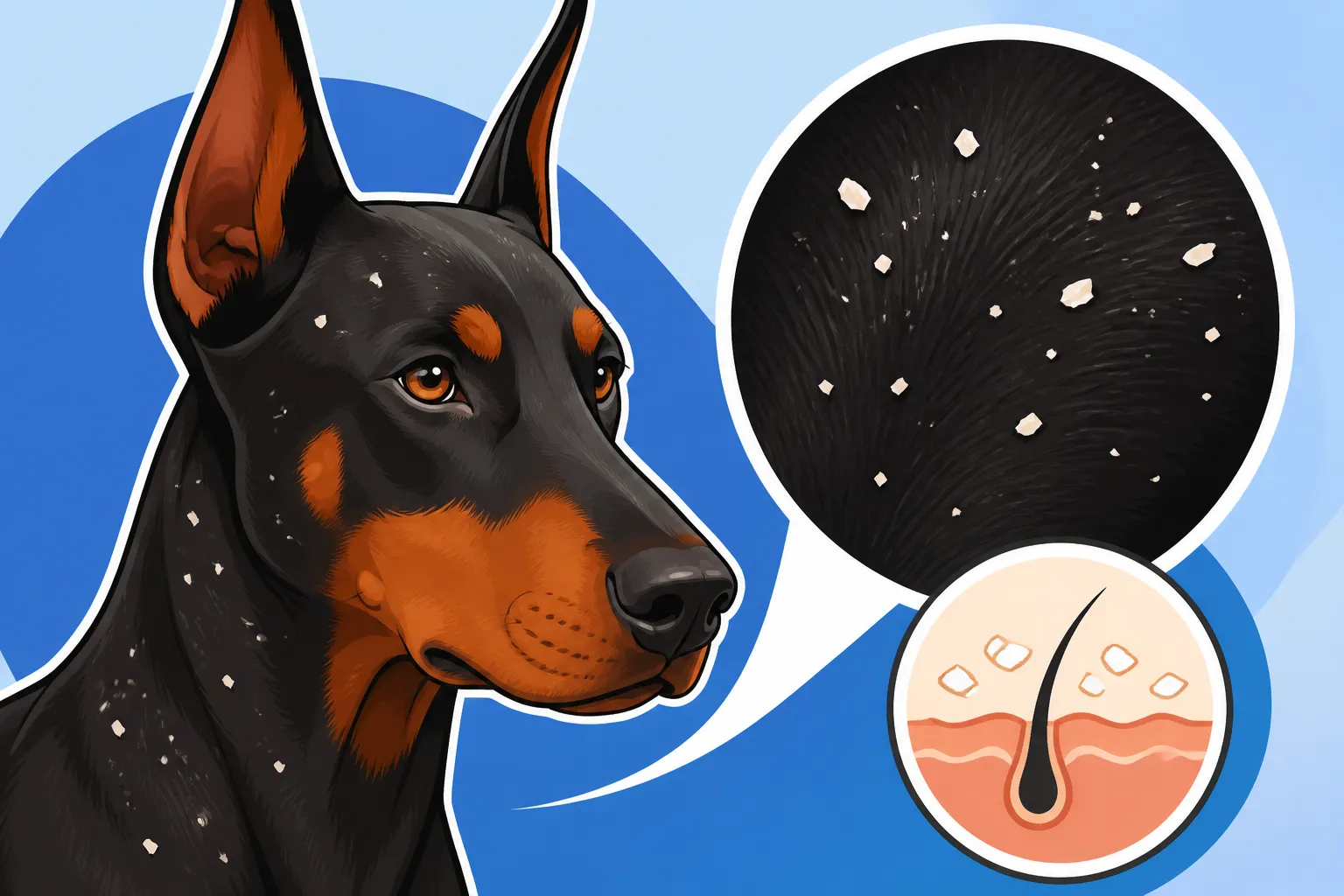
It can be incredibly disheartening to notice your sleek, beautiful Doberman constantly scratching, leaving a trail of white flakes behind them. You try brushing more, maybe bathing less, but the dry, itchy skin and persistent dandruff just don't seem to clear up, leaving you wondering if it's just 'their skin type' or something more serious. This comprehensive guide will walk you through the common causes of dandruff and flaking in Dobermans, offer practical solutions for home care, and help you recognize when it’s time to call the vet.
Understanding Doberman Skin: Why They're Prone to Dryness and Flaking
Dobermans are renowned for their striking, short, and glossy coats. This elegant appearance, however, often comes with a trade-off: a predisposition to certain skin issues, including dryness, flaking, and dandruff. It's not just bad luck; it's often rooted in their unique biology and how they interact with their environment.
The Doberman's Unique Coat Structure
Unlike many breeds with thick double coats, Dobermans possess a single, short, dense, and hard coat that lies close to their body. They lack a substantial undercoat, which normally provides an extra layer of insulation and helps regulate skin moisture and oil production. This distinct characteristic means their skin is more exposed and has fewer natural defenses against environmental stressors. Think of it like a finely tailored suit versus a thick winter parka – one offers elegance, the other robust protection. This thin skin and lack of insulation also mean Why a Doberman Feels the Cold Before Other Dogs, making them more susceptible to temperature fluctuations which can dry out their skin.
Because their coat is so short and fine, issues like dandruff become immediately obvious. You don't have layers of fur to hide the flakes, and any dryness is often visible right on the surface. Furthermore, their skin tends to be quite delicate, sometimes leading to Thin Doberman Skin and Everyday Cuts if not properly cared for. The natural oils that are meant to keep their skin supple can sometimes be stripped away easily by harsh shampoos or dry air, leading to a compromised skin barrier and, you guessed it, more flakes.
Common Environmental Factors Contributing to Dry Skin
Our homes, while comfortable for us, can sometimes be battlegrounds for our Dobermans' skin. The most prevalent culprit is often low humidity, especially during colder months when central heating systems are running continuously. This dry air literally pulls moisture from your Doberman's skin, much like it does from yours, leading to that tight, itchy feeling and subsequent flaking. It's a silent assailant that many owners overlook.
Beyond indoor air quality, external elements can also play a role. Overexposure to sun without proper protection can dehydrate skin, and even certain types of grass or plants can cause contact dermatitis, manifesting as dry patches and irritation. Consider also the surfaces your Doberman spends their time on – rough bedding or carpets can cause friction and mild irritation, contributing to localized dryness. Even simple things like dust or pollen can settle on their short coat and irritate sensitive skin.
Identifying the Root Cause of Your Doberman's Dandruff
Seeing flakes and scratching is one thing, but figuring out why it's happening is the crucial next step. Dandruff isn't just one problem; it's often a symptom with a variety of potential underlying causes, ranging from simple environmental issues to more complex health concerns.
Allergic Reactions and Dietary Triggers
Just like people, Dobermans can suffer from allergies, and these often manifest as skin problems. Environmental allergens – things like pollen, dust mites, or mold – can cause atopic dermatitis, leading to itchy, flaky skin, particularly on the paws, belly, and face. You might notice seasonal patterns if pollen is the issue, or persistent problems if dust mites in your home are the culprit. The constant scratching can further damage the skin barrier, creating a vicious cycle of irritation and flaking.
Food allergies or sensitivities are another major player. Certain protein sources (chicken, beef, dairy) or grains can trigger an inflammatory response in your Doberman, leading to chronic itching, red skin, and yes, dandruff. It's not always an immediate reaction; sometimes it builds up over time. If you suspect food is the issue, your vet might recommend an elimination diet to pinpoint the specific trigger. For Dobermans with sensitivities, exploring different protein sources or limited ingredient diets can make a world of difference. Brands like Ollie, known for their fresh, human-grade food, often offer customized plans that can cater to specific dietary needs and help reduce inflammatory responses that contribute to skin issues.
Parasites, Fungal Infections, and Other Medical Conditions
Sometimes, the cause of flakes isn't internal or environmental, but an unwelcome visitor. Fleas, mites (like sarcoptic or demodectic mange), and even lice can cause intense itching, redness, and significant flaking. The irritation from these parasites can be so severe that your Doberman scratches themselves raw, exacerbating the dandruff. A thorough check for tiny black specks (flea dirt) or any crawling critters is always a good first step, especially if your dog spends time outdoors.
Fungal infections, such as ringworm, can also present with dry, scaly patches and hair loss, often mistaken for simple dandruff. Bacterial skin infections, or pyoderma, can occur as a secondary issue when the skin barrier is compromised by scratching or other underlying problems. These infections often require specific medical treatments to resolve. If the flaking is accompanied by a foul odor, redness, pustules, or hair loss in patches, it's a strong indication that a deeper medical issue is at play. Your vet will be able to perform tests to diagnose these conditions accurately.
Hormonal Imbalances and Systemic Illnesses
Less obvious, but equally impactful, are internal health issues that manifest on the skin. Hypothyroidism, where the thyroid gland doesn't produce enough hormones, is a common culprit in Dobermans. A low thyroid can lead to a dull, dry coat, excessive shedding, and flaky skin, often accompanied by weight gain, lethargy, and a general "slowing down." This is why a vet might suggest The Thyroid Numbers That Slow a Doberman Down if other causes are ruled out. If you've also noticed Weight Gain and Low Energy in a Doberman, it's definitely worth discussing with your vet.
Other systemic illnesses, including Cushing's disease or even some autoimmune conditions, can also impact skin health, leading to thinning skin, poor coat quality, and increased flaking. These conditions are usually diagnosed through blood tests and require ongoing management. It's crucial not to dismiss persistent skin issues as just "dry skin," as they can sometimes be the first visible sign of a more significant underlying health problem.
Effective Home Care Strategies for Managing Dry Skin and Dandruff
Once you have an idea of what might be causing your Doberman's dandruff, or even if you're just looking for general preventative care, there are many things you can do at home to help soothe their skin and improve coat health. Consistency is key when it comes to any home care regimen.
The Importance of a Balanced Diet and Quality Supplements
A healthy coat and skin start from the inside out. Ensuring your Doberman receives a high-quality, balanced diet is paramount. Look for dog foods that list a named meat source as the first ingredient and avoid excessive fillers or artificial additives, which can sometimes exacerbate sensitivities. For Dobermans, ensuring adequate Daily Calories for an Adult Doberman and proper protein levels is vital for overall health, which in turn supports skin and coat condition.
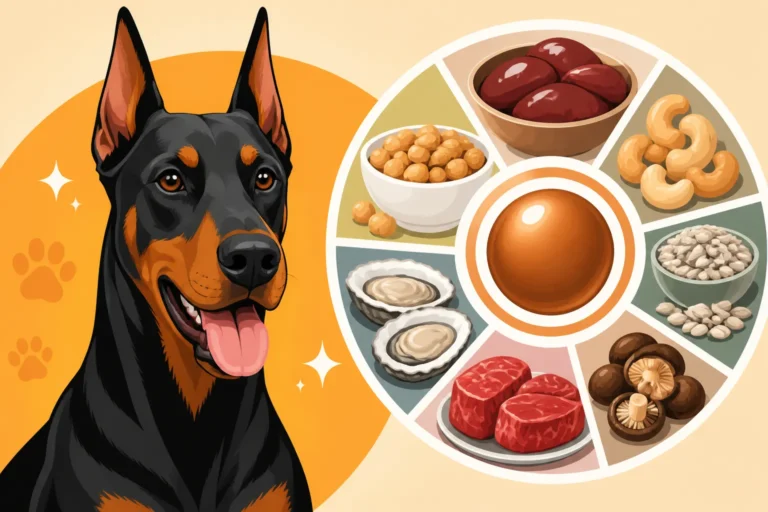
Beyond a good base diet, specific supplements can make a tremendous difference. Omega-3 and Omega-6 fatty acids are superstars for skin health. These essential fatty acids reduce inflammation, improve skin barrier function, and contribute to a shiny, healthy coat. Fish oil (salmon, sardine, or anchovy oil) is an excellent source of Omega-3s. You might want to consider Omega Oils for a Doberman With Coat Loss if dryness is severe. Vitamin E and zinc can also play a role in skin repair and health. Always introduce new supplements gradually and discuss them with your vet to ensure they're appropriate for your Doberman's specific needs and don't interact with any existing medications. High-quality supplements can often be found on platforms like Chewy or Amazon.
Bathing Practices and Choosing the Right Products
Bathing a Doberman can be a bit of a balancing act. While you might think more baths will help with flakes, over-bathing, especially with harsh shampoos, can actually strip the skin of its natural oils, leading to more dryness and irritation. Aim for bathing only when necessary, typically every 4-8 weeks, unless otherwise directed by your vet for a specific condition.
When it comes to products, choosing wisely is crucial. Opt for shampoos specifically formulated for sensitive skin or those containing oatmeal, aloe vera, or ceramides, which help to moisturize and soothe. Avoid shampoos with strong perfumes, dyes, or harsh detergents. After shampooing, a good quality conditioner designed for dogs can lock in moisture. For particularly dry or flaky skin, your vet might recommend a medicated shampoo. There are excellent options available for Shampoo for a Doberman With Dry Skin that can gently cleanse without over-drying. Always ensure you rinse thoroughly; any residue left behind can cause further irritation.
Table: Doberman Bathing Best Practices
| Action | What to Do | Why It Matters |
|---|---|---|
| Frequency | 4-8 weeks, or as directed by vet | Prevents stripping natural oils; avoids over-drying. |
| Water Temperature | Lukewarm (comfortable for your elbow) | Hot water can dry out skin; cold water can be uncomfortable. |
| Shampoo Choice | Hypoallergenic, oatmeal-based, or medicated (vet recommended) | Gentle cleansing, soothing, restores moisture. Avoid harsh chemicals/fragrances. |
| Conditioner | Use a hydrating dog conditioner after shampoo | Locks in moisture, improves coat texture, protects skin barrier. |
| Rinsing | Rinse thoroughly until no suds remain | Shampoo residue causes irritation and itching. |
| Drying | Towel dry vigorously, then air dry in a warm, draft-free area | Prevents chilling and skin issues from prolonged dampness. |
Environmental Humidity and Skin Hydration
As mentioned earlier, dry indoor air can be a major contributor to flaky skin. Investing in a humidifier for the rooms where your Doberman spends the most time can make a significant difference. Maintaining an indoor humidity level between 40-60% can help keep both your skin and your Doberman's skin more hydrated. This small environmental tweak can often provide surprising relief for chronic dry skin issues.
Beyond humidifiers, you can also consider topical moisturizers formulated for dogs. These often come as sprays or leave-in conditioners and can be applied directly to dry patches. Coconut oil, in moderation, can also be massaged into very dry areas, though be mindful that some dogs might lick it off. Always ensure any product you use is safe for canine ingestion, just in case. Providing ample fresh water for your Doberman to drink throughout the day is also fundamental for overall hydration, including skin hydration.
When to Seek Veterinary Help for Doberman Skin Issues
While many minor cases of dandruff and flaking can be managed with diligent home care, there are times when a trip to the veterinarian is absolutely necessary. Ignoring persistent or worsening symptoms can lead to more severe discomfort, infections, and even mask underlying health problems.
Recognizing Red Flags and Persistent Symptoms
How do you know when it's time to stop with the home remedies and consult a professional? Look for these red flags:
- Intense, unrelenting itching: If your Doberman is scratching excessively, to the point of disrupting their sleep, causing sores, or losing hair, it's a clear sign that the issue is beyond simple dryness.
- Redness, inflammation, or rashes: While some mild pinkness might accompany dry skin, widespread redness, hot spots, or obvious rashes indicate an inflammatory process that needs medical attention.
- Foul odor from the skin: A "yeasty" or otherwise unpleasant smell often points to a bacterial or fungal infection that requires specific treatment.
- Hair loss or Bald Patches on a Blue Doberman: While some shedding is normal, unexplained patches of hair loss, especially if the skin underneath is also irritated or thick, is concerning. This is especially true for blue or fawn Dobermans, who are prone to Color Dilution Alopecia in Blue and Fawn Dobermans.
- Lethargy, changes in appetite, or other systemic signs: If skin issues are accompanied by a lack of energy, changes in eating habits, or other signs of illness, it could point to a more serious internal problem, such as a hormonal imbalance or other systemic disease.
- Lack of improvement with home care: If you've diligently tried appropriate home care for a couple of weeks without seeing any significant improvement, it's time for a professional diagnosis.
Diagnostic Tests a Vet Might Recommend
When you bring your Doberman to the vet for skin issues, they won't just guess. A thorough examination will be conducted, and they may recommend several diagnostic tests to pinpoint the exact cause:
- Skin Scrapes: This involves gently scraping the surface of the skin to collect samples that are then examined under a microscope. This test is crucial for identifying mites, such as those causing sarcoptic or demodectic mange.
- Fungal Cultures: If ringworm is suspected, hair and skin samples will be sent to a lab to culture for fungal growth.
- Cytology: This involves taking impressions or swabs of the skin to look for bacteria or yeast cells under a microscope, helping to identify secondary infections.
- Blood Work: Complete blood count (CBC) and biochemistry profiles can reveal systemic issues. For example, a thyroid panel can check for hypothyroidism. If allergies are suspected, specific allergy testing might be discussed, although these tests can sometimes have limitations.
- Elimination Diet Trials: For suspected food allergies, your vet might guide you through a strict elimination diet using a novel protein or hydrolyzed protein diet. This usually lasts 8-12 weeks and is the gold standard for diagnosing food sensitivities.
- Biopsy: In rare, complex cases, a small skin biopsy might be taken and sent to a pathologist for microscopic examination to diagnose autoimmune conditions or other rare skin diseases.
Prescription Treatments and Ongoing Management
Once a diagnosis is made, your vet will prescribe the most appropriate course of treatment. This could range from specific medications for parasites, antibiotics for bacterial infections, or antifungals for yeast and ringworm. For allergies, managing the triggers and symptoms is key, which might involve antihistamines, steroids, or newer immunomodulatory drugs.
For Dobermans with chronic conditions like hypothyroidism, lifelong medication (e.g., synthetic thyroid hormone) will be necessary, along with regular monitoring of blood levels. Medicated Baths for a Doberman With Coat Loss might also be prescribed if there's significant irritation or infection. The goal of ongoing management is not just to clear up the immediate problem but to prevent recurrence and keep your Doberman comfortable and healthy in the long term. This often involves a combination of dietary adjustments, supplements, topical treatments, and sometimes systemic medications.
Preventing Future Dandruff Flare-Ups in Your Doberman
Once you've gotten your Doberman's dry skin and dandruff under control, the next step is prevention. A proactive approach, focusing on routine care and smart lifestyle choices, can significantly reduce the chances of future flare-ups and keep their coat looking its best.
Routine Grooming and Proactive Skin Health
Regular, gentle grooming is paramount for maintaining good skin and coat health in Dobermans. Even though they have short coats, they still shed, and brushing helps to remove loose hair, distribute natural skin oils, and stimulate circulation. Using a soft rubber curry brush or a grooming mitt works wonders for Dobermans, as recommended in Doberman Grooming on a Coat With No Undercoat. Aim for a quick brush a few times a week, or even daily during shedding seasons. This also gives you an opportunity to perform a quick skin check, noticing any new flakes, redness, or bumps before they become serious.
Beyond brushing, maintaining good hygiene without overdoing it is key. Regular ear cleaning (especially important for cropped ears that might trap moisture) and nail trims are part of a holistic grooming routine that prevents discomfort that could lead to scratching. Establishing a consistent grooming schedule and sticking to it will benefit your Doberman's skin immensely.
Lifestyle Adjustments for Optimal Doberman Skin
Looking at your Doberman's overall lifestyle can reveal opportunities for improved skin health. Think about their environment:
- Consistent Humidity: If you found humidifiers helpful, continue using them, especially during dry indoor seasons.
- Allergen Control: For Dobermans with environmental allergies, regular vacuuming, washing bedding (including their dog bed from platforms like Amazon), and using air purifiers can reduce exposure to dust mites and pollen.
- Appropriate Bedding: Provide soft, clean bedding that doesn't cause friction or irritation. Orthopedic beds can also offer comfort for a lean Doberman with bony joints.
- Protection from Elements: In harsh weather, protect your Doberman's skin. In winter, a coat can help prevent excessive dryness from cold air, as their short fur offers little insulation. In summer, consider shade and avoid prolonged exposure to intense sun, especially for Dobermans with Hair Loss on a Blue Doberman or very sparse coats.
- Stress Reduction: Believe it or not, stress can sometimes manifest in skin issues. A Doberman who is anxious or stressed might lick or scratch excessively, creating hot spots or exacerbating existing skin conditions. Ensuring they have adequate exercise, mental stimulation, and a stable routine can help manage stress.
By combining a high-quality diet, thoughtful grooming practices, and a mindful approach to their environment, you can significantly reduce the incidence of dandruff and flaking, ensuring your Doberman remains comfortable and their stunning coat stays in prime condition. Catching early signs of dryness or irritation and addressing them proactively is your best defense against chronic skin issues.
Disclaimer
This article is for general informational purposes only and does not constitute professional advice. Laws, prices and regulations vary by location and change over time. Consult a qualified professional for guidance on your specific situation.