Why a Neutered Doberman Starts Gaining
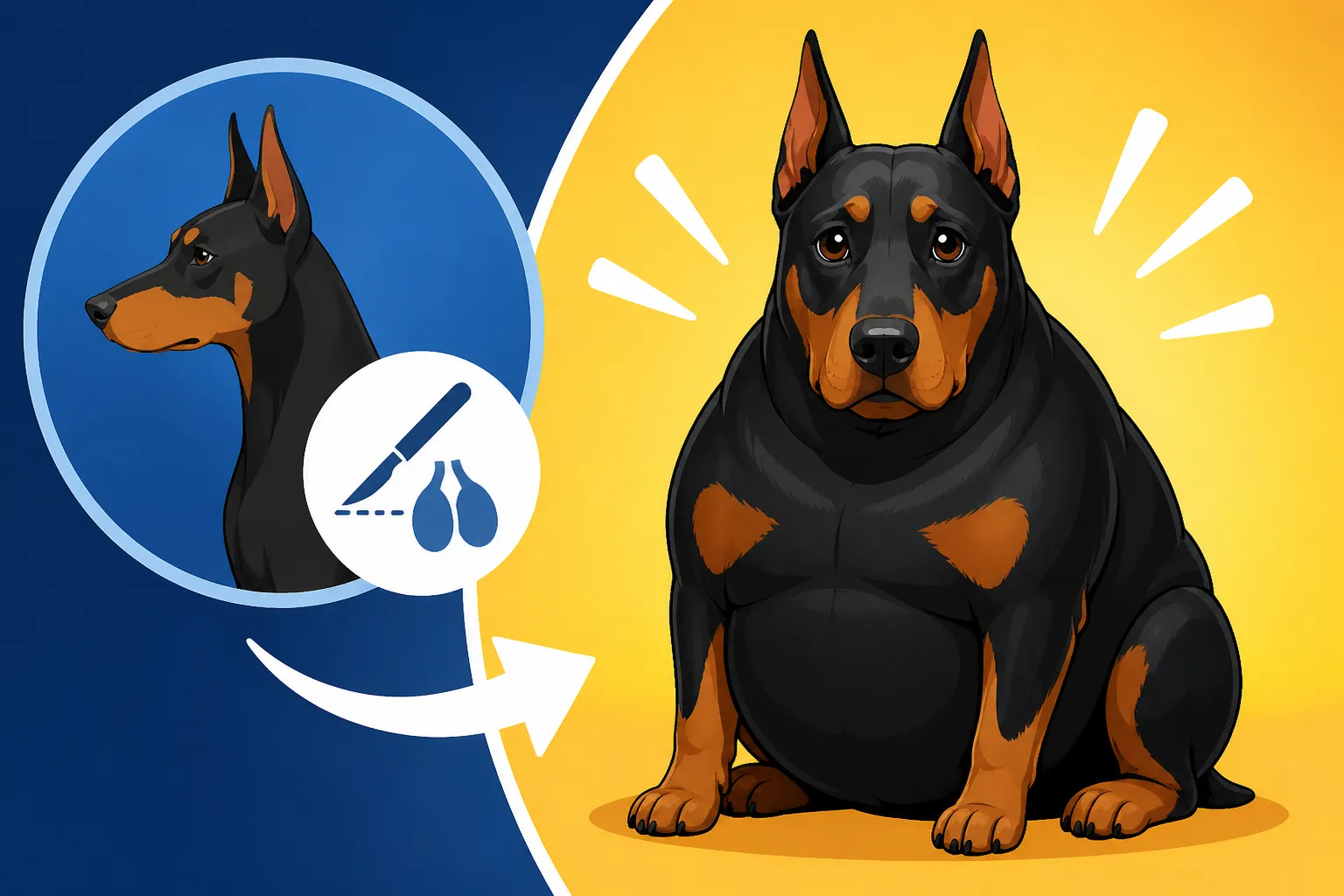
It’s a scenario many Doberman owners face: you bring your beloved, lean, energetic Doberman home after neutering, and seemingly overnight, they start to pack on the pounds. This sudden weight gain can be incredibly frustrating and confusing when you feel like you haven't changed a thing about their diet or exercise. This guide is here to shed light on why this happens and, more importantly, offer realistic strategies to help your neutered Doberman maintain a healthy weight and stay vibrant for years to come.
The Hormonal Rollercoaster: Why Neutering Changes Your Doberman's Metabolism
When your Doberman is neutered, whether male or female, it's a significant surgical procedure that removes their reproductive organs. While essential for population control and preventing certain health issues, this procedure also triggers a profound shift in their hormonal landscape. These aren't just minor adjustments; they fundamentally alter how your Doberman's body processes food and uses energy. It's not your imagination – their body truly does change.
How Estrogen and Testosterone Influence Metabolism
Before neutering, both male and female Dobermans have sex hormones—testosterone in males, estrogen in females—circulating in their systems. These hormones play a crucial role in maintaining a higher metabolic rate. Think of it like this: they act as little internal accelerators, helping the body burn calories more efficiently, even at rest. They contribute to muscle mass development, which is metabolically active tissue, meaning it burns more calories than fat. Your Doberman’s natural lean, athletic build is partly supported by these hormones.
Once these hormones are removed through neutering, that metabolic accelerator slows down considerably. The body no longer has the same hormonal drive to maintain that high-octane energy burn. This reduction in metabolic rate means that your Doberman now requires fewer calories to simply maintain their body functions. If their food intake remains the same as before, those excess calories, which would have been burned off, are now more likely to be stored as fat. It's a physiological fact that often catches owners off guard because it feels like the same dog should have the same needs.
The Energy Expenditure Drop
Beyond the basal metabolic rate, the hormonal changes post-neutering can also affect a Doberman's overall energy expenditure. Testosterone, for example, often contributes to a male Doberman's drive and vigor. While your Doberman might still be keen for a walk, you might subtly notice they aren't quite as relentlessly energetic, or their bursts of play might be slightly less intense or frequent. This isn't always a dramatic change, but it can be enough to significantly reduce their daily calorie burn.
Consider a Doberman that used to zoom around the yard for thirty minutes straight, chasing squirrels and playing fetch with boundless enthusiasm. After neutering, they might still enjoy playing, but perhaps those thirty minutes become twenty, or they take more frequent breaks, or the intensity just isn't quite what it once was. These subtle shifts accumulate. Over weeks and months, that slightly lower energy output means fewer calories are being expended, making it easier for weight to creep on. This is especially true for an athletic breed like the Doberman, whose natural inclination is to be active; any reduction in that activity level needs to be carefully managed.
Changes in Appetite and Satiety Signals
Adding another layer of complexity, neutering can sometimes influence a Doberman's appetite and how satisfied they feel after a meal. While the research is still evolving, some studies suggest that hormonal changes can affect the signals related to hunger and satiety in the brain. This means your Doberman might feel hungrier more often, or they might not feel as full after eating the same amount of food they once did. It’s not just about burning fewer calories; it can also be about wanting more calories.
This can be incredibly challenging for owners. You’re looking into those soulful Doberman eyes, and they’re telling you they’re absolutely starving, even after eating their usual portion. This can lead to giving in to extra treats or slightly increasing meal sizes, inadvertently contributing to the problem. It becomes a vicious cycle: a slower metabolism means less food is needed, but the dog feels hungrier, leading to more food, and thus, weight gain. Understanding this complex interplay of hormones, metabolism, and appetite is the first step toward effectively managing your Doberman's weight.
More Than Just Hormones: How Lifestyle Habits Contribute to Weight Gain
While the hormonal shifts are a primary driver, they don't operate in a vacuum. Our daily habits, often unchanged from before neutering, can unintentionally exacerbate the problem. It's easy to overlook how small, consistent actions (or inactions) contribute to your Doberman slowly thickening around the middle. Many owners find themselves thinking, "But I haven't done anything differently!" – and that's precisely where the issue lies. Not changing things is often the problem when your dog's physiological needs have shifted.
Reduced Activity Levels
Sometimes, after neutering, whether due to recovery time or a subtle drop in your dog's inherent drive, their activity level might unconsciously decrease. Even if you maintain the same number of walks, the intensity or duration of their off-leash play might naturally lessen. Perhaps you used to hike for miles every weekend, but now, without that same boundless energy, you find yourselves doing shorter, less strenuous walks. Or maybe your Doberman, who once tore across the dog park, now prefers to observe or engage in less intense sniffing.
This reduction isn't always obvious. It's rarely a complete cessation of activity, but rather a slight, gradual decline. For a breed like a Doberman, known for its athleticism and need for vigorous exercise, even a small reduction can have a big impact on their caloric needs. If they were burning X calories before, and now they're burning X minus Y, but still eating the same amount, that 'Y' quickly adds up as stored fat. It’s crucial to be mindful of this potential shift and actively work to maintain or even boost their activity levels where possible. The Doberman Years When Everything Shows Up covers the ages when metabolic changes become more apparent, making these observations even more important.
Unchanged or Increased Food Portions
This is perhaps the biggest culprit. Most Doberman owners keep feeding the exact same amount of food they did before their dog was neutered. Why wouldn't they? The dog looks the same, often acts largely the same, and still demands their meals with enthusiasm. However, as we discussed, their caloric needs have decreased due to the metabolic slowdown. Continuing to feed the pre-neutering portion size is like filling a smaller gas tank with the same amount of fuel – it's going to overflow.
Furthermore, some owners might even increase food portions in response to what appears to be increased hunger or begging. They might feel guilty that their dog isn't getting "enough" or mistake the hormonal hunger signals for genuine starvation. Without realizing it, these extra mouthfuls, even if small, contribute significant excess calories over time. Remember, your Doberman's lean physique is a hallmark of the breed, and maintaining it requires precise nutritional management, especially after neutering. It's often helpful to refer to guides like Daily Calories for an Adult Doberman for general guidelines, but always adjusting based on your specific dog's activity and post-neutering needs.
The Sneaky Calories from Treats and Scraps
Let’s be honest, we all love to spoil our Dobermans. Those big, brown eyes are masters of persuasion! Treats are a wonderful training tool and a way to show affection. However, these "extra" calories can be the undoing of even the most well-intentioned diet, particularly for a neutered Doberman with reduced caloric needs. A single cheese cube, a piece of leftover chicken, or a few extra biscuits here and there might seem insignificant. But multiply that by several times a day, every day, and suddenly you've added hundreds of unnecessary calories to their weekly intake.
Many commercial treats, even those marketed for dogs, are surprisingly calorie-dense. And human food scraps, while delicious to your Doberman, are often high in fats, sugars, and salts that contribute to weight gain and can even be detrimental to their health. This is where vigilance is key. It's easy to forget that every little morsel counts, especially when your dog's metabolism is no longer working as efficiently. Weighing a Doberman's Ration Daily highlights the importance of precise measurement for all food, including treats.
Fighting the Fat: Practical Steps to Keep Your Neutered Doberman Lean
The good news is that post-neutering weight gain is entirely manageable with a proactive approach. It requires a conscious effort to adjust your Doberman's diet and exercise routine, but the payoff is a healthier, happier dog that retains its iconic athleticism. Think of it as recalibrating their care to match their new physiological reality.
Re-evaluating Your Doberman's Diet
The first and most critical step is to adjust their food intake. Don't wait until the weight has truly piled on. Start by reducing their current portion by about 10-20% immediately after neutering, then monitor their weight and body condition closely. You might need to adjust further.
- Measure Precisely: Stop "eyeballing" portions. Invest in a proper measuring cup or, even better, a kitchen scale to weigh out their kibble. This ensures consistency and accuracy. Every cup of kibble can vary in density, so weighing is far more reliable.
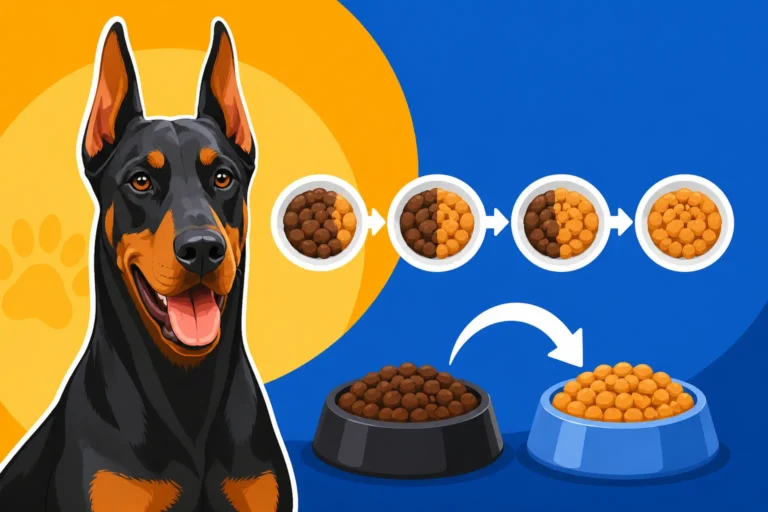
- Switch to a "Weight Management" or Lower Calorie Food: Many premium dog food brands offer formulations specifically designed for less active or neutered dogs. These foods typically have fewer calories per serving while still providing all essential nutrients. Brands found on platforms like Chewy or pet stores often have excellent options that clearly state their caloric content per cup. When considering a new food, also think about Protein and Fat for a Lean Working Doberman to ensure it supports their muscle mass without excess calories.
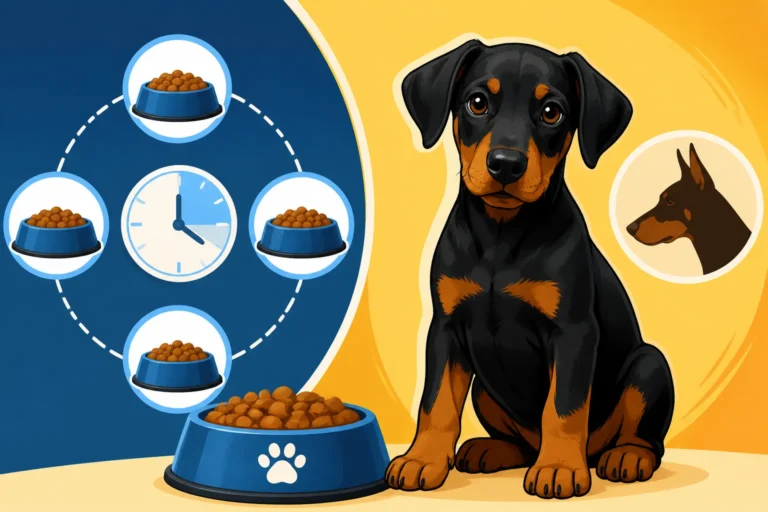
- Avoid Free-Feeding: Leaving food out all day allows your Doberman to graze and consume more than they need. Stick to scheduled meal times, usually two to three times a day, and pick up any uneaten food after 15-20 minutes. Splitting a Doberman's Ration Into Three can be a great strategy, especially if they seem to be constantly hungry, as it can help them feel fuller throughout the day.
- Consult Your Vet: Before making drastic changes, always talk to your veterinarian. They can help you determine the ideal calorie intake for your specific Doberman based on their age, current weight, ideal weight, and activity level. They might also recommend specific brands or prescription diets if weight gain becomes a significant issue.
Boosting Activity in a Safe Way
Maintaining a strong exercise routine is paramount for Dobermans, especially after neutering. Their athletic build and high intelligence mean they thrive on both physical exertion and mental stimulation. You want them to remain the magnificent, powerful dogs they are meant to be, not become couch potatoes.
- Increase Duration and Intensity: If you were doing two 30-minute walks, try for two 45-minute walks, or incorporate more vigorous play like fetch or flirt pole sessions during those times. Look for opportunities for off-leash running in safe, fenced areas, where legal and appropriate.
- Incorporate Mental Stimulation: Dobermans are smart. A physically tired Doberman is good, but a mentally tired Doberman is even better. Puzzle toys, scent work, obedience training sessions, or even just teaching new tricks can burn calories and keep their minds engaged. You can find a vast array of engaging puzzle toys and training aids on sites like Amazon.
- Try New Activities: Agility, obedience trials, tracking, or even long-distance walking can be excellent ways to keep your Doberman active. Even if you don't compete, attending classes provides structure, socialisation, and a dedicated exercise outlet.
- Consistency is Key: Short, frequent bursts of activity throughout the day are often more effective than one long, intense session once a week. Aim for daily exercise that challenges both their body and mind. Remember that A Doberman That Tires Faster Than It Used To might be a subtle sign of underlying issues or simply a need for adjusted exercise.
Smart Snacking and Portion Control
This is where many owners unwittingly sabotage their efforts. Those little extras add up quickly!
- Choose Low-Calorie Treats: Instead of traditional dog biscuits, opt for healthy, low-calorie alternatives like small pieces of cooked carrots, green beans, apple slices (no seeds), or air-popped plain popcorn. Brands like Ollie often offer healthier, less processed treat options.
- Factor Treats into Daily Calories: If you give treats, subtract their caloric value from your Doberman's main meal portion. This helps ensure you're not overfeeding.
- Use Kibble as Treats: When training, use small pieces of your Doberman's regular kibble as rewards. They'll still work for it, and you're not adding extra calories.
- Avoid Table Scraps: It's a hard habit to break, but human food is generally too rich and calorie-dense for Dobermans. Resist those pleading eyes at the dinner table.
- Monitor Body Condition Regularly: Don't just rely on the scale. Learn to do a body condition score on your Doberman. You should be able to easily feel their ribs without pressing hard, and they should have a discernible waist when viewed from above. Their belly should tuck up when viewed from the side. Regular checks, perhaps weekly, will help you catch any weight creep early. For guidance, read Reading Ribs and Hip Points on a Doberman and The Waist a Doberman Should Show From Above.
Here's a quick comparison of common treats and healthier alternatives:
| Common High-Calorie Treats | Healthier, Low-Calorie Alternatives |
|---|---|
| Large Commercial Biscuits | Small pieces of cooked chicken breast |
| Cheese Cubes | Baby carrots |
| Deli Meat Slices | Green beans (canned, no salt) |
| Peanut Butter (spoonfuls) | Apple slices (seedless) |
| Leftover Pasta/Rice | Plain air-popped popcorn |
| Fatty Human Scraps | Blueberries or raspberries |
By combining a mindful approach to diet adjustment with a consistent, engaging exercise routine, you can effectively prevent and manage post-neutering weight gain in your Doberman. It takes effort, but seeing your Doberman maintain their ideal, athletic physique is truly rewarding. Slimming a Doberman That Has Thickened offers more in-depth strategies if your Doberman is already carrying extra pounds.
Disclaimer
This article is for general informational purposes only and does not constitute professional advice. Laws, prices and regulations vary by location and change over time. Consult a qualified professional for guidance on your specific situation.