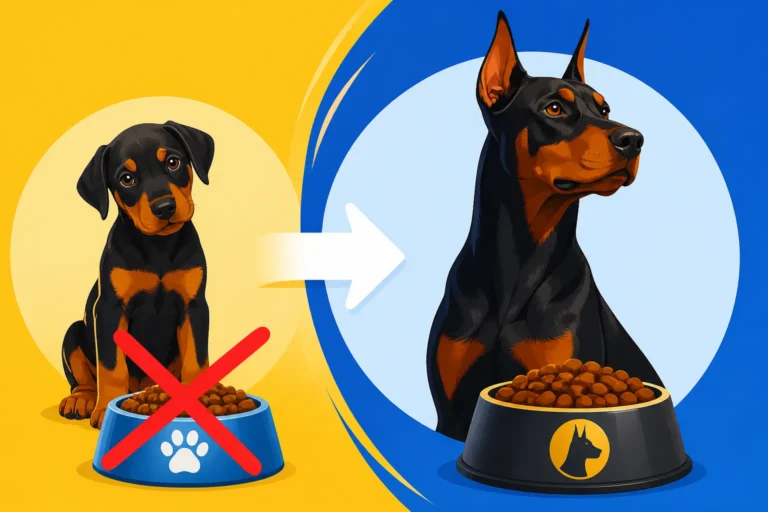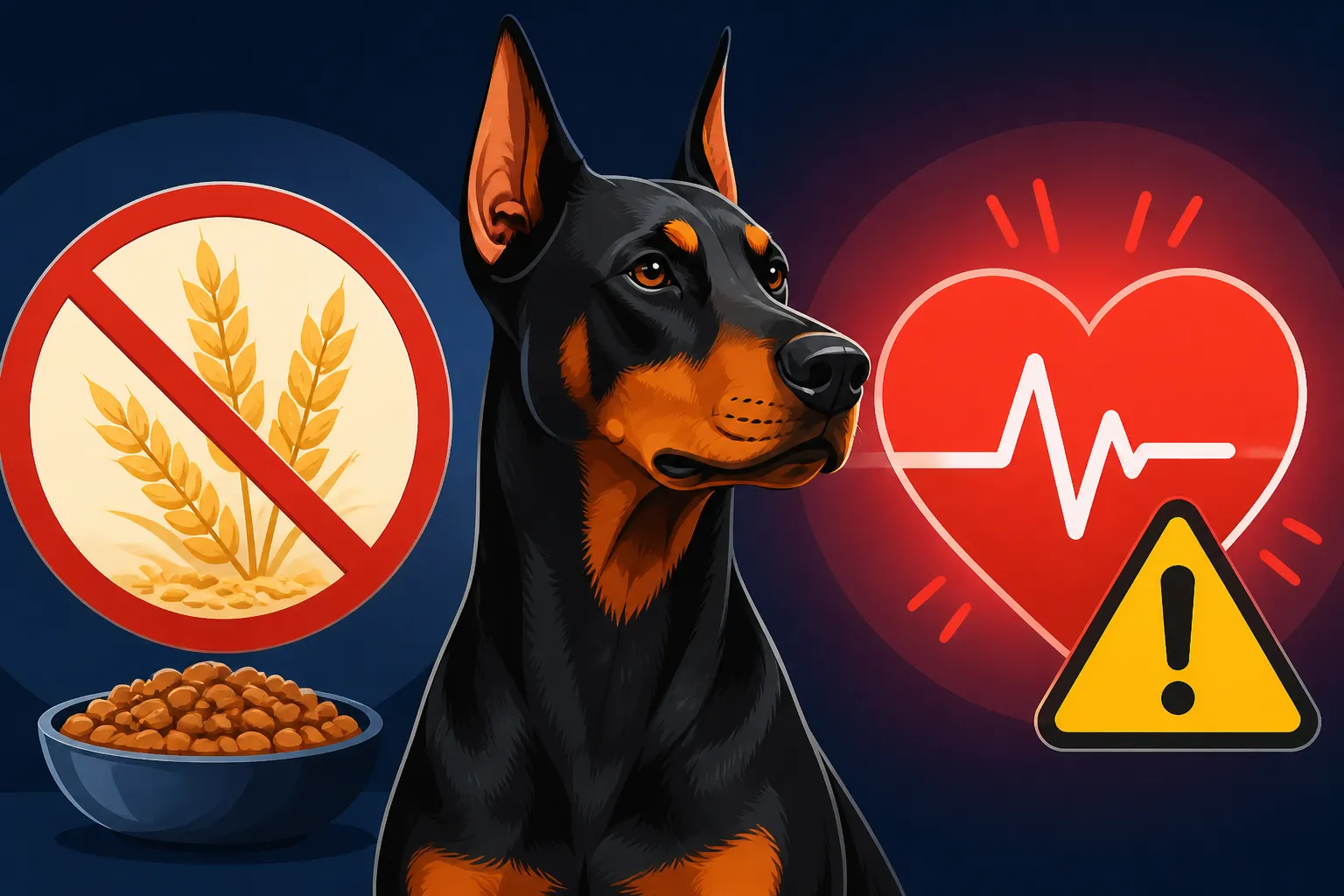
What the Grain-Free Heart Warning Means for Dobermans
If you're a Doberman owner, the phrase "grain-free diet" likely brings a knot of worry to your stomach, especially when paired with "heart disease." It's incredibly frustrating to navigate conflicting information, wondering if the food you chose for your beloved Dobe could actually be harming them. This guide aims to cut through the confusion, helping you understand the real implications of the grain-free warning for our predisposed Dobermans.
The Alarming Link Between Diet and Heart Health in Dobermans
For years, the buzz in the pet food industry was all about grain-free. We were told grains were fillers, allergens, and generally bad for our dogs. Many of us, wanting the best for our companions, eagerly embraced these new diets. Then, a few years ago, the FDA dropped a bombshell: an investigation linking certain "boutique, exotic ingredient, and grain-free" (BEG) diets to an increased risk of Dilated Cardiomyopathy (DCM) in breeds not typically genetically predisposed to it. For Doberman owners, who already live with the looming shadow of DCM, this news was particularly terrifying. It left us asking: what does this mean for our breed, which already faces an uphill battle with heart health?
Dobermans and Dilated Cardiomyopathy: A Breed Predisposition
Let's be clear: Dobermans are tragically predisposed to DCM, regardless of diet. This isn't breaking news; it's a known, heartbreaking fact about our breed. Dilated Cardiomyopathy is a progressive disease where the heart muscle becomes thin and weak, losing its ability to pump blood efficiently. Over time, the heart chambers enlarge, and eventually, the heart fails. It's often referred to as The Heart Disease That Reaches Most Dobermans because it impacts such a significant portion of the breed.
The insidious nature of Doberman DCM is that it often progresses silently for years. You might have a seemingly healthy, energetic Dobe, running and playing as usual, while their heart is slowly failing beneath the surface. Why a Doberman Heart Fails Before Anyone Notices is a reality many owners confront. Genetic factors, specifically the DCM1 deletion and the DCM2 titin variant, play a significant role in this predisposition, making it crucial for breeders to screen their dogs. You can learn more about these specific genetic tests in The Two Doberman DCM Gene Tests.
Understanding this inherent vulnerability in Dobermans is key to approaching the grain-free debate. While other breeds might develop diet-associated DCM due to their food, our Dobermans have a genetic card stacked against them from the start. This means we have to be doubly diligent in all aspects of their care, including nutrition.
Unpacking the FDA's Investigation into Grain-Free Diets
The FDA’s initial alert wasn't about all DCM, but specifically about an increase in cases of DCM in breeds not typically known for it, as well as an atypical presentation of DCM in predisposed breeds. They noted a consistent association with certain diets, primarily those labeled "grain-free," often featuring "boutique" ingredients or "exotic" protein sources, and manufactured by smaller or newer brands—hence the "BEG" diet moniker.
The investigation looked at thousands of reports submitted by veterinarians and owners across the country. What they found was a pattern: dogs eating these specific types of diets were overrepresented in DCM cases. It wasn't just Dobermans; it was golden retrievers, mixed breeds, and many others who suddenly began presenting with heart failure. The key takeaway from the FDA's early findings was that this was an association, not yet a definitively proven causal link. They were exploring the "why" — was it an ingredient? A nutrient deficiency? An interaction?
This distinction is critical. The FDA wasn't saying "grain-free food causes DCM." They were saying, "We're seeing an unusual number of DCM cases in dogs eating these types of diets, and we need to investigate further." This left many owners, ourselves included, feeling anxious and uncertain. Were we doing more harm than good by trying to provide what we thought was a superior diet? It’s a completely valid frustration when you’re doing your best for your dog, only to find out there might be a hidden risk.
Why Grain-Free Became a Concern: The Taurine Connection
The primary theory that emerged from the FDA's investigation revolved around taurine, a vital amino acid. This isn't to say it's the only theory, but it's the one that gained the most traction and provided the clearest actionable advice for many affected dogs.
The Critical Role of Taurine in Canine Heart Function
Taurine is like a superhero for the heart. It's an amino acid that plays a crucial role in maintaining healthy heart muscle function, regulating calcium levels within heart cells, and supporting overall cardiovascular health. While most dogs can synthesize their own taurine from other amino acids (like methionine and cysteine), some breeds, including Dobermans, can be prone to taurine deficiency, which can directly lead to DCM.
Even if a dog food label says it contains taurine, or if its ingredients theoretically provide the building blocks for taurine synthesis, certain factors can disrupt this process. If a dog isn't producing or absorbing enough taurine, their heart muscle begins to weaken and stretch, leading to the symptoms of DCM. For a Doberman, who already has a genetic predisposition to heart issues, any additional factor that compromises taurine levels or heart health is a serious concern. It’s why topics like Taurine and Carnitine for a Doberman Heart are so relevant to us.
The frustrating part is that many dogs on these grain-free diets didn't present with obvious signs of taurine deficiency in their bloodwork initially. This suggested that the issue might be more complex than a simple lack of taurine in the food itself. It pointed towards potential interference with how the dog's body uses or makes taurine.
Legumes, Potatoes, and Other Ingredients Under Scrutiny
When grains like corn, wheat, or rice are removed from a dog food formula, they have to be replaced with something else to provide carbohydrates and protein. In many of the diets implicated in the FDA's investigation, these replacements were often legumes (peas, lentils, chickpeas) and potatoes. These ingredients, while not inherently "bad," became a focal point of concern.
The hypothesis was that high concentrations of these ingredients, particularly legumes, might interfere with taurine metabolism. It’s thought that the fiber content or certain compounds within legumes could bind to taurine, preventing its absorption, or that they could affect the production of the precursor amino acids. Another theory suggested that these ingredients might contain anti-nutritional factors that disrupt nutrient absorption in general, including those necessary for heart health.
It's important to differentiate: the issue wasn't that grain-free foods lacked grains, but what they used instead. Many reputable dog food brands use grains, and they provide excellent nutrition. The "grain-free" marketing trend often pushed the idea that grains were simply "fillers" without considering their nutritional contributions or the potential problems with their replacements. This meant that simply choosing a food without grains wasn't necessarily a healthier choice, and in some cases, might have inadvertently introduced new risks.
Making Informed Dietary Choices for Your Doberman
Given the Doberman's inherent susceptibility to DCM, making informed decisions about their diet is paramount. It's not just about avoiding the "bad" but actively choosing the "good" and maintaining a proactive approach to their overall health.
Partnering with Your Veterinarian and a Board-Certified Cardiologist
When it comes to your Doberman's health, especially their heart, your veterinarian is your most valuable partner. If you have concerns about your Dobe's current diet, or you're considering a change, the first step should always be a conversation with your vet. They can review the ingredients in your dog's food, assess their individual health needs, and recommend appropriate changes.
For Doberman owners, regular cardiac screening is non-negotiable. This includes annual echocardiograms (echo) and 24-hour Holter monitoring. These tests are vital for early detection of DCM, even if your dog seems perfectly healthy. Annual Echo and Holter Screening for a Doberman should begin early in your Dobe’s life, usually around two years of age. A board-certified veterinary cardiologist will be able to interpret the nuanced results of these tests and provide guidance tailored to your Doberman’s specific heart health. This proactive approach helps to catch subtle changes that might indicate How a Doberman Heart Enlarges Before Symptoms long before any outward signs appear. Your vet can advise you on The Age to Start Screening a Doberman's Heart.
| Heart Health Strategy | Description | Why it's Important for Dobermans |
|---|---|---|
| Consult Your Veterinarian | Discuss diet, health history, and any concerns. | Tailored advice for your Dobe's unique needs and DCM predisposition. |
| Annual Cardiac Screening | Echocardiogram and 24-hour Holter monitor, typically starting at age 2. | Early detection of DCM, even in the "occult" (hidden) stage, which is critical for Dobermans. |
| Reputable Dog Food Choice | Select brands with strong nutritional science backing, feeding trials, and ingredient transparency. | Reduces risk of diet-associated DCM and ensures balanced nutrition for heart health. |
| Monitor for Symptoms | Watch for coughing, lethargy, reduced exercise tolerance, fainting. | Early intervention if DCM progresses, potentially improving outcomes. |
| Avoid "BEG" Diets (unless vet-directed) | Diets high in legumes/potatoes, exotic proteins, or from small brands without veterinary nutritionists. | Mitigates potential risk factors identified in the FDA investigation. |
Identifying a Reputable Dog Food for Your Doberman
So, what should you look for in a dog food for your Doberman? Focus on brands that have a long history of research and development, employ board-certified veterinary nutritionists, and conduct extensive feeding trials. These companies invest heavily in understanding canine nutrition, not just marketing trends. Look for an AAFCO (Association of American Feed Control Officials) statement on the label that says the food has undergone feeding trials, not just formulated to meet nutrient profiles.
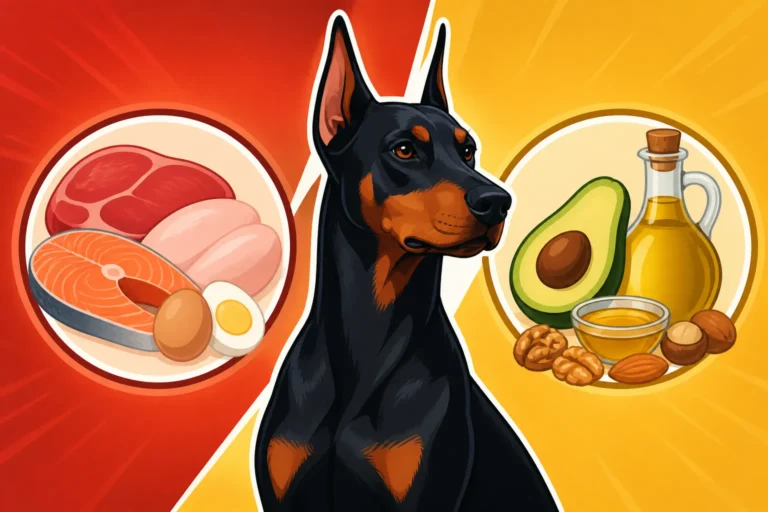
When reading ingredient lists, prioritize named meat sources (e.g., "chicken meal," "beef") as the first few ingredients. Carbohydrate sources should be digestible and varied, and yes, this can include grains like rice, barley, or oats! There's absolutely no evidence that grains are inherently bad for Dobermans or cause allergies in the vast majority of dogs. You can find a wide array of reputable options online from retailers like Chewy or Amazon, making it easy to research ingredients and brand reputations.
Some owners are also exploring fresh or lightly cooked food options, such as services like Ollie. While these can offer high-quality ingredients and transparency, it's still crucial to ensure they are formulated to be nutritionally complete and balanced, ideally with guidance from a veterinary nutritionist, especially if your Doberman has any underlying health concerns. Remember, the goal is balanced, complete nutrition that supports heart health, and that might look different for every individual Doberman.
Beyond the Bowl: Holistic Heart Care for Your Doberman
Diet is undeniably a huge piece of the puzzle, but it's not the only one. Caring for a Doberman's heart health, especially with their genetic predisposition to DCM, requires a comprehensive approach that looks at their entire lifestyle.
Regular Health Monitoring and Early Detection
Beyond the specific cardiac screenings, consistent, regular veterinary check-ups are essential for your Doberman throughout their life. Your vet can catch subtle changes in their overall health that might be indicators of underlying issues, not just heart-related. This is especially true as your Doberman ages, and their health needs evolve. Screening an Older Doberman More Often becomes particularly important after the age of six or seven, as this is when many age-related conditions, including heart disease, often start to become more apparent.
You, as their owner, are also a crucial part of the monitoring team. You spend the most time with your Doberman and are best positioned to notice changes in their behavior or energy levels. Look for signs that, while subtle, could indicate a problem: a persistent cough, especially after exercise or at night, might mean Coughing and Breathlessness in a Doberman. If your Dobe seems to tire faster than usual on walks, or if you ever notice them A Doberman That Faints on a Walk, these are immediate red flags that warrant an emergency veterinary visit. Early intervention, once DCM is diagnosed, can sometimes help manage symptoms and improve quality of life, even if a cure isn't possible.
Lifestyle Factors and Overall Well-being
Diet and genetics are major players, but a Doberman's overall lifestyle also contributes to their heart health. Regular, appropriate exercise is vital for maintaining a healthy weight and cardiovascular fitness, but it needs to be balanced. Overexertion, particularly in an undiagnosed Doberman with early DCM, can be dangerous. Your vet or cardiologist can advise on safe exercise levels once cardiac health is assessed.
Maintaining a stable, low-stress home environment can also contribute to overall well-being, though its direct impact on DCM progression is less clear than diet or genetics. Ensure your Doberman has a comfortable, warm place to sleep, regular routines, and plenty of mental enrichment to keep their sharp minds engaged. This breed thrives on routine and close companionship; consistency in their daily life can reduce anxiety and support their immune system.
Finally, remember that heart health isn't the only concern for Dobermans. They are a breed prone to several genetic conditions. Make sure your breeder has conducted comprehensive health testing beyond just the heart. The Health Testing a Doberman Breeder Must Show should cover things like Von Willebrand's disease, thyroid, and even hip and elbow evaluations, depending on the lines. A holistic approach to your Doberman's care, encompassing diet, vet checks, screening, and a loving home, gives them the best possible chance at a long, healthy life.
Disclaimer
This article is for general informational purposes only and does not constitute professional advice. Laws, prices and regulations vary by location and change over time. Consult a qualified professional for guidance on your specific situation.