Supplements a Doberman Cardiologist Actually Recommends
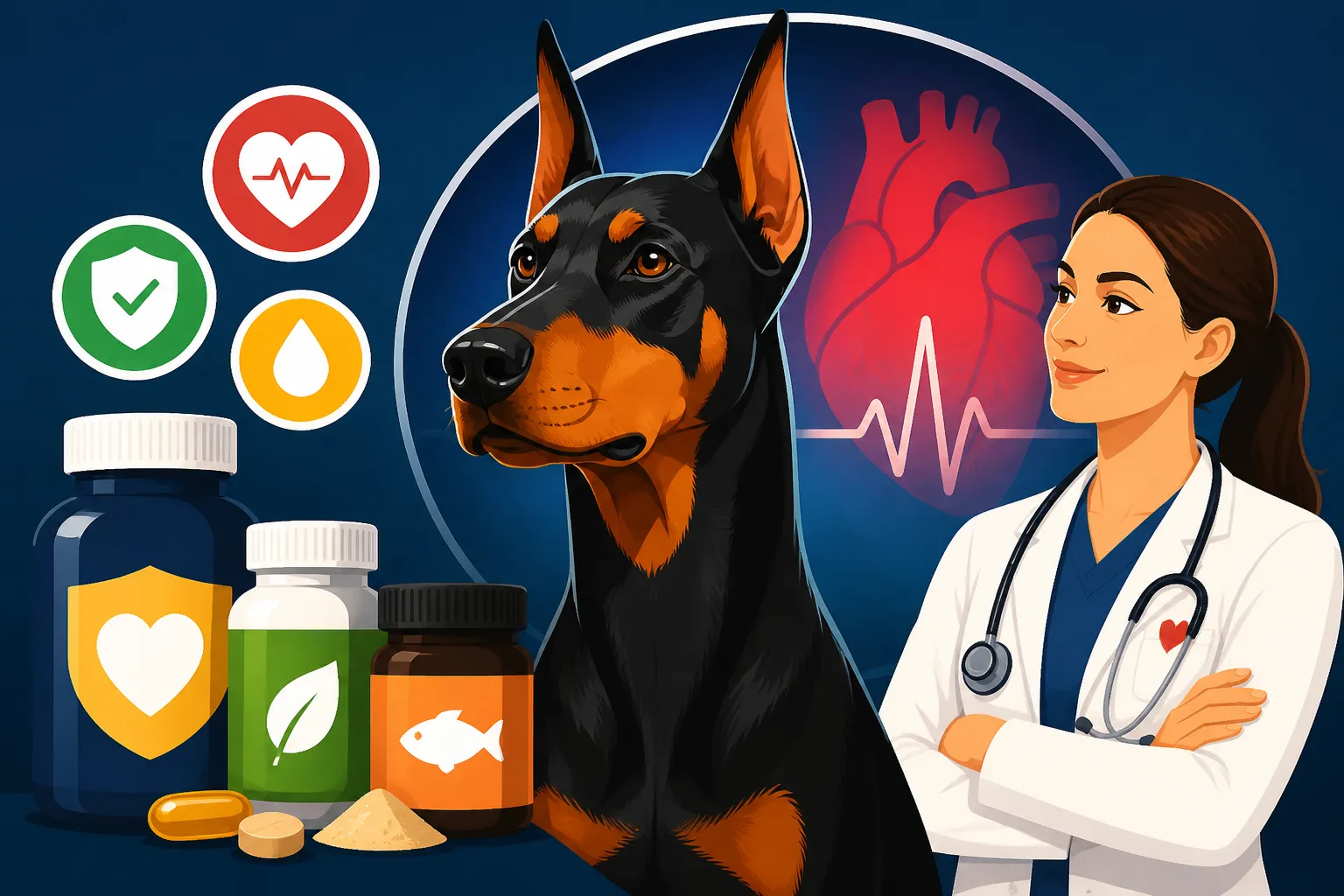
It’s a deeply unsettling feeling when you know your beloved Doberman is predisposed to a serious health condition, especially something as devastating as heart disease. Many of us lie awake wondering if there's anything more we can do, beyond the regular vet visits, to keep their hearts strong. This guide will walk you through the supplements that veterinary cardiologists might actually recommend for Dobermans, clarifying their roles and why professional guidance is non-negotiable before adding anything to your dog's regimen.
Understanding Doberman Heart Health and DCM
Dobermans, magnificent as they are, carry a heavy genetic burden when it comes to heart health. Dilated Cardiomyopathy, or DCM, is tragically common in our breed, often striking seemingly healthy dogs without warning. It's not just a statistic; it's a heartbreaking reality that many Doberman owners eventually face. Understanding this condition is the first step in exploring how supplements might play a supportive role, always under strict veterinary supervision.
The Prevalence of DCM in Dobermans
For Doberman owners, DCM isn't just a possibility; it often feels like an inevitability. This progressive disease causes the heart muscle to thin and weaken, making it less efficient at pumping blood. Initially, there are often no outward signs, leading to what's known as the "occult" or "hidden" phase. This is why regular screening, like annual echocardiograms and Holter monitoring, is so crucial for Dobermans, often starting as early as two years old. Without these tests, the disease can advance silently, sometimes only revealing itself with a sudden collapse or, tragically, Sudden Death in a Young Doberman. We've all heard the stories, and the fear is very real. It's important to know that while genetics play a massive role, including specific gene variants like those identified by The Two Doberman DCM Gene Tests, diet and other factors are also sometimes discussed in its development and management.
When DCM progresses, a Doberman's heart can enlarge and struggle to maintain proper blood flow, leading to fluid accumulation in the lungs or abdomen. This is when symptoms like coughing, lethargy, or fainting spells become apparent. It's a cruel disease that can steal precious time from our dogs, and it’s why finding ways to support their heart health, even preventatively, is a constant concern for dedicated Doberman parents.
When Supplements Come into Play
The idea of using supplements for heart health often comes up during those anxious conversations with our vets. It's natural to want to explore every avenue, especially in the early, asymptomatic stages of DCM. Supplements are typically considered as adjunctive therapies, meaning they work alongside, not in place of, conventional medications prescribed by a veterinary cardiologist. Think of them as supportive players on a team, where the main treatment strategy is still led by the specialist.
A cardiologist might discuss supplements in a few scenarios: for Dobermans in the occult phase of DCM, where the heart changes are present but symptoms haven't yet manifested; for dogs with specific dietary deficiencies that might contribute to cardiac issues; or simply as general nutritional support for overall heart wellness, particularly in breeds prone to such conditions. The goal is always to support cardiac function, mitigate oxidative stress, or address potential nutritional gaps that could indirectly impact heart health. However, it's vital to remember that not all supplements are created equal, and some might even be harmful without proper guidance.
Key Supplements a Cardiologist Might Recommend
When discussing heart health with a veterinary cardiologist, certain supplements frequently come up due to their potential benefits for cardiac function. These aren't magic bullets, but rather compounds that can offer supportive roles in the complex management of Doberman DCM.
The Role of Taurine and L-Carnitine
Taurine and L-Carnitine are amino acids that play crucial roles in cardiac function and energy metabolism. They are often discussed together because deficiencies in either can, in some cases, lead to dilated cardiomyopathy, even in breeds not typically predisposed to it. For Dobermans, the situation is a bit more nuanced. While Dobermans are genetically prone to DCM, some individuals might also have a primary or secondary deficiency in these amino acids, which could exacerbate their predisposition or impact their response to treatment. This is why blood tests for taurine levels are sometimes recommended.
If a Doberman is found to have low taurine levels, supplementation with taurine is a common recommendation, and can sometimes lead to significant improvement, especially if the DCM is caused by the deficiency. L-Carnitine is also important for transporting fatty acids into the mitochondria, where they're burned for energy, making it vital for heart muscle function. While a direct L-Carnitine deficiency is less commonly diagnosed as a primary cause of DCM in Dobermans, it can be considered as a supportive therapy, particularly if muscle weakness or poor cardiac contractility is noted. Many cardiologists will evaluate Taurine and Carnitine for a Doberman Heart as part of a comprehensive management plan. You can often find reputable brands of these supplements online at retailers like Chewy or Amazon.
Omega-3 Fatty Acids (Fish Oil)
Omega-3 fatty acids, particularly EPA (eicosapentaenoic acid) and DHA (docosahexaenoic acid), are widely recognized for their anti-inflammatory properties and overall cardiovascular benefits. For Dobermans with DCM, omega-3s can help reduce inflammation within the heart muscle, potentially improve cardiac cachexia (muscle wasting), and even help with arrhythmia control. They are not a cure for DCM, but they can be a valuable adjunct to other treatments.
These essential fatty acids can contribute to maintaining healthy cell membranes and supporting a more regulated inflammatory response, which is beneficial for a heart under stress. When selecting a fish oil supplement, a cardiologist will often advise looking for products with high concentrations of EPA and DHA, and importantly, those that have undergone third-party testing for purity and potency to ensure they are free from heavy metals and other contaminants. Regular supplementation with good quality omega-3s is a common recommendation for many dogs with heart conditions, often continuing through phases like Medication for a Doberman in the Occult Phase.
Coenzyme Q10 (CoQ10)
Coenzyme Q10, or CoQ10, is a potent antioxidant that plays a critical role in cellular energy production, particularly in organs with high energy demands like the heart. It's naturally found in the body, but levels can decrease with age or certain health conditions. For Dobermans with DCM, supporting the heart's energy production and reducing oxidative stress can be incredibly beneficial.
While research specifically on CoQ10 for Doberman DCM is still evolving, its role as a powerful antioxidant and its importance in mitochondrial function make it an appealing supportive supplement. Cardiologists might consider CoQ10 to help protect heart cells from damage and improve overall cardiac muscle efficiency. As with all supplements, the specific dosage and formulation would be determined by your veterinarian, taking into account your Doberman's individual health status and any other medications they might be on.
Important Considerations Before Supplementing Your Doberman
Deciding to give your Doberman supplements for heart health is a significant step that should never be taken lightly. The intention is always good, but without proper guidance, you could inadvertently do more harm than good. A thoughtful, informed approach is key to ensuring your Doberman receives the best possible care.
Always Consult Your Veterinary Cardiologist
This cannot be stressed enough: never start your Doberman on any supplement, especially for a serious condition like DCM, without first consulting a board-certified veterinary cardiologist. These specialists have dedicated years to understanding canine heart conditions, including the unique challenges Dobermans face. They will conduct thorough diagnostic tests, such as an Annual Echo and Holter Screening for a Doberman, to accurately assess your dog's heart health. Based on these findings and their extensive knowledge, they can determine if a supplement is appropriate, what type, what dosage, and how it might interact with any prescribed medications.
Self-medicating based on online forums or anecdotal evidence is incredibly risky. Some supplements can have adverse effects, interfere with prescribed drugs, or simply be ineffective. Your cardiologist is the only one equipped to provide tailored, evidence-based recommendations that are specific to your Doberman's individual needs and the stage of their disease. They understand the nuances, such as How Many Abnormal Beats Worry a Doberman Cardiologist during a Holter reading, and can integrate supplement use into a cohesive treatment plan.
Quality and Sourcing of Supplements
The supplement market for pets is vast and, unfortunately, not always well-regulated. This means there's a huge variation in product quality, purity, and efficacy. When your cardiologist recommends a supplement, ask them about specific brands they trust or look for certifications from independent organizations that verify product claims and safety. Many reputable veterinary brands exist, and some even publish their testing results.
Look for products that clearly list ingredients and dosages. Avoid anything with vague proprietary blends or excessive fillers. Purchasing from trusted retailers, whether online through platforms like Chewy or Amazon, or directly from your veterinary clinic, helps reduce the risk of receiving a counterfeit or low-quality product. Remember, a cheaper price often means compromised quality, and when it comes to your Doberman's heart, quality is paramount. It’s also worth considering how a high-quality base diet, such as those offered by services like Ollie, can contribute to overall health, potentially reducing reliance on certain supplements, though specialized cardiac supplements are distinct.
Potential Interactions and Side Effects
Just like pharmaceutical drugs, supplements can have side effects and interact with other medications. For instance, high doses of omega-3 fatty acids could potentially affect blood clotting, which might be a concern if your Doberman has another condition like The Bleeding Disorder Almost Every Doberman Line Carries or is undergoing surgery. Similarly, some supplements might impact liver or kidney function, which could be problematic if your Doberman has pre-existing conditions in those areas.
Your cardiologist will review your Doberman's entire health profile, including all medications and existing conditions, before recommending any supplement. Be completely transparent with them about everything your Doberman is currently taking, even if it's "natural" or "holistic." This comprehensive approach is crucial for minimizing risks and ensuring that any chosen supplement truly contributes positively to your Doberman's well-being.
The "Grain-Free" Diet Debate and DCM
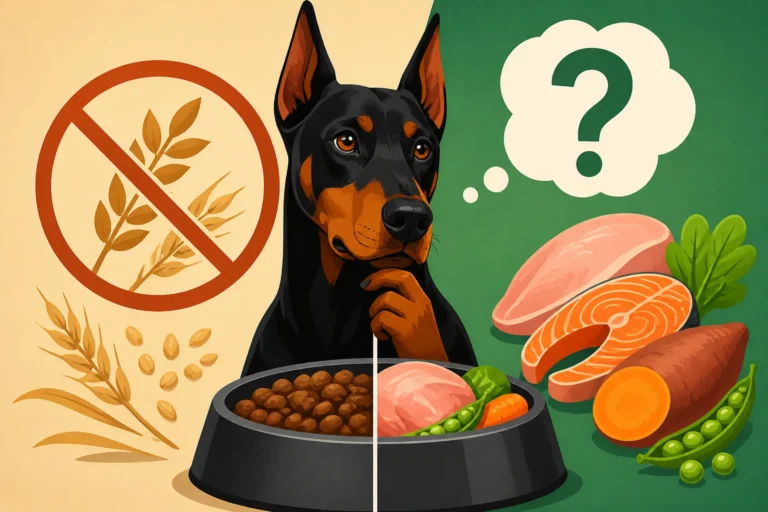
It would be remiss to discuss Doberman heart health and supplements without briefly touching upon the significant debate surrounding grain-free diets and their potential link to a form of DCM known as diet-associated DCM (DACM). While Dobermans are genetically predisposed to their own form of DCM, there was a period where cardiologists noted an increase in DCM cases in various breeds, including Dobermans, that were eating certain "boutique," "exotic ingredient," or "grain-free" (BEG) diets. The primary concern revolved around the inclusion of high levels of legumes (peas, lentils, chickpeas) and potatoes as primary ingredients, often displacing traditional grains.
The theory is that these diets might interfere with taurine synthesis or absorption, or contain other compounds that negatively impact cardiac function in susceptible dogs. While the link isn't fully understood and not every dog on these diets developed problems, many cardiologists recommend avoiding BEG diets, particularly for breeds like Dobermans that are already at high risk for heart disease. This conversation directly ties into supplementation, as some dogs on these diets were found to have low taurine levels, leading to taurine supplementation alongside a diet change. Always discuss your Doberman's diet with your cardiologist, especially considering Whether Grain-Free Food Adds to Doberman DCM. A well-balanced diet is the foundation of good health, even before supplements come into play.
Chart of Commonly Discussed Doberman Heart Supplements
Here's a quick overview of the supplements often discussed in the context of Doberman heart health, keeping in mind that all use should be under veterinary guidance.
| Supplement | Primary Role/Benefit | Cardiologist Might Recommend For | Important Considerations |
|---|---|---|---|
| Taurine | Essential amino acid; supports heart muscle function | Diagnosed taurine deficiency, certain diet-associated DCM, supportive therapy in some cases. | Blood test often recommended to check levels; dosage is critical; interactions possible. |
| L-Carnitine | Aids energy production in heart muscle | Supportive therapy for heart muscle weakness; some types of DCM. | Less commonly a primary deficiency cause in Dobermans than taurine; proper form is important. |
| Omega-3 Fatty Acids (EPA/DHA) | Anti-inflammatory, supports cardiovascular health | Reducing inflammation, improving cardiac cachexia, managing arrhythmias, general heart support. | High quality, third-party tested products are crucial; can affect clotting in very high doses. |
| Coenzyme Q10 (CoQ10) | Antioxidant, aids cellular energy production | Supporting heart muscle energy, reducing oxidative stress in DCM. | Research specific to Doberman DCM is ongoing; consult on dosage and best form. |
A Holistic Approach to Doberman Heart Health
Caring for a Doberman, especially one with a predisposition to heart disease, is a journey that requires vigilance, education, and unwavering commitment. It's about more than just managing symptoms; it's about striving for the best possible quality of life for as long as possible. Remember, early and consistent health screening is paramount for this breed, often revealing issues in The Silent Years Before a Doberman's Heart Shows.
While supplements can play a supportive role, they are never a substitute for regular veterinary care, precise diagnostics, and prescribed medications. Building a strong relationship with your veterinary cardiologist and openly discussing all aspects of your Doberman's health, from diet to exercise to potential supplements, is the most powerful tool you have. Whether your Doberman is in the occult phase or already showing signs of DCM, a proactive and informed approach, guided by experts, offers the best chance at a longer, happier life together. Your Doberman relies on your informed decisions, and understanding these complex topics is a testament to the depth of your bond.
Disclaimer
This article is for general informational purposes only and does not constitute professional advice. Laws, prices and regulations vary by location and change over time. Consult a qualified professional for guidance on your specific situation.